Table of Contents >> Show >> Hide
- Why “Tall” Changes Everything (In a Good Way)
- What to Look For in a Tall Glass Pitcher/Teapot
- Best Uses for a Tall Glass Pitcher/Teapot
- How to Brew Better: Real-World Tips That Actually Work
- Cleaning and Care: Keep It Clear (Not Cloudy and Sad)
- Heat and Safety: Avoid the “Glass Drama” Episode
- Choosing the Right Tall Glass Pitcher/Teapot for Your Life
- FAQ
- Conclusion: The Tall Glass Pitcher/Teapot Is a Small Upgrade That Feels Big
- Extra: Real-Life Experiences With a Tall Glass Pitcher/Teapot (The Stuff You Only Learn by Using It)
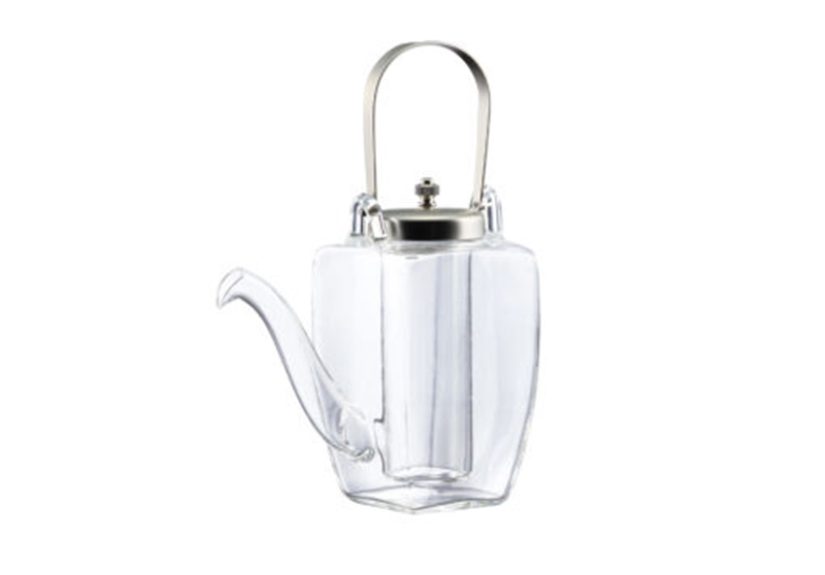
Article: Glass Pitcher/Teapot – Tall
The tall glass pitcher/teapot is basically the kitchen’s version of a clean white sneaker: it goes with everything,
looks good doing it, and somehow ends up in every photo even when it’s not trying.
Whether you’re steeping jasmine pearls, cold-brewing iced tea, or pretending you’re “just having water”
(while it’s secretly packed with citrus and smugness), a tall glass vessel pulls its weight.
But not all glass pitchers and glass teapots are created equal. Some are built for hot steeping, some are born for the fridge door,
and some exist purely to spill on your shirt five minutes before a meeting. Let’s make sure you pick the first two.
Why “Tall” Changes Everything (In a Good Way)
“Tall” isn’t just a vibeit’s function. A tall glass pitcher takes up less horizontal real estate,
which is exactly what your refrigerator wants. The slim profile is easier to park in a fridge door,
and it often pours with less splashing because the liquid column stays more controlled.
Practical perks you’ll notice fast
- Fridge-door friendly: The slender footprint fits where bulky jugs won’t.
- Cleaner pour: Many tall designs pair well with spouts and strainer lids for a smoother stream.
- Better showmanship: Glass makes tea blooms, fruit infusions, and herb sprigs look like you planned your life.
- Multi-use energy: One vessel can cover hot tea service, iced tea brewing, and cold brew coffee.
What to Look For in a Tall Glass Pitcher/Teapot
1) Borosilicate glass (the “chill under pressure” option)
If you want a glass teapot that handles hot water (or a glass pitcher that won’t panic when you rinse it warm),
look for borosilicate glass. It’s known for better thermal-shock resistance than standard soda-lime glass.
Translation: it’s less likely to crack when temperatures changethough you still shouldn’t treat it like an action movie stunt prop.
Shopping tip: packaging will often say “borosilicate,” “heat resistant,” or “stovetop safe.”
If you don’t see those words, assume it’s meant for cold/room-temp use unless the manufacturer says otherwise.
2) Lid design: strainer, seal, and sanity
A tall pitcher rises and falls on its lid. The best ones do three things:
- Strain: A built-in strainer lid keeps ice, fruit, and tea leaves from stampeding into your glass.
- Seal: A silicone gasket helps reduce fridge-odor pickup and slows down staleness.
- Pour: A shaped spout or drip-resistant lip saves your counters (and your dignity).
3) Infuser options: basket vs. core insert
If you want the “pitcher/teapot” hybrid experience, an infuser matters. You’ll see:
- Infuser basket: Great for loose tea, easy to remove when the steep hits the sweet spot.
- Center-core infuser: Common in cold brew coffee makers; keeps grounds contained and cleanup simpler.
4) Handle comfort (because physics is real)
Tall vessels can get top-heavy. A comfortable handle and a balanced center of gravity help you pour confidently,
especially with ice inside. If the handle feels thin, slippery, or awkward in your grip, that’s your future self waving a red flag.
5) Capacity: match it to your habits
For daily use, many people are happy in the “a few generous glasses” range. If you entertain, go larger
but remember: bigger also means heavier. Nobody wins an arm workout by accident at brunch.
Best Uses for a Tall Glass Pitcher/Teapot
Cold-brew iced tea
Cold brew tea tastes smoother and less bitter because it extracts differently than hot steeping.
You can do it right in a tall glass pitcher, then serve from the same vessel like a minimalist genius.
- Quick-and-easy method: Use roughly one tea bag per cup of water and steep in the fridge for a few hours,
tasting as you go. - Deeper flavor method: Use a more generous tea-to-water ratio and steep overnight (or longer),
then strain/remove the tea.
Safety note: cold brewing belongs in the refrigerator, not on the counter “in the sun like the good old days.”
Your taste budsand your stomachwill thank you.
Hot-brewed tea, then chilled (fast iced tea)
Want iced tea sooner? Brew hot, don’t over-steep, cool, then chill.
This is where a glass teapot with infuser shines: steep, pull the basket, and you’re done.
Pro move: brew stronger than normal, then pour over ice to land at the right strength without tasting watered down.
Cold brew coffee (yes, in a “tea” vessel)
Many tall glass pitcher systems now include fine-mesh infusers designed for grounds.
Cold brew is typically a fridge steep measured in hoursnot minutesand the result is smooth and mellow.
If you like “coffee that doesn’t fight back,” this is your lane.
Infused water that doesn’t taste like regret
Tall glass pitchers are perfect for fruit- and herb-infused water because ingredients stack nicely in a narrow column.
Citrus slices, cucumber ribbons, berries, mint, basilgo wild (within reason).
Let it steep in the fridge, then sip like you’re the main character in a wellness montage.
Mocktails, spritzes, and “I swear it’s just iced tea” party drinks
Tall glass makes layered ingredients look intentional. Add plenty of ice, a few aromatics (citrus peel, rosemary),
and suddenly your kitchen feels like it has background music.
How to Brew Better: Real-World Tips That Actually Work
Use the right water (because tea is mostly waterawkward but true)
If your tap water tastes heavily chlorinated or metallic, your tea will, too. Filtered water often produces a cleaner cup,
especially with delicate green or white teas.
Don’t “set it and forget it” with delicate teas
Green tea, white tea, and many floral blends can turn bitter if over-steeped.
That’s why an infuser basket is so handy: you can remove it the moment it tastes right.
Cold brew: taste before you commit
Cold brew times vary by tea type and how strong you like it. Start conservative, taste, then extend if needed.
Your pitcher is not a pressure cookernothing magical happens if you ignore it, except stronger tea.
Fruit infusions: slice smarter
Thin slices infuse faster. Bruising herbs (a gentle slapdon’t overdo it) can help release aroma.
If you’re using berries, a light mash can boost flavor, but it also adds pulpuse a strainer lid or infuser if you prefer clean pours.
Cleaning and Care: Keep It Clear (Not Cloudy and Sad)
Daily cleaning: warm water + gentle soap
Most tall glass pitchers clean easily with warm, soapy water and a non-abrasive sponge.
Avoid harsh scrubbersglass scratches don’t heal, they just become “character.”
Mineral buildup and tea stains: the vinegar rescue
If you see cloudy film or mineral deposits (hello, hard water), a vinegar-and-water soak is a classic fix.
A common approach is a roughly equal mix of water and distilled white vinegar, followed by a gentle scrub and a thorough rinse.
For stubborn areas around spouts or edges, a soft brush helps.
Dishwasher-safe… but be strategic
Even when a glass pitcher is labeled dishwasher safe, you’ll get better longevity by:
- Loading so pieces don’t touch: clinking is the enemy.
- Using the right cycle: a shorter or gentler cycle can reduce unnecessary exposure.
- Not overdoing detergent: too much + hot water + soft water can contribute to etching over time.
If you’ve ever pulled glasses out of the dishwasher looking permanently foggy, that’s likely etchingnot “dirt.”
Adjusting cycle length, detergent amount, loading, and water conditions can help prevent it.
Heat and Safety: Avoid the “Glass Drama” Episode
Thermal shock is real (even for borosilicate)
Borosilicate glass is more resistant to sudden temperature changes, but it’s not invincible.
The safest habit: avoid extreme, fast swings.
- Don’t pour boiling water into a cold pitcher that just came from the fridge.
- If you’re making hot tea, warm the vessel first with a little warm water, then dump it.
- Don’t place hot glass directly onto a cold stone counteruse a trivet.
Stovetop-safe glass teapot vs. “pretty only” glass
Some glass teapots are designed for direct or indirect stovetop heating, but many are not.
If you want stovetop use, only buy models explicitly rated for itand follow the manufacturer’s heat guidance.
When in doubt, boil water in a kettle and steep in the glass.
Choosing the Right Tall Glass Pitcher/Teapot for Your Life
If you mainly drink iced tea
- Prioritize a strainer lid and a comfortable handle.
- Consider an infuser if you use loose tea or like fruit-enhanced blends.
- Pick a size that fits your fridge door and your daily “refill reality.”
If you’re a hot tea person (but want the option to chill)
- Look for borosilicate and clear “heat resistant” labeling.
- An infuser basket makes timing and cleanup easier.
- A stable base matterstall + wobbly is a bad combo.
If you’re into cold brew coffee
- Choose a system with a fine mesh filter designed for grounds.
- Make sure the lid seals well (cold brew loves picking up fridge odors).
- Capacity matterscold brew disappears faster than you expect.
If you just want “one classy thing” that does it all
Go for borosilicate, a strainer lid, and an infuser you can remove. That combination covers:
hot tea, iced tea, infused water, cold brew coffee, and any impromptu “I’m hosting” moment.
FAQ
Does glass really help with taste?
Glass is non-reactive for most everyday beverage use, so it tends to keep flavors cleaner compared to materials that hold odors or stains.
If you’ve ever had water taste like yesterday’s lemon-mint experiment, you already understand the mission.
How do I keep fruit from pouring out?
Use a built-in strainer lid or a removable infuser. For small bits (mint leaves, berry seeds), a finer strainer is better.
Can I use a tall glass pitcher as a teapot?
Yesif it’s designed for hot liquids. The safest approach is to pour in hot (not boiling-in-a-rage) water from a kettle,
steep with an infuser, then strain. If it’s not heat rated, keep it cold-brew-only.
Conclusion: The Tall Glass Pitcher/Teapot Is a Small Upgrade That Feels Big
A tall glass pitcher/teapot is one of those quiet “adulting wins” that improves daily life without demanding attention.
It stores neatly, pours cleanly, shows off whatever you’re brewing, and helps you drink more of the good stuff
tea, coffee, fruit waterwithout tasting yesterday’s decisions.
Pick the right glass (borosilicate if you want heat flexibility), prioritize a smart lid and an easy-clean infuser,
and treat temperature changes with a little respect. Do that, and this simple vessel becomes your go-to for everything
from weekday hydration to weekend iced tea theatrics.
Extra: Real-Life Experiences With a Tall Glass Pitcher/Teapot (The Stuff You Only Learn by Using It)
The first time I brought home a tall glass pitcher, I had noble intentions: “This will be for water.”
Reader, it was not for water. Within 48 hours it had become the official headquarters of iced tea, cold brew,
and whatever citrus was about to turn soft in the fruit bowl. That’s the magic of a clear vesselyou can
see what you’re missing, and somehow that makes you want to drink it.
The tall shape is the real hero. On a crowded fridge door, it slides into that weird narrow slot where nothing
else fitslike it was custom-built for the exact geometry of “two condiment bottles and one questionable jar of pickles.”
And because the pitcher is slim, the liquid doesn’t slosh as dramatically when you carry it. Less slosh means fewer
countertop puddles, and fewer countertop puddles means you get to feel like you have your life together. (Even if your
email inbox says otherwise.)
My favorite “pitcher/teapot” move is cold-brew green tea with a removable infuser. The tall glass makes it look like a spa drink,
and the taste is smoother than hot-brewed tea that’s been bullied by boiling water. The trick is to taste early rather than
setting a rigid timer. Some teas get strong fast; some need more time. Once it hits your sweet spot, pull the infuser.
That one tiny action prevents the “why is my tea suddenly bitter?” mystery that has ruined many a peaceful afternoon.
Then there’s infused wateraka “hydration cosplay.” I learned quickly that thin slices matter. Thick lemon wheels look
gorgeous but infuse slowly; thin slices do the job faster and fit the narrow body better. Herbs need a gentle bruise,
not a full-on wrestling match. A light clap between your palms wakes up mint and basil without turning your water into
a salad. And yes, steeping in the fridge overnight can be fantastic, but I’ve had the best results keeping it under a day,
then refreshing the ingredients. Day-two citrus can taste like it’s trying too hard.
Cleaning lessons? Oh, I have a PhD in “things that looked fine until the sun hit them.” Hard-water film can sneak up on you.
One week your pitcher is sparkling, the next it looks like it’s wearing frosted makeup. The fix is surprisingly low drama:
a vinegar soak, a soft brush, and a thorough rinse. The bigger lesson is to do it before buildup becomes a permanent roommate.
Also: avoid abrasive scrubbers. Micro-scratches catch stains later, and then you’ll be in a cycle of scrubbing harder to clean
scratches you created while scrubbing. This is how kitchen tools develop trust issues.
Dishwasher habits matter too. I’ve had glassware come out “mysteriously cloudy,” and it turns out cloudy isn’t always dirty
sometimes it’s etched. So now I’m careful: I don’t let glass clink against metal, I don’t overdose detergent like it’s a
competitive sport, and if I’m washing the pitcher in the dishwasher, I choose a gentler approach when possible. The funny part?
These small tweaks make everything last longer, and suddenly you’re the person giving unsolicited dishwasher advice at parties.
(“No, really, stop pre-rinsingyour detergent needs something to grab.”) I’m sorry in advance.
The biggest “do not learn the hard way” moment: temperature swings. Even if your glass is borosilicate, don’t yank it from the
fridge and pour in near-boiling water like you’re trying to impress a reality show judge. Warm it first. Use a trivet.
Treat glass like the elegant, capable material it isnot like an indestructible superhero. When you do, a tall glass pitcher/teapot
becomes one of those tools you use constantly without thinking… which is the nicest compliment a kitchen item can get.