Table of Contents >> Show >> Hide
- What Is the Glass Cabinet Knob (283J)?
- Why Glass Cabinet Knobs Still Work So Well
- Design Details That Make the 283J Style Stand Out
- Best Places to Use a Glass Cabinet Knob (283J) Look
- How to Choose a Similar Knob Today
- Installation Tips for Glass Cabinet Knobs
- Cleaning and Maintenance
- Common Mistakes to Avoid
- Is the Glass Cabinet Knob (283J) Style Worth It?
- Experience: What It’s Like to Live With Glass Cabinet Knobs
- SEO Tags
Some cabinet hardware whispers. Some shouts. And then there is the glass cabinet knob: the rare little design detail that catches light, adds character, and somehow manages to look both vintage and fresh at the same time. That is exactly why the Glass Cabinet Knob (283J) still sparks interest. Even though the original 283J is now a discontinued model, its appeal has not faded one bit. If anything, it has aged like a well-loved bungalow and a cast-iron skillet: gracefully, with stories to tell.
The 283J belongs to a style family that has been charming kitchens, baths, built-ins, and furniture for generations. Think early 20th-century inspiration, clear glass, and a warm metal base that gives the knob just enough structure to feel substantial. It is the kind of hardware that can make a plain cabinet look intentional, which is decorating’s version of a magic trick.
This guide takes a close look at what makes the Glass Cabinet Knob (283J) so appealing, how this kind of knob fits into modern interiors, what to look for when shopping for a similar style today, and what living with glass hardware actually feels like in daily life. Spoiler: it is prettier than a standard knob and less fussy than people assume.
What Is the Glass Cabinet Knob (283J)?
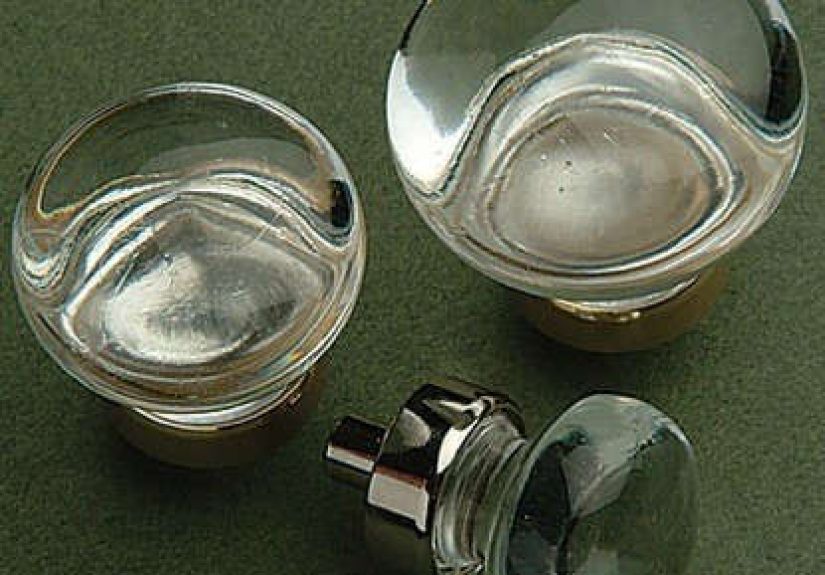
The 283J is best understood as a classic clear glass cabinet knob with old-house charm. In archival product descriptions, it is associated with an early-20th-century round profile and offered with either a brass or nickel base. That combination matters. The glass delivers sparkle and depth, while the metal mount grounds the design so it does not float off into “too delicate for real life” territory.
In design terms, the 283J sits at the sweet spot between decorative and practical. It is not aggressively ornate. It is not ultra-minimal either. Instead, it works like a good white button-down shirt: crisp, versatile, and surprisingly effective in almost every room. On painted cabinets, it adds brightness. On dark wood, it creates contrast. On vintage furniture, it feels like it belongs there. On newer cabinetry, it keeps things from looking too flat or factory-issued.
Because it comes from an older style tradition, the 283J look tends to pair beautifully with period-inspired kitchens, farmhouse spaces, cottage interiors, traditional bathrooms, and furniture makeovers. But it also works in transitional homes where you want a little personality without going full costume drama. No one needs their pantry to look like it is auditioning for a period piece.
Why Glass Cabinet Knobs Still Work So Well
They reflect light in a way metal cannot
Metal hardware has polish. Wood has warmth. But glass has bounce. It catches daylight, lamp light, and even the low drama of under-cabinet lighting, which makes cabinetry feel more layered and alive. In smaller kitchens and bathrooms, this can subtly brighten the room without changing the paint or replacing the cabinets.
They nod to history without feeling old-fashioned
Glass knobs have deep roots in American homes, especially in late 19th- and early 20th-century design language. That historical connection gives them instant charm. Yet because clear glass is visually light, the look does not feel heavy or overly nostalgic. You get character without dusting off a horse-and-buggy aesthetic.
They play well with many finishes
One of the best things about a knob like the 283J is finish flexibility. Pair clear glass with polished nickel for a crisp, cool look. Choose brass for warmth and a little vintage glow. Go with chrome for brightness, or a darker finish if you want the glass to stand out more dramatically. It is one of the few hardware styles that can bridge traditional and modern without causing a design argument.
Design Details That Make the 283J Style Stand Out
Clear glass
Clear glass is the hero here. Unlike colored glass, which can push the design in a specific direction, clear glass stays adaptable. It works with white cabinets, navy cabinetry, sage green built-ins, stained oak vanities, and painted furniture. It also tends to age well stylistically, which is code for “you are less likely to get sick of it in six months.”
Rounded shape
A round knob feels friendly in the hand and easy on the eyes. It softens angular cabinetry and pairs especially well with Shaker doors, inset cabinets, and vintage hutches. Compared with square or sharply faceted crystal knobs, a rounded glass knob reads a little quieter and more approachable.
Metal base
The base is not just structural. It is a style decision. A polished brass base leans classic and warm. A polished nickel base feels slightly dressier and more tailored. In both cases, the metal is what gives the knob a finished look rather than making it resemble a loose marble that somehow learned to hold a screw.
Size options
One reason the 283J style remains useful is that glass knobs often come in multiple diameters. Smaller knobs can look neat on narrow cabinet doors and petite drawers, while larger versions make more sense for bigger pantry doors, oversized vanity drawers, or statement furniture pieces. Choosing the right size is not just about proportion. It also affects how comfortable the knob feels in daily use.
Best Places to Use a Glass Cabinet Knob (283J) Look
Kitchen cabinets
This is the obvious star location, and for good reason. In kitchens, glass knobs can break up the visual weight of wood or painted cabinet runs. They are especially effective on uppers, islands, or coffee-bar cabinetry where a little sparkle goes a long way.
Example: On white Shaker cabinets, a clear glass knob with brass base adds warmth and detail without overwhelming the clean lines. On deep green or navy cabinets, the same knob can feel jewel-like and dramatic.
Bathroom vanities
Bathrooms love reflective surfaces. Mirrors, tile, chrome, nickel, and glass already live there happily, so a glass cabinet knob feels right at home. It can dress up a simple vanity and make a builder-grade cabinet feel more intentional.
Built-ins and hutches
Glass knobs are excellent on linen cabinets, bookcases with lower storage, dining room hutches, and mudroom built-ins. They bring a furniture-like quality to storage pieces, which makes the whole room feel more curated.
Dressers and furniture makeovers
If you thrift furniture or enjoy refinishing old pieces, this style is a winner. A dresser with boring knobs can become charming almost instantly with clear glass replacements. It is one of the quickest ways to get “custom” results on a modest budget.
How to Choose a Similar Knob Today
Because the original 283J is discontinued, most shoppers are really looking for a replacement style with the same visual DNA. The good news is that many reputable U.S. hardware brands still offer glass cabinet knobs in comparable forms.
When shopping, focus on the following:
1. Glass quality
Look for sturdy, well-finished glass. Terms such as tempered glass or high-quality glass construction can be useful signals. You want clarity, good edge finishing, and a secure connection between the glass portion and the base.
2. Comfortable projection
A beautiful knob that is awkward to grip will get old fast. Check the projection, especially for heavy drawers or frequently used cabinets. A knob should feel easy to pinch and pull, not like you are trying to extract a secret from it.
3. Matching finish family
Do not obsess over matching every metal in the room with military precision, but aim for harmony. If your faucet, lighting, or hinges lean warm, brass or champagne-toned bases will feel more cohesive. If the room is cooler and crisper, nickel or chrome usually makes more sense.
4. Correct screw and fit
Most cabinet knobs install with a single mounting screw from the back of the door or drawer front. Make sure the screw length works with your cabinet thickness. If you are replacing existing knobs, measure before ordering. Nothing ruins a Saturday project faster than a screw that is either too short to catch or so long it tries to exit through the front like a bad idea.
Installation Tips for Glass Cabinet Knobs
Installing a knob like the 283J is generally straightforward, but glass deserves a gentler hand than solid metal. Tighten securely, but do not over-torque. Glass hardware should feel snug, not strangled.
For new placement, mark carefully and use a template or jig when possible. Consistent alignment is what makes cabinetry look expensive, even when your budget is politely clearing its throat in the background. If you are replacing existing knobs, inspect the old holes for wear or chipping and make sure the new base covers them neatly.
If the knob includes a separate glass head and metal stem or base, confirm that all parts sit flush before final tightening. A little wobble on day one tends to become more wobble on day thirty.
Cleaning and Maintenance
Glass cabinet knobs are not high maintenance, but they do reward basic care. Fingerprints are more visible on clear glass than on matte metal, so a quick wipe now and then keeps them looking sharp. Use a soft cloth and a standard glass cleaner, or a simple water-and-vinegar solution sprayed onto the cloth rather than directly onto the hardware.
Avoid abrasive pads, harsh scraping, or soaking the metal base with cleaner. Over time, aggressive cleaning can dull finishes or leave residue around the base. Also, if a knob ever develops a crack, chip, or looseness at the stem, replace it promptly. Decorative hardware should never double as a surprise laceration experiment.
Common Mistakes to Avoid
Choosing style over function
If a knob is too small for a large drawer or too slippery for everyday use, it will annoy you no matter how pretty it looks. Beauty is wonderful. So is being able to open the silverware drawer without muttering.
Ignoring scale
Small knobs can disappear on oversized cabinetry. Oversized knobs can look cartoonish on narrow doors. Proportion matters. In general, medium-size round glass knobs are the safest choice for broad appeal.
Mixing too many statement elements
Glass knobs already bring sparkle and shape. If your backsplash, lighting, faucet, and cabinet color are all doing interpretive dance at once, the room can feel busy. Let the knobs be one clear note in the composition, not part of a full marching band.
Is the Glass Cabinet Knob (283J) Style Worth It?
Absolutely, if you want hardware that feels timeless, versatile, and a little more special than the usual brushed metal default. The Glass Cabinet Knob (283J) represents a design idea that still holds up: clear glass, classic form, and a handsome metal base. It is elegant without being fragile-looking, vintage without becoming theme-y, and practical enough for real rooms.
That is probably the biggest reason people still search for it. Not because it is merely old, but because it gets something right. It understands that good cabinet hardware should do more than open a door. It should add texture, catch light, and make everyday storage feel just a little less everyday.
So if you cannot buy the exact discontinued 283J, do not panic. The design language lives on. Find a well-made round or faceted clear glass knob with a brass or nickel-toned base, choose the right size, install it carefully, and enjoy the little flash of elegance every time you reach for a cabinet. Tiny object. Big glow-up.
Experience: What It’s Like to Live With Glass Cabinet Knobs
Living with a glass cabinet knob is one of those small home experiences that sounds minor on paper and oddly delightful in real life. At first, you notice the look. The knob catches morning light in the kitchen, throws a soft gleam in the bathroom, or makes an old dresser feel more polished than it has any right to. Then, after a few weeks, you notice something else: the hardware changes the mood of the furniture around it.
On a painted cabinet, a glass knob adds relief. Flat surfaces suddenly have a point of shine. On stained wood, especially medium and dark woods, the contrast feels richer and more layered. Instead of seeing a block of cabinetry, your eye starts picking up detail. That may sound dramatic for something that fits in the palm of your hand, but welcome to the strange power of home hardware.
There is also a tactile side to the experience. A good glass knob feels cool at first touch, smooth without being slick, and a little more refined than standard metal or wood hardware. If the shape is rounded and the projection is comfortable, it becomes second nature fast. People often assume glass will feel delicate or fussy, but a well-made knob usually feels solid enough for everyday use. The trick is buying quality rather than grabbing the cheapest shiny object in the bin and hoping for the best.
Another real-world benefit is flexibility. Homeowners often discover that glass knobs survive style changes better than trendier hardware. You can repaint cabinets, swap wall color, change lighting, or update textiles, and the knobs still work. They are surprisingly diplomatic. Farmhouse kitchen? Fine. Vintage bath? Absolutely. Transitional laundry room? Still yes. They are like the friend who can get along with every group at the party.
That said, glass knobs do ask for a little honesty. If you never wipe anything down and your cabinets are constantly splattered with cooking grease, clear glass will not hide the evidence. It will quietly expose your habits like a tiny crystal detective. The upside is that a quick wipe restores the sparkle almost immediately.
Many people also end up liking glass knobs more over time because the effect is subtle. Unlike bold novelty hardware, they do not wear out their welcome quickly. They add character without yelling for attention. In a world full of loud home trends, that feels refreshing.
And perhaps that is the most relatable experience of all with a style like the Glass Cabinet Knob (283J): it makes ordinary storage feel a little more thoughtful. You are still opening the snack drawer. You are still reaching for towels. But the room feels better while you do it. For a small piece of hardware, that is a pretty respectable résumé.