Table of Contents >> Show >> Hide
- Introduction: When a Viral Drink Became a Regulatory Headache
- What Is Prime Energy?
- Why Was the FDA Asked to Investigate Prime Energy?
- The Caffeine Question: Is 200 Milligrams a Lot?
- Prime Energy vs. Prime Hydration: The Branding Confusion Problem
- The Role of Logan Paul and KSI
- Why Parents and Schools Paid Attention
- What the FDA's Role Means
- Is Prime Energy More Dangerous Than Other Energy Drinks?
- What Health Experts Say About Energy Drinks and Young People
- Prime's Defense and the Industry Context
- What Consumers Should Learn From the Prime Energy Debate
- Why This Story Still Matters
- Personal Experiences and Practical Reflections on the Prime Energy Controversy
- Conclusion
Note: This article is written for informational and editorial purposes. It discusses public reporting, caffeine safety guidance, and consumer concerns surrounding Prime Energy, without encouraging energy drink use by children or teens.
Introduction: When a Viral Drink Became a Regulatory Headache
Prime Energy did not quietly stroll into the beverage aisle. It arrived wearing neon colors, carrying the star power of Logan Paul and KSI, and moving with the speed of a TikTok trend that had just discovered caffeine. For many young fans, Prime was not just a drink. It was a collectible, a status symbol, and, depending on the school cafeteria, possibly the most traded object since Pokémon cards.
Then came the question lawmakers and parents could not ignore: what happens when a wildly popular influencer-backed beverage contains 200 milligrams of caffeine per 12-ounce can and becomes especially attractive to younger audiences?
That question pushed Senate Majority Leader Chuck Schumer to ask the U.S. Food and Drug Administration to examine Prime Energy, the caffeinated drink associated with YouTube stars Logan Paul and KSI. The request focused on caffeine content, marketing practices, label clarity, and whether parents and young consumers could easily distinguish Prime Energy from Prime Hydration, the brand’s non-caffeinated sports drink.
The controversy became bigger than one can on a convenience-store shelf. It turned into a modern case study in influencer marketing, youth culture, caffeine safety, and the strange power of turning a beverage into a social-media trophy.
What Is Prime Energy?
Prime is a beverage brand promoted by Logan Paul and KSI, two internet personalities with massive followings among young viewers. The brand includes different product lines, but the two that matter most in this discussion are Prime Hydration and Prime Energy.
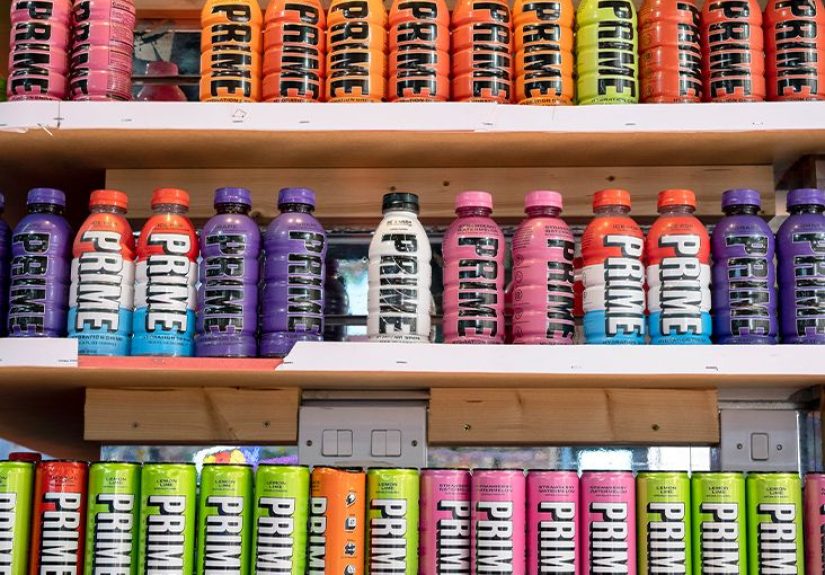
Prime Hydration is marketed as a sports drink and does not contain caffeine. Prime Energy, sold in cans, contains 200 milligrams of caffeine per 12-ounce serving. That distinction may sound simple to adults reading labels in peace. In the real world, where kids recognize colors, logos, and influencer names faster than nutrition panels, the difference can become foggy.
That fog is where the public concern lives. Critics argued that Prime Energy benefited from the youth excitement already built around the Prime brand, even though the caffeinated product says it is not recommended for children under 18, pregnant or nursing women, or people sensitive to caffeine.
Why Was the FDA Asked to Investigate Prime Energy?
Schumer’s request to the FDA was not simply about one ingredient. It raised a broader consumer-safety question: should a product with adult-level caffeine be able to ride the same youth-focused wave as a non-caffeinated hydration drink?
The concerns generally fell into four buckets: caffeine level, youth appeal, marketing clarity, and labeling. Prime Energy contains 200 milligrams of caffeine, which is half of the FDA’s commonly cited 400-milligram daily amount that is not generally associated with dangerous effects for most healthy adults. But children and teens are not smaller adults with better sneakers. Health organizations such as the American Academy of Pediatrics have warned that energy drinks are not appropriate for children and adolescents because of stimulant content.
The marketing issue was just as important. Logan Paul and KSI built enormous online audiences before Prime existed. When creators with millions of young fans launch a beverage, the product does not begin from zero. It begins with built-in attention, loyalty, memes, reaction videos, and the sort of playground buzz that no traditional soda commercial could buy without spending enough money to make an accountant weep into a spreadsheet.
The Caffeine Question: Is 200 Milligrams a Lot?
For many healthy adults, 200 milligrams of caffeine may fall within a moderate daily intake, depending on the person’s size, tolerance, medications, health conditions, and total caffeine consumed from coffee, tea, soda, chocolate, supplements, or other energy drinks. The problem is context. One can of Prime Energy does not arrive in a vacuum. It arrives in a teenager’s day that may already include an iced coffee, a cola, little sleep, stress, and a math test waiting like a tiny academic thunderstorm.
Compared with traditional soft drinks, 200 milligrams is a large amount. Compared with some high-caffeine energy drinks, it is not unusual. That is exactly why the debate became complicated. Supporters of Prime pointed out that other energy drinks contain similar or even higher caffeine levels. Critics responded that Prime’s special risk was not only the caffeine number, but the combination of caffeine, influencer culture, and strong appeal among younger consumers.
In other words, the can was not controversial just because it had caffeine. It was controversial because the brand sat at the intersection of youth fandom and adult stimulant content.
Prime Energy vs. Prime Hydration: The Branding Confusion Problem
One of the most important parts of this story is the difference between Prime Energy and Prime Hydration. Prime Hydration is packaged in bottles and is caffeine-free. Prime Energy is packaged in cans and contains caffeine. On paper, that seems clear. On a busy store shelf, under the gravitational pull of a kid saying, “Please, everyone has it,” things can get less clear.
Parents may recognize the Prime name without understanding that the product line includes both caffeinated and non-caffeinated options. A shopper grabbing a flavor quickly might assume all Prime drinks are similar. That is where labeling, packaging, and marketing clarity matter.
For food and beverage brands, product extensions are common. A company might sell regular soda, diet soda, zero-sugar soda, and energy versions under related branding. The responsibility is making sure consumers can tell the difference quickly. When the consumer base includes children who are attracted by online celebrity culture, the stakes rise.
The Role of Logan Paul and KSI
Logan Paul and KSI are not ordinary beverage endorsers. They are creators who turned online fame into real-world business power. Their audiences have followed them through YouTube videos, boxing events, podcasts, music, merchandise, and now supermarket aisles.
That influence is the engine behind Prime’s success. It is also why Prime Energy attracted scrutiny. A traditional energy drink brand may target athletes, gamers, college students, or busy adults. Prime entered the market with a fan base that included many younger viewers who had already formed emotional connections with its founders.
This does not automatically mean the company intentionally marketed Prime Energy to children. Prime has stated that the energy drink is not intended for people under 18 and that its packaging and marketing materials identify it as an energy drink. But the broader public question remains: when a brand is powered by creators popular with young people, how much extra caution should it take before selling a high-caffeine product?
Why Parents and Schools Paid Attention
Schools became an important setting for the Prime Energy debate because the brand’s popularity did not stay online. Reports described students wanting Prime, collecting bottles, reselling cans, and treating the drink like a cultural badge. In some places, schools warned families about the product or restricted it because staff were concerned that students might drink too much caffeine during the school day.
For teachers and school nurses, this is not an abstract branding debate. A student who consumes too much caffeine may feel jittery, anxious, nauseated, restless, or unable to focus. Some may experience headaches or a racing heartbeat. Add that to a classroom full of young people already powered by hormones, homework, and cafeteria pizza, and the result is not exactly a peaceful learning environment.
Parents also faced a practical challenge. Many adults do not track every influencer trend their children follow. A child may know the flavor names, limited drops, and creator backstory, while a parent is still trying to figure out whether “Prime” means Amazon shipping or a drink. This knowledge gap is exactly why clear labeling and responsible marketing matter.
What the FDA’s Role Means
The FDA does not approve every energy drink before it appears on store shelves. However, the agency can review safety concerns, labeling issues, ingredient questions, and marketing-related complaints when they affect consumer understanding or public health.
Schumer’s request asked the FDA to look at whether Prime Energy’s caffeine content and promotional environment created risks for younger consumers. The request also spotlighted a wider issue in the beverage industry: energy drinks are now marketed in a media world where entertainment, advertising, fandom, and retail all blend together.
A generation ago, a beverage campaign might have meant TV ads and athlete posters. Today, a drink can become popular through YouTube, TikTok, Instagram, podcasts, reaction channels, livestreams, and fan edits before some parents even know it exists. Regulation often moves like a careful adult crossing the street. Internet culture moves like a squirrel with Wi-Fi.
Is Prime Energy More Dangerous Than Other Energy Drinks?
It would be misleading to say Prime Energy is uniquely high in caffeine compared with every energy drink on the market. Some energy drinks contain similar amounts, and some contain more. Prime’s 200-milligram caffeine level is not an outlier at the farthest edge of the category.
However, the comparison should not end there. Public concern is not only about whether Prime Energy has more caffeine than competitors. It is about who is drawn to the brand, how easily consumers understand the difference between product lines, and whether the beverage’s popularity among young fans creates a risk of underage consumption.
In that sense, Prime Energy became the perfect example of a bigger trend: adult products using youth-shaped media channels. The product may carry an adult-oriented warning, but the culture around the brand can still reach people younger than the label intends.
What Health Experts Say About Energy Drinks and Young People
Health organizations have repeatedly advised caution around energy drinks for children and teenagers. The main concern is stimulant exposure. Caffeine can affect sleep, heart rate, blood pressure, mood, anxiety, and concentration. The effect varies from person to person, but young bodies may be more sensitive, and teens are still developing habits around sleep, nutrition, and self-regulation.
Sleep is especially important. A caffeinated drink consumed in the afternoon can still affect bedtime, and poor sleep can affect school performance, mood, sports recovery, and overall health. The irony is almost too perfect: a teen may drink caffeine to feel more alert, then sleep worse, then need more caffeine the next day. That is not a productivity hack. That is a hamster wheel wearing sunglasses.
For most kids and teens, water remains the best everyday drink. Sports drinks may have a role during prolonged, intense exercise, especially in heat, but they are often unnecessary for casual activity. Energy drinks are a different category and should not be treated like ordinary thirst-quenchers.
Prime’s Defense and the Industry Context
Prime has defended the product by saying Prime Energy is clearly labeled as an energy drink, is not made for children under 18, and contains caffeine levels comparable to other popular energy drinks. That defense matters because public debate should be accurate. A product should not be singled out unfairly if the entire category has similar caffeine practices.
At the same time, companies do not operate only inside technical comparisons. They operate in culture. If a brand’s strongest advantage is influencer appeal, especially among young fans, then warnings must be more than fine print. They need to be obvious, repeated, and easy for rushed parents and excited kids to understand.
The Prime controversy is therefore not just a Logan Paul story. It is a beverage-industry story, a social-media story, a parenting story, and a regulatory story. It asks how modern brands should behave when their marketing power comes from personalities followed by millions of young people.
What Consumers Should Learn From the Prime Energy Debate
The first lesson is simple: read the label. Prime Hydration and Prime Energy are not the same product. One is caffeine-free; the other contains 200 milligrams of caffeine. Packaging format helps too: bottles are generally associated with Prime Hydration, while cans are associated with Prime Energy. Still, shoppers should not rely on color, flavor, or logo alone.
The second lesson is that “zero sugar” does not automatically mean “ideal for kids.” A drink can be sugar-free and still contain stimulants. It can look sporty and still be inappropriate for young consumers. Health decisions require more than one front-label claim.
The third lesson is that influencer popularity changes how products are perceived. Young fans may want a drink because it feels connected to a creator, not because they understand the nutrition facts. Parents and caregivers should treat viral food and beverage trends the same way they treat viral apps: worth checking before approving.
Why This Story Still Matters
The FDA request around Prime Energy matters because it shows how consumer protection has to adapt to the creator economy. The old advertising world had clearer borders. A celebrity appeared in a commercial, the commercial ended, and the viewer moved on. Now, a creator can promote a brand across daily content, personal identity, fan communities, and retail events. The ad does not always feel like an ad. Sometimes it feels like belonging.
That is powerful. It is also risky when the product is not suitable for all members of the audience. The Prime Energy debate reminds companies that popularity with young fans brings responsibility. It reminds parents to look beyond hype. And it reminds regulators that the beverage aisle is no longer separate from the algorithm.
Personal Experiences and Practical Reflections on the Prime Energy Controversy
Anyone who has watched a school trend spread knows how fast a product can become “necessary” in the eyes of kids and teens. One week nobody cares. The next week, everyone suddenly needs the same drink, shoe, snack, water bottle, or mystery object that apparently determines one’s entire social destiny before lunch period. Prime Energy fits that pattern perfectly because it has three trend ingredients: bright packaging, famous founders, and online scarcity hype.
From a parent’s point of view, the confusing part is not only the caffeine. It is the speed of the trend. Many adults first heard about Prime from a child asking for it, not from a news article or a store display. That flips the normal information flow. Instead of the adult researching a product and introducing it to the family, the child becomes the product expert, while the adult plays catch-up with a shopping cart and mild panic.
A common real-life scenario is easy to imagine. A parent sees a colorful Prime bottle or can in a store. The child says, “That’s the one Logan Paul made.” The parent recognizes that it is popular and may assume it is just another sports drink. If the parent grabs Prime Hydration, caffeine is not the issue. If the parent accidentally grabs Prime Energy, that is a very different purchase. This is why packaging clarity matters so much. Good labeling should help even the tired shopper who has already survived work, traffic, and a child asking for snacks with the negotiating skills of a corporate attorney.
Another practical lesson is that schools often become the first places where product confusion shows up. Teachers and nurses see patterns quickly: students bringing the same drink, trading it, bragging about it, or feeling unwell after consuming caffeine. Schools are not trying to ruin fun when they warn parents. They are often responding to behavior they see before the wider public debate catches up.
For content creators and influencer-led brands, the experience should be a warning sign. A creator’s audience is not just a sales channel. It is a community with different ages, maturity levels, and health needs. When a brand sells something unsuitable for younger fans, it must communicate that clearly and repeatedly. A tiny warning is not enough when the logo itself is what kids want.
For consumers, the best habit is boring but effective: turn the can around. Look for caffeine content. Look for age warnings. Look for serving size. Ask whether the product is actually needed. Most people do not need an energy drink to do homework, play casual sports, or scroll through videos like they are training for the Olympics of thumb movement.
The Prime Energy investigation request will likely be remembered as one of the early big clashes between influencer branding and public-health expectations. It was not just about Logan Paul, KSI, or a single 12-ounce can. It was about what happens when a product becomes famous before many adults understand what it contains. In the modern market, hype can travel faster than caution. That is exactly why this conversation deserves attention.
Conclusion
The request for the FDA to investigate Logan Paul’s Prime Energy drink brought a serious question into the spotlight: how should regulators, parents, schools, and brands respond when an adult-level caffeinated beverage becomes popular with young fans?
Prime Energy’s 200 milligrams of caffeine may be comparable to other energy drinks, but its cultural position is unusual. The brand is powered by influencer fame, social-media excitement, and a fan base that includes many young people. That combination makes clear labeling and responsible marketing especially important.
The smartest takeaway is not panic. It is awareness. Prime Hydration and Prime Energy are different products. Energy drinks are not appropriate for children. Parents should read labels carefully. Brands should make warnings impossible to miss. And regulators should keep studying how influencer-driven products reach young consumers in a market where the next viral drink is always one upload away.