Table of Contents >> Show >> Hide
- What “Fab Freebie: Gettin' Jiggy With It” Really Means
- Why Pocket-Hole Jigs Became a Beginner DIY Favorite
- The Real Value of a Tool Giveaway
- What You Can Build After You Get Jiggy
- Important Safety Notes Before Starting
- How to Choose the Right Pocket-Hole Setup
- Design Tips for Shelves That Look Intentional
- Why DIY Freebies Build Community
- Common Beginner Mistakes and How to Avoid Them
- Experience Section: What Getting Jiggy With DIY Feels Like
- Conclusion
Every once in a while, the internet hands DIY lovers a little gift that feels bigger than the box it comes in. “Fab Freebie: Gettin’ Jiggy With It” is one of those cheerfully punny titles that instantly sounds like sawdust, weekend ambition, and someone holding up a tool saying, “Wait… I can actually build with this?” At its heart, the idea connects two things that home-improvement fans adore: a genuinely useful freebie and the confidence-building magic of a pocket-hole jig.
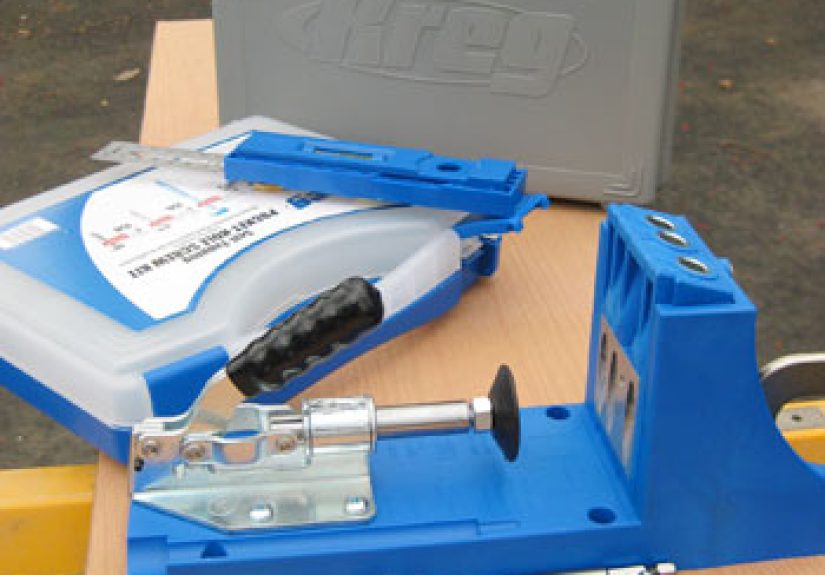
In the DIY world, a “jig” is not a dance move, although there may be dancing once your shelf does not wobble. A woodworking jig is a guide that helps you make repeatable, accurate cuts, holes, or joints. A pocket-hole jig, especially a Kreg-style jig, helps beginners drill angled holes so two pieces of wood can be joined with hidden screws. The result is cleaner, faster, and less intimidating than many traditional joinery methods. For people who dream of building shelves, benches, storage cubbies, book ledges, cabinets, or small furniture, this tool can feel like a backstage pass to the woodworking concert.
This article breaks down why a free pocket-hole jig giveaway can create such excitement, how the tool fits into beginner woodworking, and what homeowners should know before turning a “fab freebie” into a weekend project. Consider it your friendly guide to getting jiggy with practical DIYminus the splinters, panic, and dramatic trips back to the hardware store.
What “Fab Freebie: Gettin’ Jiggy With It” Really Means
The title sounds playful, but the appeal is practical. A fab freebie in this context is not just a decorative trinket or a printable coupon destined for a junk drawer. It points to a tool that can help someone build real things for the home. That distinction matters. The best DIY freebies are not merely free; they unlock a skill.
Pocket-hole tools became popular because they remove a lot of the mystery from wood joining. Instead of learning complex joinery on day one, a beginner can measure, clamp, drill, and fasten two boards together with a surprisingly sturdy result. That makes the pocket-hole jig a confidence machine disguised as a small blue tool.
The “gettin’ jiggy” phrase also works because the tool itself is a jig. It is a little joke, yes, but it also captures the feeling of discovering that woodworking does not have to begin with a giant table saw, a garage full of machines, or a mentor named Earl who speaks only in lumber grades. With a drill, the right screws, clamps, and carefully chosen boards, a beginner can start small and build up.
Why Pocket-Hole Jigs Became a Beginner DIY Favorite
A pocket-hole jig helps drill angled holes into one workpiece so a screw can pull it tightly into another. The pocket hides the screw head, and the joint can often be placed on the back, underside, or inside of a project where no one sees it. For furniture and shelving projects that will be painted, the holes can also be plugged, filled, and sanded.
Speed Without Sloppiness
Traditional woodworking joints such as dovetails, mortise-and-tenon joints, and biscuit joints all have their place. They are beautiful and often very strong, but they can require more practice, specialized tools, and patience. Pocket-hole joinery is different. It is designed for speed and consistency. That is why many DIYers use it for face frames, basic cabinet boxes, drawer boxes, bookcases, storage benches, and quick home projects.
Beginner-Friendly Accuracy
The real charm of a pocket-hole jig is that it does not ask a beginner to guess the drilling angle. The guide block handles that. Many modern systems also help users set the drill depth based on board thickness. When the setup is correct, the joint is much easier to repeat across multiple boards.
Hidden Fasteners for Cleaner Projects
Exposed screw heads can make a handmade project look rushed. Pocket holes allow screws to sit out of sight on the inside or underside of the build. That means a simple shelf, toy ledge, nightstand, or entryway organizer can look polished even if the maker is still learning.
The Real Value of a Tool Giveaway
Some giveaways are fun for five minutes. A tool giveaway can change the way someone sees their home. One day you are staring at an awkward blank wall; the next day you are measuring it like a person with plans. That shift is powerful.
A pocket-hole jig freebie is valuable because it lowers the barrier to entry. Many people are curious about woodworking but hesitate because tools add up quickly. A quality jig, screws, clamps, drill bits, safety gear, lumber, paint, and finishing supplies can turn a “simple weekend project” into a receipt long enough to qualify as modern literature. Winning or receiving a core tool makes the first project feel more reachable.
It also gives beginners permission to experiment. That first attempt might be a nursery book ledge, a bathroom shelf, a garage storage rack, or a small plant stand. The project does not need to be perfect. It needs to teach the maker how boards behave, why clamps matter, how much sanding is enough, and why measuring twice is not a cute saying but a survival strategy.
What You Can Build After You Get Jiggy
The best beginner woodworking projects are useful, forgiving, and small enough to finish before motivation evaporates. A pocket-hole jig fits beautifully into this category because it is ideal for many practical home projects.
DIY Book Ledges
Book ledges are a classic first project. They use simple boards, look charming in nurseries or playrooms, and let book covers face outward like tiny pieces of art. They can also work in kitchens for cookbooks, offices for notebooks, or entryways for mail and keys. Because the design is usually shallow, measuring and secure wall mounting matter more than complicated construction.
Floating-Inspired Shelves
True floating shelves often require a hidden bracket or cleat system, but pocket-hole joinery can help assemble shelf boxes, frames, or decorative ledges. The key is not to rely on pocket screws alone for wall support. Shelves should be mounted into studs whenever possible, and wall anchors should be chosen according to the expected load.
Small Storage Benches
A simple bench with cubbies can turn a chaotic entryway into a place where shoes stop wandering like lost pets. Pocket holes are handy for assembling the frame, dividers, and trim. Beginners should keep the design simple, square everything carefully, and use wood glue where appropriate.
Basic Cabinet and Face-Frame Projects
Pocket-hole joinery is widely used for face frames because it creates tight joints quickly. A painted bathroom cabinet, laundry-room storage unit, or garage organizer can be a good next step once someone has finished a shelf or two.
Important Safety Notes Before Starting
DIY confidence is wonderful. DIY overconfidence is how shelves become modern art on the floor. Before using any drill, saw, sander, or jig, read the manufacturer’s instructions and wear appropriate safety gear. Safety glasses are non-negotiable when drilling, sanding, or cutting because flying particles do not care how cute your project mood board is.
Clamp your workpiece securely before drilling. Loose boards can shift, ruin the joint, or cause injury. Keep long hair tied back, avoid dangling sleeves or jewelry, and work in a well-lit area. If a project requires a power saw and you are not experienced, get help from a knowledgeable adult, a local workshop, or a hardware store cutting service. A beginner project should build confidence, not become an action scene.
When mounting shelves, pay close attention to wall structure. Studs provide the strongest support. Drywall anchors can help when studs are not available, but they must be rated for the shelf and the items you plan to place on it. Heavy books, dishes, tools, and plants weigh more than people expect. A shelf holding three tiny succulents is one thing; a shelf holding a small library of hardcovers is a different beast with opinions.
How to Choose the Right Pocket-Hole Setup
Not every maker needs the most expensive jig. Beginners should think about project size, workspace, budget, and how often they expect to build. A small portable jig may be enough for occasional repairs and small shelves. A larger benchtop system may suit someone who plans to build furniture regularly.
Look for Easy Thickness Settings
Board thickness matters because the screw needs to exit one board and enter the other at the correct point. If the drill depth is wrong, the screw may poke through, sit weakly, or fail to pull the joint tight. Good jigs make thickness settings easier to understand.
Use the Right Screws
Pocket-hole screws are designed with features that ordinary screws may not have. Washer-head or pan-head screws help pull the joint together without splitting the pocket. Coarse-thread screws are often used for softer woods and plywood, while fine-thread screws may be better for hardwoods. Outdoor projects require screws with appropriate corrosion resistance.
Do Not Skip Clamps
A clamp can be the difference between a clean joint and a board that slides out of alignment at the exact moment you press the trigger. Clamping is not glamorous, but neither is explaining why your shelf has a mysterious stair-step corner.
Design Tips for Shelves That Look Intentional
A great DIY shelf is not just strong; it looks like it belongs in the room. Before cutting wood, decide what the shelf will hold. Children’s books need a front lip. Kitchen shelves may need more depth. Bathroom shelves should be sealed well against moisture. Office shelves may need a clean, minimal look that keeps visual clutter under control.
Paint can hide beginner sins better than stain. If your boards have different grain patterns, filled holes, or small imperfections, a quality primer and paint can create a cohesive finish. Stain is beautiful, but it highlights wood variation and filler mismatches. For a first pocket-hole project, painted poplar, pine, or plywood can be wonderfully forgiving.
Spacing also matters. Shelves placed too close together feel cramped; shelves placed too far apart may waste wall space. Use painter’s tape to mock up the shelf placement on the wall before drilling anything. Live with it for a few hours. If the tape already annoys you, the shelf probably will too.
Why DIY Freebies Build Community
The reason a “fab freebie” post can get people excited is not only the prize. It is the shared possibility. A giveaway comment section often becomes a mini support group for people who want to build something but have not yet started. One person dreams of shelves. Another wants a console table. Someone else has a garage full of wood scraps and no plan, which is basically the DIY version of having ingredients but no recipe.
Tool giveaways also create a bridge between inspiration and action. It is one thing to admire a finished nursery shelf online. It is another thing to realize the same kind of project might be possible in your own home. That is why practical freebies have long-lasting value: they are not just products; they are invitations.
Common Beginner Mistakes and How to Avoid Them
Forgetting to Check for Square
Even simple projects can twist out of shape if the pieces are not square. Check corners before driving the final screws. A carpenter’s square or speed square is inexpensive and extremely helpful.
Using the Wrong Screw Length
Screw length must match board thickness. Too short and the joint is weak. Too long and the screw may break through the visible face of the wood, creating a tiny metal surprise no one asked for.
Ignoring the Wall
The strongest shelf in the world is not useful if it is attached poorly. Always consider the wall material, stud location, bracket design, anchor rating, and intended weight. When in doubt, store lighter decorative items or choose a more robust mounting method.
Rushing the Finish
Sanding, priming, painting, staining, and sealing are where a project goes from “I made this in the garage” to “Yes, I casually own custom shelves.” Take your time. Let finishes dry properly. Future you will be grateful, especially when the surface does not feel like a raised eyebrow.
Experience Section: What Getting Jiggy With DIY Feels Like
The first time you use a pocket-hole jig, the process can feel oddly official. You measure the board, adjust the jig, tighten the clamp, set the drill bit, and suddenly you are no longer “messing around with wood.” You are building. That small psychological shift is one of the best parts of beginner DIY. The tool creates structure, and structure creates courage.
A common first experience is building a small shelf and being shocked at how quickly the frame comes together. The boards that looked flat and unrelated on the workbench start acting like a real object. You drive the first pocket screw, the joint pulls tight, and there is a brief moment of silence where your brain says, “Hold on. Did I just make furniture?” Technically, it may be a very small shelf. Emotionally, it is a cathedral.
Of course, the learning curve still has comedy. Maybe the first pocket hole faces the wrong direction. Maybe a board is cut one-quarter inch short because the tape measure was read with too much optimism. Maybe the project sits half-painted on a table while everyone in the house respectfully pretends not to notice. These moments are normal. DIY is not about never making mistakes; it is about making mistakes that can be sanded, filled, repainted, or lovingly hidden behind a plant.
The most satisfying part often comes after installation. A handmade shelf changes how you look at a room because you know what went into it. You remember finding the studs, leveling the bracket, touching up the paint, and stepping back to see the wall finally doing something useful. Store-bought shelves can be beautiful, but handmade shelves carry a quiet little story.
There is also a ripple effect. One project tends to create three more. After a book ledge, you may notice the laundry room needs storage. After storage, the entryway needs hooks. After hooks, the garage needs a workbench. At some point, your family may hear you say, “I could build that,” and respond with the cautious silence usually reserved for people adopting another pet.
That is the real joy behind “Fab Freebie: Gettin’ Jiggy With It.” The freebie is the spark, but the experience is the fire. A pocket-hole jig teaches more than joinery. It teaches planning, patience, measuring, safety, problem-solving, and the underrated art of laughing when things go sideways. It turns a wall, a board, and a Saturday afternoon into proof that useful creativity is not reserved for professionals. Sometimes, it starts with one tool, one pun, and one brave little shelf.
Conclusion
“Fab Freebie: Gettin’ Jiggy With It” is more than a catchy title. It captures the excitement of discovering a tool that makes DIY woodworking feel possible. A pocket-hole jig can help beginners build cleaner joints, stronger small projects, and enough confidence to try the next idea. Whether you are dreaming of nursery book ledges, floating-style shelves, entryway storage, or your first painted cabinet, the lesson is the same: start small, work safely, measure carefully, and let the project teach you.
The best freebies are not just free things. They are doorways. A good tool can turn curiosity into skill, and skill into a home filled with personal touches. So yes, get jiggy with itbut clamp the board first.