Table of Contents >> Show >> Hide
- What Is the Everyday Napkins Classic Collection?
- Why the Smaller Size Is a Big Deal
- Materials and Colorways: Linen, Blends, and the “Classic” Look
- How the Classic Collection Stacks Up Against Other “Everyday” Napkins
- How to Style the Classic Collection Without Overthinking It
- Cloth vs. Paper: The Honest Everyday Breakdown
- Care and Keeping: How to Make Classic Napkins Last
- How Many Napkins Do You Actually Need?
- Everyday Napkins Classic Collection in Real Life: Where It Shines
- of “Been There” Experiences With the Classic Collection
- Conclusion: Classic, Practical, and Actually Doable
- SEO Tags
If you’ve ever tried to wipe barbecue sauce with a paper napkin that immediately becomes papier-mâché, you already know the truth: napkins matter. The Everyday Napkins Classic Collection sits in that sweet spot where practical meets polishedso “everyday” doesn’t have to mean “meh.”
Below you’ll find what the Classic Collection is, why its smaller sizing is oddly genius, how to style it without turning dinner into a photoshoot, and how to keep linen (and linen blends) looking good after a week of pasta nights.
What Is the Everyday Napkins Classic Collection?
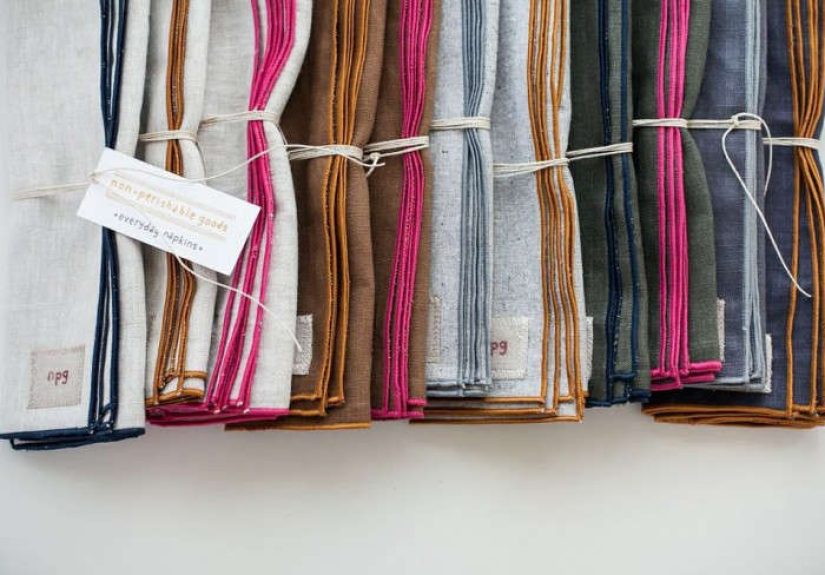
The Classic Collection is a reusable cloth napkin set built for real-life meals: breakfast at the counter, weeknight dinners, and casual hosting. One widely referenced version comes as a set of six in a deliberately smaller size (about 11" x 11"), designed to feel easymore “grab-and-go” than “formal dining exam.”
It’s called “classic” because the vibe is timeless: simple construction, mix-and-match tones, and fabrics that look better as they soften. In other words, you don’t need a themed tablescape. You need napkins that do their job and still look like they belong on a table.
Why the Smaller Size Is a Big Deal
Oversized cloth napkins are lovely, but they can be bulky, laundry-heavy, and a little intimidating. The Classic Collection’s everyday sizing is the quiet MVP: useful without being fussy.
What you’ll notice right away
- Faster laundry cycles: Smaller napkins wash and dry quicker (and take up less space in the hamper).
- Everyone actually uses them: Kids, guests, and “I’m just having toast” humans tend to reach for what feels simple.
- Easy folding: A compact square still looks tidy with basic foldsno origami required.
Materials and Colorways: Linen, Blends, and the “Classic” Look
Most “classic” collections lean into linen napkins because linen (from flax) is durable, naturally textured, and relaxed-elegant. You’ll also see eco-minded blendslike recycled cotton/hempespecially in tweedy or heathered looks that hide stains like they’re under witness protection. And if you’re wondering about wrinkles: cotton is typically more forgiving than linen, while linen leans into that “lived-in” texture.
Common fabric options
- 100% linen: Textured, breathable, and long-wearing. It wrinkles, but the wrinkles read “charming” more often than “chaos.”
- Cotton and cotton blends: Softer, often more wrinkle-friendly, and great for first-time cloth-napkin converts.
- Recycled blends (cotton/hemp, etc.): Typically hearty and practical, with a sustainability story baked in.
How to choose without spiraling
Want the relaxed “cool restaurant” look? Go linen. Want easy-care confidence? Cotton or a blend is your best friend. Worried about stains? Pick mid-tone or textured colorways (denim, fog, tweed-like weaves) and call it a day.
How the Classic Collection Stacks Up Against Other “Everyday” Napkins
“Everyday napkin” can mean wildly different things depending on where you’re shopping. The Everyday Napkins Classic Collection is firmly in the cloth campand even there, it has a specific point of view: smaller, simpler, and meant to be used on repeat. One Classic Collection set featured by design retailers is sold as six napkins at roughly 11" x 11", with the label appearing on only the first napkin. Several colorways are 100% linen (including earthy neutrals), while a tweed option uses a recycled cotton/hemp blend. That line is designed by Non-Perishable Goods and sewn by Spooltown in Portland, Oregon.
Compare that to larger linen “everyday” setssome popular brands sell 18" x 18" napkins made from European flax and finished for softness. Those feel a little more “dinner party,” even when used on a Tuesday. On the disposable side, “everyday napkins” often refers to 2-ply paper with an embossed pattern meant to feel cloth-like. Convenient? Yes. Reusable? Not so much. The Classic Collection’s niche is clear: it’s the cloth set that doesn’t ask you to become a formal hostit just asks you to eat dinner like you live there.
How to Style the Classic Collection Without Overthinking It
The best styling rule is delightfully boring: repeat a color and stop there. Classic palettesnatural neutrals and soft, moody shadeswork with everyday dinnerware and “nice” dinnerware equally well.
Three low-effort setups
- Weeknight bowls: Fold the napkin once and place the bowl on top. Suddenly takeout looks intentional.
- Snack/party station: Stack napkins by drinks so guests can grab one without hunting through drawers.
- Simple place setting: Place the napkin to the left of the fork or on the plateclassic, intuitive, done.
Two 10-second folds
- The rectangle tuck: Fold into thirds and lay across the plate.
- The cutlery wrap: Fold into quarters and slide utensils inside for a tidy “we planned this” vibe.
Cloth vs. Paper: The Honest Everyday Breakdown
Paper napkins are convenientand they’re why your trash can always looks like it’s having a busy season. In the U.S., paper and paperboard make up a large share of municipal solid waste by weight, which is one reason reusable options (napkins, towels, rags) keep trending in home guides.
But cloth isn’t automatically perfect. Linen and cotton need water and energy to wash. The “best” choice is the one you’ll use consistentlybecause the most sustainable napkin is the one that doesn’t live untouched in a drawer.
When cloth is the easy win
- You eat at home often and want a lower-waste routine.
- You like a table that feels welcoming (even when dinner is cereal).
- You can toss napkins into your normal laundry rhythm.
When paper still makes sense
- Big, messy gatherings (ribs, wings, frosting events).
- Quick cleanup after handling raw meat or eggs.
- Picnics, travel, and truly chaotic weeks.
Care and Keeping: How to Make Classic Napkins Last
Cloth napkins are low-maintenance if you keep the routine simple. Here’s a method that works for most linen and cotton sets (always check your care label if you have one):
1) Pre-treat fast (especially grease)
For oily spots, rub a little dish soap into the stain before washing. For tomato-based stains, a quick rinse and a gentle pre-treat helps. Avoid drying stained napkins until you’re sure the stain is goneheat can lock it in.
2) Wash gently to protect fibers
A gentle cycle with cold or lukewarm water helps reduce friction on linen fibers and can minimize wrinkles. Use a mild detergent and avoid overcrowding the machine. Separate lights and darks if dyes might run.
3) Dry like you mean it
Low heat or line drying keeps linen happier. If you tumble dry, pull napkins out promptly and smooth them with your hands. Folding while they’re still warm is the lazy person’s ironingand yes, that’s a compliment.
How Many Napkins Do You Actually Need?
Enough to avoid “all napkins are in the hamper” week. A practical rule of thumb from home and cooking editors is to aim for about three napkins per household member if you don’t want to wash daily. If you do wash after each use, more sets keep the routine painless.
A simple way to build your Classic Collection stash
- Start with a set of six: Perfect for a small household or casual hosting.
- Add by behavior, not fantasy: If laundry is weekly, buy more. If laundry is frequent, you can buy less.
- Mix neutrals: Classic tones let you expand over time without your drawer turning into a color crisis.
Everyday Napkins Classic Collection in Real Life: Where It Shines
The best compliment an everyday product can get is that you stop noticing itbecause it’s just quietly doing its job. The Classic Collection shines in the meals that aren’t trying to be special: stir-fry nights, coffee-and-toast mornings, and the “we should probably sit at the table today” dinners.
of “Been There” Experiences With the Classic Collection
I can’t claim a personal kitchen drawer full of napkins (I’m software, not a roommate), but I can share the kinds of experiences households commonly report after switching to an everyday cloth set like the Everyday Napkins Classic Collection. Think of these as field notes: the good, the slightly chaotic, and the “why didn’t we do this sooner?” moments.
The Monday-night taco test
Week one often begins with tacos. That’s not a stereotypeit’s a tradition. A smaller cloth napkin surprises people here: it’s not huge, but it’s absorbent enough for salsa, guac, and the inevitable “oops” bite that misses your mouth by a millimeter. The first win is psychologicalbecause the napkin feels nice, the meal feels nicer. Even if you’re eating standing up, arguing with yourself about whether shredded cheese counts as protein.
The kid factor (a.k.a. the stain Olympics)
Parents tend to notice two things fast: (1) kids love having “their” napkin, and (2) darker, textured colorways are basically a parenting hack. Denim tones hide a lot. Tweedy textures hide more. A simple systemnapkins in a basket, toss into a small hamper after dinnerkeeps it from feeling like an extra chore. If one napkin gets a permanent spaghetti tattoo, congratulations: you now own an authentic everyday napkin.
The “unexpected guest” glow-up
Someone stops by. You offer snacks. Suddenly you’re hosting. This is where classic linens do their best work: put out cloth napkins and everything looks intentional. People read it as care, even if the care was “I had these folded already.” A small stack near drinks quietly replaces the frantic search for paper towels.
The laundry learning curve
The first couple of washes are where many folks either fall in love or panic. Linen wrinkles. Cotton can shrink a touch. Someone dries the napkins on high heat once and declares, “They’re ruined!” (They’re not. They’re just… very committed to their new shape.) The people who stick with it adopt a low-drama method: gentle wash, prompt dry, quick hand-smooth, fold warm. No ironing marathons. No existential dread.
The picnic & road-trip upgrade
Here’s a curveball: lots of people start using the Classic Collection outside the house. A couple of cloth napkins in a tote makes drive-thru feel less like a car interior experiment, and they’re sturdier than paper for messy sandwiches. Keep a zip bag for used napkins, wash when you get home, repeat. It’s the kind of small habit that makes you feel suspiciously put-togetherlike you remembered sunscreen and your password.
The long-game payoff
After a month, the habit becomes automatic. The table looks calmer. Your paper napkin stash lasts forever because you’re not burning through it daily. And once cloth napkins become normal, many people notice they also reach for reusable towels more often for small messes. The napkins don’t just catch crumbsthey quietly change the vibe.
Conclusion: Classic, Practical, and Actually Doable
The Everyday Napkins Classic Collection works because it respects reality. It’s not trying to turn Tuesday into a formal banquet. It’s trying to make everyday meals feel a little more consideredwith smart sizing, timeless tones, and materials that hold up when life (and marinara) happens.
If you want one small upgrade with outsized impact, start with a classic palette, buy enough for your routine, and treat stains early. The rest is just dinnerpreferably with fewer paper shreds stuck to your fingers.