Table of Contents >> Show >> Hide
- What Is Esophageal Thrush?
- Who Is Most at Risk?
- Common Symptoms of Esophageal Thrush
- How Doctors Diagnose Esophageal Candidiasis
- Treatment for Esophageal Thrush
- What Can You Eat While Recovering?
- Possible Complications
- How to Lower Your Risk
- When to See a Doctor
- What the Experience Often Feels Like: A Longer, Real-World Look
- Conclusion
Esophageal thrush sounds like the name of an indie band, but unfortunately it is a real medical condition. The more clinical name is esophageal candidiasis or Candida esophagitis. It happens when Candida yeast, most often Candida albicans, grows out of balance and infects the lining of the esophagus, the tube that carries food from your mouth to your stomach.
In healthy people, tiny amounts of Candida can live in the body without causing trouble. But when the immune system is weakened, the balance of normal microbes is disrupted, or certain medicines tilt the playing field, that quiet passenger can become a noisy problem. The result may be painful swallowing, difficulty swallowing, chest discomfort, and the unpleasant feeling that every bite suddenly has opinions.
The good news is that esophageal thrush is usually treatable. The even better news is that recognizing the symptoms early can help you get relief faster and lower the risk of complications. Here is what to know about the risks, symptoms, diagnosis, treatment, and what recovery often feels like in real life.
What Is Esophageal Thrush?
Esophageal thrush is a fungal infection in the esophagus. It is considered a type of candidiasis, which is a yeast infection caused by Candida species. Many people first hear about thrush in relation to white patches in the mouth, but the infection can also extend into the esophagus. When that happens, swallowing can become painful, meals can become stressful, and even drinking water may feel more dramatic than it has any right to.
This condition is not the same as acid reflux, although the symptoms can overlap. Reflux usually irritates the esophagus with stomach acid. Esophageal thrush, by contrast, is an infection. That difference matters because the treatment is different too. Antacids may calm reflux, but they do not treat a Candida infection in the esophagus.
Who Is Most at Risk?
Esophageal candidiasis is uncommon in healthy adults. It is far more likely to develop when the body has trouble controlling yeast growth. Several risk factors for esophageal thrush show up again and again.
Weakened Immune Function
People with HIV, especially when the infection is not well controlled, have a higher risk of Candida infections in the mouth, throat, and esophagus. The same is true for people receiving chemotherapy, people with blood cancers such as leukemia or lymphoma, organ transplant recipients, and others taking medicines that suppress the immune system.
Diabetes
Diabetes can make fungal infections more likely, especially when blood sugar is not well controlled. Higher sugar levels can help yeast grow more easily, and immune defenses may not work as efficiently. That does not mean every sore throat is Candida, but it does mean diabetes belongs on the risk list.
Antibiotics and Steroids
Broad-spectrum antibiotics can wipe out some of the helpful bacteria that normally keep yeast in check. Steroids can also increase risk. This includes oral steroids, injected steroids, and even inhaled corticosteroids used for asthma or COPD. If someone uses an inhaler and does not rinse their mouth afterward, Candida may get more room to multiply.
Cancer Treatment, Malnutrition, and Serious Illness
Radiation therapy involving the head and neck, poor nutrition, prolonged hospitalization, and other serious medical conditions can also make Candida overgrowth more likely. In some cases, several risk factors pile on at once, which is the microbial equivalent of leaving the front door open and then asking why the yeast walked in.
Common Symptoms of Esophageal Thrush
The hallmark symptoms of Candida esophagitis usually involve swallowing. But the exact experience varies from person to person.
- Painful swallowing (odynophagia)
- Difficulty swallowing (dysphagia)
- A feeling that food is sticking in the throat or chest
- Chest pain or discomfort behind the breastbone
- Heartburn-like symptoms
- Nausea or vomiting
- Oral thrush, including white patches in the mouth or tongue
- Reduced appetite because eating hurts
Not everyone will have obvious mouth symptoms. Some people have oral thrush and esophageal symptoms together, while others mainly notice pain when swallowing. In more severe cases, eating becomes difficult enough that people begin avoiding food and fluids, which can lead to weight loss or dehydration.
How Doctors Diagnose Esophageal Candidiasis
Diagnosis usually starts with the story your symptoms tell. A clinician will ask about swallowing pain, trouble eating, oral thrush, medications, and medical conditions that weaken immunity. If the picture fits, esophageal candidiasis diagnosis often involves one of two paths.
Upper Endoscopy
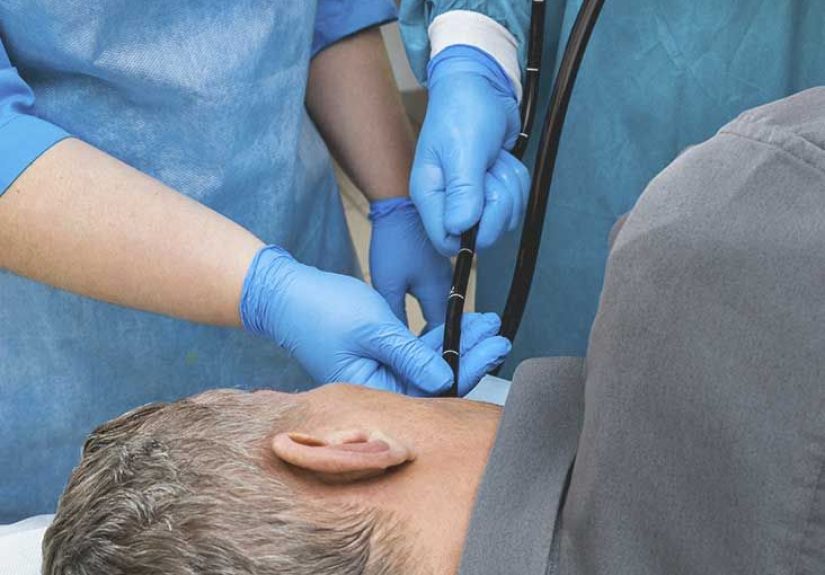
The most direct way to diagnose esophageal thrush is with an upper endoscopy. During this procedure, a thin camera is passed down the throat so the clinician can look at the esophagus. Candida infection often appears as white or yellow-white plaques stuck to the lining. If needed, tissue or brushing samples can be taken for confirmation.
Empiric Antifungal Treatment
In some higher-risk patients with classic symptoms, a clinician may start antifungal therapy first and see whether symptoms improve. If they do, that response can support the diagnosis. If symptoms do not improve, further testing is usually needed to look for other causes such as reflux esophagitis, pill-induced injury, viral esophagitis, or another swallowing disorder.
Treatment for Esophageal Thrush
The main treatment is not a mouthwash, not a lozenge, and definitely not a random internet cleanse. Because the infection is in the esophagus, systemic antifungal medication is typically required.
Fluconazole Is Usually First-Line
The most common treatment is fluconazole for esophageal candidiasis. For many adults, treatment lasts about 14 to 21 days. Doctors may adjust the exact dose and form based on age, kidney function, medication interactions, severity of symptoms, and underlying health conditions. Many people start feeling better within days, but finishing the full course is important to reduce the chance of relapse or incomplete treatment.
Other Antifungal Options
If fluconazole is not appropriate, is not tolerated, or the infection is resistant, clinicians may use other treatments such as itraconazole, voriconazole, echinocandins, or amphotericin B in select cases. Patients with recurrent disease or major immune suppression sometimes need closer follow-up or longer-term management plans.
Treat the Underlying Risk Factor Too
Successful treatment is not only about killing yeast. It is also about asking why the yeast got the upper hand in the first place. A complete treatment plan may include:
- Improving blood sugar control in diabetes
- Reviewing recent antibiotic use
- Rinsing the mouth after inhaled steroid use
- Adjusting immunosuppressive medicines when medically appropriate
- Evaluating for HIV or other causes of immune weakness when the presentation is unexplained
- Supporting nutrition and hydration while swallowing improves
What Can You Eat While Recovering?
When swallowing hurts, people often need a temporary strategy rather than a perfect menu. Soft, bland foods tend to be easier to tolerate while the esophagus heals. Think yogurt, oatmeal, mashed potatoes, soups that are not too hot, smoothies, applesauce, scrambled eggs, and soft noodles.
It often helps to avoid foods that can sting or scrape, such as:
- Very spicy foods
- Citrus-heavy foods and drinks if they burn
- Alcohol
- Crunchy chips, crusty bread, or other rough textures
- Very hot beverages
Hydration matters too. Small sips throughout the day may be easier than trying to gulp a full glass of water when every swallow feels like a negotiation.
Possible Complications
Most cases improve with proper treatment, but untreated esophageal thrush can cause bigger problems. Severe inflammation may lead to ulceration, bleeding, narrowing of the esophagus, weight loss, malnutrition, or infection spreading beyond the esophagus in vulnerable patients. Complications are more likely in people who are significantly immunocompromised or whose symptoms go unrecognized for too long.
That is why new swallowing pain, worsening symptoms, inability to eat or drink, vomiting, fever, or signs of dehydration should not be brushed off as “probably just heartburn.” The esophagus deserves better public relations than that.
How to Lower Your Risk
You cannot prevent every case of esophageal candidiasis, but you can reduce the odds in some situations.
- Use antibiotics and corticosteroids only as prescribed
- Rinse your mouth or brush your teeth after inhaled steroid use
- Practice good oral hygiene
- Manage chronic conditions such as diabetes
- Seek care for oral thrush before symptoms spread
- Stay on prescribed treatment for underlying immune-related conditions
- Tell a clinician promptly if swallowing becomes painful
When to See a Doctor
Contact a healthcare professional if you have pain when swallowing, food seems to stick, you suddenly develop trouble swallowing, or you notice oral thrush plus chest or throat symptoms. Prompt evaluation is especially important if you have HIV, cancer, diabetes, recent chemotherapy, recent antibiotic use, or take steroids or other immune-suppressing medicines.
Seek urgent medical attention for severe chest pain, vomiting blood, inability to swallow liquids, fainting, or signs of dehydration. These symptoms can point to complications or to another serious condition that should not wait.
What the Experience Often Feels Like: A Longer, Real-World Look
For many people, esophageal thrush does not announce itself with flashing lights. It sneaks in. A meal that felt normal last week suddenly feels scratchy. Water starts to sting going down. Then comes that oddly specific sensation people often describe: “It feels like food is getting stuck right behind my breastbone.” That description shows up so often because it captures the experience well. It is not always dramatic pain at first. Sometimes it is more like a sharp reminder with every swallow that something is wrong.
In real life, people often spend a few days guessing wrong. They blame reflux, a cold, a rough piece of toast, allergies, spicy takeout, or stress. That is understandable. Esophageal symptoms can overlap, and few people wake up thinking, “Today seems like a fungal infection kind of day.” But when symptoms keep getting worse, the pattern becomes harder to ignore. Soft foods start replacing regular meals. Coffee feels harsher than usual. Even swallowing saliva may become uncomfortable.
For someone with oral thrush at the same time, the clues can line up more clearly. White patches in the mouth, a cottony feeling, altered taste, and pain that tracks down into the chest make the picture more suspicious for Candida. For others, there may be no mouth symptoms at all, which can delay care. That is one reason esophageal thrush can feel confusing. The problem is in the swallowing tube, but the symptoms may masquerade as heartburn, medication irritation, or a stubborn sore throat.
Once treatment starts, people often notice improvement step by step rather than all at once. The first win may be that water hurts less. Then softer foods go down more comfortably. Appetite starts to return because eating no longer feels like a choreographed act of bravery. Many describe real relief not just from reduced pain, but from finally having an explanation. When swallowing is painful, daily life shrinks fast. Meals become stressful, social eating gets awkward, and energy drops when nutrition slips. So even partial improvement can feel huge.
Recovery also has a practical side. People frequently learn small habits that matter more than expected: rinse after using inhaled steroids, finish the full antifungal course, keep up with oral care, drink enough fluids, and follow up if symptoms do not clear. Those steps are not glamorous, but neither is a repeat infection. In patients with underlying conditions such as diabetes, cancer treatment, or HIV, the experience may also prompt a larger conversation about immune health and prevention. In that sense, esophageal thrush is sometimes more than a one-time infection. It can be a signal that the body needs a closer look and a smarter long-term plan.
The bottom line from real-world experience is simple: people tend to do better when they recognize the pattern early and act on it. Persistent swallowing pain is not something to tough out for weeks. The earlier the diagnosis, the sooner meals stop feeling like a contact sport.
Conclusion
Esophageal thrush is a treatable fungal infection, but it should not be ignored. It tends to affect people with weakened immunity, diabetes, recent antibiotic exposure, steroid use, or other medical stressors. The biggest clues are pain when swallowing, difficulty swallowing, chest discomfort, and sometimes oral thrush. Diagnosis may involve an upper endoscopy or a clinician-guided trial of antifungal therapy, and treatment usually centers on oral fluconazole for 14 to 21 days.
If there is one takeaway worth underlining, it is this: swallowing should not hurt on a regular basis. When it does, your body is sending a message. Listen to it early, get evaluated, and let modern antifungals do the heavy lifting.