Table of Contents >> Show >> Hide
- Why This Satay Works (Even on a Tuesday)
- Ingredients You’ll Need
- Step-by-Step: Easy Thai Chicken Satay
- Peanut Sauce: Creamy, Spicy, Tangy (a.k.a. The Reason People Lick the Bowl)
- Serving Ideas (Beyond “Dip and Pray”)
- Make-Ahead, Storage, and Smart Food Safety
- Variations and Swaps (Because Life Is About Options)
- FAQ
- Conclusion
- Personal Kitchen Notes: Real Satay Experiences (So You Don’t Repeat My Mistakes)
- SEO Tags
Chicken on a stick is already a top-tier life choice. Add a Thai-style marinade that tastes like it has
a passport stamp collection, plus a creamy peanut sauce that you’ll “accidentally” eat with a spoon,
and you’ve got the kind of dinner that makes weeknights feel suspiciously glamorous.
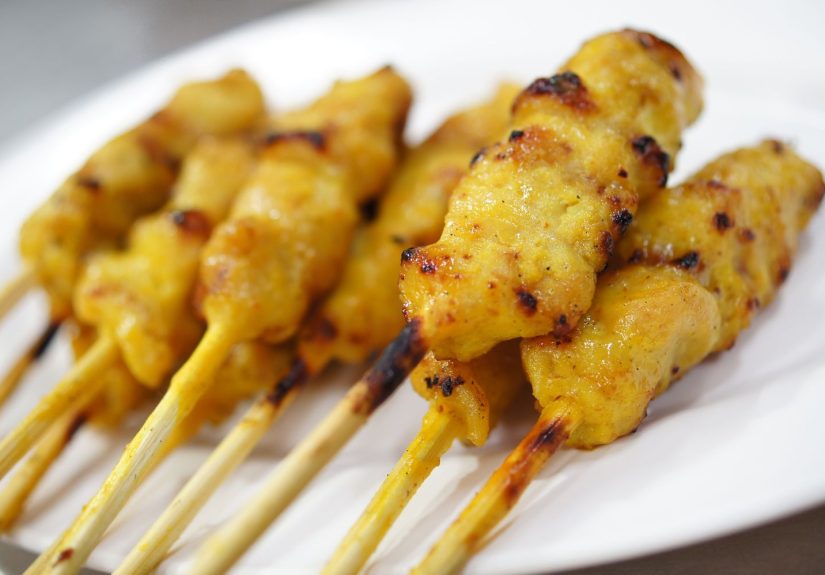
This is an easy Thai chicken satay with peanut sauce recipe designed for real kitchens:
no special grills required, no obscure ingredients that live in the “international aisle witness protection program.”
You can cook the skewers on a grill, under the broiler, or in the oven. The result: juicy, lightly charred
grilled chicken skewers with a punchy, nutty dip that hits sweet, salty, tangy, and spicy all at once.
Why This Satay Works (Even on a Tuesday)
Satay can be “meh” when the chicken is dry or the sauce tastes like warmed peanut butter with trust issues.
The winning combo is simple:
- Thin, even pieces cook fast and stay tender.
- Coconut milk (or a close cousin) helps the marinade cling and promotes browning.
- Aromatic boosters like garlic, ginger, turmeric, and lemongrass (optional) make the flavor pop.
- A balanced peanut sauce needs acidity (lime/tamarind), salt (fish sauce/soy), and just enough sweetness.
- High heat + short cook gives char without turning chicken into edible shoelaces.
Ingredients You’ll Need
For the chicken satay marinade
- 1 1/2 pounds boneless, skinless chicken thighs (recommended) or chicken breast
- 1/2 cup coconut milk (full-fat for best flavor)
- 2 tablespoons fish sauce (or use low-sodium soy sauce if preferred)
- 1 tablespoon brown sugar (or palm sugar if you have it)
- 1 tablespoon lime juice
- 2 cloves garlic, finely grated or minced
- 1 tablespoon grated fresh ginger
- 1 teaspoon ground turmeric
- 1 teaspoon ground coriander
- 1/2 teaspoon curry powder (optional but helpful for a pantry-friendly “Thai-ish” shortcut)
- 1 teaspoon neutral oil (canola/avocado) if using chicken breast
- Optional, but fantastic: 1 tablespoon minced lemongrass (fresh or paste)
For the peanut sauce
- 1/2 cup creamy peanut butter
- 1/3 to 1/2 cup coconut milk (start smaller; add more to thin)
- 1 to 2 tablespoons Thai red curry paste (adjust heat)
- 1 tablespoon lime juice (plus more to taste)
- 1 tablespoon fish sauce (or soy sauce)
- 1 to 2 tablespoons brown sugar or honey
- 1 small clove garlic, finely grated
- Warm water, as needed to loosen
- Optional “restaurant vibe” boosters: 1 teaspoon tamarind concentrate, a splash of rice vinegar, chili flakes
For serving (optional, but your future self will thank you)
- Jasmine rice or coconut rice
- Quick cucumber salad: sliced cucumber + red onion + rice vinegar + pinch sugar + pinch salt
- Fresh cilantro, crushed peanuts, lime wedges
Step-by-Step: Easy Thai Chicken Satay
1) Soak the skewers (if using bamboo)
If you’re using bamboo skewers, soak them in water while you prep everything else. This helps prevent
the ends from turning into tiny torches. Metal skewers? Congratulations, you’re already winning.
2) Slice the chicken for fast, even cooking
For thighs: slice into long strips about 1-inch wide. For breasts: slice into thinner strips (about 3/4-inch)
so they cook quickly without drying out. The goal is consistent thickness so every skewer finishes at the same time
(and you don’t end up with a “rare-to-well-done sampler pack”).
3) Mix the marinade
In a bowl, whisk together coconut milk, fish sauce, brown sugar, lime juice, garlic, ginger, turmeric, coriander,
and any optional add-ins (lemongrass, curry powder). Taste it. It should be salty-sweet with a bright edge.
If it tastes bland now, it won’t magically become exciting lateradjust before adding chicken.
4) Marinate (short is good, longer is better)
Toss chicken in the marinade until coated. Cover and refrigerate for at least 30 minutes. If you have time,
go 2–8 hours for deeper flavor. Overnight can work tooespecially for thighsbut if you’re using breast,
aim for the shorter end for best texture.
5) Skewer like a pro (without overthinking it)
Thread chicken onto skewers in a ribbon-like pattern (folding the strip back and forth) so it stays put and
presents more surface area to heat. Leave a little space at the ends for easy flipping and eating.
6) Cook the skewers: grill, broil, or oven
Option A: Grill (best char, best bragging rights)
- Preheat grill to medium-high and oil the grates.
- Grill skewers 2–4 minutes per side, depending on thickness, until lightly charred and cooked through.
- Rest 2–3 minutes before serving (yes, even stick-food deserves a break).
Option B: Broiler (apartment-friendly and shockingly good)
- Line a sheet pan with foil and set a rack on top if you have one.
- Broil 4–6 inches from the heat, flipping once, about 6–10 minutes total.
- Watch closely: broilers don’t “cook,” they “negotiate.”
Option C: Oven (hands-off, party-friendly)
- Bake at 425°F for about 12–16 minutes, flipping halfway, then broil 1–2 minutes for color.
- This method is great when you’re making a lot of skewers and don’t want to babysit a grill.
Don’t guess doneness. Use a thermometer if you can: chicken is safest when cooked to
165°F internal temperature at the thickest point. If you don’t have a thermometer, cut into the thickest piece:
it should be opaque, juices should run clear, and the texture should feel firm but not rubbery.
Peanut Sauce: Creamy, Spicy, Tangy (a.k.a. The Reason People Lick the Bowl)
Stovetop method (smooth, fast, and forgiving)
- In a small saucepan over low heat, whisk coconut milk and red curry paste until combined.
- Add peanut butter, fish sauce (or soy), brown sugar, lime juice, and garlic. Whisk until smooth.
- Adjust texture with warm water, 1 tablespoon at a time, until it’s dip-able but not runny.
- Taste and tweak: more lime for brightness, more sugar to round it out, more curry paste for heat.
No-cook shortcut (when you want satay now)
In a bowl, whisk peanut butter with a few spoonfuls of coconut milk, then add curry paste, lime juice,
soy/fish sauce, and a little sugar. Thin with warm water. It’s not “less authentic,” it’s “efficient.”
Your schedule is valid.
How to fix common peanut-sauce problems
- Too thick: Warm water (or extra coconut milk) a tablespoon at a time.
- Too thin: More peanut butter, or simmer a few minutes to reduce.
- Too spicy: Add more coconut milk + a touch of sugar.
- Missing something: Usually it’s acid. Add a little more lime (or tamarind if using).
Serving Ideas (Beyond “Dip and Pray”)
Chicken satay skewers are famously snackable, but you can turn them into a full meal without breaking a sweat:
- Classic plate: skewers + jasmine rice + cucumber salad + extra sauce.
- Lettuce wraps: tuck chicken into butter lettuce with herbs and a drizzle of peanut sauce.
- Satay bowl: rice, sliced skewers, shredded carrots, cucumbers, cilantro, crushed peanuts.
- Party mode: make mini skewers and serve sauce in a big bowl (spoons will mysteriously appear).
Make-Ahead, Storage, and Smart Food Safety
- Marinate ahead: prep chicken and marinade in the morning; grill at night.
- Peanut sauce keeps well: store airtight in the fridge and loosen with warm water when serving.
- Don’t reuse marinade: if it touched raw chicken, it’s done. Make extra separately if you want a basting sauce.
- Leftovers: pull chicken off skewers and use in salads, wraps, or fried rice. Satay leftovers are basically meal prep with swagger.
Variations and Swaps (Because Life Is About Options)
Chicken thighs vs. chicken breast
Thighs stay juicy and are harder to overcookgreat for beginners and distracted cooks (hi, it’s me too).
Breast can be excellent if sliced thin and cooked quickly.
Gluten-free
Use tamari instead of soy sauce and check that your curry paste is gluten-free (some brands add thickeners).
Nut-free “peanut” sauce
Swap peanut butter for sunflower seed butter. Keep the lime, curry paste, and soy/fish saucethose carry the Thai flavor profile.
Add a pinch more sugar if needed to round out the bitterness some seed butters have.
Air fryer method
If your air fryer is your kitchen’s emotional-support appliance, you can use it here:
cook skewers at around 400°F, flipping once, until cooked through and lightly browned.
(Cook times vary by model and skewer thicknessstart checking early.)
FAQ
Is chicken satay Thai or Indonesian?
Satay (or sate) is found across Southeast Asia, with many regional styles. Thai versions often lean into coconut milk,
curry paste, and a bright, spicy peanut sauce.
Do I need lemongrass?
It’s a flavor upgrade, not a requirement. If you don’t have it, use extra lime zest and ginger for that fresh aromatic lift.
Can I make peanut sauce without coconut milk?
Yes. Use warm water to loosen peanut butter, then build flavor with curry paste, lime, soy/fish sauce, and a little sweetener.
Coconut milk adds richness, but your sauce won’t file a complaint if you skip it.
How do I keep satay from drying out?
Slice evenly, cook hot and fast, and pull it as soon as it’s done. Thighs help too. Overcooking is the #1 satay tragedy.
What goes with Thai chicken satay?
Jasmine rice, cucumber salad, pickled veggies, a simple slaw, or even noodles. Basically anything that can carry extra peanut sauce is invited.
Conclusion
This easy Thai chicken satay with peanut sauce recipe is the sweet spot between “authentic flavors”
and “I’m not running a restaurant tonight.” You get juicy, flavorful skewers with a sauce that’s creamy, bold,
and completely snack-licensed. Make it for a weeknight dinner, a game-day platter, or whenever you want
your kitchen to smell like a vacation you can actually afford.
Personal Kitchen Notes: Real Satay Experiences (So You Don’t Repeat My Mistakes)
The first time I made chicken satay at home, I treated it like a regular kebab situation: chunky cubes, low heat,
and a casual attitude. Reader, the chicken turned into polite, slightly sweet rubber. Not “inedible,” but the kind of
food that makes you stare into the middle distance and wonder if delivery is a personality trait.
Here’s what changed everything: I stopped fighting the physics. Satay is meant to cook fast. Thin strips mean more
surface area, more caramelization, and less time for the chicken to dry out. Once I started slicing the chicken evenly
(and yes, I now actually look at thickness instead of vibing), the skewers cooked in minutes and stayed juicy.
It’s the difference between “party appetizer” and “sad yard-sale chicken.”
Next lesson: don’t skip the “boring” step of soaking bamboo skewers. I once ignored that advice because I thought,
“How bad could it be?” Answer: dramatic. Halfway through cooking, the skewer tips started smoking like they were
auditioning for a barbecue competition. The chicken was fine, but the smell was… campfire-adjacent. Now I soak them
as soon as I enter the kitchenbefore I even open the fridge. Future me deserves nice things.
The peanut sauce has its own origin story. I used to believe peanut sauce was one fixed recipe, like the law of gravity.
Then I started tasting and comparing: some versions are sweet, some are aggressively spicy, and some lean tangy with tamarind.
The “aha” moment was realizing it’s not about exact ingredientsit’s about balance. Whenever my sauce tastes flat,
it’s almost always missing acid. A squeeze of lime turns “peanut butter soup” into “why is this so good?”
Another time, I tried to be “healthy” and used chicken breast cut too thick, then cooked it a little too long because
I was distracted making a side dish and telling myself I was a multitasking genius. The skewers came out dry, and the peanut
sauce basically had to do emotional labor to make dinner enjoyable. Now, if I use breast, I slice thinner, marinate shorter,
and cook hotter and faster. Or I just buy thighs and live happily ever after.
Finally, I learned satay is a social food. People hover. They “just want to taste one.” They casually take three.
My current strategy: make extra skewers and double the peanut sauce. Leftovers are great, but running out of sauce mid-meal
is how minor household conflicts begin. Plus, extra sauce means you can repurpose everything tomorrowsatay bowls, wraps,
noodle saladslike a very delicious, very low-stress meal-prep plan.