Table of Contents >> Show >> Hide
- What Is Irish Soda Bread?
- Why This Easy Soda Bread Recipe Works
- Ingredients for Traditional Irish Soda Bread
- How to Make Traditional Irish Soda Bread
- Recipe Card: Easy Traditional Irish Soda Bread
- Expert Tips for the Best Soda Bread
- Traditional Soda Bread vs. American Irish Soda Bread
- What to Serve With Irish Soda Bread
- How to Store Soda Bread
- Common Soda Bread Mistakes and How to Fix Them
- Flavor Variations to Try
- Experience Notes: What Baking Soda Bread Teaches You
- Conclusion
If homemade bread makes you imagine yeast packets, rising timers, flour on the ceiling, and a suspicious dough blob that may or may not be alive, Irish soda bread is here to calm everyone down. This rustic loaf is the friendly, no-drama cousin of traditional yeast bread. It does not need kneading marathons, proofing baskets, or a sourdough starter with a name and personality. All you need are a few pantry ingredients, a bowl, a hot oven, and the confidence to make a shaggy dough look charming.
This easy soda bread recipe is inspired by the traditional Irish method: flour, baking soda, salt, and buttermilk. That simple combination creates a hearty loaf with a golden crust, tender crumb, and tangy flavor. In American kitchens, Irish soda bread often gets dressed up with butter, sugar, eggs, raisins, currants, or caraway seeds. Those versions can be delicious, but the classic beauty of soda bread is its simplicity. It is quick bread at its most practical and cozy.
Whether you are baking for St. Patrick’s Day, serving soup on a cold night, or simply craving warm bread without waiting three hours, this traditional Irish soda bread recipe belongs in your kitchen notebook. Let’s make a loaf that looks rustic on purpose and tastes like it came from a farmhouse table.
What Is Irish Soda Bread?
Irish soda bread is a quick bread that uses baking soda instead of yeast as the leavening agent. The baking soda reacts with the acidity in buttermilk, creating tiny bubbles of carbon dioxide that help the bread rise in the oven. That means there is no yeast, no long rise, and no waiting around while your dough “takes a nap.”
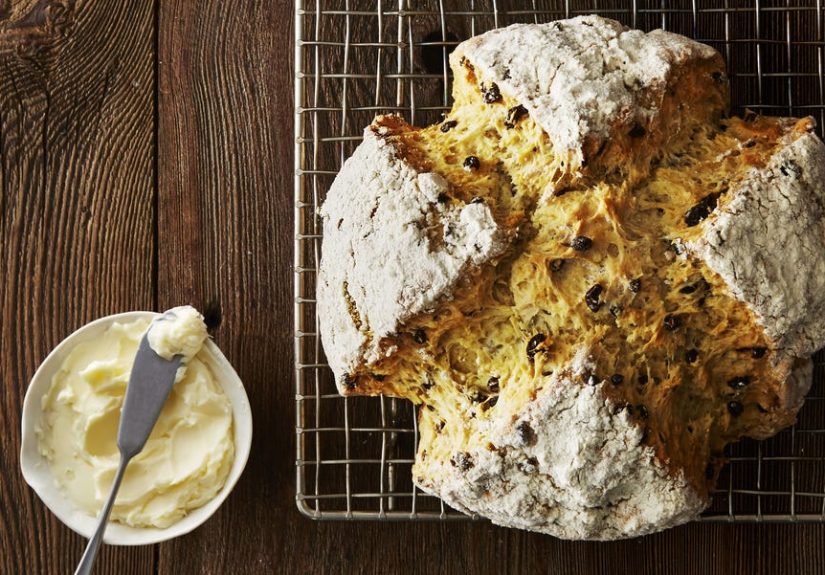
Traditional Irish soda bread is usually made with four basic ingredients: flour, baking soda, salt, and buttermilk. In many Irish homes, it was a practical daily bread because it was affordable, filling, and fast. The dough was shaped into a round loaf and often cut with a deep cross on top. That cross helps the loaf bake evenly, although folklore also gives it a more magical job: letting the fairies out. Personally, if fairies are trapped in my bread, I would like them released before dinner.
Why This Easy Soda Bread Recipe Works
This recipe keeps the traditional spirit of Irish soda bread while using ingredients that are easy to find in an American grocery store. All-purpose flour gives the loaf a lighter texture, while a small amount of whole wheat flour adds nutty flavor and a more old-fashioned crumb. Buttermilk brings tang, tenderness, and the acid needed to activate the baking soda.
The key is not to overwork the dough. Soda bread should be mixed gently and shaped quickly. If you knead it like pizza dough, it can become tough. Think of it as biscuit dough: bring it together, shape it, score it, bake it, and let the oven do the heavy lifting.
Ingredients for Traditional Irish Soda Bread
Basic Ingredients
- 3 cups all-purpose flour: Provides structure and a tender crumb.
- 1 cup whole wheat flour: Adds depth, nuttiness, and a heartier traditional texture.
- 1 teaspoon baking soda: The main leavening ingredient that helps the bread rise.
- 1 teaspoon fine salt: Balances flavor and keeps the loaf from tasting flat.
- 1 3/4 cups buttermilk: Adds tang and reacts with the baking soda.
- 1 tablespoon honey or sugar, optional: Adds a gentle sweetness without turning the bread into cake.
- 2 tablespoons cold butter, optional: Makes the crumb slightly richer, though it is not required for a traditional loaf.
Optional Add-Ins
If you want a more American-style Irish soda bread, you can add 3/4 cup raisins or currants and 1 teaspoon caraway seeds. This version is slightly sweeter and more fragrant. It is lovely with tea, but if you want the most traditional loaf, leave the extras out.
How to Make Traditional Irish Soda Bread
Step 1: Preheat the Oven
Preheat your oven to 425°F. Line a baking sheet with parchment paper or lightly flour a cast-iron skillet. A hot oven is important because soda bread begins rising as soon as the baking soda meets the buttermilk. You want the dough to go into the oven quickly so the lift happens where it belongs: inside the loaf, not in the mixing bowl.
Step 2: Mix the Dry Ingredients
In a large mixing bowl, whisk together the all-purpose flour, whole wheat flour, baking soda, and salt. Whisking matters because baking soda can clump. Nobody wants to bite into a pocket of baking soda unless they enjoy bread that tastes like a science experiment.
Step 3: Add Butter, If Using
If you are using butter, cut it into small cubes and rub it into the flour mixture with your fingertips until the mixture looks slightly sandy. This step is optional, but it gives the bread a softer, more biscuit-like texture.
Step 4: Add the Buttermilk
Make a well in the center of the flour mixture. Pour in the buttermilk and honey or sugar, if using. Stir with a wooden spoon or your hand until the dough comes together into a shaggy, slightly sticky mass. The dough should not be perfectly smooth. Rustic is the goal. If it looks like it belongs in a countryside kitchen, you are doing it right.
Step 5: Shape the Dough
Turn the dough onto a lightly floured surface. Gently bring it together with your hands and shape it into a round loaf about 6 to 7 inches wide. Do not knead more than a few times. Over-kneading develops gluten, which can make soda bread dense and tough.
Step 6: Cut the Cross
Place the loaf on the prepared baking sheet or skillet. Use a sharp knife to cut a deep cross across the top, about 1/2 inch deep. This helps heat reach the center of the loaf and allows the bread to expand as it bakes.
Step 7: Bake Until Golden
Bake for 35 to 45 minutes, or until the loaf is deeply golden and sounds hollow when tapped on the bottom. If the top browns too quickly, loosely tent it with foil during the final 10 minutes. The internal temperature should be about 200°F when fully baked.
Step 8: Cool Before Slicing
Let the bread cool on a wire rack for at least 20 minutes before slicing. Warm soda bread is wonderful, but cutting too soon can make the crumb gummy. Give it a little patience. The bread has been through a lot.
Recipe Card: Easy Traditional Irish Soda Bread
Ingredients
- 3 cups all-purpose flour
- 1 cup whole wheat flour
- 1 teaspoon baking soda
- 1 teaspoon fine salt
- 1 3/4 cups buttermilk, plus 1 to 2 tablespoons more if needed
- 1 tablespoon honey or sugar, optional
- 2 tablespoons cold unsalted butter, optional
- 3/4 cup raisins or currants, optional
Instructions
- Preheat oven to 425°F and line a baking sheet with parchment paper.
- Whisk together all-purpose flour, whole wheat flour, baking soda, and salt.
- Rub in cold butter if using.
- Add buttermilk and honey or sugar. Stir until a shaggy dough forms.
- Turn onto a floured surface and gently shape into a round loaf.
- Transfer to the baking sheet and cut a deep cross on top.
- Bake for 35 to 45 minutes, until golden and hollow-sounding.
- Cool for at least 20 minutes before slicing.
Expert Tips for the Best Soda Bread
Use Fresh Baking Soda
Baking soda loses strength over time. If your box has been sitting in the pantry since the last time low-rise jeans were trendy, replace it. Fresh baking soda gives the loaf a better rise and cleaner flavor.
Do Not Overmix the Dough
The dough should look rough, not polished. Stir only until the flour is moistened. A few dry patches are easier to fix than an overworked loaf.
Adjust the Buttermilk Carefully
Flour absorbs liquid differently depending on the brand, humidity, and whether you use whole wheat flour. If the dough is too dry, add buttermilk one tablespoon at a time. If it is too wet, dust your hands and work surface with flour rather than dumping extra flour directly into the bowl.
Score the Loaf Deeply
A shallow scratch on top will not do much. Cut a confident cross so the center bakes properly and the loaf opens beautifully in the oven.
Traditional Soda Bread vs. American Irish Soda Bread
Traditional Irish soda bread is plain, hearty, and practical. It is usually made without sugar, eggs, butter, or dried fruit. American Irish soda bread is often richer and sweeter, sometimes including raisins, currants, caraway seeds, eggs, and extra butter.
Neither version is “wrong.” They simply serve different moods. Traditional soda bread is perfect with soups, stews, smoked salmon, sharp cheddar, or salted butter. The sweeter American version is excellent for breakfast, afternoon tea, or sneaking a slice over the sink while pretending you are “just checking the texture.”
What to Serve With Irish Soda Bread
Irish soda bread is wonderfully versatile. Serve thick slices with Irish stew, beef stew, potato soup, vegetable soup, or roasted chicken. For breakfast, toast it and spread with butter, marmalade, honey, or jam. For a savory snack, pair it with aged cheddar and apple slices.
If the loaf is a day old, do not worry. Soda bread makes fantastic toast. The edges crisp up beautifully, and the crumb becomes even more flavorful. You can also turn leftovers into croutons, bread pudding, or a quick open-faced sandwich.
How to Store Soda Bread
Soda bread tastes best the day it is baked, especially when the crust is crisp and the center is tender. To store it, wrap the cooled loaf tightly in a clean kitchen towel, then place it in an airtight container or bag. Keep it at room temperature for up to 2 days.
For longer storage, slice the bread and freeze it. Place parchment paper between slices so you can remove only what you need. Toast frozen slices directly from the freezer, and they will taste surprisingly fresh.
Common Soda Bread Mistakes and How to Fix Them
My Bread Is Too Dense
Dense soda bread usually comes from old baking soda, too much flour, or over-kneading. Measure flour by spooning it into the measuring cup and leveling it off rather than scooping directly from the bag.
My Bread Tastes Bitter
Too much baking soda can create a bitter or metallic flavor. Measure carefully and make sure you are using enough buttermilk to balance the soda.
My Bread Is Raw in the Middle
The loaf may be too thick, underbaked, or not scored deeply enough. Shape it into a round that is not too tall, cut a deep cross, and bake until the bottom sounds hollow.
My Dough Is Sticky
Soda bread dough is supposed to be a little sticky. Flour your hands lightly and handle it gently. Adding too much flour can make the finished bread dry.
Flavor Variations to Try
Once you master the basic easy soda bread recipe, you can adjust it to match your meal. For a breakfast loaf, add raisins, orange zest, and a spoonful of sugar. For a savory dinner bread, stir in chopped rosemary, cracked black pepper, or grated cheddar. For a nuttier loaf, replace more of the all-purpose flour with whole wheat flour.
You can also brush the warm loaf with melted butter after baking for a softer crust. It is not strictly traditional, but it is delicious, and delicious tends to win arguments in the kitchen.
Experience Notes: What Baking Soda Bread Teaches You
The first time you make traditional Irish soda bread, you may feel slightly suspicious. The dough comes together so quickly that it almost feels like you skipped a step. Bread is supposed to be dramatic, right? There should be rising, punching down, waiting, and perhaps a small emotional crisis. But soda bread is refreshingly direct. It asks for simple ingredients and a gentle hand, then rewards you with a warm loaf in under an hour.
One of the best experiences with this recipe is learning to trust the shaggy dough. Many beginners want to keep mixing until the dough looks smooth and elastic. That works for some yeast breads, but soda bread prefers a lighter touch. The dough may look a bit rough when it goes into the oven, yet that roughness creates the rustic crackled crust that makes the loaf so appealing. It is a good reminder that homemade food does not need to look factory-perfect to be wonderful.
Another memorable part is the smell. As the bread bakes, the kitchen fills with a warm, nutty aroma from the flour and the tang of buttermilk. It smells comforting without being overly sweet. This is the kind of bread that makes people wander into the kitchen and ask, “Is that ready yet?” The correct answer is usually, “Almost,” even when you have already checked it three times.
Serving soda bread is also part of the experience. A thick slice with salted butter can feel like a complete snack. With soup, it becomes practical and hearty, perfect for dragging through the last spoonfuls in the bowl. Toasted the next morning, it takes on a crisp edge and deeper flavor. If you added raisins, breakfast becomes dangerously easy. If you made the plain version, it works beautifully with eggs, cheese, smoked fish, or jam.
The biggest lesson is that soda bread is forgiving. Maybe your loaf spreads a little wider than expected. Maybe your cross opens dramatically and makes the bread look like a delicious meteorite. Maybe one side browns more than the other because your oven has “character.” It will still taste good. In fact, those small imperfections are part of its charm. Irish soda bread is not trying to be a glossy bakery showpiece. It is humble, fast, filling, and deeply satisfying.
After baking it a few times, you will start to develop your own instincts. You will know when the dough needs one more splash of buttermilk. You will recognize the hollow sound of a finished loaf. You will learn whether your family likes it plain, sweet, seeded, or packed with raisins. And eventually, this easy soda bread recipe becomes less of a recipe and more of a reliable kitchen habit: the bread you can make when dinner needs something extra, when guests are coming, or when you simply want the comfort of warm bread without turning baking into a weekend project.
Conclusion
Traditional Irish soda bread proves that great bread does not have to be complicated. With flour, baking soda, salt, and buttermilk, you can make a rustic loaf that is hearty, flavorful, and ready much faster than yeast bread. The secret is simple: use fresh baking soda, handle the dough gently, score the top deeply, and let the bread cool before slicing.
This easy soda bread recipe is perfect for beginners, but it is also satisfying for experienced bakers who appreciate honest, unfussy food. Serve it with soup, stew, butter, jam, cheese, or a hot cup of tea. Whether you keep it traditional or add your own twist, Irish soda bread brings warmth to the table without making you babysit dough all afternoon. That alone deserves a standing ovationor at least another slice.
Note: This article is written in original American English for web publishing and is based on widely accepted soda bread methods, food-history context, and practical baking guidance.