Table of Contents >> Show >> Hide
- Why Early Reviews Sounded So Positive
- The Comfort Factor: Yes, Your Ears Might Actually Be Happy
- What Early Reviewers Complained About
- What Made the AirPods Max Feel Different From the Competition
- Do Those Early Reviews Still Hold Up?
- Who Should Actually Buy AirPods Max?
- The Real Reason Early Reviews Said Your Ears Would Be Happy
- 500 More Words on the AirPods Max Experience
- SEO Tags
When Apple introduced the AirPods Max, the internet did what the internet always does: it gasped at the price, stared at the case, made a few purse jokes, and then put the headphones on its collective head and said, “Oh. Oh wow.” That pretty much sums up the early review cycle. Critics didn’t exactly sprint to call them a bargain, but many agreed on one important thing: Apple’s first over-ear headphones sounded ridiculously good.
That is why the AirPods Max story has always been a little funny. On paper, they looked like luxury headphones with a luxury tax. In practice, early reviewers found a product that combined rich, balanced audio, impressive active noise cancellation, eerily natural transparency mode, and classic Apple ecosystem magic. In other words, they were expensive, a little dramatic, and extremely capable. Like the tech equivalent of showing up to brunch in a cashmere coat.
This article breaks down what early reviews actually said, why so many testers praised the listening experience, what complaints kept coming up, and why the AirPods Max still hold a strangely glamorous place in the premium headphone conversation. Spoiler: your wallet may not be happy, but your ears probably will be.
Why Early Reviews Sounded So Positive
The strongest theme in early AirPods Max reviews was simple: these headphones sound excellent. Not “good for Apple headphones.” Not “good if you like the brand.” Just plain excellent. Reviewers repeatedly described the sound as detailed, spacious, balanced, and refined. Instead of chasing giant, bloated bass that turns every song into a gym commercial, the AirPods Max were praised for keeping lows deep but controlled, mids clear, and highs crisp without becoming harsh.
That balance mattered. It meant pop tracks felt punchy, acoustic recordings kept their texture, podcasts sounded clean, and movie dialogue stayed sharp. A lot of headphones are tuned to impress in the first 30 seconds. The AirPods Max impressed because they were easy to keep listening to. That is a different kind of win. It is the difference between fireworks and a fireplace.
A Wider, More Polished Sound
One reason the early response was so enthusiastic is that the AirPods Max did not sound cramped. Several reviewers highlighted the sense of space in the audio presentation. For closed-back wireless headphones, that is a real compliment. A wider soundstage makes music feel less trapped inside your skull and more like it has room to breathe. If you listen to layered tracks with multiple instruments, subtle harmonies, or cinematic production, that extra openness can make a big difference.
Reviewers also liked that the headphones handled different genres well. Some premium headphones are bass-first party animals. Others are detail freaks that suck the fun out of a playlist. The AirPods Max seemed to land in a more crowd-pleasing middle ground. They were polished enough for careful listening and lively enough for everyday streaming.
Noise Cancellation That Felt Genuinely Premium
Another major reason early reviews were upbeat was active noise cancellation. Apple stepped into a category already dominated by Bose and Sony, which is a bit like entering a chili cook-off and challenging the people who invented chili. Yet reviewers often said the AirPods Max belonged in that top tier immediately. Office hum, plane rumble, train noise, and coffee-shop chaos were all handled well.
Even better, transparency mode earned almost as much praise as noise cancellation. That feature lets outside sound pass through so you can hear what is happening around you. On many headphones, transparency mode feels artificial or slightly robotic, like the world is being streamed through a budget sci-fi helmet. Early reviewers loved how natural the AirPods Max sounded in transparency mode. People kept saying it felt like you were barely wearing headphones at all. That is a huge compliment because it turns a feature into something people actually use instead of something they forget exists after day three.
The Comfort Factor: Yes, Your Ears Might Actually Be Happy
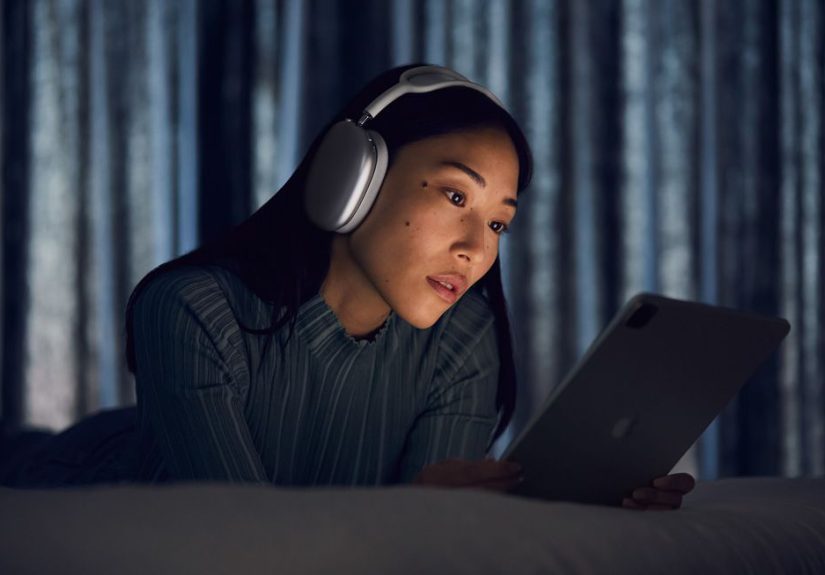
The title of this article is not just clicky fun. Comfort was a genuine part of the early praise. Apple used memory foam ear cushions and a knit mesh canopy headband that distributed weight better than many reviewers expected. The oval ear cups also helped create a comfortable seal around the ears instead of smashing them like two expensive aluminum sandwich presses.
Now, let’s be fair: “comfortable” and “lightweight” are not the same thing. The AirPods Max were often described as heavy. That criticism showed up again and again, and it was not imaginary. These headphones are made from metal and feel more substantial than many plastic rivals. Still, early reviews often said the weight was managed well enough that the headphones remained pleasant for long listening sessions, especially at a desk, on the couch, or during travel.
Luxury Materials Helped the First Impression
Reviewers were also impressed by the physical build. The aluminum ear cups, steel arms, mesh canopy, magnetic ear cushions, and digital crown made the AirPods Max feel closer to a designer object than a generic tech accessory. Apple clearly wanted them to look and feel premium, and early impressions suggested it succeeded. People noticed the precision, the finish, and the tactile quality right away.
That premium feel mattered because it supported the listening experience psychologically as well as physically. When something looks cheap, you start hunting for flaws. When something feels beautifully made, you are more willing to believe the performance matches the price. Apple knows this. Apple absolutely knows this. Apple probably has a whiteboard somewhere that says, “Make them gasp before they press play.”
What Early Reviewers Complained About
Now for the other half of the story, because early reviews were not a giant group hug. The most obvious complaint was price. At launch, the AirPods Max sat well above major rivals from Sony and Bose. Reviewers frequently said the headphones were very good, sometimes excellent, but also difficult to recommend to most people on value alone. That distinction is important. Critics were not saying the product was bad. They were saying the price demanded perfection, and perfection is a rude little diva.
The Smart Case Became a Meme for a Reason
The second big complaint was the Smart Case. Almost nobody loved it. In fact, many reviewers openly mocked it. The case left large parts of the headphones exposed, offered limited protection, and became one of the easiest tech products in recent memory to roast online. For a set of headphones this expensive, buyers expected something sturdier and more practical. Instead, they got an accessory that looked like it had lost a fight with a handbag.
That complaint mattered because it clashed with everything else Apple was trying to sell. The headphones felt luxurious, but the included case did not. It was like buying a fancy sports car and discovering the dealership sent you home with a tarp and positive thoughts.
Weight, Battery Life, and Apple-Only Charm
Other concerns showed up repeatedly. The headphones were heavier than key competitors. Battery life, while respectable, was not category-leading. They were also most compelling inside Apple’s ecosystem, where you could fully enjoy features like effortless pairing, automatic switching, spatial audio perks, and seamless device integration. If you used Android or Windows, the AirPods Max could still function, but some of the magic left the room.
That is why early reviews often framed the AirPods Max as a premium choice for people already invested in Apple gear. If you owned an iPhone, iPad, Mac, and maybe an Apple TV, the value equation made more sense. If you just wanted world-class wireless headphones for any device, rivals looked more sensible.
What Made the AirPods Max Feel Different From the Competition
Early reviews did not praise the AirPods Max only because they were expensive and shiny. The real difference was how well the headphones combined multiple strengths at once. Some competitors had better battery life. Some had lower prices. Some were lighter. But the AirPods Max kept showing up as the model that delivered premium sound, premium noise control, premium materials, and premium Apple integration all in one package.
That all-around polish is often what separates “really good headphones” from “headphones people become weirdly loyal to.” If you commute daily, switch between devices, watch movies late at night, listen to music while working, and care about comfort, you start noticing the little details. The digital crown is more reliable than fussy swipe controls. The ear cushions are easy to remove. Transparency mode is usable. Device switching feels smooth. The sound stays pleasant across genres. Those details add up.
Spatial Audio Helped the Wow Factor
Spatial audio also helped the AirPods Max stand out in early coverage. While not every piece of content made perfect use of it, the feature gave movies and some music a more immersive feel. This was one of those features that sounded like marketing fluff until people tried it with the right content. Then it became a real selling point. For movie lovers especially, the AirPods Max felt less like ordinary headphones and more like a personal little theater strapped to your head.
Do Those Early Reviews Still Hold Up?
Broadly speaking, yes. The original review consensus has aged surprisingly well. Even years later, the AirPods Max are still commonly praised for strong sound, excellent noise cancellation, premium construction, and a top-tier transparency mode. The original complaints also still make sense: they remain expensive, heavier than many alternatives, and not necessarily the best value pick for everyone.
One interesting twist is that Apple later improved part of the story for the USB-C version by adding lossless audio and ultra-low-latency audio support over a wired USB-C connection. That update did not magically turn the AirPods Max into a different product, but it did address one of the lingering frustrations around wired listening and premium-audio credibility. For people who wanted more from the headphones beyond Bluetooth convenience, that was a welcome upgrade.
So if you read those early reviews now, they do not feel wildly wrong or overhyped. They feel like the first chapter of a product that got the hard part right from day one: the listening experience.
Who Should Actually Buy AirPods Max?
If you want the cheapest path to great noise-canceling headphones, these are not your headphones. If you want the lightest pair for all-day travel, probably not these either. If you are platform-agnostic and mainly care about value, you owe it to yourself to compare Sony, Bose, and other premium options.
But if you are deep in the Apple ecosystem, care a lot about sound quality, want noise cancellation and transparency that feel truly premium, and appreciate thoughtful design touches, the AirPods Max make a lot more sense. They are not the everyman choice. They are the “I want the nice ones” choice. Sometimes that is enough. Sometimes the nicest version of a thing really does make daily life a little better, even if your accountant develops a twitch.
The Real Reason Early Reviews Said Your Ears Would Be Happy
At the end of the day, early reviewers were not falling for a logo. They were reacting to a genuinely polished audio product. The AirPods Max impressed because they made listening feel rich, calm, and immersive. Music sounded full without getting muddy. Movies felt bigger. Noise faded away. Transparency mode let the real world back in without making everything sound fake. And the overall fit and finish told you these were not just another pair of Bluetooth headphones tossed into a crowded market.
Yes, the price was hard to swallow. Yes, the case deserved every joke it got. Yes, the weight made some reviewers pause. But once the music started, a lot of those complaints had to share space with a much simpler conclusion: these things sound really, really good. That is why the early reaction was so memorable. The AirPods Max were not universally called sensible. They were called delightful. And in the world of headphones, delightful can go a very long way.
500 More Words on the AirPods Max Experience
Using the AirPods Max is the kind of experience that reveals itself in layers. The first layer is visual. You take them out, notice the metal, the mesh, the shape, and immediately understand that Apple was not trying to make a subtle product. These headphones do not whisper. They stride into the room wearing loafers that cost more than your first laptop bag. But then the second layer arrives, and this one matters more: the moment you actually put them on.
That first fit is often where people decide whether a pair of headphones feels like a tool or a treat. The AirPods Max lean heavily into the treat category. The ear cushions are soft, the seal feels secure without being overly clampy for many users, and the headband does a respectable job of distributing pressure. You still notice the weight, absolutely, but you also notice that the headphones are trying hard not to behave like a brick with speakers in it.
Then comes the third layer: the hush. If you have ever turned on active noise cancellation in a noisy room and felt your shoulders drop an inch, you know the effect. The AirPods Max create that little exhale moment. Air-conditioner hum, distant traffic, keyboard chatter, airplane drone, and random household chaos all lose their edge. It is not silence in a sci-fi vacuum-sealed sense, but it is often enough to make the world feel less annoying. Frankly, that alone can justify affection.
Music is where the emotional part kicks in. Good headphones do not just play songs; they reorganize your relationship with songs you thought you already knew. A backing vocal suddenly steps into focus. A bass line sounds rounder and more intentional. A little percussion detail in the left channel appears like a magician revealing a coin from behind your ear. The AirPods Max tend to create those moments without making everything sound clinical. They are detailed, but not fussy. Refined, but not sterile.
They are also excellent for the kind of modern life that involves too many tabs, too many devices, and too little patience. Moving from phone to tablet to laptop feels smoother inside the Apple ecosystem than it does with many rival headphones. That convenience is not glamorous on paper, but in real life it matters. Anything that removes one tiny annoyance from a busy day starts feeling like a luxury, and the AirPods Max are full of those little “oh, nice” moments.
Of course, no experience is perfect. After a long stretch, some people will absolutely feel the heft. The Smart Case still feels like a practical joke that escaped a design review. And there is always that tiny voice in the back of your mind reminding you how much you paid. But that is the funny part: for many listeners, the actual day-to-day experience is good enough to keep winning the argument. You put them on for work, for travel, for a late-night movie, for an afternoon playlist, and each time they remind you why the early reviews were so glowing.
So yes, AirPods Max may not make your bank account happy. They may not make minimalists happy. They definitely did not make case designers happy. But if your idea of happiness is slipping on a pair of headphones that make the outside world quieter and your favorite songs richer, the early reviewers were onto something. Your ears really might end up grinning.