Table of Contents >> Show >> Hide
There are kitchen tools you buy because you need them, and then there are kitchen tools you keep reaching for because they quietly make the room feel better. Studiopatro tea towels land in that second category. They are not flashy in the “look at me, I cost more than your blender” sense. They are better than that. They are useful, handsome, low-key, and just opinionated enough to make your kitchen look like it has its life together even when the sink is full and dinner is still arguing with the clock.
At a glance, a tea towel can seem almost too simple to deserve much thought. It is, after all, a rectangle of cloth. But in the world of home design and everyday cooking, simple objects do the heaviest lifting. A good tea towel dries glassware, lines a bread basket, wraps a host gift, softens the look of a countertop, and saves you from torching your fingertips on a hot pan handle. A great tea towel does all of that while looking like it belongs in a beautifully lived-in kitchen rather than a sad drawer of mismatched utility fabric.
That is why Studiopatro stands out. The San Francisco brand has built a reputation around linen kitchen textiles that feel artistic without turning fussy, practical without becoming boring, and sustainable without delivering a lecture while you are trying to dry a cutting board. In other words, Studiopatro tea towels make domestic science look cooler than it has any right to.
What Makes Studiopatro Different?
Studiopatro was founded by Christina Weber, a designer whose background in art direction and visual storytelling clearly shows in the brand’s approach. This is not a company making tea towels as an afterthought. The tea towel is the point. Weber has described the linen tea towel as a perfect canvas for new work, and that mindset explains why the brand’s towels feel more intentional than the average kitchen linen tossed beside the register.
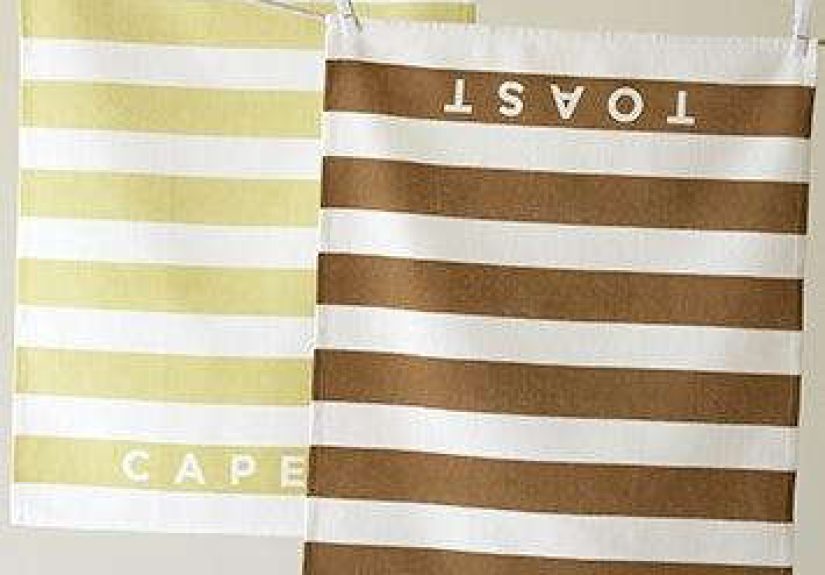
The design language is clean, graphic, and smart. Studiopatro towels are known for modern patterns, subtle color, and playful but restrained visual ideas. Earlier collections featured names like Toast and Caper, Wanderlust, Flip, Casa, and Stripe, which tells you a lot about the brand’s tone: lively, design-aware, and comfortable in that sweet spot between utility and charm. These are not novelty towels with cartoon roosters shouting for attention. They are the sort of textiles that make you pause for half a second and think, “Okay, somebody here has taste.”
Just as important, Studiopatro is rooted in local making. The brand’s official materials emphasize design, cutting, sewing, and individual handprinting in San Francisco, with water-based inks and a strong focus on craftsmanship. That matters because it shapes the character of the towels. You are not just getting a generic kitchen cloth with a trendy print. You are getting a small-batch object that carries the fingerprints of design decisions, material testing, and actual making.
Linen Is Doing a Lot of Heavy Lifting Here
Material is everything in a tea towel, and Studiopatro leans hard into linen for good reason. Linen has a reputation for being durable, absorbent, quick to dry, low-lint, and increasingly soft with regular washing. That combination is basically the kitchen textile version of overachieving without being annoying about it.
In practical terms, linen is excellent for drying dishes, glassware, and cutlery because it tends not to leave behind the fuzzy evidence that some cotton towels do. If you have ever polished a wine glass only to discover it is now wearing a fine sweater of lint, you already understand the value here. Linen also dries relatively quickly, which helps it feel fresher between uses. That quick-dry quality is especially useful in busy kitchens where towels end up rotating through hand drying, dish duty, countertop rescue, and occasional accidental heroics.
Studiopatro also frames linen as a sustainable choice, and that claim makes sense when you look at how the brand talks about flax and long-term use. A reusable, sturdy linen towel designed to last can help reduce dependence on disposable paper towels and other single-use habits. No tea towel will single-handedly save the planet, but a stack of durable linens can absolutely help a kitchen become less wasteful and more thoughtful.
Why Tea Towels Still Matter in a Modern Kitchen
Tea towels have survived every wave of kitchen gadget hype for a reason: they are ridiculously versatile. The best ones are not just towels. They are support staff.
In design coverage and household advice, tea towels are consistently praised for doing far more than drying dishes. They can stabilize a cutting board, line bread baskets, cushion delicate produce, wrap baked goods, soften a tabletop, and even double as a lightweight gift wrap for cookbooks or bottles of wine. If your kitchen contains anything breakable, edible, or giftable, a good tea towel is probably already volunteering.
That wider functionality fits Studiopatro perfectly. The brand’s towels are designed to be used every day, laundered often, and appreciated for both their beauty and their hard-working nature. This “use it, wash it, use it again” philosophy is one reason the line feels so credible. Studiopatro is not selling precious museum cloth for people who never cook. It is making elegant tools for real kitchens.
From Utility Object to Design Accent
One of the smartest things about Studiopatro tea towels is that they understand a basic truth of interior design: small textile choices can change the mood of a room faster than a much bigger purchase. A towel draped over an oven handle, folded beside a cutting board, or tucked into a bread basket becomes part of the kitchen’s visual rhythm. Pattern, color, and texture do quiet work.
That is why Weber’s description of the towels as an “accent” feels so accurate. A tea towel does not have to dominate the room to improve it. It can simply rest the eye, add a hit of color, or bring a little wit to an otherwise functional space. In a kitchen full of hard surfaces, a beautifully made linen towel offers softness, movement, and personality. It says the room is used, but it is also cared for.
How Studiopatro Tea Towels Perform in Real Life
Let us get down to the mildly glamorous science of cloth performance. Studiopatro emphasizes that its towels are tested for absorbency and sturdiness, which is exactly what any serious home cook wants to hear. Pretty is nice. Pretty that can handle wet dishes, hand washing, and repeated laundering is better.
One product example from the brand, the Good Measure tea towel, is described as 100 percent oatmeal linen, printed with water-based ink, soft and absorbent, stain-resistant, and long-lasting. It is also easy to wash and quick to dry, with ironing listed as optional. That last part deserves a standing ovation. Linen has long carried the unfair reputation of being lovely but high-maintenance. In reality, many people prefer the relaxed wrinkles because they look natural, unfussy, and alive. A tea towel should not require a formal peace treaty with your iron.
Of course, real kitchen use also comes with hygiene. Any towel that touches raw meat surfaces or heavy messes needs prompt laundering. Lighter-use towels can be washed more casually, but they still benefit from regular cleaning and good rotation. The best kitchen linen habits are not complicated: keep clean towels nearby, separate grimier kitchen laundry from everyday clothes, and do not let a damp towel slump into a sad corner for three days while developing a personality.
Care Tips That Help Linen Last
If you want Studiopatro tea towels to age beautifully, treat them like dependable workhorses rather than disposable rags. Wash in cool to warm water with mild detergent. Skip fabric softener, which can interfere with absorbency. Dry on low or line dry, and remove while slightly damp if you want a smoother finish. If you love crisp edges, iron them. If you prefer that relaxed European-kitchen look, let the linen do its charmingly rumpled thing.
The upside of good linen care is that the fabric often improves with age. A new linen towel may feel structured at first, but repeated use typically brings softness and flexibility. It is one of the rare household goods that can become more appealing because you actually use it instead of babying it.
Best Ways to Use Studiopatro Tea Towels
1. Everyday Dish and Glass Drying
This is the obvious job, but it is still the main event. Linen’s low-lint character makes it especially useful for polishing glassware and drying dishes without leaving fuzz behind.
2. Bread Basket and Baking Duty
Smooth cloth towels are helpful for lining bread baskets, wrapping warm loaves, and assisting with certain bread-making tasks. If you bake, a good tea towel quickly becomes part of the ritual. It is the kitchen equivalent of background music that also happens to hold carbohydrates.
3. Gift Wrapping With Actual Personality
A quality tea towel can wrap a cookbook, a bottle of olive oil, or a loaf of homemade bread in a way that feels thoughtful and reusable. It turns the wrapping into part of the gift instead of an instant trip to the trash can.
4. Table and Counter Styling
Fold one beside a cutting board, place it under a serving dish, or use it to line a tray. Studiopatro towels work well when you want the kitchen to feel more layered and less purely functional.
5. The “I Need a Towel Right Now” Emergency Role
Hot lid handle? Wet produce? A just-rinsed salad bowl? A cutting board that will not stop skating? Tea towels are the Swiss Army knives of kitchen textiles, and Studiopatro’s balance of beauty and durability makes that versatility more enjoyable.
Who Should Buy Studiopatro Tea Towels?
These towels make the most sense for people who appreciate daily-use objects that are well designed, long-lasting, and easy to incorporate into real routines. If you cook often, host casually, care about small sustainable swaps, or simply want your kitchen to feel less generic, Studiopatro is an easy brand to understand.
They are also a smart choice for gift givers. Tea towels can feel boring when they are cheap and forgettable. They feel generous when they are made of quality linen, thoughtfully designed, and versatile enough to earn their keep long after the birthday cake is gone.
And yes, they appeal to the design crowd. But that is not a criticism. A kitchen can be functional and good-looking at the same time. In fact, that is the whole point of domestic science when done well: paying attention to the ordinary things that quietly shape everyday life.
A 500-Word Experience: Living With Studiopatro Tea Towels Day by Day
What makes Studiopatro tea towels memorable is not one dramatic moment. It is the accumulation of small, satisfying ones. Picture an ordinary weekday morning: the coffee is brewing, the light is flat and pale, and the kitchen still looks half asleep. A linen towel hanging from the oven handle adds a little color before anything else happens. It is not magic, but it is close enough for 7:12 a.m.
Later, after breakfast, the towel moves into work mode. It dries two mugs, a small saucepan, and the fruit bowl you rinsed because somehow bananas can make a bowl sticky just by existing. The linen does not feel soggy five minutes later. It dries quickly, which means it is ready again when lunch produces a cutting board, a knife, and a small tomato-related disaster.
That is the pleasant surprise of a good tea towel: it becomes part of the choreography of the kitchen. You reach for it without thinking. It is there when your hands are wet, when your salad spinner flings droplets across the counter, when your bread needs covering, and when you need something soft under a warm dish. A Studiopatro towel earns trust because it looks refined but behaves like it understands actual cooking.
There is also a social side to it. When friends come over, a towel like this changes the visual temperature of the room. It suggests that the kitchen is a place for gathering, not just producing food under fluorescent pressure. Fold one beside a cutting board loaded with sliced oranges and cheese, and suddenly the scene feels composed without looking staged. It says, “Yes, I thought about this,” but in a charming voice rather than a bragging one.
The tactile experience matters too. Linen has presence. It is crisp at first, then gradually softer, more relaxed, and more personal with use. That evolution is part of the appeal. Some household objects peak the day you buy them. Linen tea towels improve once they have lived a little. The creases become friendlier. The hand feel gets better. The towel starts to look like it belongs to your kitchen rather than a catalog photo shoot.
There is a quiet pleasure in laundering them as well. Not because laundry is thrilling, obviously, unless your hobbies are unusually specific, but because good linen comes out of the wash ready to rejoin the day. No ceremony required. Hang it, fold it, drape it, use it again. A Studiopatro tea towel does not ask to be admired from a distance. It asks to be useful and to look good while doing it.
Over time, that combination of beauty and utility creates attachment. The towel you first bought because the pattern looked smart becomes the one you automatically reach for when guests arrive, when bread comes out of the oven, or when you need a last-minute host gift. It becomes less like décor and more like company. Not chatty company. Competent company. The best kind.
Conclusion
Studiopatro tea towels make a strong case for taking humble kitchen textiles seriously. They combine well-considered design, durable linen, everyday usefulness, and a clear point of view about how beauty belongs in ordinary routines. In a market full of forgettable towels, that is no small achievement.
If you want kitchen linens that can dry dishes, wrap gifts, support baking projects, soften a room, and still look stylish hanging in plain sight, Studiopatro offers the kind of domestic upgrade that feels earned rather than excessive. These tea towels do not scream luxury. They whisper competence, charm, and good taste. That is usually the smarter investment anyway.
Note: This article is written for web publication in standard American English and is based on real published information about Studiopatro, linen tea towels, kitchen use, and care guidance from reputable U.S. sources.