Table of Contents >> Show >> Hide
- Why a Carpet Beater Belongs in Modern Domestic Science
- Meet the DWR-Style Beater: Rattan, Lightweight, and Weirdly Elegant
- The Actual Science: Why Beating a Rug Can Make Vacuuming More Effective
- How to Use a Carpet Beater Without Starting a Neighborhood Incident
- Health and Indoor Air: Dust, Allergens, and the “Do It Outside” Rule
- Where a Carpet Beater Shines (and Where It Doesn’t)
- Unexpected Uses: The Beater’s Second Career
- Design Bonus: Yes, It Can Be Wall Art
- FAQ: Real Questions People Ask Before They Start Whacking Textiles
- Conclusion: The Case for a Simple Tool That Still Works
- Experiences: 5 “Domestic Science” Moments with a DWR-Style Carpet Beater (About )
An old-school tool with modern-design swaggerand a surprisingly solid case in actual cleaning science.
Somewhere between “grandma’s housekeeping” and “gallery wall statement piece” lives a humble object that deserves a comeback:
the carpet beater. And yesDWR (aka Design Within Reach, the modern design retailer)
has flirted with this tool as both a practical cleaner and a quietly gorgeous accessory. If you’ve ever looked at a rattan rug beater
and thought, “Is that for cleaning…or for summoning spirits?” you’re not alone.
Here’s the twist: this “whack-your-rug” contraption isn’t just nostalgia. Used correctly, a Carpet Beater from DWR
can help with deep dust removal and extend the life of your rugs by reducing the gritty particles that grind fibers down.
It’s not a replacement for vacuuming or professional rug cleaningbut it’s a strangely satisfying sidekick in a smart, low-tech routine.
Why a Carpet Beater Belongs in Modern Domestic Science
Domestic science is basically the art of making your home feel better with a mix of practical methods and a tiny bit of smug delight.
(If you’ve ever wiped a baseboard and felt morally superior, congratulationsyou’re practicing.)
A carpet beater fits the vibe perfectly: no electricity, no complicated settings, no app asking you to “pair” your rug
with Bluetooth. It’s a hand tool that uses controlled impact and vibration to dislodge dust and dry debris trapped in
fibersespecially useful for rugs that collect grit like it’s their side hustle.
The DWR angle matters because it reframes the beater as something you might actually keep aroundmaybe even hang up like functional décor
instead of burying it in the “random cleaning stuff” closet, where tools go to retire and think about their life choices.
Meet the DWR-Style Beater: Rattan, Lightweight, and Weirdly Elegant
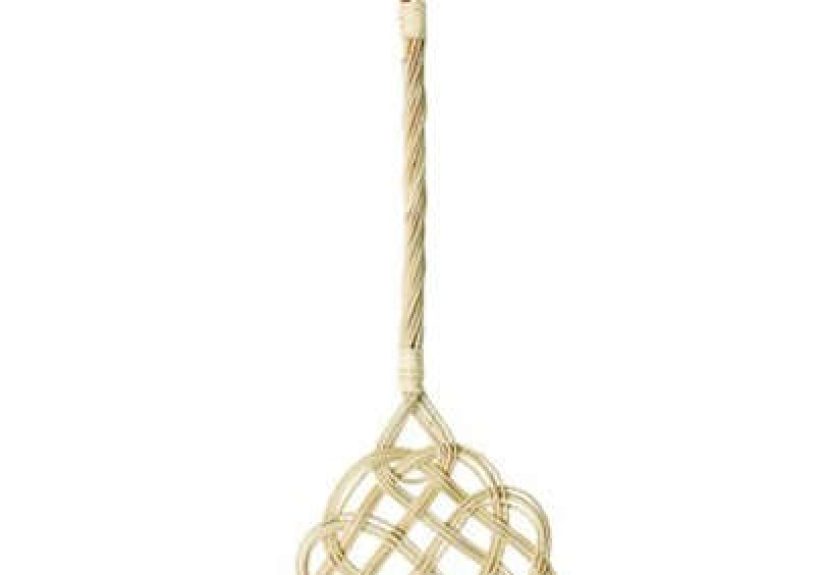
The version popularized through design circles is typically rattan: flexible, springy, and strong enough to deliver
a satisfying thump without behaving like a medieval weapon. The woven paddle shape isn’t just prettyit spreads impact across a wider
surface so you can lift dust without stabbing your rug’s soul.
Why rattan works
Rattan has a natural “give.” That matters because the goal isn’t to punish your rugit’s to shake loose dry soil.
A tool that flexes slightly helps create vibration through the fibers while reducing the risk of harsh, concentrated damage.
It’s not the same thing as a vacuum “beater bar”
Quick clarity, because the word “beater” is doing overtime here. A vacuum’s beater bar is a rotating brush meant to agitate carpet pile
so suction can pull debris out. A hand carpet beater is more like controlled percussion: it knocks particles free so they can fall away
or become easier to vacuum up afterward.
The Actual Science: Why Beating a Rug Can Make Vacuuming More Effective
Dust is clingier than it looks
Fine dust and grit don’t just sit politely on top of rug fibers. Foot traffic pushes particles downward, where they wedge between yarns.
Add static, humidity, and oily residue from everyday life (hello, kitchen runners), and dust turns into a stubborn tenant.
Dry soil removal is step one
In carpet and rug maintenance, removing dry soil early matters because gritty particles act like sandpaper. Every step on a dusty rug can
abrade fibers a little more. A beater helps break that cycle by dislodging grit that a quick surface vacuum might miss.
Why you should beat from the backside
If your rug has a “face” you care about (most do), a smart approach is to hang it and beat from the underside. That encourages debris to
move out through the pile while protecting the visible surface from unnecessary stress. It’s not about being preciousit’s about being
strategic with the direction debris exits.
How to Use a Carpet Beater Without Starting a Neighborhood Incident
The classic mental image is someone going absolutely feral on a rug over a balcony railing. Let’s modernize that energy.
Here’s the safe, effective way to use a rattan rug beater.
Step-by-step: the “clean rug, keep friends” method
-
Check the rug’s label or fiber type. Delicate vintage, silk, fragile fringe, or loosely woven rugs may not be good
candidates for vigorous beating. - Choose the right spot. Outdoors is ideal. Pick a dry day with minimal wind. If you have allergies, consider a mask.
- Hang or drape the rug securely. A sturdy railing, clothesline, or a strong fence works. Make sure it won’t slip.
- Start gentle. Use medium taps in a grid-like pattern. The goal is vibration through the rug, not dramatic sound effects.
-
Work methodically. Move across the rug. Flip if needed. Focus on high-traffic zones: entry areas, couch-front zones,
and the “snack radius.” - Let dust settle. Give it a minute, then vacuum (or sweep up the fallen debris). This is where the one-two punch happens.
- Finish with a quick vacuum. After beating, vacuuming tends to pick up what’s been loosened.
Special care for shag and high-pile rugs
Shag rugs trap debris like they’re emotionally attached to it. Beating can help, but use gentle, broader strikes and avoid yanking long fibers.
For some shag rugs, shaking outdoors plus careful vacuum settings can be the safer “first line” before any enthusiastic thumping.
What not to do
- Don’t beat a wet rug (that’s how you get warped backing and heartbreak).
- Don’t use full-force hits on fragile fringe or antique edges.
- Don’t do this indoors unless you enjoy dust redecorating your entire life.
Health and Indoor Air: Dust, Allergens, and the “Do It Outside” Rule
Carpets and rugs can trap a wide range of particlesdust, dander, and other stuff you don’t want to think about while eating chips on the couch.
That’s one reason people with allergies often care deeply about cleaning routines.
The tricky part: agitation (including vacuuming) can temporarily kick particles into the air. That’s why doing dusty steps outdoors can be a
surprisingly big win for comfortespecially if your home is sensitive to allergens.
Smart allergy-aware habits (without turning your home into a laboratory)
- Ventilation helps. If you vacuum indoors, airflow mattersespecially during deeper cleaning.
- Filter choices matter. If allergens are a concern, vacuums designed to trap fine particles can be helpful.
- Humidity awareness matters. Dust mites tend to thrive in warm, humid conditions, so keeping indoor humidity reasonable
is often part of a broader strategy.
The carpet beater’s role here is simple: it lets you push the mess outside, instead of redistributing it through your living room
like a confetti cannon of regret.
Where a Carpet Beater Shines (and Where It Doesn’t)
It shines when…
- You have a rug that collects gritty debris (entry rugs, kitchen runners, living room rugs).
- You want to do “dry cleaning” maintenance between deeper cleans.
- You have beach towels, picnic blankets, or car mats that are full of sand and grit.
- You like tools that last a long time and don’t need a charger.
It doesn’t replace…
- Vacuuming (especially for everyday surface dust and hair).
- Spot cleaning (spills are their own drama).
- Professional rug cleaning for delicate, antique, or high-value rugs.
Think of it like flossing. Not the only thing you do, but a good idea if you want to keep the whole system happier.
Unexpected Uses: The Beater’s Second Career
The carpet beater is basically a multi-tool for textiles that hate grit. Beyond rugs, people use it to:
- Knock sand out of beach towels before they clog up your washing machine.
- Refresh picnic blankets after outdoor use.
- Clean door mats that trap dirt like it’s their job (because it is).
- Dust large cushions outdoors (especially if you can remove covers afterward).
In other words, it’s not just a rug tool. It’s a “stop bringing half the outdoors inside” tool.
Design Bonus: Yes, It Can Be Wall Art
The reason a Carpet Beater from DWR feels like a design object is that it’s honest: natural materials, simple geometry,
and a purpose you can understand at a glance. If your home leans modern, Scandinavian, or “I own exactly two mugs and both are beige,”
a rattan beater won’t fight the aesthetic.
Hanging it in a laundry room, mudroom, or utility nook isn’t just cuteit’s practical. The more visible your cleaning tools are,
the more likely you’ll actually use them (and the less likely they’ll be buried under a mystery tangle of extension cords).
FAQ: Real Questions People Ask Before They Start Whacking Textiles
How often should I use a rug beater?
For many homes, seasonal is plentythink spring and fall refreshes, plus extra sessions after big events (construction dust, a beach trip,
or that party where someone insisted on eating salsa while standing on the rug).
Can a carpet beater damage my rug?
It can if you go too hard or use it on the wrong rug. Delicate fibers, antique rugs, or fragile fringes deserve a gentler approach.
When in doubt, test a small corner and keep your strikes moderate.
Is it hygienic, or am I just launching dust into the universe?
Outdoors, it can be a smart way to remove dry debris without spreading it inside. The trick is location, wind direction, and a quick follow-up
vacuum once the rug is back in place.
What if I live in an apartment?
Consider shaking smaller rugs outdoors (balcony rules permitting) and using a lighter, gentler beating technique over a railing.
If outside access is limited, focus on good vacuuming and occasional professional cleaning for deeper maintenance.
Conclusion: The Case for a Simple Tool That Still Works
The carpet beater sits at a sweet spot: it’s low-tech, low-maintenance, and oddly effective at what it’s meant to dohelp you remove dry debris
before it becomes ground-in grime. The DWR connection makes it feel less like a dusty relic and more like an intentional part of modern housekeeping:
functional, durable, and even a little beautiful.
If you want cleaner rugs, longer-lasting fibers, and the occasional stress relief of politely smacking a blanket outdoors, a rattan rug beater
is an unexpectedly sensible choice. Domestic science doesn’t always need a gadget. Sometimes it needs a tool, a good method, and a sense of humor.
Experiences: 5 “Domestic Science” Moments with a DWR-Style Carpet Beater (About )
To make this more real-world, here are five common experiences people describe when they finally give a carpet beater a tryespecially the rattan,
design-forward kind you’d spot in a DWR orbit. Consider these mini field notes from the land of rugs, dust, and mild astonishment.
1) The “How is there THIS MUCH dust?” revelation
The first-time beater experience usually includes a brief stage of denial. You vacuumed. You vacuumed again. You were confident.
Then you take the rug outside, hang it up, and start tapping. Suddenly you’re watching a fine cloud drift down like the world’s least glamorous
snowfall. The lesson hits fast: vacuums are great, but some debris gets wedged deep. Beating doesn’t mean you were “bad at cleaning.”
It means your rug has been quietly storing receipts.
2) The entry rug that stops feeling like sandpaper
Entry rugs take the hardest beatingfiguratively and literally. They catch grit from shoes, pet paws, and whatever the sidewalk decided to donate.
People often report that after a careful beating session (and a follow-up vacuum), the rug actually feels softer underfoot.
That’s not magic; it’s just fewer abrasive particles grinding between fibers. It’s also why a quick seasonal beat can make a rug feel “newer”
without any soap or water.
3) The beach towel rescue mission
Anyone who’s tried to wash sandy beach towels knows the pain: sand migrates into your washer like it has a lease.
A carpet beater shines here. Hang the towel, give it a series of moderate strikes, and watch the sand fall away before laundry day.
This experience converts skeptics quickly, because it’s not about aestheticsit’s about saving your machine and your patience.
4) The “I’m doing this wrong” adjustment
A common early mistake is going too hard. People start like they’re auditioning for a drumline.
Then they notice the rug shifting, fringe tangling, or their own arm begging for retirement. The better approach feels almost boring:
steady, moderate taps across the surface, working in sections. Once people adjust, results improve and the process gets easier.
It becomes a technique, not a tantrum.
5) The unexpected lifestyle upgrade: tools you don’t hide
The most “DWR” part of the experience might be this: a tool that looks good is more likely to be used.
When a carpet beater is hanging in the laundry area like a functional sculpture, it’s top-of-mind.
People describe it as a small behavior shiftless procrastination, fewer “I’ll deep clean later” excuses, and more quick maintenance moments.
It’s not that the beater changes your personality. It just removes friction. And in home care, friction is the villain.
Taken together, these experiences point to a simple truth: old-school tools survive when they still solve real problems.
The carpet beater’s jobdry debris removalremains relevant. The only difference now is we can choose a version that also looks great
while it waits for its next dust-bunny showdown.