Table of Contents >> Show >> Hide
- Why Doja Cat’s 2024 Met Gala Look Became an Instant Talking Point
- The Look Itself: Wet Dress, Towel Exit, and Makeup That Refused to Behave
- Was Doja Cat Actually On Theme?
- How the Look Fit Doja Cat’s Fashion Persona
- Why the Internet Could Not Stop Talking About It
- Did the Wet Dress Work as Fashion, Not Just as a Stunt?
- The Bigger Meaning of the Towel-to-Dress Transformation
- Experiences Around the Moment: What It Felt Like Watching Doja Cat Turn the Met Gala Into a Reveal Machine
- Conclusion
- SEO Tags
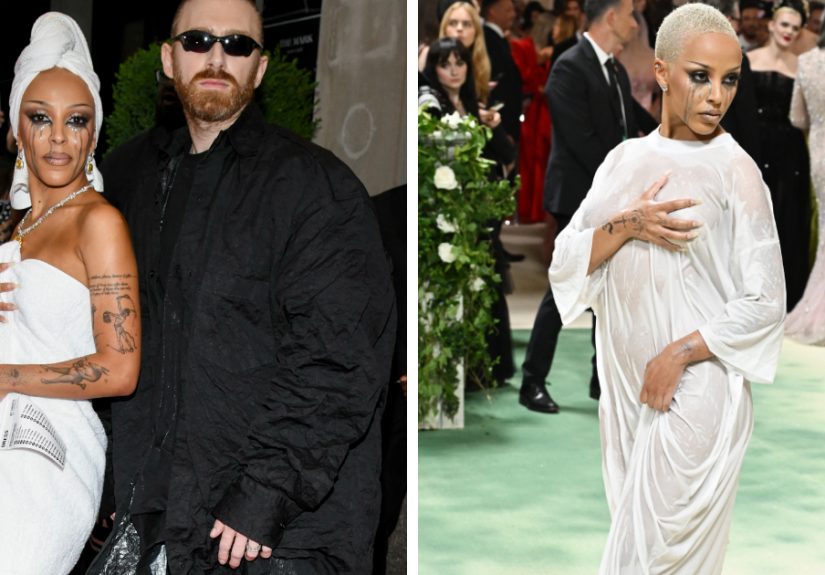
The Met Gala is one of the only places on earth where showing up in a towel can count as a strategic opening act. On May 6, 2024, Doja Cat did exactly that. She stepped out of The Mark Hotel looking as if she had paused her entire getting-ready routine somewhere between shampoo and chaos, wrapped in white towels, sky-high clear platforms, diamonds, and makeup that looked like it had melted beautifully down her face. Minutes later, the joke, the performance, and the fashion thesis all snapped into focus: she arrived at the Metropolitan Museum of Art in a soaking wet, see-through Vetements dress that looked like a giant white T-shirt after a run-in with a thunderstorm and several gallons of commitment.
And honestly? That is peak Doja Cat. She does not just wear clothes; she stages an argument with expectations. At the 2024 Met Gala, where the exhibition was Sleeping Beauties: Reawakening Fashion and the dress code was The Garden of Time, plenty of guests leaned into florals, fantasy, archival glamour, or woodland enchantment. Doja, meanwhile, chose a concept that felt half runway, half prank, half performance art. Yes, that is three halves. The math stopped working the moment she walked out in a towel.
Why Doja Cat’s 2024 Met Gala Look Became an Instant Talking Point
Celebrity fashion moments go viral all the time, but not every look tells a story before the wearer even reaches the carpet. Doja Cat’s did. Leaving the hotel in a towel wasn’t random attention-seeking. It was the teaser trailer. It primed photographers, social media, and everyone refreshing red carpet coverage to ask the obvious question: Is that really the outfit?
Turns out, the answer was both yes and no. The towel look was a deliberate prelude to the main event, which arrived in the form of a drenched white dress by Vetements. The final ensemble looked wet on purpose, clung to the body like a post-downpour costume change, and turned “just stepped out of the shower” into luxury fashion theater. Instead of arriving fully explained, Doja let the look unfold in chapters. That structure alone made it more memorable than plenty of technically beautiful gowns that appeared, posed, and vanished into the red carpet blur.
In a sea of literal interpretations, Doja went conceptual. That is part of why the look landed. She wasn’t trying to be the prettiest flower in the garden. She was trying to be the weirdest thought anyone had about the garden.
The Look Itself: Wet Dress, Towel Exit, and Makeup That Refused to Behave
A towel at the hotel was not a wardrobe malfunction
The hotel departure was essential to the bit. Doja Cat appeared wrapped in white towels, with another towel around her head, creating the illusion that she had not quite finished getting ready before heading out into Manhattan. It was absurd, glamorous, and intentionally unserious. Yet the styling still carried luxury polish through her jewelry, platforms, and overall confidence. That combination is what made the moment click. It was not laziness dressed up as fashion. It was precision disguised as chaos.
The soaking wet Vetements dress was the real reveal
Once she reached the Met Gala carpet, the “post-shower” narrative evolved into a full wet-look gown. The dress resembled an oversized white tee stretched into a floor-length silhouette and soaked straight through. It was sheer, clingy, and impossible to ignore. Depending on your fashion tolerance, it either looked like fearless conceptual styling or like the world’s most expensive laundry emergency. In true Met Gala fashion, both readings can coexist peacefully.
Vetements has long thrived on turning familiar objects and anti-fashion ideas into statements, so the choice made sense. A standard glamorous gown would have felt too easy for Doja Cat, whose public image thrives on disruption. This dress took something ordinary, even slightly ridiculous, and made it red carpet-worthy through sheer nerve.
The makeup sold the fantasy
The beauty look did not quietly support the outfit. It practically grabbed the microphone. Doja wore dramatic streaks down her face that mimicked runny mascara or tears, paired with a cat-eye and metallic detail that added edge rather than softness. Without that makeup, the dress might have read as a gimmick. With it, the look felt cinematic. She did not seem merely wet. She seemed freshly emerged from a scene.
That is an important distinction. The best red carpet styling is not just about garments; it is about world-building. Doja Cat’s 2024 Met Gala appearance worked because everything, from hotel exit to final pose, served one clear visual idea.
Was Doja Cat Actually On Theme?
This is where Met Gala discourse becomes a competitive sport. Every year, fashion fans divide into camps: the literalists, the symbolism crowd, the “I just want to be entertained” faction, and the internet jury that says everyone failed unless they show up dressed as a haunted greenhouse. Doja Cat’s look fit most neatly into the symbolism camp.
The official exhibition, Sleeping Beauties: Reawakening Fashion, focused on garments too delicate to be worn in the usual way and explored fashion through sensory storytelling. The dress code, The Garden of Time, encouraged guests to respond with imagination, not just florals glued to expensive fabric. Doja’s interpretation seemed less about looking like a flower and more about translating softness, fragility, cotton, moisture, and transformation into a visual joke with couture confidence.
She even framed the concept in a way that matched that logic. Rather than choosing a predictable bloom-inspired gown, she leaned into cotton as a “flower” of everyday life. It was cheeky, but also smart. The whole look played with the line between natural and manufactured, intimate and public, messy and intentional. A towel and a wet T-shirt are domestic, private things. The Met Gala is the opposite. Putting them together was the point.
So, was it on theme? Not in the “rose-petal fairy princess” sense. But in the bigger conceptual sense, yes. Doja Cat did what the Met Gala rewards at its best: she turned an idea into a spectacle.
How the Look Fit Doja Cat’s Fashion Persona
Nothing about this appearance came out of nowhere. Doja Cat has built a reputation for treating celebrity style as a playground for characters, provocation, humor, and controlled unpredictability. At the 2023 Met Gala, she famously arrived as Karl Lagerfeld’s cat, Choupette, in a feline-inspired look complete with prosthetic details and committed performance. That appearance told everyone she was not interested in safe glamour. The 2024 Met Gala simply confirmed that lesson for anyone who forgot.
Her fashion identity works because it balances high concept with self-awareness. She knows a look can be beautiful, bizarre, funny, and editorial at the same time. Many stars fear being turned into a meme. Doja often seems to understand that becoming the meme is part of the power move, provided the execution is sharp enough.
That is why the towel-to-wet-dress sequence felt so effective. It was outrageous, yes, but not careless. There was design logic, styling coherence, and a sense of escalation. She wasn’t dressed randomly. She was directing a scene.
Why the Internet Could Not Stop Talking About It
There are a few reliable ingredients in a viral celebrity fashion moment. First, the look has to be instantly readable, even in one photo. Second, it needs a twist people can explain to their friends in one sentence. Third, it should invite opinions ranging from “iconic” to “absolutely not,” because disagreement is social media’s favorite cardio.
Doja Cat checked every box. “She left the hotel in a towel and arrived in a wet dress” is the kind of sentence built for screenshots, memes, reaction posts, and group chats. Even people who do not usually follow fashion could understand the setup. Then there was the visual commitment: the drenched fabric, the running eye makeup, the buzz cut, the platforms, the jewelry. It was weird enough to stop the scroll and polished enough to survive zoomed-in scrutiny.
That combination matters. Viral fashion can flop when it feels lazy. Doja’s did not. Whether viewers loved it or hated it, most could tell that effort had been poured into every detail. And effort, when paired with audacity, tends to win a lot of attention.
Did the Wet Dress Work as Fashion, Not Just as a Stunt?
This is the real question. A red carpet moment can dominate headlines and still fail as fashion. In Doja Cat’s case, the answer depends on what you expect from the Met Gala. If your gold standard is classic elegance, then no, this probably was not your dream look. It was intentionally uncomfortable, slightly confrontational, and more interested in effect than prettiness.
But if you believe the Met Gala should reward bold interpretation, theatricality, and conversation-starting style, then the look absolutely worked. The dress was memorable. The rollout was memorable. The beauty choices were memorable. Most importantly, the concept felt aligned with the woman wearing it. You could not swap this outfit onto just any celebrity and get the same result. It was intensely, unmistakably Doja.
Fashion is not always about universal approval. Sometimes it is about making an image stick in cultural memory. By that measure, Doja Cat succeeded. Plenty of gowns from the 2024 Met Gala were lovely. Very few were impossible to forget.
The Bigger Meaning of the Towel-to-Dress Transformation
What made this moment richer than a one-note gimmick was the transformation built into it. The towel suggested vulnerability, privacy, and the kind of in-between state most people would never dream of turning into public fashion. The wet dress then took that private image and exaggerated it into spectacle. In other words, Doja Cat transformed a backstage moment into the main event.
That is actually a pretty sharp reflection of celebrity culture itself. Audiences are endlessly fascinated by “getting ready” moments, candid glimpses, hotel exits, beauty routines, and anything that feels behind the curtain. Doja took that appetite and turned it into the concept. She made the behind-the-scenes image more important than the polished reveal, then fused the two together.
It was campy, a little mischievous, and unusually self-aware. It understood exactly how celebrity imagery works in 2024: the walk to the car is part of the show, the meme is part of the styling, and the internet reaction is part of the final silhouette.
Experiences Around the Moment: What It Felt Like Watching Doja Cat Turn the Met Gala Into a Reveal Machine
Part of the fun of a Met Gala look like this is not just the dress itself, but the experience of watching the whole thing unfold in real time. That is where Doja Cat’s appearance really separated itself from a normal red carpet arrival. Most celebrity looks are consumed in a neat, tidy order: teaser photos, carpet shots, designer credits, and maybe a short interview. Doja gave viewers something closer to episodic television. First came confusion. Then came speculation. Then came the reveal. By the time the wet dress appeared, the audience was already invested.
That experience matters because fashion today does not live only on the carpet. It lives in hotel departure photos, backstage clips, reaction videos, reposted screenshots, and every hot take typed with way too much confidence. Doja’s look was tailor-made for that ecosystem. People did not just see the outfit; they followed the setup. They watched a white towel leave a hotel and wondered whether they were witnessing a joke, a dare, or a genius piece of styling. The answer turned out to be a little of all three.
There is also something uniquely satisfying about a look that explains itself slowly. In an era when so much celebrity fashion is over-described before it even appears, Doja left space for surprise. That surprise is an experience audiences rarely get anymore. We are used to mood boards, leaked fittings, and advance narratives. Instead, she let the visual story do the work. It reminded viewers that fashion can still be playful and suspenseful, not just polished.
For longtime pop culture watchers, the moment also tapped into a familiar thrill: recognizing when a celebrity fully understands her own public image and decides to play with it instead of fighting it. Doja Cat knows people expect spectacle from her. Rather than resist that expectation, she exaggerates it and makes the expectation part of the joke. The result is not just attention-grabbing. It is oddly collaborative. The audience becomes part of the performance by reacting, debating, laughing, praising, and trying to decide whether they are looking at nonsense or brilliance. Usually, the answer is both.
And then there is the emotional experience of a look like this for fashion fans specifically. Even when the dress is not something you would personally call beautiful, there is excitement in watching someone take a genuine risk. Risk is what keeps major fashion events alive. Without it, the Met Gala becomes a very expensive prom with better tailoring. Doja Cat brought back some unpredictability. She reminded viewers that the best Met Gala appearances do not merely match the theme; they create a mood, start an argument, and give the internet a reason to stay up too late ranking outfits as if civilization depends on it.
So yes, the soaking wet dress was memorable. But the broader experience around it was what made it stick. The towel exit, the delayed reveal, the runny makeup, the confidence, the absurdity, the immediate flood of reactions, and the larger question of whether this was genius or madness all fused into one of the most unmistakably modern celebrity fashion moments of the night. That is what people really remember: not only what Doja Cat wore, but how she made everyone experience it.
Conclusion
Doja Cat’s 2024 Met Gala appearance worked because it understood the assignment in a broader, bolder way than most red carpet looks ever attempt. She did not arrive as a literal flower or a safe interpretation of the theme. She arrived as a fully staged concept, beginning with a towel at The Mark Hotel and ending with a wet-look Vetements dress that turned private, everyday imagery into high-fashion spectacle.
Love it or hate it, the look did exactly what the Met Gala is supposed to do: provoke conversation, reward imagination, and leave behind an image people will still remember long after the flower crowns wilt. In a night full of beauty, Doja Cat chose unforgettable. At the Met, that is often the smarter move.