Table of Contents >> Show >> Hide
- The Short Answer
- Why Sweet Potatoes Can Help With Weight Loss
- Why Sweet Potatoes Can Hinder Weight Loss
- Do Sweet Potatoes Beat White Potatoes?
- How to Eat Sweet Potatoes in a Weight-Loss-Friendly Way
- Common Mistakes People Make
- So, Do Sweet Potatoes Help or Hinder Weight Loss?
- Everyday Experiences With Sweet Potatoes and Weight Loss
- Conclusion
- SEO Tags
Sweet potatoes have a sparkling health reputation. They show up in meal prep photos, “clean eating” recipes, and those suspiciously cheerful nutrition posts that make every root vegetable look like it has a side hustle as a life coach. So, do sweet potatoes actually help with weight loss, or are they just wearing a very convincing wellness costume?
The honest answer is this: sweet potatoes can absolutely support weight loss, but they can also work against it if the portion is oversized or the preparation turns them into dessert in a trench coat. They are not magic. They are not the enemy. They are a food. A very good food, in fact. But like most foods, their impact depends on how much you eat, what you eat them with, and what you do to them before they land on your plate.
If your goal is sustainable, healthy weight management, sweet potatoes can fit beautifully into that picture. They offer fiber, volume, satisfying texture, and important nutrients. But if your “sweet potato” arrives deep-fried, drowned in syrup, and topped with marshmallows, it has quietly stopped being a helpful side dish and started auditioning for the dessert menu.
The Short Answer
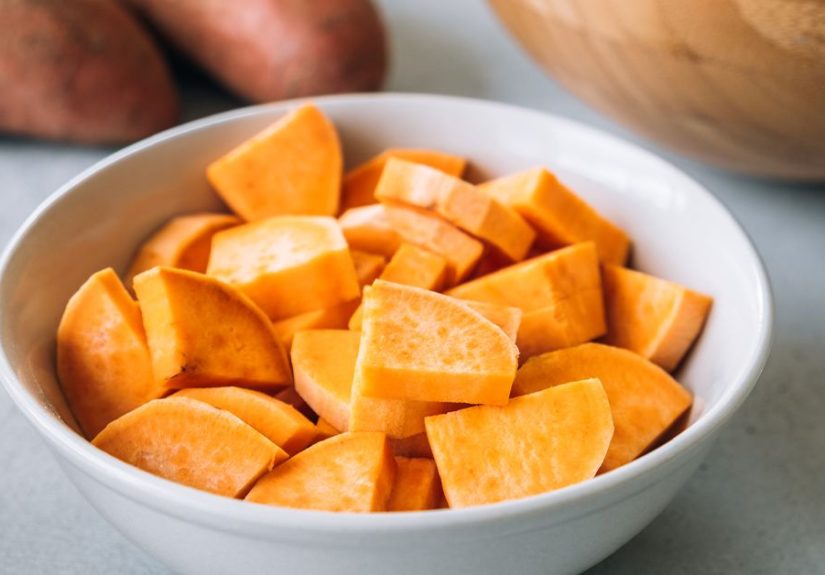
Sweet potatoes usually help more than they hinder weight loss when they are prepared simply and eaten in reasonable portions. A plain baked or roasted sweet potato is filling, naturally sweet, and more nutritious than many refined carbohydrate sides. On the other hand, jumbo servings, sugary toppings, and fried versions can pile on calories faster than you can say “but it’s still a vegetable.”
Why Sweet Potatoes Can Help With Weight Loss
1. They are filling without being outrageously calorie-dense
One reason sweet potatoes can support weight loss is that they offer a lot of food volume for a moderate calorie cost. In plain English, you get a satisfying, substantial side dish without needing a mountain of calories. That matters because people tend to do better with weight management when meals feel generous rather than puny.
A sweet potato is rich in water and fiber, which helps create that full, satisfied feeling. You are not nibbling on three lonely crackers and wondering why your soul feels betrayed. You are eating a real food with weight, texture, and staying power.
This makes sweet potatoes a smarter carbohydrate choice than many ultra-processed sides like chips, buttery pastries, or sugary snack bars. A baked sweet potato feels like actual food because, well, it is.
2. Fiber does some of the heavy lifting
Fiber is one of the biggest reasons sweet potatoes get a gold star in weight-loss-friendly meal planning. Fiber slows digestion, adds bulk, and helps you stay full longer. That can make it easier to avoid the classic one-hour-later snack raid where you “accidentally” eat half a box of crackers while standing at the kitchen counter.
Sweet potatoes also tend to be more satisfying than refined carbohydrates because they are digested more gradually. Not slowly enough to make time stop, sadly, but slowly enough to help steady your appetite and keep meals from feeling flimsy.
3. Their natural sweetness can replace less helpful cravings
One underrated strength of sweet potatoes is that they taste sweet without needing added sugar. That can be useful if you are trying to cut back on desserts or processed snack foods. A roasted sweet potato with cinnamon can hit the “I want something cozy and sweet” button without becoming a calorie bomb.
For some people, that natural sweetness makes sweet potatoes easier to stick with than bland “diet food.” And that is important, because the best weight-loss foods are not the ones that look good in a nutrition infographic. They are the ones you can keep eating consistently without becoming deeply resentful.
4. They bring valuable nutrients to the table
Sweet potatoes are not just about calories and carbs. They also provide vitamin A precursors, potassium, vitamin C, and other nutrients that support overall health. That matters during weight loss because eating less should not mean nourishing yourself less.
When people build meals around nutrient-dense foods, they are more likely to stay energized, feel satisfied, and maintain healthy habits over time. Sweet potatoes help you do that better than most highly refined carb options.
Why Sweet Potatoes Can Hinder Weight Loss
1. Portion sizes can get sneaky
Sweet potatoes are healthy, but they are still a carbohydrate-rich starchy vegetable. That means portions matter. A moderate serving can fit nicely into a balanced meal. Two giant sweet potatoes plus butter plus candied glaze plus pecans plus “just a tiny handful” of marshmallows is a different story.
This is where the healthy halo effect causes trouble. Because sweet potatoes have a wholesome image, people sometimes treat them as if calories do not count once the food turns orange. Sadly, your metabolism does not hand out bonus points for color coordination.
If you are trying to lose weight, a sweet potato should usually be one part of the meal, not the whole event.
2. The topping trap is real
Sweet potatoes often start out innocent and end up wearing a heavy coat of brown sugar, maple syrup, butter, marshmallows, candied nuts, or creamy sauces. At that point, the issue is not the potato. The issue is that the potato has become a delivery vehicle for extra calories.
A little olive oil, Greek yogurt, salsa, black beans, or herbs? Great. A sticky casserole that tastes like Thanksgiving dessert? Delicious, yes. Weight-loss-friendly, not so much.
3. Fried sweet potatoes are playing a different game
Sweet potato fries sound healthy because they include the words sweet potato. But frying changes the math. Oil raises the calorie content quickly, and restaurant portions often turn a smart starchy side into a calorie-heavy appetizer in disguise.
Baked wedges or air-fried slices can be a better compromise if you love that fries-like experience but still want to keep the meal reasonable.
4. They are not a stand-alone weight-loss miracle
Sweet potatoes are helpful, but they are not magic beans with better marketing. Eating sweet potatoes will not cause weight loss if the rest of your eating pattern is chaotic, constantly oversized, or loaded with ultra-processed foods.
They work best when they are part of a balanced plate that includes protein, vegetables, and sensible portions of fats. Think of them as a strong supporting actor, not the one food that saves the entire movie.
Do Sweet Potatoes Beat White Potatoes?
This question comes up every time potatoes are discussed, usually with the intensity of a sports rivalry. The truth is that both sweet potatoes and white potatoes can fit into a healthy eating pattern. Sweet potatoes shine for beta-carotene and natural sweetness, while white potatoes bring their own strengths, including potassium and satiety.
For weight loss, neither one is automatically “good” or “bad.” Preparation matters more than the potato family feud. A plain baked white potato is usually a better choice than a basket of sweet potato fries. A skin-on roasted sweet potato is often a better choice than buttery mashed potatoes loaded with cream. Context wins.
Sweet potatoes may be slightly more appealing for some people because their fiber and sweetness can make healthier meals feel more satisfying. But the best choice is often the one you enjoy enough to eat in a balanced way.
How to Eat Sweet Potatoes in a Weight-Loss-Friendly Way
Build a balanced plate
Sweet potatoes work best when they are paired with protein and nonstarchy vegetables. This combination helps with fullness, meal satisfaction, and steadier energy.
- Baked sweet potato with grilled chicken and broccoli
- Roasted sweet potato cubes with salmon and green beans
- Sweet potato stuffed with black beans, salsa, and plain Greek yogurt
- Sweet potato hash with eggs and sautéed spinach
Keep the skin on when possible
The skin adds fiber and texture, which can make the meal more filling. Just scrub it well and cook it thoroughly. More fiber, less drama.
Choose simple cooking methods
The best options are usually:
- Baked
- Roasted
- Steamed
- Boiled
- Air-fried with minimal oil
These methods keep the focus on the potato instead of turning it into an oil sponge or sugar platform.
Watch the extras
Helpful toppings include:
- Cinnamon
- Plain Greek yogurt
- Salsa
- Black beans
- Tahini drizzle
- A small amount of olive oil
- Fresh herbs and spices
Less helpful toppings include:
- Brown sugar
- Marshmallows
- Syrup
- Large amounts of butter
- Heavy creamy sauces
- Deep-fried coatings
Let the portion fit the meal
You do not need to fear sweet potatoes, but you also do not need to eat one the size of a small football. A moderate serving usually works well, especially when the rest of the plate includes protein and vegetables. The goal is satisfaction, not carb panic and not carb chaos.
Common Mistakes People Make
Mistake 1: Treating “healthy” like “unlimited”
Healthy foods still have calories. You do not need to obsess over every bite, but pretending portion size does not exist is not a great strategy either.
Mistake 2: Eating sweet potatoes without enough protein
A plain sweet potato alone may not keep you full for long. Add protein and your meal becomes much more satisfying.
Mistake 3: Choosing sweet potato fries at restaurants and calling it wellness
They may be delicious, but let us all be honest with ourselves here.
Mistake 4: Confusing “naturally sweet” with “needs more sweetness”
Sweet potatoes already bring flavor. You usually do not need to drown them in sugar to make them enjoyable.
So, Do Sweet Potatoes Help or Hinder Weight Loss?
They mostly help. Sweet potatoes can be an excellent food for weight loss because they are satisfying, fiber-rich, naturally sweet, and packed with nutrients. They make it easier to build balanced meals that feel comforting instead of punishing.
But they can hinder progress when portions grow too large, when frying adds a lot of extra calories, or when toppings turn them into a holiday dessert wearing a vegetable nametag.
The smartest way to think about sweet potatoes is this: they are a useful tool, not a miracle cure. If you prepare them simply, pair them wisely, and eat them as part of an overall balanced pattern, they can absolutely support healthy, sustainable weight loss.
Everyday Experiences With Sweet Potatoes and Weight Loss
In real life, people tend to have a few common experiences with sweet potatoes when they are trying to manage their weight. The first is surprise. Many people assume sweet potatoes are either a perfect “diet food” or a sneaky carb disaster. Then they start eating them in practical meals and discover the truth is much less dramatic. A medium serving at lunch with chicken, beans, or eggs often leaves them fuller than a sandwich made with refined bread or a small processed snack meal that disappears in six bites and a sigh.
Another common experience is that sweet potatoes help reduce the urge for dessert-like snacks later in the day. Because they have a naturally sweet flavor, some people find that a roasted sweet potato with cinnamon scratches the same itch that usually sends them toward cookies, pastries, or sugary cereal at night. It is not that sweet potatoes hypnotize cravings into submission, but they can make a meal feel more complete and comforting. That matters more than people think.
There is also the portion-learning phase. Many people discover that they feel best when sweet potatoes are part of a balanced plate instead of being the giant centerpiece. A moderate serving with salmon and vegetables may feel energizing and steady. Two oversized sweet potatoes with sweet toppings may leave them feeling sluggish, overly full, or hungry again later because the meal was heavy on carbs but light on protein. This is often where the lightbulb turns on: the potato was never the problem by itself. The overall meal was.
Some people notice that preparation changes everything. A baked sweet potato eaten slowly at home feels very different from a basket of restaurant sweet potato fries. One tends to feel nourishing and satisfying. The other tends to disappear quickly while carrying a lot more oil and calories along for the ride. People often realize they do better with roasted wedges, air-fried cubes, or stuffed sweet potatoes because those versions keep the flavor and comfort without the greasy afterthought.
There is also a convenience factor. Sweet potatoes can be cooked ahead, reheated easily, added to breakfast hashes, tossed into grain bowls, or mashed into soups. People who successfully manage their weight often rely on foods that are simple, repeatable, and flexible. Sweet potatoes check that box. When a healthy food is also practical on a busy Tuesday, it has a much better chance of showing up consistently.
Perhaps the most useful real-world lesson is this: successful weight loss rarely comes from banning foods. It usually comes from learning how to use foods well. Sweet potatoes are a perfect example. When people stop treating them as saints or villains and start treating them as one smart ingredient in a balanced meal, they usually fit just fine. Sometimes very well, in fact.
Conclusion
Sweet potatoes do not sabotage weight loss, and they do not guarantee it either. They help when they are eaten in sensible portions, cooked in simple ways, and paired with protein and vegetables. They hinder when they are fried, overloaded with sugary extras, or used as a “healthy” excuse to ignore the bigger picture.
If you like them, keep them on the menu. Just let the sweet potato be a smart sidekick, not a nutrition myth in orange clothing.