Table of Contents >> Show >> Hide
- What Is a Coffee Table Terrarium?
- Why Make a DIY Coffee Table Terrarium?
- Choose Your Coffee Table Terrarium Style
- Open vs. Closed Terrarium: Which One Should You Build?
- Materials You Need
- Best Plants for a DIY Coffee Table Terrarium
- How to Make a DIY Coffee Table Terrarium
- Where to Place Your Coffee Table Terrarium
- How to Care for a Coffee Table Terrarium
- Common Mistakes to Avoid
- Design Ideas for a Stylish Coffee Table Terrarium
- Personal Experience: What Actually Makes a DIY Coffee Table Terrarium Work
- Conclusion
- SEO Tags
A DIY coffee table terrarium is what happens when indoor gardening meets furniture design and decides to become the most interesting thing in the living room. Instead of placing a tiny plant in the corner and hoping guests notice your “green thumb,” you create a miniature garden inside, under, or on top of your coffee table. It is part decor, part plant project, part conversation starter, and, if you do it right, surprisingly low-maintenance.
The beauty of a coffee table terrarium is flexibility. You can build a full terrarium table with a glass top and a planted interior, repurpose a display coffee table, or create a large tabletop glass terrarium as the centerpiece. The idea is simple: combine a clear container, appropriate plant layers, the right plants, and a smart care routine. The result is a living display that looks expensive, even if your biggest investment was patience and a bag of pebbles.
This guide walks you through planning, materials, plant choices, step-by-step assembly, styling ideas, maintenance, and real-life lessons that help your terrarium stay lush instead of turning into a tiny swamp with ambitions.
What Is a Coffee Table Terrarium?
A coffee table terrarium is a miniature indoor garden designed to sit on, inside, or beneath a coffee table. Some versions are simple: a wide glass bowl, jar, or geometric container placed on a tabletop. Others are more advanced, using a coffee table with a glass top and a built-in planting compartment below.
Unlike a regular potted plant, a terrarium creates a small controlled environment. Closed terrariums hold humidity and work best for tropical plants, mosses, ferns, and moisture-loving species. Open terrariums allow more airflow and are better for succulents, cacti, air plants, and plants that dislike damp conditions. Choosing the right style matters because plants are picky roommates. Put a cactus in a sealed humid box and it will not thank you.
Why Make a DIY Coffee Table Terrarium?
A DIY coffee table terrarium brings several benefits beyond looking ridiculously charming. It adds greenery to small spaces, softens modern interiors, and creates a calming focal point without requiring a full indoor jungle. It is also a practical project for apartments, offices, condos, and homes where outdoor gardening is limited.
Another major advantage is customization. You control the size, shape, plant palette, decorative stones, wood pieces, moss, figurines, and overall style. Want a misty woodland scene? Go tropical and mossy. Prefer a desert-modern look? Choose succulents, sand, stones, and an open container. Want something that looks like a tiny enchanted forest where a frog might be paying rent? Ferns and moss are your friends.
Choose Your Coffee Table Terrarium Style
1. Tabletop Glass Terrarium
This is the easiest option. You place a large glass vessel, bowl, apothecary jar, cloche, or geometric terrarium on your existing coffee table. It is affordable, beginner-friendly, and easy to move when you need table space for snacks, books, or the remote control that somehow disappears every evening.
2. Display Case Coffee Table Terrarium
A display case coffee table has a glass top and an interior compartment. This style is ideal because the table is already designed to show objects inside. With waterproofing and plant-safe layering, you can convert the display area into a living terrarium.
3. Built-In Terrarium Coffee Table
This is the advanced DIY version. You build or modify a table so the planting area is integrated into the furniture. It may involve woodwork, acrylic panels, tempered glass, silicone sealant, waterproof liner, and a removable top. It is more work, but the finished piece can look like designer furniture.
Open vs. Closed Terrarium: Which One Should You Build?
Before buying plants, decide whether your terrarium will be open or closed. This decision controls nearly everything: soil type, watering schedule, plant selection, and maintenance.
Closed Coffee Table Terrarium
A closed terrarium keeps moisture inside. Water evaporates from the soil and leaves, condenses on the glass, and returns to the planting medium. This mini water cycle makes closed terrariums excellent for tropical plants that love humidity. Good choices include fittonia, peperomia, small ferns, moss, baby tears, pilea, and miniature tropical foliage plants.
Closed terrariums should be placed in bright, indirect light. Direct sun can turn the glass enclosure into a tiny greenhouse oven. Your plants want humidity, not a sauna membership.
Open Coffee Table Terrarium
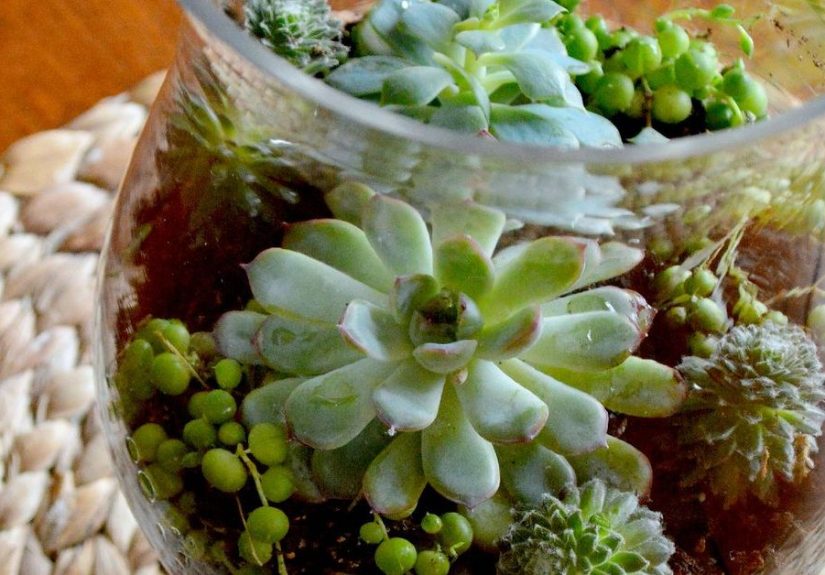
An open terrarium has better airflow and dries more quickly. It is best for succulents, small cacti, haworthia, echeveria, jade plants, sedum, and air plants. These plants prefer drier conditions and need a gritty, well-draining medium. Open terrariums require more frequent checking than closed ones, but they are still easier than many traditional houseplants.
The golden rule is simple: do not mix desert plants and tropical plants in the same terrarium. Succulents want dry feet and airflow. Ferns want moisture and humidity. Put them together and one side of the terrarium will file a complaint.
Materials You Need
Your exact supplies depend on whether you are building a tabletop terrarium or a built-in coffee table version, but most projects use the same basic materials.
Basic Terrarium Supplies
- Glass container, display table, or coffee table with a glass top
- Small pebbles, aquarium gravel, or LECA for the drainage layer
- Activated charcoal or horticultural charcoal
- Mesh screen, sphagnum moss, or landscape fabric to separate layers
- Potting mix suited to your plant type
- Small terrarium plants with similar light and moisture needs
- Decorative stones, preserved wood, bark, or natural accents
- Spray bottle or narrow-spout watering can
- Long tweezers, spoon, small brush, or chopsticks for planting
Extra Supplies for a Built-In Terrarium Table
- Tempered glass or thick acrylic top
- Waterproof liner, acrylic tray, pond liner, or sealed insert
- Aquarium-safe silicone sealant
- Wood sealer or waterproof coating for exposed wood
- Removable access panel or lift-off glass top
- Furniture pads or supports to keep glass stable
- Optional grow light if the room lacks bright indirect light
Best Plants for a DIY Coffee Table Terrarium
The best terrarium plants stay compact, tolerate indoor conditions, and match the moisture level of the container. Avoid fast-growing plants unless you enjoy trimming them every time you sit down with coffee.
Best Plants for Closed Terrariums
- Fittonia: Colorful veined leaves and a love for humidity make it a terrarium favorite.
- Peperomia: Compact, varied, and generally well-behaved indoors.
- Mini ferns: Great for a woodland look, especially in moist, indirect-light conditions.
- Moss: Adds a soft green carpet and helps create a natural forest-floor effect.
- Pilea: Small varieties add texture without overpowering the design.
- Selaginella: Often called spike moss, it loves humidity and creates lush texture.
Best Plants for Open Terrariums
- Haworthia: Compact succulent with bold structure and lower light tolerance than many succulents.
- Echeveria: Beautiful rosette shape, best in bright light and dry soil.
- Jade plant: Easy to grow and excellent for a clean, sculptural look.
- Sedum: Small varieties trail or cluster nicely in open displays.
- Air plants: No soil required, but they need regular soaking or misting and proper drying.
- Small cacti: Great for dry, open setups with strong light.
How to Make a DIY Coffee Table Terrarium
Step 1: Plan the Design
Measure your table or container before buying supplies. If you are building inside a coffee table, make sure the planting area is deep enough for drainage, soil, plant roots, and decorative elements. A shallow setup can work, but you need enough space to prevent roots from sitting in water.
Sketch the layout before planting. Place taller plants toward the back or center, depending on the viewing angle. Use moss, stones, and smaller plants near the edges. If your table is viewed from every side, create a balanced island-style layout rather than a front-facing scene.
Step 2: Clean and Prepare the Container
Wash the glass or acrylic with mild soap and water, then dry it completely. Avoid harsh chemical residues because plants do not enjoy mystery cleaners in their root zone. For a built-in table, seal any wood that might contact moisture. Use a waterproof insert if possible, and test it before adding plants.
For larger table builds, pour a small amount of water into the lined compartment and wait several hours. If there is any leak, fix it before planting. Discovering a leak after adding soil is like realizing the boat has a hole after naming it.
Step 3: Add the Drainage Layer
Because terrariums usually do not have drainage holes, the bottom layer is important. Add a layer of pebbles, gravel, or LECA. This creates a place for excess water to collect away from roots. For small tabletop terrariums, half an inch to one inch may be enough. For larger coffee table builds, use a deeper layer if space allows.
Step 4: Add Activated Charcoal
Add a thin layer of activated charcoal over the drainage material. Charcoal helps reduce odors and supports a cleaner terrarium environment, especially in closed or semi-closed setups. You do not need a mountain of it. A modest layer is enough; this is plant care, not a barbecue.
Step 5: Add a Barrier Layer
Place mesh screen, sphagnum moss, or landscape fabric over the charcoal. This keeps soil from washing down into the drainage layer. A clear separation helps the terrarium stay cleaner and prevents the lower layers from becoming a muddy soup.
Step 6: Add the Right Soil
Use a potting mix that matches your plants. For tropical closed terrariums, choose a light indoor potting mix with good moisture retention. For succulents and cacti, use a cactus or succulent mix with sand, pumice, or perlite for faster drainage.
Add enough soil for the plants’ roots. Shape the soil into gentle slopes for a more natural landscape. A flat terrarium can look nice, but a little elevation makes the design feel more like a miniature world.
Step 7: Arrange Hardscape First
Place stones, driftwood, bark, or decorative branches before planting. These pieces give structure to the design. Use odd numbers of stones for a natural look, vary the sizes, and avoid overcrowding. In a coffee table terrarium, leave some open space so the eye can rest.
Step 8: Plant Carefully
Remove each plant from its nursery pot and gently loosen the roots. Make a small hole in the soil, place the plant, and firm the soil around it. Use long tweezers, a spoon, or chopsticks if the opening is narrow. Keep leaves away from wet glass when possible, especially in closed containers, because constant moisture on foliage can encourage rot.
Step 9: Add Finishing Touches
Top the soil with moss, decorative gravel, sand, or small stones. This improves the look and helps reduce soil splash when watering. For a natural woodland design, use live moss and bark. For a desert-style table, use sand, lava rock, and pale pebbles.
Step 10: Water Lightly
Use a spray bottle or narrow-spout watering can. Add less water than you think you need. In terrariums, excess water is difficult to remove. For closed terrariums, mist the plants and soil lightly, then leave the lid or glass top open until foliage dries. For open succulent terrariums, water sparingly and let the soil dry before watering again.
Where to Place Your Coffee Table Terrarium
Most terrariums prefer bright, indirect light. A living room with filtered natural light is ideal. Avoid placing the coffee table directly in a hot sunbeam, especially if the terrarium is closed or covered with glass. Heat can build quickly and damage plants.
If your room is dim, consider a small grow light nearby. Choose a light that complements the room rather than one that makes your living room look like a laboratory for suspicious basil. Rotate the terrarium occasionally so plants grow evenly instead of leaning dramatically toward one window.
How to Care for a Coffee Table Terrarium
Watering
Closed terrariums may go weeks or months between watering once balanced. Watch the glass: light condensation is normal, but heavy dripping all day means too much moisture. If there is no condensation and plants begin to wilt, add a small amount of water.
Open terrariums need checking more often. Succulent and cactus terrariums should dry between waterings. Air plants should be removed, soaked or misted, dried upside down, and returned only when no water is trapped in their centers.
Pruning
Trim plants when they touch the glass, crowd neighbors, or outgrow the design. Remove yellow leaves, dead stems, and fallen plant material quickly. In a closed environment, decaying leaves can invite mold.
Ventilation
If a closed terrarium looks overly wet, open the lid or lift the glass for a few hours. For built-in coffee table terrariums, make sure you can access the planting area. A beautiful terrarium that cannot be maintained is not decor; it is a future compost display.
Cleaning the Glass
Wipe fingerprints and dust from the outside regularly. For the inside, use a soft cloth attached to tongs or a long tool. Clean glass makes the terrarium feel polished and keeps your mini landscape visible.
Common Mistakes to Avoid
Using the Wrong Plants Together
Do not combine plants with opposite needs. Ferns, moss, and fittonia prefer humidity. Succulents and cacti prefer dryness. One terrarium should have one moisture personality.
Overwatering
Overwatering is the fastest way to ruin a terrarium. Since there are usually no drainage holes, water stays inside. Start with light watering and adjust slowly.
Skipping Waterproofing
If you are converting a coffee table, waterproofing is not optional. Wood and moisture are not best friends. Use a sealed tray, acrylic insert, pond liner, or waterproof coating to protect the table.
Making the Top Impossible to Remove
Your terrarium needs maintenance. Design the glass top or access panel so it can be safely removed. Secure it when closed, but make sure you can open it without performing furniture surgery.
Design Ideas for a Stylish Coffee Table Terrarium
Modern Minimalist
Use black lava rock, white sand, one sculptural succulent, and clean glass lines. Keep the plant count low and the shapes bold.
Woodland Forest
Use moss, small ferns, bark, and rounded stones. This look works best in a closed or semi-closed terrarium with humidity-loving plants.
Tropical Jungle
Choose fittonia, peperomia, mini ferns, and creeping plants. Add driftwood and layered greenery for a lush, dense effect.
Desert Display
Use an open container with cactus mix, small cacti, haworthia, echeveria, sand, and warm-toned rocks. Keep water minimal and light bright.
Fairy Garden Style
Add tiny paths, miniature benches, small houses, or subtle figurines. Use restraint so it looks charming, not like a toy store had a landslide.
Personal Experience: What Actually Makes a DIY Coffee Table Terrarium Work
The first thing you learn when making a DIY coffee table terrarium is that scale matters more than you expect. Tiny plants look adorable at the garden center, but once they are under glass, every leaf becomes part of the composition. A plant that seems small in a nursery pot may look like a jungle giant inside a shallow table. When in doubt, choose fewer plants and give them space to grow. A terrarium looks better when it has room to breathe visually and biologically.
The second lesson is that waterproofing deserves more attention than the decorative layer. Everyone wants to rush to the moss, stones, and pretty foliage, but the hidden structure is what keeps the project from becoming a furniture disaster. A removable waterproof tray is often easier than trying to seal every corner of a wooden table. If you use silicone, let it cure fully before planting. If you use a liner, check for folds where water might collect. The less moisture touches wood, the happier your table will be.
Lighting is another real-world surprise. A coffee table may be perfect for design but imperfect for plants. Many living rooms are bright to human eyes but too dim for healthy growth. If your terrarium sits far from a window, choose low-to-medium-light tropical plants or add a discreet grow light nearby. Plants stretching toward the light are telling you something. They are not being dramatic; they are just very slow at sending emails.
Watering also teaches humility. Most beginners overwater because the top layer looks dry. In a terrarium, moisture may still be sitting below the soil surface. Use a finger test, a wooden skewer, or visual condensation cues before adding water. For closed terrariums, a little fog in the morning and evening is normal. Constant heavy condensation means the setup needs airing out. For open succulent designs, dry is safer than damp.
Maintenance is easiest when the design includes access from the beginning. A lift-off glass top, sliding panel, or removable container makes pruning and cleaning simple. Without access, even basic care becomes annoying, and annoying plant care tends to become neglected plant care. Leave enough room for your hand or tools to reach every corner.
The most satisfying part is watching the terrarium settle in. After a few weeks, plants adjust, moss brightens, and the whole scene starts to look less like a project and more like a tiny living landscape. Guests notice it immediately. Some ask how hard it was. Others stare into it like they are expecting a miniature deer to walk by. That is the charm of a coffee table terrarium: it turns a normal piece of furniture into a small daily escape.
Conclusion
A DIY coffee table terrarium is one of the most rewarding ways to combine indoor gardening, home decor, and creative design. Whether you build a full glass-top terrarium table or place a large planted vessel on your coffee table, the key is choosing the right container, matching plants with similar needs, building proper layers, watering carefully, and keeping the design accessible for maintenance.
Start simple if you are new to terrariums. A tabletop glass bowl or jar can teach you the basics before you attempt a built-in furniture project. If you are ready for a larger build, focus first on waterproofing, removable access, safe glass, and proper plant selection. With a little planning, your coffee table can become more than a place for magazines and mugs. It can become a miniature garden that quietly steals the spotlight.