Table of Contents >> Show >> Hide
- The “Unsexy” Truth Behind Most Diet Success
- Diet Trends That Usually Work (Because They’re Actually Livable)
- Diet Trends That Can Work… But Come With Tradeoffs
- Diet Trends That Usually Don’t Work (Or Work Briefly, Then Bite Back)
- How to Choose a Diet Trend Without Getting Trend-Slammed
- What “Working” Looks Like in Real Life: Sample Eating Styles
- How Fast Should Weight Loss Be?
- When to Get Professional Input
- The 2026 Reality: Trends Change, Basics Don’t
- Real-World Experiences: What People Commonly Learn (500+ Words)
- Conclusion: So… What Works?
Diet trends are like streaming shows: a new one drops every week, everyone swears it “changed their life,” and half the cast disappears by season two. But food isn’t entertainmentyour body actually keeps receipts.
This guide breaks down popular diet trends with a simple goal: help you separate what’s effective from what’s just effective at getting clicks. You’ll see which approaches tend to work for weight loss and health, which can work for certain people (with tradeoffs), and which are mostly hype dressed up in wellness jargon.
Quick note: This is general information, not personal medical advice. If you have diabetes, heart disease, a history of eating disorders, or you’re pregnant/breastfeeding, talk with a clinician before making big changes.
The “Unsexy” Truth Behind Most Diet Success
Most diets that lead to weight loss share a not-so-mystical mechanism: they help you eat fewer calories than you burn (often without feeling miserable 24/7). Some do it by reducing food choices. Others boost fullness with protein and fiber. Some tighten eating windows. The brand name on the diet matters less than whether you can follow it consistently.
That’s why two people can try the same trend and get opposite results: one finds it easy, the other feels like they’re living in a pantry-shaped prison. Adherence beats ideology.
Diet Trends That Usually Work (Because They’re Actually Livable)
1) Mediterranean-Style Eating
If diets had a “most likely to succeed” superlative, Mediterranean-style eating would be wearing the sash. It’s not a rigid menuit’s a pattern: vegetables, fruit, beans, lentils, whole grains, nuts, olive oil, fish/seafood, and modest amounts of dairy and meat.
Why it works: it’s high in fiber and healthy fats, keeps meals satisfying, and doesn’t require you to fear bread like it’s a horror-movie villain. It’s also flexible: you can eat Mediterranean-ish at home, in restaurants, and at family gatherings without needing to bring your own scale.
Who it’s great for: people who want a long-term approach that supports heart and metabolic health while still feeling like normal food.
2) DASH (Dietary Approaches to Stop Hypertension)
DASH is the diet equivalent of a dependable sedan: not flashy, extremely practical, and it gets you where you want to go. It emphasizes fruits, vegetables, whole grains, lean proteins, and low-fat or fat-free dairy, while limiting sodium, added sugars, and excess saturated fat.
Why it works: it’s built around nutrient-dense foods and is especially well-known for supporting healthy blood pressure. Even if you don’t track numbers, the structure nudges you toward better defaults: more potassium-rich produce, fewer ultra-salty convenience foods.
Who it’s great for: people focused on heart health, blood pressure, and “I want a plan that doctors don’t cringe at.”
3) Plant-Forward (Flexitarian, Vegetarian, or “Mostly Plants”)
Plant-based eating exists on a spectrum. You don’t have to go full vegan and start introducing yourself as “Chickpea, actually” to benefit. Many people see results simply by shifting the plate so plants take up more real estate.
Why it works: plant-forward diets often increase fiber and volume (hello, fullness) while lowering the calorie density of meals. Swapping some animal proteins for beans, lentils, tofu, or edamame can also help your budgetdepending on how many fancy “alt” products you buy.
Watch-outs: any diet can be junky. “Vegan” doesn’t automatically mean “healthy” if the main food group becomes processed snack foods. If you go mostly plant-based, pay attention to protein, iron, B12 (especially for vegan), calcium, and omega-3 sources.
4) High-Protein, High-Fiber Eating (Not a FadA Strategy)
This one isn’t a branded diet, but it’s a consistent theme in successful eating patterns. Protein helps preserve lean mass during weight loss and increases satiety. Fiber slows digestion, stabilizes appetite, and supports gut health.
Why it works: it reduces the “I’m starving at 3 p.m.” problemone of the most common reasons people abandon plans. It also helps you build meals that feel substantial without relying on willpower as a main course.
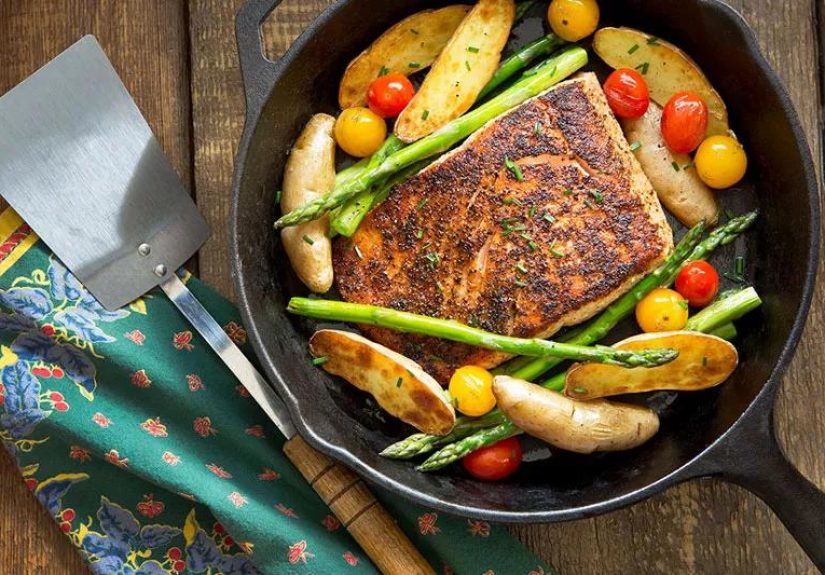
Practical example: Greek yogurt + berries + nuts; a big salad with chicken or chickpeas; chili with beans; eggs with sautéed veggies; salmon with roasted vegetables and a grain you actually enjoy.
5) Intermittent Fasting / Time-Restricted Eating (Works for Some)
Intermittent fasting (IF) is a schedule, not a food list. Common versions include 16:8 (eat within an 8-hour window) or limiting late-night eating. Some people find it easier to manage appetite when meals are in a consistent window.
Why it can work: fewer eating opportunities can mean fewer caloriesespecially if grazing and late-night snacking are your main saboteurs.
Where it can backfire: if you overcompensate during the eating window, or if fasting triggers binge-restrict cycles. It may also be a poor fit for people with a history of disordered eating, those who are pregnant/breastfeeding, some people with diabetes on medications, and some athletes who need frequent fueling.
Diet Trends That Can Work… But Come With Tradeoffs
6) Low-Carb (Including Keto)
Low-carb diets reduce foods like bread, rice, pasta, sweets, and sometimes fruit and starchy vegetables. Keto takes it further, aiming for very low carbohydrate intake so the body uses ketones for energy.
Why people lose weight on it: it can curb appetite, reduces many ultra-processed carbs by default, and can lead to rapid early weight loss (often partly from water changes). For some people, it’s easier to say “no” to an entire category than to practice moderation.
Tradeoffs: it can be harder to sustain long-term; some people experience constipation, fatigue, or trouble with workouts; and it can push people toward high saturated fat choices if the diet becomes “bacon is a vegetable.” If you have kidney disease, pancreatic issues, or other conditions, you’ll want medical guidance.
Best version of low-carb: “low-carb, high-vegetable, mostly whole foods,” not “low-carb, high-processed cheese sticks forever.”
7) Paleo, Whole30, and Elimination-Style Plans
These trends often remove grains, dairy, legumes, and added sugar (rules vary). Whole30 is typically a short-term reset with strict guidelines, while paleo is often framed as “ancestral eating.”
Why it can work: it forces a break from ultra-processed foods and mindless snacking. Many people end up cooking more, eating more protein and vegetables, and reading labelsthree behaviors that can absolutely help.
Tradeoffs: strict elimination can be socially hard, expensive, and unnecessary for many people. If someone uses it as a tool to identify food sensitivities under professional guidance, it can be helpful. If it becomes a lifestyle of “I fear lentils,” it’s less helpful.
8) Low-Fat Dieting
Low-fat diets can still workespecially when “low-fat” means cutting fried foods and high-calorie extras, not eliminating all fat. The issue is that many low-fat plans fail because people replace fat with refined carbs and added sugar, then wonder why they’re hungry again immediately.
Best version: lower saturated fat, keep healthy fats (olive oil, nuts, seeds, fish), prioritize whole foods.
Diet Trends That Usually Don’t Work (Or Work Briefly, Then Bite Back)
9) Detoxes, Cleanses, and Juice “Resets”
These trends promise to “flush toxins,” shrink your waist overnight, and possibly realign your aura. The body already has detox systemsmainly the liver and kidneys. Many detox programs are low-calorie and low-protein, and juices often remove fiber (the very thing that helps you feel full).
Why they seem to work: if you drink fewer calories for a few days, the scale often drops. But it’s rarely sustainable, and weight often returns when normal eating resumes. Some products can also be risky, especially supplement-heavy “detox kits.”
Better alternative: if you want a “reset,” do a real-life reset: sleep more, drink water, eat fiber-rich meals, and cut back on alcohol and ultra-processed foods for two weeks.
10) Single-Food Diets (Cabbage Soup, Grapefruit, “Only Eggs,” etc.)
These plans usually create a huge calorie deficit by being monotonous. They’re also a fast track to nutrient gaps, intense cravings, and rebound overeating when your brain finally negotiates freedom.
Bottom line: if a diet feels like a dare, it’s probably not a strategy.
11) The Carnivore Diet (All Animal Foods)
Carnivore is essentially an ultra-elimination diet: meat, sometimes eggs, sometimes dairyplants are out. People often lose weight because food options shrink dramatically and protein is filling.
Why it’s a problem for many: fiber intake is near zero, food variety is limited, and it can be difficult to meet micronutrient needs without careful planning. Long-term safety and broader health impacts are still debated, and it’s not a great default choice for heart health.
12) “Metabolism Boost” Teas, Fat-Burning Coffee, and Miracle Gummies
If the product sounds like it was named by a late-night infomercial, proceed with caution. Many “fat burners” rely on stimulants, laxative-like ingredients, or vague proprietary blends. Some supplements can interact with medications or cause harmespecially to the liver.
Reality check: there’s no drink that cancels out a daily pattern of overeating and low activity. If there were, it would be sold out forever and guarded by a dragon.
How to Choose a Diet Trend Without Getting Trend-Slammed
A simple decision checklist
- Evidence: Are there quality studies, or just testimonials and before/after photos?
- Nutrient coverage: Does it include protein, fiber, and enough vitamins/minerals?
- Adherence: Can you do this on your busiest Tuesday, not just on a vacation week?
- Medical fit: Does it conflict with your health conditions or medications?
- Social fit: Can you eat with friends and family without needing a spreadsheet?
- Cost: Are you paying for food… or paying for a brand?
Red flags that scream “fad”
- Promises of rapid loss (“20 pounds in 10 days!”)
- Rules that ban entire food groups with no medical reason
- “You must buy our supplements/shakes/teas”
- Claims that “science doesn’t want you to know this”
- Uses fear as a sales tactic (carbs are “poison,” seed oils are “toxic,” etc.)
What “Working” Looks Like in Real Life: Sample Eating Styles
You don’t need a perfect plan. You need a repeatable one. Here are three evidence-friendly ways people build meals without living on chicken and sadness:
Option A: Mediterranean-ish Day
- Breakfast: Oatmeal with berries, walnuts, and Greek yogurt
- Lunch: Big salad with olive oil + vinegar, chickpeas, chicken or tuna, whole-grain bread
- Dinner: Salmon (or beans), roasted veggies, quinoa or potatoes, fruit for dessert
Option B: Higher-Protein, High-Fiber Day
- Breakfast: Eggs + sautéed vegetables + avocado, or cottage cheese + fruit
- Lunch: Turkey/tempeh wrap with veggies + side of crunchy produce
- Dinner: Chili with beans + toppings like Greek yogurt and chopped onions
Option C: Time-Restricted Eating (If It Suits You)
- First meal: Protein + produce (e.g., yogurt bowl, eggs + veggies)
- Second meal: Balanced plate (protein + fiber-rich carbs + vegetables)
- Last meal: Early dinner that’s satisfying (avoid “light” dinners that trigger later snacking)
How Fast Should Weight Loss Be?
A steady pace tends to be more sustainable than dramatic drops. Public health guidance often points to gradual loss (roughly 1–2 pounds per week for many people) as easier to maintain than rapid loss that rebounds. The goal isn’t to win the first weekit’s to still be winning in six months.
When to Get Professional Input
Consider checking in with a clinician or registered dietitian if you:
- Have diabetes (especially if you use insulin or medications that can cause low blood sugar)
- Are pregnant, breastfeeding, or trying to conceive
- Have kidney disease, heart disease, or a history of eating disorders
- Are considering a very restrictive plan (keto, carnivore, prolonged fasting, detox kits)
- Feel stuck in a restrict/binge cycle
The 2026 Reality: Trends Change, Basics Don’t
Nutrition messaging evolvessometimes because new evidence emerges, sometimes because culture shifts, and sometimes because the internet gets bored. But the foundations that consistently show up in healthier dietary patterns are remarkably stable:
- More minimally processed foods
- More plants (especially vegetables, beans, fruit, whole grains)
- Enough protein for satiety and muscle
- Fiber as a daily non-negotiable
- Less added sugar and fewer ultra-processed “calorie traps”
Real-World Experiences: What People Commonly Learn (500+ Words)
People’s experiences with diet trends are often less about the diet itself and more about the life attached to it. Here are common, real-world patterns (shared as general examplesnot one person’s story) that show why some trends stick and others don’t.
1) The “I finally stopped snacking at night” effect. Many people who try time-restricted eating aren’t magically losing weight because fasting is a superpower. They’re losing weight because the rule “kitchen closed after dinner” removes a high-calorie habit that used to happen on autopilot. For someone whose evenings were basically: dinner → couch → “just a little something” → “why is the bag empty,” a consistent eating window can be a clean boundary. The lesson: sometimes the best diet trend is the one that solves your biggest leak.
2) Keto worksuntil it doesn’t (for some). A common experience is fast early progress, then friction. In the beginning, cutting carbs can reduce cravings and simplify decisions, and people often feel motivated by quick scale changes. Then life shows up: birthdays, travel, work lunches, family meals. Some people adapt and keep a lower-carb pattern comfortably. Others feel socially boxed in, miss fruit and grains, or notice workouts suffer. A frequent takeaway is that some structure helps, but overly rigid rules can become exhausting.
3) Whole foods feel “boring”… right up until you feel better. Many people roll their eyes at Mediterranean or DASH-style eating because it doesn’t feel edgy. No forbidden list. No dramatic “before” montage. But after a few weeks of more fiber, more produce, and fewer ultra-processed foods, people often report surprises: steadier energy, fewer cravings, better digestion, and less “food noise.” Not everyone experiences this the same way, but it’s common enough that it’s worth saying: the boring plans often win because they’re repeatable.
4) Detoxes deliver a lesson, not a solution. People who try cleanses often enjoy the feeling of “doing something,” especially after holidays or a stressful period. The scale may drop quickly, and that can feel rewarding. But many also report headaches, irritability, fatigue, and intense rebound hungerfollowed by overeating once the cleanse ends. The most useful part of the experience is often the realization that they wanted a reset, not starvation. Many end up switching to a practical reset: regular meals, more water, more vegetables, earlier bedtime, fewer sugary drinks.
5) The best trend is the one that matches identity. People stick with eating patterns that fit who they believe they are. Someone who loves cooking might thrive on a Mediterranean pattern. Someone who hates decisions might do well with a simple high-protein breakfast they repeat daily. Someone who’s busy might need meal templates more than recipes. The “winning” trend is often the one that reduces friction: fewer decisions, fewer cravings, and fewer moments where you’re hungry and trapped next to a vending machine.
6) Progress feels different than perfection. A common turning point is when people stop aiming for perfect compliance and start aiming for consistent averages. They learn to recover quickly: one off-plan meal doesn’t become an off-plan week. That skillcourse-correcting without self-punishmentoften predicts success more than any particular macro ratio.
Conclusion: So… What Works?
Diet trends work when they help you eat in a way that’s nutrient-dense, satisfying, and sustainable. Mediterranean, DASH, plant-forward patterns, and high-protein/high-fiber strategies tend to succeed because they align with human life: they’re flexible enough to survive weekends, travel, and stress.
Trends like detoxes, single-food diets, and miracle supplements usually fail because they’re built on extremesgreat for short-term scale drama, terrible for long-term health and sanity. If you want a simple rule: choose the plan you can still do when motivation is low. That’s the one that “works.”