Table of Contents >> Show >> Hide
- What Happened: A Sweet Back-to-School Post Meets an Ugly Comment Section
- Why Do People “Gender-Police” Little Kids Anyway?
- The Real Problem: Online Harassment Doesn’t Stay Online
- Sharna Burgess’s Response: The Power (and Limits) of the Clapback
- This Isn’t an Isolated Celebrity Moment
- What This Story Teaches Parents (Famous or Not) About Posting Kids Online
- How to Talk to Kids About Gender Stereotypes Without Making It Weird
- What Bystanders Can Do When They See Adults Mocking a Child Online
- The Bigger Cultural Moment: Parenting Under a Microscope
- Conclusion: Protect Kids, Challenge Stereotypes, Starve the Trolls
- Real-World Experiences: What This Looks Like Off the Red Carpet (500+ Words)
Some people wake up and choose kindness. Others wake up, choose chaos, and apparently choose to critique a preschooler’s haircut like it’s a controversial album drop.
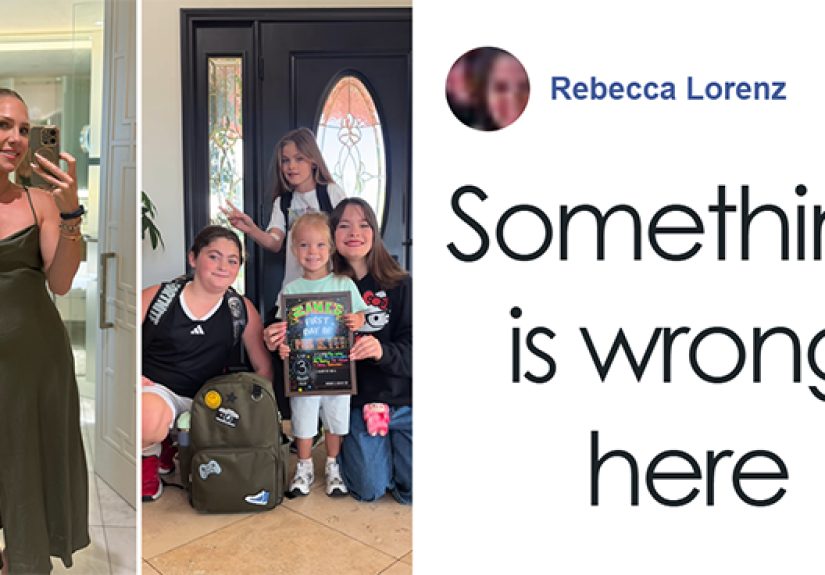
In early September 2025, Dancing With the Stars pro Sharna Burgess shared a tender, familiar parent moment: her 3-year-old son Zane heading off to school. The video wasn’t a “content strategy.” It was a milestoneone of those “how is my baby old enough for this?” days that can make even the toughest adults ugly-cry in the car.
Then came the trolls. A commenter took a cheap shot at Zane’s appearance, using a tired stereotype about looking “like a girl.” Burgess responded with the kind of direct, protective energy that every parent recognizes instantly: the “absolutely not, not today, not ever” tone. Soon after, she disabled comments on the post.
This story is celebrity news on the surface, but it taps into something bigger: how quickly the internet polices kids’ appearances, how gender stereotypes show up in everyday parenting, and what it looks like to set boundaries when strangers decide your child is public property.
What Happened: A Sweet Back-to-School Post Meets an Ugly Comment Section
Sharna Burgess posted an Instagram video of Zane’s first day of preschool. The clip showed a proud little kid holding a sign and getting hyped up by older siblingsexactly the kind of wholesome moment the internet claims it wants more of.
But alongside the supportive comments, at least one person left a remark attacking Zane’s looks and implying he looked “like a girl.” Burgess clapped back, calling out the commenter’s audacity and pushing back against the idea that a child’s hair or styling is something strangers get to judge. Not long after, she turned off comments on the post.
It’s worth pausing here: the child at the center of this is three. Not a public figure. Not someone who opted into fame. Not someone who should ever have to carry the weight of adult strangers’ opinions. And yetwelcome to modern social media, where people forget there’s a real kid on the other side of the screen.
Why Do People “Gender-Police” Little Kids Anyway?
Let’s translate what those trolls were really saying. When someone calls a little boy “too feminine,” they’re not offering feedback. They’re enforcing a rulebook that says:
- Hair length belongs to a gender.
- Softness belongs to a gender.
- Pretty belongs to a gender.
- And anyone who doesn’t follow the rules deserves correction.
That rulebook is made up. It also changes constantly, depending on culture, decade, and which relatives are visiting for the holidays.
Hair Isn’t a Gender (It’s Keratin, Relax)
Across history and cultures, men and boys have worn long hair for spiritual, cultural, practical, or aesthetic reasons. Even in mainstream U.S. culture, plenty of male celebrities, athletes, and musicians have long hair without anyone questioning their identity. But when a child does itespecially a boysome adults suddenly act like a societal collapse is underway.
Long hair on a toddler isn’t a political statement. Sometimes it’s just: “He hates haircuts,” “He has gorgeous curls,” or “We’re letting him choose.” The internet can’t handle that level of normal.
Gender Expression vs. Gender Identity: The Confusion That Fuels Comments
Another reason these comments spread is that people mix up gender expression (how someone looks or presentsclothes, hair, mannerisms) with gender identity (someone’s internal sense of self). Kids explore. Kids imitate. Kids play pretend. Kids are also wildly inconsistent, because they are, in fact, kids.
At preschool age, it’s common for children to try on interests, styles, and roles as they make sense of the world around them. That exploration doesn’t need strangers narrating it like a sports debate show.
The Real Problem: Online Harassment Doesn’t Stay Online
It’s easy for trolls to dismiss their comments as “just words.” But harassmentespecially when it targets childrenhas ripple effects. Parents see it. Older siblings may see it. Friends and family may see it. And eventually, kids grow up and find the receipts.
Even when a child is too young to read, online cruelty can still do damage because it pressures parents to shrink their child’s life to avoid judgment. It teaches families to self-censor. It turns milestone moments into anxiety triggers.
Why Parents React So Strongly (And Why That’s Reasonable)
If you’ve never been a parent, watching someone insult a toddler online might feel like “internet nonsense.” If you are a parent, it can feel like someone walking into your living room uninvited and pointing at your child with a smirk.
Protectiveness isn’t overreactionit’s an appropriate response to an inappropriate invasion. Burgess didn’t “make it a big deal.” The troll did, by dragging a child into an adult insult economy.
Sharna Burgess’s Response: The Power (and Limits) of the Clapback
Burgess did two things that matter:
- She set a boundary publicly by refusing to let the comment slide.
- She controlled the environment by disabling comments afterward.
That combination“I will defend my kid” plus “I’m not hosting this circus”is a pretty classic strategy for public figures. It signals to supporters that the parent sees what happened, and it cuts off the trolls’ oxygen supply.
Is Clapping Back Always the Best Choice?
Not always. Responding can sometimes amplify a comment, and trolls often want engagement. But there’s also a real value in refusing to normalize cruelty. A quick, firm response can reassure your community: “We don’t do that here.”
In practice, parents tend to pick from three approaches:
- Ignore and delete (fast, low-energy, minimal attention to the troll).
- Respond once, then remove access (a boundary-setting “no” with consequences).
- Lock things down (limit who can comment, use filters, or turn comments off entirely).
Burgess essentially used option two and threeshe made her point, then protected the space.
This Isn’t an Isolated Celebrity Moment
If you follow parenting culture online, you know this pattern isn’t rare. Plenty of public-facing parents have had to defend their kids from bizarre criticism: what they eat, what they wear, whether they use a pacifier or a bottle, how they talk, how they sit, andyeshow “masculine” or “feminine” they look.
In 2025, another DWTS pro, Jenna Johnson, also publicly called out a cruel message directed at her young son. Different details, same theme: adults targeting a child for attention, and a parent drawing a line.
The takeaway isn’t “celebs are dramatic.” The takeaway is that internet culture has normalized taking shots at children, and that’s something worth pushing back onwhether you have millions of followers or twelve relatives who refuse to stop oversharing on Facebook.
What This Story Teaches Parents (Famous or Not) About Posting Kids Online
Let’s be honest: sharing kid milestones online can be joyful. It can also be complicated. The internet isn’t a living roomit’s a stadium parking lot. If you bring something tender into that space, you can’t control who wanders by.
1) Decide What You’re Sharing For
Is the post for family and friends? For memories? For community? For work? Being clear about the “why” helps you set the right boundaries for the “how.”
2) Reduce the “Find-My-Child” Details
If you post school milestones, avoid identifiers: school logos, location tags, street signs, and schedules. A cute sign can accidentally become a breadcrumb trail. Privacy isn’t paranoiait’s basic risk management.
3) Use Platform Tools Like You Actually Like Peace
Many platforms offer comment filters, restricted commenting, hidden words, limited audiences, and approval settings. You don’t need to moderate a digital town square if you don’t want to. You’re allowed to set your page up like a home with locks.
4) Remember: Your Child Grows Up With Your Posts
Parents post for today, but kids live with it tomorrow. Before sharing, it helps to ask: “Would my child thank me for this at 13?” If the answer is “ehhhhh,” maybe keep it in the group chat.
How to Talk to Kids About Gender Stereotypes Without Making It Weird
Many adults worry that addressing stereotypes will “plant ideas.” But kids already absorb messages from cartoons, classmates, store aisles, and that one random adult who says, “That’s not for boys.” (Ma’am. It’s a backpack. Calm down.)
Here are kid-friendly ways to respond in the moment:
- Keep it simple: “Colors and clothes are for everyone.”
- Name the behavior, not the child: “That was an unkind comment.”
- Model confidence: “You get to choose what feels like you.”
- Offer choices: “Do you want your hair long, short, or somewhere in between?”
The goal isn’t to lecture. It’s to make home the place where your child’s preferences aren’t up for debate.
What Bystanders Can Do When They See Adults Mocking a Child Online
Internet cruelty thrives on silence. When decent people do nothing, trolls assume they’re the majority. Here are better options:
- Report the comment (yes, even if it feels smallpatterns matter).
- Don’t quote-tweet the cruelty in a way that spreads it further.
- Leave supportive comments that reinforce healthy norms (“Kids can wear what they like.” “Leave children out of your negativity.”).
- Support boundaries when a parent disables comments or blocks people. That’s not “dramatic.” That’s protective.
Also: if you’re tempted to “debate” a troll, remember many trolls don’t want a conversation. They want a reaction. If you engage, make it brief, values-based, and not a 47-tweet thread that ruins your afternoon.
The Bigger Cultural Moment: Parenting Under a Microscope
The most exhausting part of stories like this is how familiar they feel. Parents are trying to raise kind, healthy kids in a world that still rewards cruelty with attention. Social media can be a community, but it can also be a place where strangers feel entitled to critique your child’s body, personality, or “vibe.”
Sharna Burgess’s story lands because it’s relatable: the joy of a milestone, the vulnerability of sharing it, and the whiplash of realizing the comment section is not, in fact, a safe place for your softest moments.
So yesthis is a celebrity headline. But it’s also a reminder that kids deserve to exist without being turned into content for criticism. And parents deserve to protect their children without being told to “lighten up” when the internet forgets basic decency.
Conclusion: Protect Kids, Challenge Stereotypes, Starve the Trolls
When trolls mocked Sharna Burgess’s 3-year-old son for looking “feminine,” they weren’t commenting on a hairstyle. They were policing a narrow idea of masculinity and aiming it at a child who’s barely old enough to tie his shoes.
Burgess responded the way many parents would want to: she defended her kid, then shut down the space that allowed the cruelty to spread. That’s not “lashing out.” That’s drawing a boundary.
If there’s a lesson here for the rest of us, it’s simple: let kids be kids. Let boys have long hair. Let girls have short hair. Let children explore without turning their bodies into a public referendum. And when someone tries to make a child’s appearance the punchlineblock, report, and move on. Because the internet doesn’t need more hot takes. It needs more grown-ups acting like grown-ups.
Real-World Experiences: What This Looks Like Off the Red Carpet (500+ Words)
Celebrity stories get headlines, but the “kid looks too feminine/masculine” nonsense shows up in everyday life all the timeusually in places where parents are just trying to survive with snacks, wipes, and one functioning shoelace.
Experience #1: The Long-Hair Panic at the Playground
A parent takes their toddler to the playground. The kid has shoulder-length hair because haircuts are a screaming match and nobody has the emotional bandwidth for that on a Tuesday. Another adult smiles at the child, then asks, “What a cute little girlwhat’s her name?”
The parent gently corrects: “He’s a boy.”
Sometimes the other adult says, “Oh!” and moves on. But other times, you get the follow-up that feels like a tiny lecture: “Well, you know… people might get confused.”
What’s really happening in that moment is a quiet transfer of responsibility: instead of telling society to stop being weird about hair, the burden gets handed to the parent and the child to “fix” it. Many parents in this situation choose a calm, confident line like: “It’s just hair. He likes it.” And then they go back to negotiating whether mulch is an acceptable food group.
Experience #2: The “Boys Don’t Wear That” Comment From a Relative
For a lot of families, the internet isn’t even the first place stereotypes show up. It’s the holiday dinner table. A preschooler wears a sparkly shirt, picks a pink cup, or wants their nails painted because they saw it on an older sibling. A relative leans in with the classic: “That’s for girls.”
Parents who’ve navigated this often say the best approach is short and steadyno debate, no long explanation, just values: “We don’t limit colors or clothes by gender in our house.” It’s not said with anger. It’s said like a fact. Because it is.
Over time, kids learn something powerful: their home is a place where they don’t have to perform a role to earn love.
Experience #3: The Preschool “Dress-Up” Zone and the Confidence Boost
Walk into any good early childhood classroom and you’ll see dress-up clothes: capes, crowns, construction hats, fairy wings, doctor kits, and random scarves that have somehow become the most important item on Earth. Kids don’t approach that area thinking, “Is this gender-appropriate?” They think, “Can I be a dragon astronaut today?”
Parents often notice that when adults don’t interfere, kids’ play becomes more creative and less anxious. A child who feels free to explore tends to be more confidentbecause they’re not constantly scanning the room for approval. The irony is that the more adults relax, the more kids settle into who they are naturally.
Experience #4: Posting a Milestone and Learning the Hard Way
Many parents have their own version of the Sharna Burgess momentminus the blue checkmark. They post a first day of school photo, a birthday clip, or a family outing. Most comments are sweet. And then someone says something unnecessary: a judgment about weight, clothes, hair, behavior, or “spoiling.”
The parent feels that instant heat in the chest: “Why are you talking about my child?” Some respond. Some delete. Some lock down comments and never post publicly again. The common thread is this: once you see how quickly strangers feel entitled to your kid, you become a lot more intentional about boundaries.
That doesn’t mean parents shouldn’t share joy. It means parents deserve toolsand permissionto protect their peace. Filter the comments. Limit the audience. Save the sweetest moments for the people who actually love your child, not the ones treating childhood like an open mic night.
These experiences are why stories like Burgess’s resonate. They aren’t just gossip. They’re a snapshot of modern parenting: raising kids in a world where stereotypes are stubborn, comment sections are lawless, and the most radical thing you can do is let your child be themselvesloudly, proudly, and without apology.