Table of Contents >> Show >> Hide
- From Vermont Farm to Brooklyn Knife Studio
- What Makes a Chelsea Miller Knife Different?
- Why Top Chefs Are Obsessed with Chelsea Miller Knives
- The Philosophy Behind the Blades
- Inside the Chelsea Miller Knives Experience
- Why Chelsea Miller’s Knives Resonate Right Now
- of Real-World Experience with Chelsea Miller Knives
- Conclusion: A Knife with a Story in Every Slice
In a world where most kitchen knives are stamped out by machines and sold in blister packs,
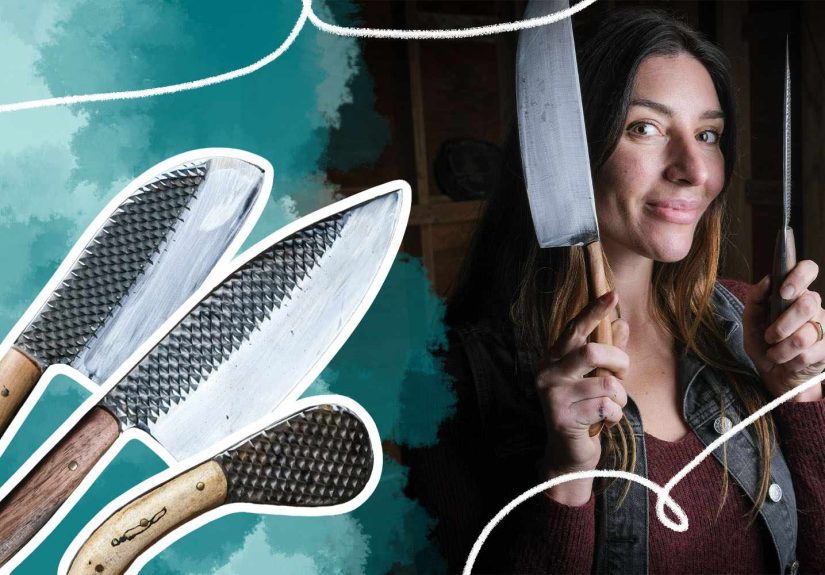
Chelsea Miller’s knives feel almost mythical. Each blade starts life as a rough horseshoe rasp,
spends time in the fire, and eventually emerges as a shimmering tool that chefs proudly show off
on the line. These are not just knives; they’re tiny biographies made of metal and wood, telling
the story of a Vermont farm, a Brooklyn workshop, and the long, strange journey from acting to
artisan knifemaking.
Today, Chelsea Miller’s one-of-a-kind knives are in the kitchens of some of the world’s most
celebrated chefs and serious home cooks. They’re instantly recognizable: a blade with a textured
rasp surface that doubles as a grater, paired with a curving wooden handle carved from trees on
her family’s land. They look rustic and modern at the same timelike something that fell out of
a Scandinavian design catalog and landed in a woodland fairy tale.
From Vermont Farm to Brooklyn Knife Studio
Growing up with tools, trees, and horses
Chelsea Miller did not learn knifemaking in some fancy design school. Her early education was a
lot more hands-onand a lot more rural. She grew up on a farm in Vermont where her father worked
as both a carpenter and a blacksmith. His workshop was full of tools, scrap metal, and lumber
waiting for their second act. For a kid with a curious streak, it was basically Disneyland with
sawdust.
On that farm, horses replaced tractors, which meant farriers visited regularly to trim hooves and
leave behind well-worn rasps. Those raspslong, aggressive files used on horses’ hooveswould
later become the heart of her knives. At the time, though, they were just another bit of metal
lying around the shop, part of the everyday visual vocabulary of her childhood.
Acting, loss, and returning to the forge
As a young adult, Miller initially pursued acting in New York City. It was creative, exciting,
and very different from the quiet rhythm of rural Vermont. But when her father became seriously
ill, she returned home. In the middle of that emotional upheaval, she wandered back into his old
workshop and started experimenting with the tools he loved.
Knife making became both a tribute and a kind of grief therapy. Heating steel, grinding bevels,
and shaping wood gave her something tangible to focus on. The process demanded presence and
patienceexactly what you need when life feels unsteady. Over time, what began as a personal
practice evolved into a full-blown craft, and eventually, a business.
What Makes a Chelsea Miller Knife Different?
The magic of the horseshoe rasp
The star of a Chelsea Miller knife is the blade material: a reused horseshoe rasp made from
high-carbon tool steel. Instead of grinding away every trace of its original purpose, Miller
intentionally leaves part of the rasp’s toothy texture on the blade. That rough patch isn’t
decorativeit’s functional. It behaves like a built-in grater that can shred cheese, garlic, or
ginger, or scrape citrus zest directly into your pan.
This dual-purpose design is one reason chefs love her work. A single Chelsea Miller knife can
slice a tomato paper-thin, then flip over to crush peppercorns or grate a hunk of Parmigiano
Reggiano. In tight restaurant kitchens where every second and every square inch count, tools
that do double duty are prized.
Handles with rootsliterally
If the blades tell the story of work and utility, the handles tell a story of place. Miller uses
wood sourced largely from her family’s Vermont propertytrees that weathered snowstorms,
summer heat, and everything in between. You can often see the life history of a tree in the
swirling grain and tight growth rings.
Each handle is carved and shaped by hand, so even knives of the same model feel a little
different. Some handles have gentle swoops that nestle into your palm; others feature bolder
curves that invite a firm grip for heavy chopping. Either way, they’re designed for more than
beauty. They’re meant to stay comfortable during long prep sessions, when you’ve been slicing
onions for an hour and are questioning all your life choices.
Aesthetic: rustic, modern, and unmistakable
Visually, a Chelsea Miller knife stands out immediately. The contrast between the industrial
rasp texture and the smooth, warmly finished wood handle gives each knife a sculptural quality.
They look at home in a high-design loft kitchen, a farmhouse, or a Michelin-starred restaurant.
Many collectors and chefs treat them almost like functional art. They photograph them on cutting
boards, display them on magnetic strips, and sometimes admitquietlythat they baby these knives a
little more than the others. When something is handmade start to finish, you can’t help but feel
a bit protective.
Why Top Chefs Are Obsessed with Chelsea Miller Knives
Chelsea Miller’s knives aren’t just beloved by design nerds and Instagram aesthetes. Over the
years, they’ve found their way into the kitchens of some of the world’s best chefs, including
heavy hitters at fine-dining temples in New York and beyond. Many first encountered her work
through word of mouth or small features, then became committed fans once they actually put a blade
to the cutting board.
Performance that backs up the price tag
Let’s address the elephant in the kitchen: these knives are not cheap. Depending on the model,
a Chelsea Miller knife can cost several hundred dollars, with some custom chef’s knives reaching
into the $800 range. For that price, chefs expect performanceand they get it.
High-carbon tool steel takes a razor-sharp edge and holds it well. With proper care, these knives
can handle everything from ultra-thin fish slices to hard winter squash. That rasp texture near
the spine still leaves plenty of smooth steel at the cutting edge, so the knife glides cleanly
through ingredients without feeling gimmicky. It’s more like having a secret superpower built into
the blade.
Tools shaped by conversation, not just catalogs
Another reason chefs connect with Miller’s work is the amount of dialogue that goes into her
custom orders. Instead of ordering from a faceless catalog, they talk with the actual maker.
What kind of food do they cook? Do they use a rock-chopping motion or more of a push cut? How
big are their hands? Do they favor a certain balance or weight?
Those conversations shape the final tool. A chef who spends all day breaking down vegetables for
service might get a longer blade with more knuckle clearance. Someone focused on charcuterie and
cheese boards might ask for a smaller, more nimble knife that’s perfect for tableside service.
The result is a knife that feels like a collaboration rather than an off-the-shelf purchase.
The Philosophy Behind the Blades
Imperfection as a design principle
On her official site and in interviews, Miller often talks about imperfectionabout leaving
marks of the process visible instead of polishing everything into anonymity. The rasp teeth, the
subtle hammer marks, the asymmetries in the handle: all of these details act like fingerprints.
In an era where many kitchen tools are designed to look perfectly smooth and anonymous, this
approach is refreshing. Her knives wear their history openly: the rasp’s life in the barn, the
tree’s years in the forest, the maker’s hands in the workshop. It’s “wabi-sabi” with a New England
accent.
Slow craft in a fast-food world
Miller’s process is slow by design. Reclaiming rasps, annealing and forging the steel, grinding,
sanding, heat-treating, polishing, shaping handles, and finishing them with oils or waxit’s a
multi-step ritual that leaves no room for rushing. At various points in her career, she’s had
weeks-long waiting lists. The answer has never been to outsource or automate the core work; it’s
to keep making each piece by hand.
For many chefs, that slowness is part of the appeal. Food culture increasingly celebrates
traceability and origin stories: where ingredients come from, who grew them, how they were
raised. Owning a knife like this extends that philosophy to the tools that shape the food. The
knife has a lineage every bit as real as the heirloom carrots it slices.
Inside the Chelsea Miller Knives Experience
Ordering a piece of functional art
Buying a Chelsea Miller knife isn’t the same as adding a random chef’s knife to your cart during
a late-night online shopping spree. Her pieces are often made to order, and certain styles sell
out quickly. Customers choose from different blade shapeschef’s knives, utility knives, cheese
knives, and moreand then consider details such as handle wood, finish, and sometimes custom
engraving.
Because each knife is unique, there’s a small thrill of uncertainty: you know you’re getting a
Chelsea Miller piece, but you also know that no one else’s knife will look exactly like yours.
For collectors and passionate home cooks, that sense of individuality is part of the fun.
Caring for your knife like a pro
These knives are high-carbon steel, which means they can hold a phenomenal edgebut they also
require a little love. Hand-washing is a must. Leaving your knife in a sink full of dishes is a
fast track to rust and regret. A quick wipe and dry after use, a light coat of oil now and then,
and regular honing will keep the blade sharp and ready.
The wooden handle appreciates attention, too. Periodic conditioning with food-safe oil can keep
it from drying out and help it develop a richer patina. Over time, tiny marks and color changes
become part of the knife’s character. Instead of looking “worn out,” it looks well lived-inmuch
like a favorite cast-iron skillet.
Why Chelsea Miller’s Knives Resonate Right Now
The rise of Chelsea Miller’s work coincides with a broader cultural shift. People are increasingly
hungrypun fully intendedfor objects that feel personal, sustainable, and thoughtfully made. Her
knives check all those boxes. They reuse industrial tools that would otherwise sit forgotten in a
barn or a scrap heap. They honor the skill of small-scale craft in a mass-produced world. And they
give cooks, both professional and amateur, a tangible connection to the story behind the handle.
In a kitchen full of gadgets that talk to your phone and claim to be “smart,” there’s something
deeply grounding about a tool that is simply sharp, solid, and honestly made. You don’t need an
app to appreciate it. All you need is a cutting board, some ingredients, and maybe a little
background music.
of Real-World Experience with Chelsea Miller Knives
So what is it actually like to cook with one of these knives? Imagine you’re prepping dinner for
friends. On the menu: crusty bread, a big salad, roasted vegetables, and a cheese board good
enough to make your group chat jealous.
You pick up a medium-sized Chelsea Miller chef’s knife. The first surprise is the balance. The
handle feels warm and organic in your palm, not sterile like stainless steel or plastic. It’s
light enough not to tire you out but substantial enough that you know exactly where the blade is
at all times. That’s crucial when you’re moving fast and don’t particularly want to add “trip to
urgent care” to your evening plans.
You start with onions. The knife glides through them with a clean, confident cut. The edge is
sharp enough that you don’t need to muscle your way through; gravity does half the work. The
knife’s profile lends itself to a gentle rocking motion, so mincing garlic and herbs feels
almost meditative. Every slice lands where you intend it to, which makes your cutting board look
like it belongs in a cooking show instead of a real-life kitchen.
Next up: a block of hard cheese for the appetizer board. Instead of reaching for a separate grater,
you flip the knife and use the rasp-textured section near the spine. It grabs the cheese and turns
it into fluffy shavings that fall right onto your serving platter. You don’t have to dig a box
grater out of the cabinet (or clean it afterward), and your guests are already asking, “Waitdid
your knife just grate that?”
When it’s time to prep vegetables, the knife proves equally versatile. It handles delicate cherry
tomatoes without squishing them, then powers through dense sweet potatoes without binding or
chipping. The high-carbon steel helps the edge stay keen through the entire prep session, so you
don’t feel it dull halfway through the job.
As the night goes on, the knife becomes a quiet co-star of the evening. Someone inevitably picks
it up, admires the textured blade and the swirling wood grain, and asks where you got it. It’s the
sort of tool that invites conversation, not because it’s flashy, but because it feels intentional.
You can tell someone cared deeply about every curve and contour.
The experience isn’t only about performance; it’s about mindset. Using a handmade knife tends to
slow you down just a little. You become more aware of how you’re cutting, the sound of the blade
meeting the board, the way ingredients behave under the edge. That extra bit of attention can make
you a better cook almost by accident. You’re less likely to rush and more likely to enjoy the
process of cooking instead of treating it as a chore.
When the dishes are done and the guests have gone home, taking care of the knife becomes a brief,
satisfying ritual. You rinse and dry the blade, maybe run it lightly along a honing rod, wipe a
thin layer of oil on the steel, and put it back in its spot. There’s a little pride in that
moment: you’re stewarding an object that might very well outlast you, one that could be passed
down the way some families pass down cast-iron pans or wooden spoons.
That’s the real appeal of a Chelsea Miller knife. Yes, it’s sharp. Yes, it’s beautiful. Yes,
some of the world’s best chefs swear by it. But at the end of the day, it’s a tool that changes
how you feel in your kitchenmore grounded, more intentional, and a little more in love with the
simple act of cutting vegetables on a board.
Conclusion: A Knife with a Story in Every Slice
Chelsea Miller’s knives sit at the intersection of art, craft, and serious culinary performance.
Forged from reclaimed horseshoe rasps and paired with handles shaped from trees on her family’s
Vermont land, they compress a lifetime of experiences into something you can hold in your hand.
It’s no wonder that chefs around the world reach for her blades when they want a tool that’s as
meaningful as it is effective.
For home cooks and professionals alike, owning a Chelsea Miller knife is about more than upgrading
your gear. It’s about inviting a storyof family, loss, resilience, and creativityinto your
everyday cooking. Every time the blade meets the cutting board, that story gets told again, one
slice at a time.