Table of Contents >> Show >> Hide
- Why This Wrap Party Mattered More Than a Typical Project Finale
- The House Was the Guest of Honor
- Charleston’s Preservation Culture Changes the Meaning of a Party
- More Than One House, More Than One Story
- What Actually Makes a Charleston Project Wrap Party Feel Special?
- Lessons Modern Homeowners Can Borrow from the Charleston Project
- How to Create a Charleston-Inspired Project Wrap Party of Your Own
- Experiences That Capture the Spirit of a Charleston Project Wrap Party
- Conclusion
Some houses get a fresh coat of paint and call it a comeback. Charleston does not play that game. In Charleston, especially when a historic renovation is involved, the finish line is rarely just about pretty trim, polished floors, or the triumphant placement of one last brass sconce. It is about survival, stewardship, neighborhood memory, and the slightly miraculous moment when a tired old structure stops looking like a problem and starts looking like home again. That is exactly why a Charleston project wrap party feels bigger than your average renovation toast.
The phrase Charleston project wrap party sounds festive on the surface, and it is. There is excitement, relief, and the kind of laughter that only appears after months of dust, decisions, budget anxiety, and wondering whether the hallway will ever stop being a temporary storage zone for ladders. But in Charleston, a wrap party also carries cultural weight. It marks the point where preservation work, craftsmanship, and lived history finally meet in one room. Or on one piazza, which is the Charleston version of saying, “Let’s celebrate, but make it architectural.”
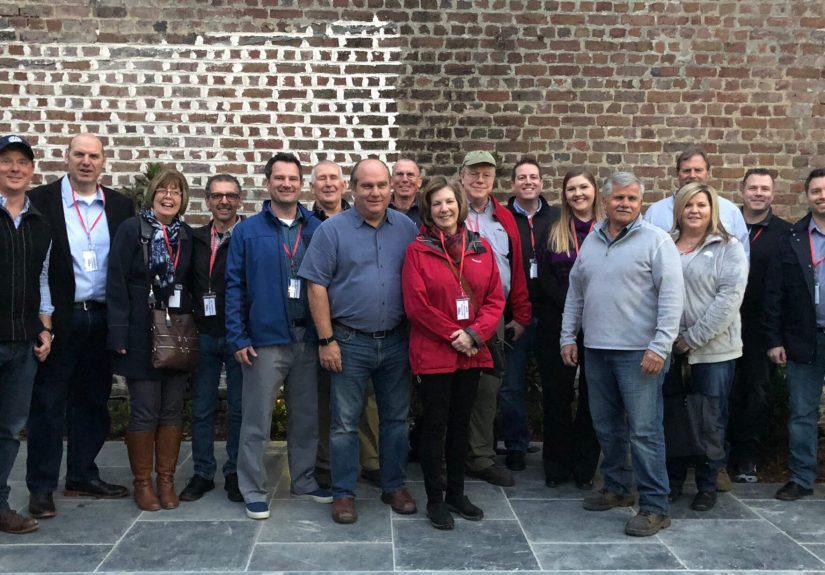
That spirit came through clearly in the well-known Charleston project celebration tied to the completion of a restored Charleston Single House. The event brought together the cast and crew behind the renovation, along with a small group of invited guests, to celebrate the home after months of work. The project had taken roughly eight months to bring the once run-down property back to life, and the gathering was more than a party. It was a reveal, a thank-you, and a collective exhale.
Why This Wrap Party Mattered More Than a Typical Project Finale
A construction wrap party can sometimes feel like an industry ritual: snacks, photos, congratulations, and everyone pretending they were never stressed. Charleston, however, adds another layer. The city’s historic homes are not blank slates. They come with street presence, neighborhood expectations, preservation rules, and a long memory. When a project wraps successfully in Charleston, the achievement belongs not only to the homeowner but also to the architects, craftspeople, preservation advocates, and neighbors who understand what was at stake.
That is especially true when the house itself reflects one of the city’s most recognizable residential forms: the Charleston single house. This iconic layout, narrow at the street and long on the lot, was developed as a smart response to climate, density, and daily life. Side piazzas helped capture airflow, deep porches offered shade, and the form made elegant use of Charleston’s long, narrow parcels. In other words, the house type is not charming by accident. It is charming because it is practical, adaptive, and deeply local.
So when a Charleston single house reaches its big finale, the house becomes more than a backdrop for smiling photos. It becomes the star of the evening. Guests are not just admiring a renovation; they are seeing a historic structure reclaim its dignity. That is a powerful mood, and no amount of catered crab cakes can fake it.
The House Was the Guest of Honor
Not Just Restored, but Reintroduced
The Charleston restoration that inspired this conversation centered on an 1840s brick single house in Ansonborough, one of the city’s most historically layered neighborhoods. The renovation work was ambitious: restoring wood floors, plaster, and medallions; improving circulation for modern family life; reconnecting a separate kitchen building to the main house; and refining the home’s relationship to its outdoor spaces. The goal was not to turn the property into a museum piece. The goal was to make it beautiful, functional, and lived-in again.
That matters because the best Charleston renovations do not worship the past so hard that nobody can find the coffee mugs. They respect the original bones while making daily life easier. A successful restoration in the city often depends on balance: preserve what gives the home character, upgrade what makes it livable, and never let the new work behave like it is the main character. In Charleston, good design has manners.
Why Eight Months Felt Earned
Eight months may sound quick in the abstract, until you remember what older houses tend to hide. Historic renovation is basically a polite version of detective work mixed with carpentry and occasional emotional damage. Behind one wall, there may be structural trouble. Under the floor, there may be evidence of previous “repairs” so questionable they deserve their own true-crime series. In a city where preservation standards are taken seriously, solutions also need to be thoughtful, compatible, and often in keeping with historic character.
That is why a wrap party at the end of a Charleston project feels earned in a way that is hard to overstate. It honors the people who kept showing up: contractors who stabilized old fabric rather than tossing it, designers who found ways to modernize without flattening the house’s personality, and homeowners who survived the long middle stretch of renovation, which is usually the least photogenic chapter in any story.
Charleston’s Preservation Culture Changes the Meaning of a Party
Charleston is not just another pretty Southern city with colorful facades and good porch lighting. It is a place where historic preservation has shaped civic identity for decades. The Preservation Society of Charleston’s Carolopolis Awards, established in the 1950s, celebrate exceptional rehabilitation, restoration, and preservation work. Winning projects are treated as part of the city’s architectural fabric, not just real estate success stories.
That preservation mindset changes how people read a finished house. They notice whether trim profiles were respected. They care whether materials were salvaged or replaced in kind. They understand the difference between a sensitive rear addition and one that stomps in like a tourist wearing flip-flops to a black-tie event. In Charleston, details are not decoration. They are evidence of seriousness.
This broader context also helps explain why project celebrations resonate beyond one address. When a neglected structure is stabilized and restored, the city sees more than one homeowner’s victory. It sees continuity. It sees proof that older buildings can still serve modern life. It sees an argument for keeping neighborhood character intact, even as the pressures of development, rising land values, and modernization continue to reshape the peninsula.
More Than One House, More Than One Story
The Charleston television project that framed this wrap-party moment also included a second restoration in the Cannonborough/Elliotborough area, where a family house with deep personal history was brought back from serious deterioration. That home carried emotional significance because it had belonged to the same family for generations, and its restoration meant preserving memory as much as architecture. Eventually, the project earned preservation recognition for its exterior rehabilitation.
That parallel story is important because it shows that a Charleston project wrap party is not just about one polished reveal. It is about the city’s layered housing traditions: grand single houses, modest neighborhood homes, family legacies, and streetscapes that hold more history than many newer places can fit into an entire district. Charleston is a city where one finished porch may connect to broader stories of craftsmanship, displacement, resilience, and reinvestment.
Even the neighborhoods themselves tell that story. Ansonborough is often described as Charleston’s first suburb, a place whose history includes fire, restoration, and major demographic change over time. Cannonborough/Elliotborough is valued for its diverse architecture and cultural elements, and local planning efforts have recognized the need to protect the qualities that make it distinct. A wrap party in this setting is not floating above context. It is standing right in the middle of it.
What Actually Makes a Charleston Project Wrap Party Feel Special?
The Mix of Craft and Camaraderie
A great wrap party in Charleston celebrates labor without making it feel like a trade conference. People want to admire the restored plaster ceiling, but they also want a drink in hand and a good story about the moment everyone thought the schedule was doomed. The best version of the event lets both things happen. Guests can tour the finished home, appreciate the craftsmanship, and hear the human stories behind the project.
That combination works especially well in Charleston because the architecture practically stages the party for you. Piazzas encourage lingering. Courtyards create natural conversation zones. Detached kitchen buildings, garden paths, and layered entry sequences make a house tour feel less like a forced march and more like a discovery. In a good Charleston house, even the circulation has charisma.
A Reveal with Emotional Texture
The party also matters because it changes how people experience the finished space. A room seen in a work update is one thing. A room seen after sunset, with warm lamps glowing, people laughing in the doorway, and that first sense of ease settling into the house, is something else entirely. Restoration becomes emotionally legible at that point. You can feel the difference between a project and a home.
And yes, the photos matter too. Charleston knows how to pose. Between gas lanterns, brick paths, iron gates, shutters, porches, and soft evening light, the city can make almost any gathering look cinematic. But the real appeal is not aesthetic trickery. It is that the setting reflects the reason for the celebration. A restored Charleston home does not need much help looking meaningful. It already is.
Lessons Modern Homeowners Can Borrow from the Charleston Project
1. Let the House Keep Its Accent
One of the smartest ideas behind historic Charleston renovation is that not every old house wants to become sleek, silent, and vaguely luxury-hotel-ish. The best projects keep the local accent. That might mean honoring a side piazza, restoring original doors, preserving plaster where possible, or using new work to support old character instead of competing with it.
2. Function Is Not the Enemy of Preservation
Charleston projects regularly show that practical upgrades can coexist with historical integrity. Better circulation, stronger connections between house and kitchen spaces, improved structural systems, and more usable family areas do not erase the past when done with care. They extend it.
3. A Good Finale Begins at the Start
No wrap party feels joyful if the entire project was held together with denial and panic. The Charleston model suggests a better path: plan thoroughly, assemble the right team, respect the house, and understand the neighborhood context before making big design moves. The celebration at the end reflects the decisions made at the beginning.
How to Create a Charleston-Inspired Project Wrap Party of Your Own
You do not need a television crew or a nationally recognizable house type to borrow the spirit of a Charleston project wrap party. What you need is intention.
Start with the tour. Let guests experience the transformation in sequence, from entry to main rooms to the spaces that changed most dramatically. People love before-and-after stories, especially when they can stand inside the “after” and hear what the “before” used to look like.
Next, celebrate the team. Mention the contractor who saved what seemed unsalvageable, the designer who solved the impossible layout issue, the craftsperson who matched the old trim profile, or the family member who kept morale alive when the kitchen was out of commission for what felt like three fiscal quarters. A wrap party becomes memorable when the people behind the result are visible.
Then, lean into atmosphere. Charleston-style gatherings are strongest when they feel relaxed but textured: porch seating, warm lighting, easy food, seasonal drinks, and enough storytelling to make the house feel animated. Nobody wants to attend a reveal that feels like a silent museum opening with better appetizers.
Finally, remember that the point is not perfection. The point is closure. A good wrap party says, “The hard part happened. The house made it. We made it. Come see.”
Experiences That Capture the Spirit of a Charleston Project Wrap Party
Imagine arriving just before dusk. The air is still a little soft from the day’s humidity, but the light has shifted into that flattering Charleston mode where brick glows, shutters deepen in color, and every porch looks like it has been waiting all year to host exactly this kind of evening. Guests step through the gate slowly, not because they are late, but because they are already looking. The house has changed. Even before anyone says a word, that much is obvious.
At the entrance, someone points out a detail that nearly disappeared during construction: a repaired piece of molding, a restored transom, a section of floor saved instead of replaced. That is one of the most satisfying parts of a wrap party in a city like Charleston. The triumph is not only visible in the grand gestures. It lives in the tiny decisions. The line of a porch railing. The careful match of old and new wood. The way the restored plaster still has softness instead of sterile perfection. Guests may come for the reveal, but they stay for the details.
As people move through the rooms, conversations gather in clusters. One group is in the front parlor talking about what the house must have looked like decades ago. Another is in the kitchen admiring how modern conveniences slipped into the floor plan without flattening the home’s personality. Out on the piazza, the mood loosens. The contractors are suddenly no longer just contractors. They are storytellers. Someone describes the worst surprise hidden behind a wall. Someone else admits there was a week when the project looked like it might never reach the finish line. Everyone laughs the hard laugh of people who have earned it.
Food circulates. Drinks clink. Neighbors stop by and offer the kind of compliments that matter most in a historic city: not “It looks expensive,” but “It still feels like the house.” That is the gold medal. In Charleston, a successful restoration should feel improved, not erased. It should look cared for, not overhandled. It should welcome modern life without acting embarrassed about its age.
As the evening settles in, the house changes again. Lamps turn on. Reflections appear in old glass. Porch conversations stretch a little longer. The building that spent months as a worksite fully reenters social life. That transition may be the real heart of the wrap party. The house is no longer a problem to solve or a deadline to survive. It is a setting for memory again. People are inhabiting it the way houses hope to be inhabited: with ease, noise, movement, and affection.
By the end of the night, the celebration starts to feel less like a party and more like a handoff. The crews will move on. The cameras, if there were any, will leave. The punch-list worries will shrink. What remains is the restored home itself, now carrying old history and brand-new stories at the same time. That is the real Charleston project wrap party experience. It is festive, yes. But it is also deeply local, slightly emotional, and wonderfully grounded in the idea that saving a house is worth celebrating out loud.
Conclusion
The beauty of a Charleston project wrap party is that it honors more than a finished renovation. It celebrates the return of a house to daily life, the people who made that return possible, and the city traditions that make preservation feel urgent rather than nostalgic. In Charleston, the best project finale is not simply a before-and-after moment. It is a reminder that old houses can still host new chapters with style, grace, and just enough porch magic to make everyone linger a little longer.
Note: SEO tags are placed below in JSON format for easy publishing.