Table of Contents >> Show >> Hide
- What Is a Cast Iron Double Hook?
- Why Cast Iron Double Hooks Are Still So Popular
- Best Places to Use a Cast Iron Double Hook
- How to Choose the Right Cast Iron Double Hook
- Installation Tips for Cast Iron Double Hooks
- How to Care for a Cast Iron Double Hook
- Cast Iron Double Hook vs. Other Hook Materials
- Decorating Ideas with Cast Iron Double Hooks
- Common Mistakes to Avoid
- Real-Life Experiences with Cast Iron Double Hooks
- Conclusion
A cast iron double hook is one of those tiny home upgrades that quietly does heroic work. It holds coats, hats, towels, bags, aprons, robes, keys, dog leashes, and occasionally that one mystery tote bag everyone in the house refuses to claim. It does all this while looking sturdy, vintage, rustic, and slightly more confident than the average piece of wall hardware.
Unlike lightweight plastic hooks or temporary adhesive hangers, cast iron double hooks are made for people who want storage that feels permanent, practical, and decorative. They bring the charm of old hardware into modern homes, whether your style leans farmhouse, industrial, cottage, coastal, traditional, or “I bought one antique-looking thing and now I’m redesigning the entryway.”
This guide explores what a cast iron double hook is, why it remains popular, where to use it, how to choose the right one, how to install it properly, and how to keep it looking good for years. Think of it as a love letter to one of the hardest-working little pieces of hardware in the house.
What Is a Cast Iron Double Hook?
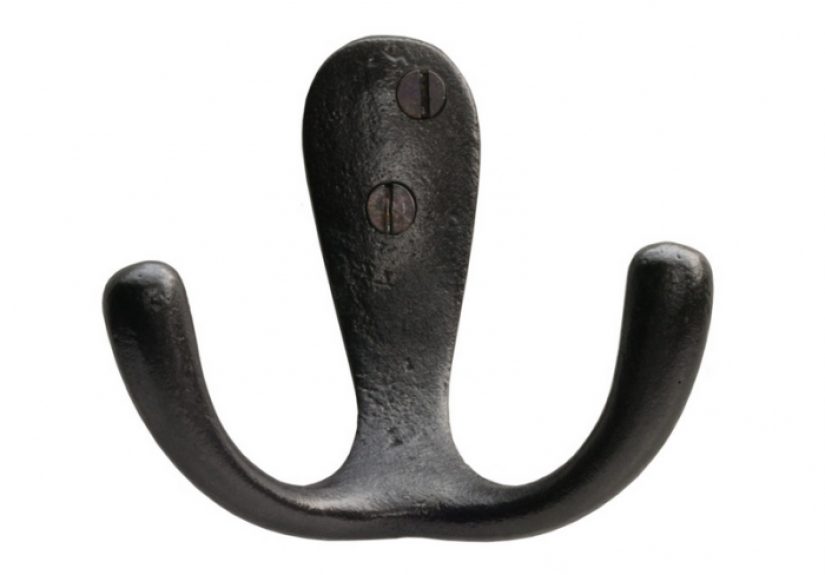
A cast iron double hook is a wall-mounted or door-mounted hook made from cast iron and designed with two hanging points. Most designs have one upper hook and one lower hook, or two side-by-side arms, allowing you to hang multiple items in the same footprint. That double-prong design is what makes it so practical: one small piece of hardware can do the job of two single hooks without hogging wall space.
Cast iron is created by pouring molten iron into a mold, which allows manufacturers to form detailed shapes, curved arms, decorative bases, and vintage-style patterns. That is why cast iron hooks often come in designs that look old-world, antique, nautical, floral, farmhouse, Victorian, or industrial. They are functional, but they also have personality. A plain hook says, “hang your coat.” A cast iron double hook says, “hang your coat, and yes, I may have belonged in a 1910 railway station.”
Why Cast Iron Double Hooks Are Still So Popular
They Are Strong and Reliable
One of the biggest reasons homeowners choose cast iron hooks is durability. Cast iron feels solid in the hand because it is solid. It is heavier than many modern hook materials, and that weight gives it a substantial, old-fashioned quality. When properly installed into a stud, wood backing, or suitable wall anchor, a cast iron double hook can handle everyday storage needs such as coats, towels, bags, backpacks, robes, and hats.
Of course, strength depends on the specific hook, the screw quality, the wall material, and how the hook is mounted. A hook installed into drywall with weak anchors is not going to perform like one secured into a wood stud. The hook may be cast iron, but the wall still gets a vote.
They Add Instant Character
Cast iron has visual weight. It does not disappear into a room the way some modern hardware does. Instead, it adds texture and contrast. A matte black cast iron double hook can make a white shiplap wall look more finished. An antique brass or rust-brown finish can warm up a mudroom. A decorative scroll hook can give a bathroom a charming vintage touch.
That is the fun of this type of hardware: it solves a storage problem while acting like décor. It is the rare home accessory that says, “I am useful,” and “I look great in photos,” at the same time.
They Fit Many Design Styles
A cast iron double hook can work in more rooms than people expect. It is not limited to cabins or farmhouses. Depending on the shape and finish, it can suit:
- Farmhouse entryways with wood benches and woven baskets
- Industrial lofts with brick, metal, and exposed shelving
- Vintage bathrooms with pedestal sinks or subway tile
- Coastal mudrooms with nautical or anchor-shaped hooks
- Traditional hallways with antique-style hardware
- Modern spaces that need a little contrast and texture
In short, cast iron double hooks are flexible. They can look rugged, refined, playful, historic, or minimal depending on the design.
Best Places to Use a Cast Iron Double Hook
Entryway or Foyer
The entryway is the natural home for a cast iron double hook. Mount several hooks in a row and you instantly create a drop zone for coats, hats, handbags, umbrellas, and reusable shopping bags. This is especially useful in smaller homes or apartments where a full coat closet is either missing or already occupied by things no one remembers buying.
For a balanced look, install hooks at a consistent height and leave enough space between them so bulky jackets do not overlap too much. If kids will use the hooks, consider placing a lower row within their reach. Children are much more likely to hang up a backpack when the hook is not located in the clouds.
Mudroom
A mudroom practically begs for cast iron hardware. Double hooks can hold wet jackets, garden hats, dog leashes, tote bags, and outdoor gear. Their rugged appearance pairs well with benches, cubbies, boot trays, beadboard, and wood paneling.
In a busy mudroom, choose hooks with a strong projection and enough clearance for bulkier items. A tiny decorative hook may look adorable, but it might not be the best choice for heavy winter coats or oversized backpacks.
Bathroom
Cast iron double hooks are excellent for towels, robes, shower caps, and hanging baskets. They are especially useful when wall space is limited because the double design gives you two hanging points in one spot. In a guest bathroom, a row of cast iron hooks can replace a towel bar and make the room feel more custom.
Bathrooms are humid, so finish matters. Look for a hook with a protective coating, painted finish, powder-coated surface, or sealed antique finish. If the hook is raw or intentionally distressed, keep it dry and wipe it down regularly to reduce the chance of rust.
Kitchen
In the kitchen, cast iron double hooks can hold aprons, oven mitts, market bags, dish towels, small baskets, or even mugs if mounted securely in the right place. A few hooks on the side of a pantry cabinet can create storage where there was previously just empty space and mild regret.
For kitchen use, choose a finish that is easy to wipe clean. Grease, steam, and cooking splatter are part of real life, so highly textured hooks may need more frequent cleaning.
Bedroom and Closet
A cast iron double hook works well behind a bedroom door, inside a closet, or beside a dresser. Use it for tomorrow’s outfit, a favorite hat, scarves, belts, handbags, or robes. In a small bedroom, hooks are an easy way to keep frequently used items visible without turning a chair into the official laundry annex.
Laundry Room
In a laundry room, a double hook can hold mesh bags, hangers, cleaning cloths, ironing accessories, or garments waiting to air dry. Cast iron adds a finished look to a room that often gets treated as purely utilitarian. Even the laundry room deserves a little dignity.
How to Choose the Right Cast Iron Double Hook
Consider the Size
Cast iron double hooks come in many sizes. Smaller hooks may be only a few inches tall and are ideal for keys, hats, jewelry, aprons, or lightweight towels. Larger hooks with wider bases and longer projections are better for coats, bags, robes, and daily-use items.
Before buying, check the height, width, projection, and base size. Projection is especially important because it tells you how far the hook extends from the wall. A hook with shallow projection may not hold bulky coats comfortably, while a deeper hook can handle layered items more easily.
Check the Weight Capacity
Some decorative wall hooks are rated for light-duty use, while others are designed to support heavier items. Weight capacity can vary widely depending on the hook design and installation method. Always check the manufacturer’s stated load rating when available.
If you plan to hang heavy coats, backpacks, or bags, installation becomes just as important as the hook itself. Mounting into a wall stud or solid wood surface is usually the most secure option. Drywall anchors can work for moderate loads when correctly chosen, but they should match both the wall type and the expected weight.
Choose the Finish Carefully
The finish affects both style and maintenance. Common finishes for cast iron double hooks include matte black, oil-rubbed bronze, antique iron, distressed white, rust brown, antique brass, and painted colors. Matte black is versatile and popular in farmhouse, modern, and industrial spaces. Antique iron looks classic and understated. Distressed finishes create a weathered, vintage feel.
For bathrooms, laundry rooms, covered porches, and other damp areas, choose a hook with a protective finish. Cast iron can rust if exposed to moisture over time, especially if the surface coating is scratched or unfinished.
Match the Style to the Room
A simple plain cast iron double hook works almost anywhere. Ornate designs are better for vintage, Victorian, or cottage-inspired rooms. Anchor, bird, hand, leaf, or animal-shaped hooks can add personality to kids’ rooms, beach houses, garden sheds, or playful entryways.
When in doubt, choose a simpler design. A classic hook will age better visually than a novelty hook that seemed hilarious at 1 a.m. while browsing home décor online.
Installation Tips for Cast Iron Double Hooks
Find the Right Height
For adult coat storage, hooks are often installed around shoulder height or slightly above. For family spaces, consider two rows: a higher row for adults and a lower row for children. In bathrooms, place towel hooks where towels can hang freely without touching the floor or blocking doors.
Spacing matters too. If you are installing multiple hooks, leave enough room between each one for bulky items. Tight spacing may look neat when the wall is empty, but once winter coats arrive, the hooks can quickly become a fabric traffic jam.
Use the Right Screws and Anchors
Many hooks include mounting screws, but included hardware is not always ideal for every wall. For wood surfaces, use screws long enough to bite securely into the material. For drywall, choose anchors rated for the expected load. For masonry, brick, or tile, use appropriate masonry anchors and drill bits.
If the hook will carry heavy items, mounting into a stud is the best option. Use a stud finder, mark the hole locations, pre-drill if needed, and fasten the hook firmly. Avoid overtightening, especially with decorative cast iron, because too much pressure can damage the finish or stress the casting.
Install Hooks Level and Secure
Use a level before drilling. A slightly crooked hook can be surprisingly annoying once you notice it, and yes, you will notice it every single day. Mark your holes with a pencil, double-check the spacing, and then drill. After installation, gently test the hook before loading it with heavier items.
Note: Always follow the manufacturer’s installation instructions and load rating. A cast iron double hook is strong, but safe performance depends on proper mounting and the condition of the wall.
How to Care for a Cast Iron Double Hook
Keep It Dry
Cast iron can last for decades, but moisture is its main enemy. In damp rooms, wipe hooks dry if they regularly collect condensation or wet towels. If used outdoors, place them in covered areas unless the product is specifically rated for exterior use.
Clean Gently
For regular cleaning, use a soft dry cloth or a slightly damp cloth followed by thorough drying. Avoid harsh chemical cleaners that may strip the finish. For textured or ornate hooks, a soft brush can help remove dust from grooves and decorative details.
Touch Up Scratches
If the finish gets scratched, touch it up before rust has a chance to move in and start paying rent. Depending on the finish, this may involve a small amount of matching paint, wax, oil, or protective coating. For antique or distressed finishes, test any product in a hidden area first.
Cast Iron Double Hook vs. Other Hook Materials
Cast Iron vs. Steel
Steel hooks are often sleek, strong, and modern. Cast iron hooks tend to feel more traditional, heavier, and more decorative. Steel may be the better fit for ultra-modern interiors, while cast iron is ideal when you want texture, charm, and a vintage or handcrafted look.
Cast Iron vs. Brass
Brass hooks have a warmer, polished appearance and are often used in traditional or luxury spaces. Cast iron is usually more rustic and rugged. If brass is the jewelry of the hardware world, cast iron is the dependable work boot that still looks good with jeans.
Cast Iron vs. Plastic or Adhesive Hooks
Plastic and adhesive hooks can be useful for temporary or lightweight needs, especially in rentals. However, they do not offer the same permanent feel, decorative presence, or load potential as a properly installed cast iron hook. For long-term storage and everyday use, cast iron is usually the more durable and attractive option.
Decorating Ideas with Cast Iron Double Hooks
Create a Custom Hook Rail
Mount several cast iron double hooks on a stained or painted wood board to create a custom hook rail. This works beautifully in entryways, mudrooms, laundry rooms, and bathrooms. The board helps distribute weight and makes installation easier because you can secure the board into studs, then attach hooks wherever they look best.
Mix Hooks with Shelving
Pair a shelf with cast iron hooks underneath for a practical storage station. Use the shelf for baskets, mail, folded towels, or décor, and use the hooks for hanging items. This combination is especially useful in small spaces where every inch needs a job title.
Use Hooks as Decorative Accents
Not every hook needs to be loaded with stuff. A cast iron double hook can hold a wreath, dried herbs, a woven bag, a small hanging planter, or seasonal décor. In the kitchen, it can display a linen apron. In the bathroom, it can hold a Turkish towel. In the entryway, it can display a favorite hat and make the whole space feel intentionally styled.
Common Mistakes to Avoid
Ignoring Wall Strength
The most common mistake is assuming the hook alone determines strength. It does not. The mounting surface matters. A heavy-duty hook installed poorly can fail, while a modest hook installed correctly can perform beautifully for years.
Choosing Style Over Function
Decorative hooks are tempting, but function should come first. Make sure the hook is deep enough, smooth enough, and strong enough for what you plan to hang. A beautiful hook that drops your towel on the floor every morning is not charming. It is just rude.
Using the Wrong Finish in Wet Areas
Raw or distressed cast iron can be lovely, but it may not be the best choice for a steamy bathroom unless properly sealed. In humid spaces, choose protected finishes and keep hooks dry when possible.
Real-Life Experiences with Cast Iron Double Hooks
One of the best things about using a cast iron double hook is how quickly it proves its value. The first time you install one by the door, it becomes obvious that the hook was not merely decorative. It becomes the place where the dog leash lives, where the everyday jacket lands, and where the tote bag for errands waits patiently like a responsible adult.
In an entryway, a row of cast iron double hooks can completely change the behavior of a household. Before hooks, coats migrate to chairs, backpacks collapse on the floor, and hats vanish into a parallel universe. After hooks, everything has a visible place. The room looks cleaner, and nobody has to ask, “Where did I put my keys?” quite as often. The answer may still be “in yesterday’s jeans,” but at least the wall is trying to help.
In bathrooms, cast iron double hooks offer a more relaxed alternative to towel bars. A towel bar asks you to fold or spread the towel neatly, which is optimistic in a busy household. A hook simply says, “Hang it here. We’ll call it good.” Double hooks are especially useful for shared bathrooms because one hook can hold a towel and robe, or two towels if they are not too bulky. The look is casual but stylish, especially when paired with natural textures like wood, stone, cotton, and linen.
In kitchens, a cast iron double hook often becomes more useful than expected. It can hold aprons near the stove, reusable bags near the pantry, or a small basket for garlic, towels, or odds and ends. Because cast iron has a grounded, traditional look, it pairs well with butcher block, open shelving, vintage signs, and farmhouse sinks. Even in a modern kitchen, a black cast iron hook can add a small but welcome contrast.
There is also something satisfying about the feel of cast iron. It has weight. It does not feel flimsy or temporary. When you hang a coat on it, there is no nervous moment where you wonder whether the hook is reconsidering its career. Properly mounted, it feels dependable. That sense of permanence is part of the appeal.
Another experience worth mentioning is how well cast iron hooks age visually. A tiny scuff on a glossy modern hook may look like damage. A little wear on a cast iron hook often looks like character. This does not mean you should neglect it, especially around moisture, but it does mean cast iron is forgiving in a way many polished materials are not. It looks comfortable in real homes, not just showroom corners.
For DIY projects, cast iron double hooks are beginner-friendly. Installing one hook is usually a simple project, and installing a row of them on a wood board can create a custom piece that looks far more expensive than it is. A stained oak board with matte black cast iron hooks can transform a blank wall into a mudroom feature. A painted board with antique-style hooks can give a laundry room or bathroom a finished, intentional look.
The biggest lesson from living with cast iron double hooks is simple: small hardware can make a big difference. A hook is not glamorous, but neither is tripping over backpacks. When chosen well and installed properly, a cast iron double hook brings order, charm, and durability to everyday life. It is practical design at its best: useful, attractive, and quietly working in the background while the rest of the house gets all the compliments.
Conclusion
A cast iron double hook is more than a place to hang a coat. It is a compact storage solution, a decorative accent, and a durable piece of hardware that fits beautifully into entryways, mudrooms, bathrooms, kitchens, bedrooms, closets, and laundry rooms. Its double-prong design makes it efficient, while its cast iron construction gives it strength, texture, and timeless appeal.
To get the best result, choose the right size, match the finish to the room, check the weight rating, and install it securely. Keep it dry, clean it gently, and touch up scratches when needed. Do that, and this small hook may outlast several trends, a few paint colors, and possibly your current obsession with organizing baskets.
Whether your home style is rustic farmhouse, vintage industrial, cottage, traditional, or modern with a hint of old-school charm, a cast iron double hook is a simple upgrade that earns its spot on the wall every single day.