Table of Contents >> Show >> Hide
- What Is Big Daddy’s Antiques, Exactly?
- Where It Is and What the Space Feels Like
- What You’ll Find Inside
- Who Shops Here (and Why)
- How to Shop Big Daddy’s Like a Pro
- Design Ideas You Can Steal (Legally)
- More Than Shopping: Events, Shoots, and Creative Projects
- Planning Your Visit: Make It a Mini LA Design Day
- Quick FAQs
- Conclusion: Why Big Daddy’s Still Feels Like Peak LA
- Bonus: A 500-Word “Day at Big Daddy’s” Experience
Los Angeles has a special talent: it can turn “old stuff” into “the exact vibe I’ve been trying to describe to my contractor for six months.”
And if you’ve ever wanted to walk into a place and immediately feel like you’re standing inside a perfectly styled movie set (minus the yelling,
plus better lighting), Big Daddy’s Antiques is one of the city’s most famous rabbit holes.
This isn’t the kind of antique store where you politely admire a glass cabinet of tiny spoons and whisper, “How charming,” as you back away
toward the exit. Big Daddy’s is the “wow” kind of placebig-scale furniture, industrial oddities, salvaged architectural pieces, and décor that
looks like it already has a story (even if you just met five seconds ago).
What Is Big Daddy’s Antiques, Exactly?
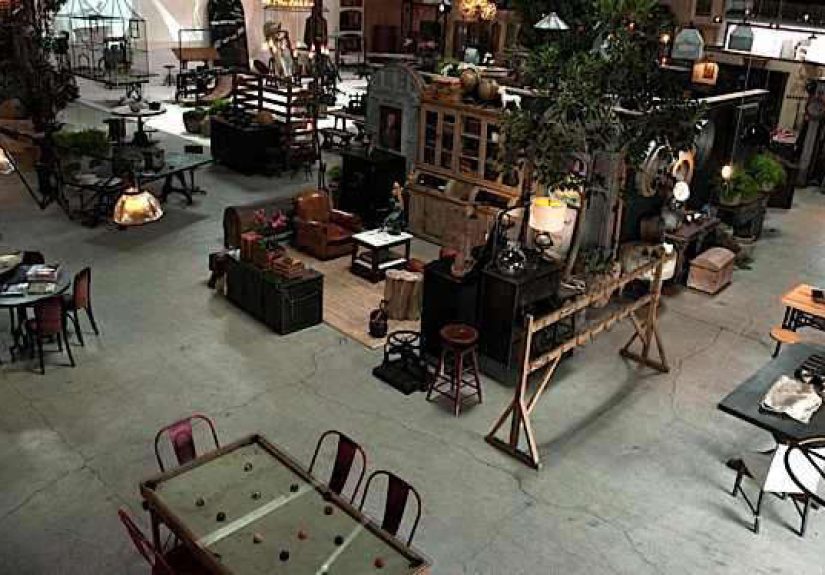
Think of Big Daddy’s as a curated vintage-and-antiques warehouse with the soul of a set designer and the confidence of a great thrift find.
It’s known for statement furniture, sculptural lighting, and layered vignettes that make you want to redo your entire home using only reclaimed
wood, iron, and sheer determination.
The short version: you come here for pieces that feel one-of-a-kind. The long version: you come here, fall in love with a massive table that
looks like it survived three centuries and a rock tour, then spend the next week measuring every doorway in your house like you’re training for
the Olympics of “Will This Fit?”
Where It Is and What the Space Feels Like
Big Daddy’s LA location sits near the La Cienega corridor, in that sweet spot where the city’s creative energy meets real, practical “I need a sofa
that doesn’t look like everyone else’s sofa.” The space is famously warehouse-likewide aisles, big ceilings, and room to stage entire “rooms”
that look ready for a magazine shoot.
What makes it memorable isn’t just square footage; it’s the way things are displayed. You’ll see rugged industrial pieces next to refined European-inspired
furniture, then a totally unexpected objectlike a vintage fixture or sculptural salvagetying the whole scene together. It’s less “store layout”
and more “choose-your-own-adventure for design people.”
What You’ll Find Inside
1) Furniture With Presence
Big Daddy’s is known for furniture that doesn’t whisperit speaks clearly, confidently, and occasionally in a low cinematic voice. Expect
substantial tables (often with reclaimed wood energy), mixed-material pieces, rustic seating, and vintage finds that feel collected rather than produced.
Some pieces lean antique, others read vintage-industrial, and many blur the line in the best way: old-world character with modern practicality.
2) Lighting That Makes the Room
If you’ve ever looked at a light fixture and thought, “This is fine,” Big Daddy’s is here to fix that. The lighting selection often leans bold:
industrial-inspired fixtures, repurposed elements, and statement pieces that add instant personality. Even if you don’t buy anything, walking through
the lighting area can reset your brain on what’s possible above a dining table.
3) Architectural Salvage and Décor Objects
This is where the treasure-hunt feeling really kicks in. You’ll find vintage décor, utilitarian objects turned art, mirrors and frames with patina,
sculptural pieces, containers, and items that are hard to categorize in a normal retail way. Some shoppers come for “a little something” and leave
with the exact object they didn’t know they needed: the perfect old-world jar, a weathered pedestal, or a piece of salvage that suddenly becomes
a headboard idea.
4) Garden and Outdoor Pieces
LA is basically an outdoor-living city, and Big Daddy’s tends to understand that assignment. Planters, urns, and garden elements can show up alongside
outdoor-friendly furniture and weathered accents. If your patio currently looks like “two chairs and regret,” this is a dangerous placein a good way.
Who Shops Here (and Why)
Big Daddy’s has a reputation for attracting a mix of interior designers, stylists, and people who just want their home to feel less “assembled”
and more “collected.” It’s also been known as a source for creative professionals who need distinctive pieces that read well on camerabecause
in Los Angeles, sometimes your living room is also your background, your brand, and your accidental Zoom set.
The inventory tends to support different missions: furnishing an entire space, finding one “anchor” piece, or sourcing unique props and accents.
In other words, it’s as welcoming to the serious design shopper as it is to someone who came in “just to browse” and is now texting friends,
“Please talk me out of buying this giant mirror.”
How to Shop Big Daddy’s Like a Pro
Bring measurements (and humility)
The quickest way to fall in love with something is to ignore reality. The quickest way to keep your sanity is to bring measurements:
room dimensions, doorway width, elevator constraints (if you live that apartment life), and the maximum size your car can carry without becoming
an abstract sculpture of stress.
Decide what “patina” means to you
Some people want “perfect.” Big Daddy’s fans often want “character.” Know where you land: do you want a piece that looks gently lived-in, or
are you excited by wear, texture, and signs of age? This helps you shop fasterand prevents that moment where you’re shocked an antique looks,
well, antique.
Ask smart questions
If you’re considering a bigger purchase, ask about condition, restoration work, and how the piece was sourced or built. If it’s a mixed-material
piece, ask what’s structural versus decorative. If it’s a vintage item repurposed for modern use (especially lighting), ask how it’s been updated.
A good store will appreciate a buyer who cares.
Think in “vignettes,” not categories
Big Daddy’s strength is staging. Instead of hunting only for “a coffee table,” look at how pieces are grouped: textures, heights, finishes, and
the balance of old and new. This is how you end up with a room that feels intentional instead of accidentally eclectic.
Design Ideas You Can Steal (Legally)
The Industrial Romance Living Room
Start with one anchor: a reclaimed-wood coffee table or a vintage trunk. Add metal accents (iron side table, factory-style lamp),
and soften it with linen, a textured rug, and a couple of pieces that bring warmthaged leather, carved wood, or an oversized mirror.
The goal is contrast: rugged + refined, not rugged + “did we move into a workshop?”
California Rustic-Chic Bedroom
Think: sturdy bed frame, warm woods, and a single statement fixture overhead. Keep the palette calmcream, sand, warm graythen
add character through texture: a vintage bench, patinated nightstands, and one bold vintage object that looks like it was found in
a European market (even if it was found five miles away).
Courtyard Upgrade for People Who Actually Use Their Patio
Big planters, weathered garden accents, and outdoor seating with real presence can turn a plain patio into a destination.
Layer it like an indoor room: one anchor piece (table or bench), a couple of “supporting actor” items (stools, side tables),
and a focal point (urns, sculptural element, or oversized lighting if the space allows).
More Than Shopping: Events, Shoots, and Creative Projects
In LA, spaces do double dutyand Big Daddy’s has been associated with creative use beyond retail, including being a memorable backdrop for
events and production-related needs. The warehouse aesthetic works because it already feels like a set: dramatic scale, layered visuals,
and that “something interesting everywhere you look” quality.
Even if you never rent a space or source for a project, it’s worth thinking like a creative: walk through and observe how styling
tricks are pulled offhow lighting is used, how unexpected objects become art, how scale changes the mood of a room.
Planning Your Visit: Make It a Mini LA Design Day
If you’re coming from elsewhere in the city, treat this like a design field trip. Wear comfortable shoes, give yourself time,
and don’t rush. Big Daddy’s is the kind of place that rewards slow lookingbecause the best finds aren’t always front and center.
Pro tip: take photos (if allowed), and take notes. Your memory will get overloaded fast. After your visit, you’ll want to compare
dimensions, finishes, and the general “vibe math” of what you saw versus what your space actually needs.
Quick FAQs
Is Big Daddy’s expensive?
It can be. Like most curated antique and vintage spaces, pricing typically runs from smaller, more accessible décor pieces up to serious
investment items. The value proposition is uniqueness: you’re paying for character, sourcing, and pieces that don’t feel mass-produced.
If you’re budget-conscious, focus on smaller items (objects, containers, mirrors, lighting accents) that deliver a big visual punch without
requiring a second mortgage.
Can I find something “modern” here?
Yes, in the sense that the aesthetic often blends antique and vintage character with modern usability. You’ll see plenty of pieces that play nicely
with contemporary homesespecially if you like a warm, layered look rather than stark minimalism.
Do I need an interior designer to shop here?
Not at all. Come with a plan (even a loose one), a few measurements, and an open mind. The store is inspiring even for casual browsers,
and it’s a great place to learn how designers build “collected” rooms that feel natural rather than staged.
What about hours?
Because retail hours can change with seasons, events, and holidays, it’s smart to verify before you goespecially if you’re planning a Saturday visit.
The safest move is to check the store’s current official channels the day you plan to head over.
Conclusion: Why Big Daddy’s Still Feels Like Peak LA
Big Daddy’s Antiques has earned its status by being more than “a place to buy things.” It’s a place to get ideasabout texture, scale, mixing eras,
and letting a home feel lived-in without looking messy. You might go in hunting for one piece and leave with a full mental mood board,
plus a strong opinion about why your overhead lighting deserves better.
If you love vintage furniture in Los Angeles, want that reclaimed-wood-and-iron look without the cookie-cutter feeling, or simply want a few
standout pieces that make your space feel like you, Big Daddy’s is worth putting on your LA shopping map.
Bonus: A 500-Word “Day at Big Daddy’s” Experience
Picture this: you walk in with the humble goal of “just browsing,” which is the design equivalent of saying, “I’ll just have one chip.”
The space opens up like a warehouse dreambig ceilings, wide walkways, and little pockets of staged rooms that make you forget you’re in a store.
The first thing you notice isn’t one object; it’s the mood. Everything feels layered and intentional, like someone styled it with the confidence
of a person who owns multiple tape measures and isn’t afraid to use them.
You drift toward a vignette that looks like a living room from a movie where the main character is definitely cooler than you (but you’re working on it).
There’s a rugged coffee tablescarred in a way that reads “history” and not “damage”paired with seating that somehow feels both vintage and current.
You run your hand over the wood like you’re evaluating a melon at the grocery store. This is your life now. Somewhere nearby, a light fixture
hangs like industrial jewelry, and you catch yourself thinking, “Maybe my dining room does need a statement chandelier.”
Ten minutes later, you’re in the objects section, where time becomes a vague suggestion. You spot a mirror with a frame that looks like it has seen
at least three dramatic breakups and one extremely stylish dinner party. You imagine it over your mantel. You imagine it in your hallway.
You imagine it somehow improving your posture and credit score. Then you remember: doorways. Measurements. Reality. You take a photo (if permitted),
jot down a note, and keep movingbecause if you stop for too long, you’ll convince yourself you can “make it work” the way people do with
questionable haircuts.
As you wander, you start noticing the real magic: the mix. Old next to new. Refined next to rough. Warm wood beside dark metal.
It’s a master class in contrastproof that a room doesn’t need to match to feel cohesive. You watch other shoppers do the same slow walk,
the same pause-and-stare, the same quiet recalculation of budgets. Everyone here is a little bit hunting, a little bit daydreaming.
Eventually, you end up outside (or in a garden-oriented area, depending on what’s available that day) and suddenly you’re planning a patio
transformation like you’re auditioning for a home makeover show. You imagine big planters, a weathered bench, maybe an outdoor table that could host
a dinner partyor at least hold your laptop while you pretend to answer emails. And when you finally leave, you’re not just leaving with inspiration.
You’re leaving with a sharper eye: for texture, for scale, for the kind of pieces that make a space feel collected. You didn’t just shop.
You built a mental blueprint for your next design moveand that’s the real souvenir.