Table of Contents >> Show >> Hide
- Why Elderflower Cordial Works So Well in Recipes
- Best Recipes Using Elderflower Cordial
- 1. Sparkling Elderflower Lemonade
- 2. A Hugo-Style Elderflower Spritz
- 3. Tequila and Elderflower Highball
- 4. Blueberry or Mixed Berry Elderflower Pie
- 5. Lemon and Elderflower Tart
- 6. Strawberry and Elderflower Cake
- 7. Elderflower Whipped Cream, Fool, or Parfait
- 8. Elderflower Ice Cream or Frozen Yogurt
- 9. Elderflower Jelly, Panna Cotta, or Soft-Set Cream Desserts
- 10. Raspberry-Elderflower Sauce for Cheesecake, Yogurt, and Ice Cream
- How to Use Elderflower Cordial Without Overdoing It
- Which Elderflower Cordial Recipe Should You Make First?
- Kitchen Experiences: What I’ve Learned From Cooking With Elderflower Cordial
- Conclusion
Elderflower cordial is one of those ingredients that makes people sound fancy even when they are standing in the kitchen wearing pajama pants and stirring something with a cereal spoon. It is sweet, floral, lightly citrusy, and wildly good at making ordinary recipes taste like they belong at a summer garden party with excellent napkins. If you have a bottle in the fridge and keep wondering what to do with it beyond splashing it into sparkling water, good news: this fragrant syrup has range.
The best recipes using elderflower cordial take advantage of its strengths instead of fighting them. It loves tart flavors like lemon and lime. It gets along beautifully with strawberries, blueberries, raspberries, rhubarb, and melon. It can make whipped cream taste more elegant, help a cake feel brighter, and turn a simple drink into something that feels restaurant-level without requiring a bartender’s vest. The trick is not to use it like maple syrup or vanilla extract. Elderflower cordial is more like a finishing flourish: a little goes a long way, and when you pair it with the right ingredients, it sings.
Below are the best ways to use elderflower cordial in drinks, desserts, and fruit-forward recipes that actually deserve your sugar budget.
Why Elderflower Cordial Works So Well in Recipes
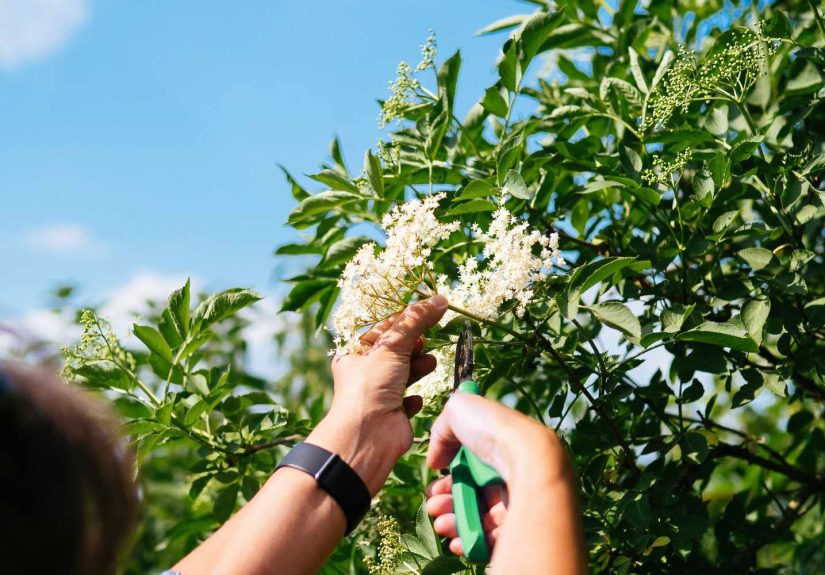
Before diving into the best elderflower cordial recipes, it helps to understand why this ingredient is so useful. Elderflower cordial is a concentrated syrup made by steeping elderflowers with sugar and citrus, often lemon and sometimes citric acid. That means it brings three things to the table at once: sweetness, perfume, and brightness.
That combination makes elderflower cordial ideal for recipes that need a flavor lift without added heaviness. In drinks, it softens sharp citrus and adds floral complexity. In cakes and tarts, it rounds out lemon and berry flavors without tasting old-fashioned or overly sugary. In frozen desserts, it gives cold, creamy mixtures a fragrant top note that keeps them from feeling flat. It is basically the culinary equivalent of opening a window on the first warm day of spring.
The secret is balance. Elderflower cordial works best when paired with acidity, fresh fruit, bubbles, or dairy. If everything in the recipe is already very sweet, the cordial can get a little too polite and disappear. If the recipe has lemon juice, berries, yogurt, sparkling water, or whipped cream, elderflower cordial suddenly becomes the most interesting person at the party.
Best Recipes Using Elderflower Cordial
1. Sparkling Elderflower Lemonade
If you want the easiest possible win, start here. Sparkling elderflower lemonade is one of the best nonalcoholic recipes using elderflower cordial because it lets the flavor stay front and center. Mix fresh lemon juice, cold sparkling water, plenty of ice, and just enough cordial to sweeten and perfume the drink. Add lemon slices and a mint sprig if you want your glass to look like it has its own publicist.
This recipe works because lemon keeps the floral sweetness from getting syrupy. It is refreshing, simple, and easy to scale up for brunches, baby showers, backyard dinners, or those afternoons when plain water feels emotionally inadequate. You can also add cucumber slices for a spa-style version, or blend in a few strawberries for a pink lemonade twist.
2. A Hugo-Style Elderflower Spritz
When people ask how to use elderflower cordial in cocktails, this is usually my first answer. A Hugo-style spritz combines elderflower cordial with sparkling wine or prosecco, mint, lime, and soda water. The result is light, fizzy, and dangerously easy to drink. It tastes like summer got organized.
The best version keeps the sweetness restrained. Start with ice, mint, and lime in a large wine glass. Add a splash of elderflower cordial, pour in prosecco, and top with club soda. You want bubbles, freshness, and perfume, not a sugar bomb in stemware. This is one of the best elderflower cordial drink recipes for entertaining because it feels elegant but takes almost no effort.
3. Tequila and Elderflower Highball
Elderflower cordial is not only for gin people and wedding-cake energy. It is also excellent with tequila. A tequila elderflower highball usually combines tequila, a small amount of cordial, lemon zest or lime, and club soda. The floral sweetness smooths tequila’s earthy edge, while the citrus keeps everything bright and crisp.
This is the kind of drink that makes you wonder why you ever settled for a sad premade mixer. It is refreshing, grown-up, and much more interesting than the average vodka soda. For a spicier version, add a thin jalapeño slice. For a softer one, use blanco tequila and extra lime. Either way, elderflower cordial adds complexity without turning the drink into perfume.
4. Blueberry or Mixed Berry Elderflower Pie
Fruit pies may not be the first thing that comes to mind when you think of elderflower cordial recipes, but they should be. Blueberries, blackberries, and mixed summer berries are all excellent with floral notes. A small amount of cordial in the filling or even in the pie dough can make a berry pie taste brighter and more layered.
The key is restraint. You are not trying to make the pie taste like a bouquet. You are trying to make the fruit taste more vivid. Use just enough cordial to nudge the berries in a more aromatic direction, then support it with lemon zest and a little salt. The result is a pie that tastes familiar at first bite and then quietly more interesting with every forkful.
This is one of the best recipes using elderflower cordial for summer because it works with whatever berries look good at the market. Blueberries are especially strong here because they have enough sweetness and depth to hold their own.
5. Lemon and Elderflower Tart
If lemon bars got dressed up for a very charming dinner party, they would become a lemon and elderflower tart. This is one of the most reliable flavor pairings in the elderflower world. Lemon gives tartness and structure. Elderflower softens the sharp edges and adds fragrance. Together they create a dessert that feels bright, clean, and a little bit luxurious.
You can add cordial to the filling, to the glaze, or both. A buttery tart shell gives the floral citrus filling something rich to lean against. This dessert works beautifully for spring and summer gatherings, but it is also the kind of thing that makes a gray day feel less rude. Serve it cold, with whipped cream or berries, and prepare for people to ask whether you secretly trained in a pastry kitchen.
6. Strawberry and Elderflower Cake
Strawberries and elderflower cordial are a classic pair for good reason. Strawberries bring sweetness and freshness, while elderflower adds lift and complexity. In cake form, that combination can go in several directions: a layer cake with elderflower-brushed sponge, a loaf cake with roasted strawberries, or even a simple snacking cake topped with whipped cream.
The best strawberry elderflower cakes do not dump cordial into every component. Instead, they use it strategically. Brush a little over warm cake layers. Stir some into whipped cream or buttercream. Macerate sliced strawberries with lemon and a spoonful of cordial. Suddenly your cake tastes polished instead of merely sweet.
This is also one of the best dessert recipes using elderflower cordial for celebrations. It looks pretty, tastes seasonal, and has that “I definitely put thought into this” quality even if you baked it while answering texts.
7. Elderflower Whipped Cream, Fool, or Parfait
If you want a low-effort dessert that still feels special, whip some heavy cream with a little elderflower cordial and fold it into fruit. That is essentially the road to an elderflower fool, a parfait, or a very fancy bowl of “I used what I had in the fridge.” Blackberries, raspberries, gooseberries, strawberries, and stone fruit all work beautifully.
Layer the cream with crushed cookies, sponge cake, granola, or roasted fruit. Or spoon it over grilled peaches. Or serve it with a compote. Elderflower whipped cream is one of those small upgrades that makes a dessert feel intentional. It is especially useful when fruit is ripe and you do not want to do much else to it besides applaud.
8. Elderflower Ice Cream or Frozen Yogurt
Cold desserts love elderflower cordial because chilled dairy can mute flavors, and elderflower holds up surprisingly well. Stir cordial into a custard base for homemade ice cream, fold it into no-churn whipped cream and condensed milk, or add it to frozen yogurt with lemon zest. The floral note makes creamy desserts taste lighter and more refreshing.
This is especially good with fruit swirls. Rhubarb compote, raspberry sauce, roasted strawberries, or even blackberry jam can add tart contrast that keeps the dessert from feeling too sweet. Elderflower ice cream sounds niche until you taste it. Then it suddenly feels like the thing vanilla wishes it had become.
9. Elderflower Jelly, Panna Cotta, or Soft-Set Cream Desserts
If you like desserts that wobble politely, elderflower cordial belongs in your kitchen. Its fragrant flavor works beautifully in jelly, panna cotta, and other soft-set desserts. Because these recipes are delicate, elderflower has room to shine without competing with heavy spices or chocolate.
Try an elderflower jelly with melon or berries, or a panna cotta topped with macerated strawberries and mint. The floral flavor makes cool desserts feel clean and elegant instead of heavy. These are excellent make-ahead options for dinner parties because they can be prepared in advance and served straight from the fridge with minimal drama.
10. Raspberry-Elderflower Sauce for Cheesecake, Yogurt, and Ice Cream
One of the smartest ways to use elderflower cordial is in a fruit sauce rather than the main dessert itself. Raspberry and elderflower are especially good together. The tartness of raspberries makes the cordial taste brighter, and the cordial makes the berries taste more aromatic.
Cook raspberries with a spoonful of sugar, lemon juice, and a small splash of cordial, then strain if you want a smoother finish. Spoon the sauce over cheesecake, vanilla ice cream, pound cake, yogurt, waffles, or panna cotta. It is a simple recipe, but it opens a ridiculous number of dessert doors.
How to Use Elderflower Cordial Without Overdoing It
The biggest mistake people make with elderflower cordial is assuming more equals better. Usually, it does not. Elderflower is lovely because it is subtle. Too much and your dessert can taste soapy or overly perfumed. Start small, taste as you go, and remember that chilled foods often need a little extra brightness but not necessarily more sweetness.
It also helps to reduce sugar elsewhere in the recipe when possible. Because cordial is sweet, you may need slightly less sugar in whipped cream, fruit compotes, glazes, or drinks. Another useful trick is adding some of the cordial late in the process. In a cake syrup, whipped cream, frosting, or fruit topping, adding it after heat preserves more aroma.
The best flavor matches for elderflower cordial include lemon, lime, grapefruit, mint, cucumber, strawberries, blueberries, raspberries, rhubarb, peaches, apricots, and melon. It also plays well with dairy, sparkling wine, soda water, and light spirits. Basically, if the recipe feels fresh, fruity, or bright, elderflower cordial probably wants in.
Which Elderflower Cordial Recipe Should You Make First?
If you are brand-new to the ingredient, start with sparkling elderflower lemonade. It is fast, easy, and lets you understand the flavor right away. If you want something party-ready, go with a Hugo-style spritz. If dessert is your lane, make a lemon and elderflower tart or a strawberry elderflower cake. And if you want a low-commitment experiment, whisk a teaspoon of cordial into whipped cream and pile it over berries. That tiny move alone can convince you that elderflower cordial deserves permanent fridge status.
Kitchen Experiences: What I’ve Learned From Cooking With Elderflower Cordial
One of the funniest things about elderflower cordial is that people expect it to be difficult. They hear the word elderflower and immediately imagine a recipe that requires a linen apron, a copper jam pan, and opinions about hedge foraging. In reality, elderflower cordial is one of the easiest ways to make regular home cooking feel a little more thoughtful. My own experience with it has mostly been a long series of “well, that turned out much better than it had any right to.”
The first lesson is that elderflower cordial rewards curiosity. A tiny splash in sparkling water can be pleasant, but the real fun starts when you use it where it can play against acid, dairy, or fruit. Lemon was the first pairing that really made sense to me. Lemon on its own is bold and direct. Elderflower steps in and rounds it out. Suddenly the flavor is not just sour and sweet. It becomes layered, softer at the edges, and more memorable. The same thing happens with strawberries. Fresh strawberries are lovely, but strawberries plus elderflower taste like someone turned up the contrast and cleaned the lens.
I have also learned that elderflower cordial is a confidence ingredient. By that, I mean it helps simple recipes feel more complete. A standard whipped cream becomes dinner-party whipped cream. A plain loaf cake tastes more polished with an elderflower glaze. A fruit salad stops feeling like an obligation and starts feeling like dessert once a little cordial and lime get involved. There are not many ingredients that can do that much with so little effort.
Another useful lesson is that elderflower cordial behaves best when you respect its limits. It does not want to wrestle with heavy molasses, dark chocolate, or aggressive spices. It likes bright company. It likes being noticed, not challenged to a duel. The best results I have had always came from giving it clean flavors to work with: yogurt, citrus, berries, herbs, cream, or bubbles. Whenever I tried to force it into something too rich or too busy, it got lost. Elderflower cordial is charming, but it does not shout.
And then there is the practical joy of it. You can keep a bottle in the fridge and suddenly have options. Unexpected guests? Mix a quick spritz. Need dessert but do not want to bake a layer cake on a weeknight like some kind of television host? Spoon it into whipped cream, drizzle it over berries, or stir it into yogurt and honey. Even a bowl of vanilla ice cream gets a promotion from “fine” to “oh, that’s good” with a small swirl of cordial and a handful of fruit.
That is probably why I keep coming back to it. Elderflower cordial does not demand a whole new cooking identity. It just makes your existing cooking taste fresher, prettier, and a little smarter. And honestly, any ingredient that can make a five-minute dessert feel elegant deserves a standing ovation, or at least a permanent spot on the refrigerator door.
Conclusion
The best recipes using elderflower cordial are the ones that let its floral, citrusy sweetness support fresh flavors instead of overpowering them. That is why it shines in sparkling lemonade, spritzes, tequila highballs, berry pies, lemon tarts, strawberry cakes, whipped cream desserts, frozen treats, and fruit sauces. If you keep the pairings bright and the quantity controlled, elderflower cordial can make a simple recipe taste unexpectedly special.
In other words, this is not just a pretty bottle for one fancy drink. It is one of the smartest flavor shortcuts in a summer kitchen. Use it with confidence, use it with restraint, and let lemon, berries, bubbles, and cream do the rest.