Table of Contents >> Show >> Hide
- Why Carbs Matter When You Want to Reduce Visceral Fat
- What Makes a Carb Belly-Fat Friendly?
- Best Carbs to Help Lose Belly Fat
- Carbs That Tend to Work Against Belly-Fat Loss
- How to Eat Carbs Without Derailing Fat Loss
- A Simple Day of Eating for Reducing Visceral Fat
- Common Mistakes People Make With “Healthy Carbs”
- Real-Life Experiences With the Best Carbs for Belly-Fat Loss
- Conclusion
If the phrase lose belly fat makes you imagine a sad rice cake staring back at you from a paper plate, good news: the right carbs are not the villains in this story. In fact, some carbohydrates can make healthy fat loss easier by helping you stay full, keeping blood sugar steadier, and making your meals feel like actual meals instead of punishment disguised as lunch.
When people talk about “belly fat,” they often mean visceral fat, the deeper abdominal fat that wraps around internal organs. That is the type linked more closely to cardiometabolic risk than the pinchable fat just under the skin. And despite what late-night ads and suspiciously cheerful ab gadgets suggest, you cannot crunch your way into selectively melting it off. What you can do is build a diet that supports overall fat loss, better insulin response, and easier appetite control. That is where smart carb choices shine.
This guide breaks down the best carbs to help reduce visceral fat, which carbs tend to work against you, and how to eat them in a way that is satisfying, realistic, and sustainable. Because the goal is not to fear bread forever. The goal is to stop letting ultra-processed carbs run the group chat.
Why Carbs Matter When You Want to Reduce Visceral Fat
Carbs have a reputation problem. Somewhere along the way, “carbs” became shorthand for everything from cookies to bagels to moral failure. But nutritionally, that is way too simplistic. Carbohydrates include everything from lentils and berries to soda and frosted donuts. Grouping them all together is like saying all movies are the same because they happen on a screen.
The difference that matters most is quality. Carbs that come packaged with fiber, water, vitamins, minerals, and plant compounds tend to digest more slowly and keep you fuller longer. Carbs that are refined, sugary, and easy to overeat tend to do the opposite: they disappear quickly, leave you hungry sooner, and make it much easier to rack up calories without much nutrition.
For reducing visceral fat, the best carbs usually do three things well:
- They provide fiber, which supports fullness and better blood sugar control.
- They are minimally processed, so they digest more slowly than refined carbs.
- They replace lower-quality foods, such as sugary drinks, desserts, and refined grain snacks.
That means the question is not, “Should I eat carbs?” It is, “Which carbs help me eat well without getting ambushed by hunger two hours later?”
What Makes a Carb Belly-Fat Friendly?
Fiber is the big deal
Fiber is the unsung hero of weight management. It adds bulk, slows digestion, and helps meals stick with you. A bowl of steel-cut oats or lentils does not just provide carbs. It gives you texture, chewing time, and a gentler rise in blood sugar than a pastry that vanishes in four bites and a cloud of regret.
Intact structure beats powdered convenience
In general, carbs closer to their original form work better for satiety. Think oats instead of sugary cereal, apples instead of apple juice, brown rice instead of rice crackers, beans instead of “protein brownies” that sound healthier than they behave.
Low added sugar is a major plus
Even foods marketed as wholesome can be sneaky sugar delivery systems. Granola bars, flavored instant oatmeal, smoothie-shop drinks, and “healthy” muffins can turn a supposedly balanced breakfast into dessert wearing athleisure. A belly-fat-friendly carb keeps added sugar modest and nutrition high.
Best Carbs to Help Lose Belly Fat
1. Oats
Oats are one of the best carb choices for reducing visceral fat because they are rich in soluble fiber, especially beta-glucan. Translation: they help with fullness and support steadier blood sugar. A simple bowl of oatmeal can be far more helpful than a breakfast pastry that spikes energy and then drops you into a midmorning snack hunt.
Best ways to eat them: steel-cut oats, old-fashioned oats, overnight oats with Greek yogurt, chia seeds, berries, and cinnamon.
Watch out for: packets loaded with sugar that turn breakfast into candy in a sweater.
2. Beans, Lentils, and Chickpeas
Legumes are the overachievers of the carb world. They bring fiber, plant protein, minerals, and serious staying power. That combination can help reduce overeating later in the day. They are also versatile enough to work in soups, salads, grain bowls, tacos, and pasta dishes.
Black beans, lentils, chickpeas, split peas, and cannellini beans all deserve regular appearances on your plate. If your current relationship with beans is “I only tolerate them in chili once a year,” start small and increase gradually.
3. Barley
Barley does not get the love it deserves. It is chewy, satisfying, and rich in soluble fiber. It works beautifully in soups and grain bowls and can be a smart swap for refined grains. It also has a texture that slows down eating, which is never a bad thing when your stomach and brain are trying to coordinate appetite signals.
4. Quinoa
Quinoa is technically a seed, but nutritionally it behaves like a smart carb. It contains fiber, some protein, and a pleasantly nutty flavor that makes meal prep feel slightly more sophisticated than it really is. Quinoa works well when you want a carb that feels lighter than rice but still filling enough to anchor a meal.
5. Sweet Potatoes
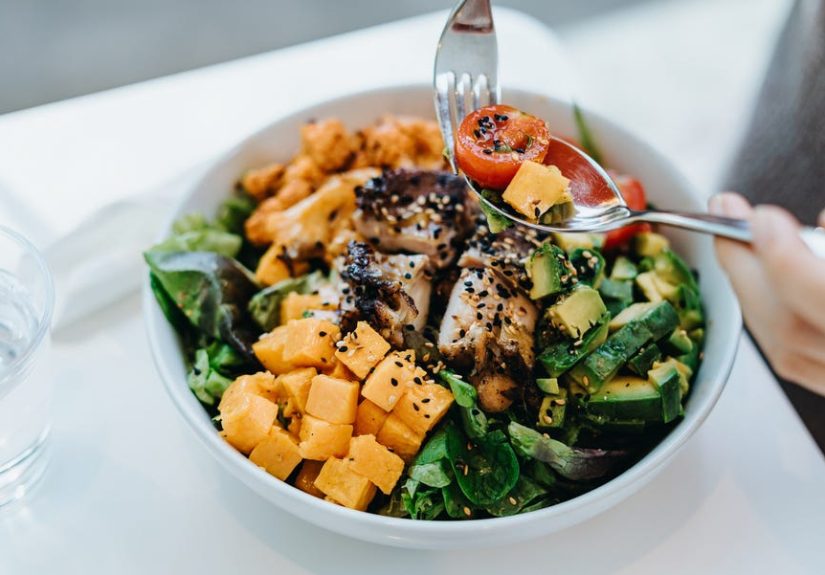
Sweet potatoes are one of the best starchy carbs for a fat-loss-friendly diet because they are satisfying and nutrient-dense. They bring fiber, potassium, and carotenoids, and they pair easily with lean protein and vegetables. Roast them, bake them, or cube them into sheet-pan meals.
The key is preparation. A baked sweet potato is not nutritionally identical to a sweet potato turned into a deep-fried sugar carnival. Context matters.
6. Whole Fruit
Fruit is not the problem. Whole fruit brings fiber, water, and natural sweetness in a package that is much harder to overdo than juice or candy. Berries, apples, pears, oranges, and grapefruit are especially helpful because they are filling relative to their calorie content.
If you are trying to reduce belly fat, eating an apple with peanut butter is a very different experience from drinking a giant “all natural” juice that delivers sugar fast and fiber barely at all.
7. Whole Grains Like Brown Rice, Farro, and Bulgur
Whole grains are not magic, but they are useful. They digest more slowly than refined grains and tend to be more satisfying. Brown rice, farro, bulgur, and whole wheat berries can all fit into a plan aimed at lowering visceral fat, especially when portions are sensible and the meal includes protein and vegetables.
If you have been told that rice is the enemy forever, relax. A moderate serving of a whole grain in a balanced meal is very different from building your diet around oversized restaurant bowls of refined starch.
8. High-Fiber Whole-Grain Bread and Pasta
Yes, bread can stay. Pasta can stay too. The trick is choosing versions that actually earn their place. Look for breads and pastas made with whole grains and a decent amount of fiber per serving. Then eat them like part of a meal, not like a competitive event.
A sandwich on hearty whole-grain bread with turkey, avocado, and crunchy vegetables is a completely different nutritional story from inhaling a basket of white dinner rolls because they appeared on the table and “it would be rude not to.”
9. Plain Popcorn
Popcorn is a whole grain, and when it is not drenched in sugar or butter-flavored chaos, it can be a surprisingly smart snack. It is high in volume, which helps with fullness, and it scratches the crunchy-snack itch without automatically turning into a calorie bomb.
Air-popped popcorn with a little olive oil, salt, or nutritional yeast is a far better snack than chips if your goal is reducing visceral fat over time.
Carbs That Tend to Work Against Belly-Fat Loss
Not all carbs deserve equal refrigerator real estate. Some are just too easy to overconsume and too weak at keeping you satisfied.
Sugary drinks
Soda, sweet tea, energy drinks, and oversized coffee beverages are some of the least helpful carbs for reducing visceral fat. They deliver calories quickly without much fullness, which is a terrible bargain.
Refined grains
White bread, many crackers, sugary cereals, pastries, and many snack foods are lower in fiber and easier to overeat. They are not forbidden foods, but making them daily staples is like trying to save money while shopping with your credit card on fire.
“Healthy” processed snack foods
Protein cookies, granola clusters, smoothie bowls the size of a birdbath, and bars with five names for sugar may look virtuous, but labels still count. If a snack is basically dessert with better branding, treat it accordingly.
How to Eat Carbs Without Derailing Fat Loss
Pair carbs with protein and fat
Carbs work best in mixed meals. Oatmeal with Greek yogurt, fruit with nuts, rice with salmon and vegetables, or beans with chicken and salad all tend to satisfy better than carbs eaten alone.
Keep portions honest, not tiny
You do not need to fear a half cup to one cup of cooked whole grains, a medium sweet potato, or a bowl of beans. What gets people into trouble is not usually a reasonable serving. It is the “I barely ate all day, so now I’m reconstructing an Italian restaurant at home” effect.
Use carbs to replace junk, not to decorate it
Adding oatmeal to a day already full of pastries is not the same as replacing a pastry breakfast with oatmeal. Healthy carbs help most when they crowd out low-quality foods.
Do not ignore the rest of the picture
Sleep, stress, total calorie intake, movement, and resistance training all matter. Belly fat is not a math problem solved by one magical carb. Food quality helps, but the overall pattern decides the outcome.
A Simple Day of Eating for Reducing Visceral Fat
Breakfast: Old-fashioned oats cooked with milk, topped with blueberries, chia seeds, and a spoonful of peanut butter.
Lunch: Quinoa bowl with grilled chicken, roasted vegetables, chickpeas, and olive-oil vinaigrette.
Snack: Apple slices with a handful of almonds or plain popcorn.
Dinner: Salmon, roasted sweet potato, and a big salad with beans tossed in.
Dessert: Greek yogurt with cinnamon and sliced strawberries.
Notice what is missing: panic, punishment, and a fake promise that one “fat-burning” food will do all the work.
Common Mistakes People Make With “Healthy Carbs”
- Choosing liquid carbs over whole foods: smoothies, juices, and sweetened coffee drinks are easier to overconsume than whole fruit or oatmeal.
- Ignoring labels: “multigrain” does not always mean whole grain, and “organic” does not mean low in sugar.
- Eating too little early in the day: skipping breakfast can set up a late-day carb avalanche.
- Thinking all refined carbs are harmless because they are low-fat: low-fat is not the same as helpful for appetite or waistline goals.
- Trying to go zero-carb forever: that often ends with a rebound meal starring cereal, crackers, and existential disappointment.
Real-Life Experiences With the Best Carbs for Belly-Fat Loss
In real life, people rarely notice progress because of one dramatic “before and after” food moment. What they notice is that the right carbs make the day feel easier. Breakfast holds them longer. Cravings do not hit like a surprise tornado at 3 p.m. Dinner becomes a meal instead of a reward binge. That is usually how better carb choices help reduce visceral fat over time: not through magic, but through making consistency far less miserable.
A common experience is the oatmeal upgrade. Someone swaps a sugary muffin and flavored latte for a bowl of oats with berries and protein, and suddenly mornings stop feeling like a blood-sugar roller coaster. They are less snacky before lunch. They stop prowling the office kitchen for whatever is free and wrapped in plastic. Their energy feels steadier, and because they are not arriving at lunch ravenous, they make calmer decisions. It is not glamorous, but it works.
Another frequent pattern shows up with legumes. People add beans or lentils to lunch and realize that a salad actually can be satisfying when it is not just lettuce pretending to be a personality. A grain bowl with chickpeas, vegetables, and chicken tends to keep people full longer than crackers and a protein bar eaten while answering emails. That fuller-for-longer effect matters. It reduces the odds of turning dinner into a second lunch, a snack, and an emotional support event all at once.
Fruit is another interesting example. Many people avoid it because they worry about sugar, then discover that whole fruit actually helps them back away from less helpful sweets. An apple with peanut butter or berries with yogurt often scratches the sweet itch without opening the floodgates. The experience is not “fruit melted my belly fat.” It is “fruit helped me stop treating cookies as a food group.” That is still a win.
Some people also notice that switching from refined grains to whole grains changes their appetite rhythm. A sandwich on high-fiber bread feels different from one on fluffy white bread that disappears like stage smoke. Brown rice, farro, and barley may seem less exciting at first, but they often keep meals satisfying for longer. Over weeks, that can translate into better portion control without the exhausting feeling of constantly “being on a diet.”
There are practical lessons too. People who do best usually stop chasing perfection. They do not ban every refined carb forever. They simply stop letting low-quality carbs dominate breakfast, snacks, and beverages. They keep enjoyable foods in the picture, but they build most meals around carbs that offer fiber and substance. That balance makes the plan livable.
And then there is the most underrated experience of all: less food noise. When meals contain quality carbs, protein, healthy fats, and enough total food, people often think about eating less often. Not because they are using heroic willpower, but because their bodies are not sending constant snack alerts. That quieter appetite is one of the biggest reasons smart carb choices can help reduce visceral fat in a sustainable way.
Conclusion
The best carbs to help lose belly fat are not the trendiest or the most expensive. They are the ones that come with fiber, digest more slowly, and make it easier to eat like a reasonable human being: oats, beans, lentils, whole fruit, sweet potatoes, barley, quinoa, popcorn, and true whole grains. These foods support fullness, better blood sugar control, and a healthier overall eating pattern, which is exactly what matters when the goal is reducing visceral fat.
The bigger picture matters most. No carb can single-handedly torch abdominal fat, and no single food deserves all the blame. But if you consistently swap refined carbs and sugary drinks for higher-fiber, minimally processed choices, you stack the odds in your favor. That is not flashy advice. It is just the kind that tends to still work after the internet moves on to its next nutrition identity crisis.