Table of Contents >> Show >> Hide
- Why Royal Baby Blankets Capture So Much Attention
- The Hallmarks of a Royal-Worthy Baby Blanket
- The Royal Formula: Heritage + Function + Sentiment
- Choosing the Right Material for a Royal Look
- Safety First: The Modern Reality Check
- How to Shop for a Blanket That Feels Truly Regal
- Styling the Blanket in a Royal-Inspired Nursery
- Why the Best Royal Blanket Is Really About Memory
- Experiences That Make “Baby Blankets for the Royals” Feel Real
- SEO Tags
Note: HTML body only, written in standard American English, based on real-world reporting and safety guidance.
Some baby gifts are practical. Some are adorable. And then there is the baby blanket that looks like it arrived with its own crest, private carriage, and tiny but confident footman. That is the magic of a royal-worthy blanket. It is soft, yes. Beautiful, absolutely. But it also carries something harder to fake: presence. The right baby blanket feels ceremonial without being stuffy, luxurious without shouting, and sentimental without becoming a cloud of pastel clichés.
The fascination with royal baby blankets did not come out of nowhere. For years, public baby debuts in the British royal family have featured exquisitely made shawls and knitted wraps that look elegant in photographs and timeless in memory boxes. That tradition helped turn the humble baby blanket into something more than a nursery extra. Suddenly, it was a keepsake, a style statement, and the textile equivalent of saying, “Yes, this child may currently resemble a sleepy burrito, but the burrito is extremely distinguished.”
Still, modern parents need more than a pretty picture. They want to know what makes a blanket feel heirloom-worthy, how to choose between cotton, muslin, cashmere, and merino wool, and where beauty ends and safe use begins. That is where the conversation gets more interesting. A truly great “royal” baby blanket is not just about looks. It is about craftsmanship, versatility, durability, and using it in the right moments.
Why Royal Baby Blankets Capture So Much Attention
Royal baby style has always been part family tradition, part public theater. When a newborn appears wrapped in a finely knit shawl, the blanket becomes an instant supporting character. It softens the scene, signals continuity, and makes a very modern photo feel almost storybook. That is a big reason people remember the blankets used for Prince George, Princess Charlotte, Prince Louis, and Archie. The blanket is not random. It tells the world that this baby is being presented with care, tradition, and a touch of old-school grace.
What makes these blankets especially compelling is that they do not rely on flashy design. They usually lean into ivory, white, cream, or whisper-soft neutrals. They favor lace-knit borders, delicate stitching, breathable fibers, and hand-finished details. In other words, they win by being refined, not loud. A royal blanket is the opposite of a novelty fleece covered in cartoon dinosaurs wearing sunglasses. Charming? Maybe. Regal? Not exactly.
That understated elegance also explains why the look has staying power far beyond palace life. American parents shopping for an upscale nursery or a memorable baby shower gift are often chasing the same qualities: softness, timeless style, and the feeling that this blanket could be loved now and saved for years.
The Hallmarks of a Royal-Worthy Baby Blanket
1. Softness That Feels Expensive, Not Fussy
Luxury starts with touch. The best baby blankets feel gentle on newborn skin without being so delicate that everyone is afraid to breathe near them. Cotton remains a classic because it is soft, washable, and widely loved. Muslin gets points for breathability and for becoming even softer over time. Merino wool has become increasingly popular because it is lightweight, breathable, and surprisingly practical for changing temperatures. Cashmere, of course, is the grand diva of the category: impossibly soft, undeniably chic, and just high-maintenance enough to remind you that elegance has a dry-cleaning budget.
2. Craftsmanship You Can Actually See
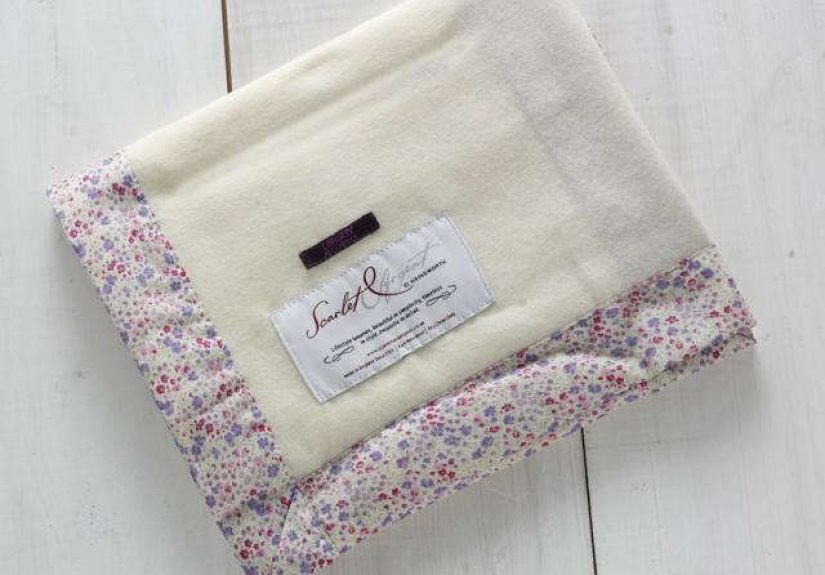
Stitching matters. So do borders, knit patterns, and the overall finish. A royal-style blanket tends to look intentional from edge to edge. Think scalloped trim, lace motifs, clean seams, and a knit pattern that looks classic rather than trendy. This is where heirloom appeal lives. A blanket that holds its shape, resists fraying, and ages gracefully feels meaningful in a way that a flimsy impulse buy never will.
3. A Color Palette That Knows How to Behave
The most elegant baby blankets rarely scream for attention. Cream, white, pale blue, blush, dove gray, oatmeal, and soft sage all feel polished. These shades also photograph beautifully, which matters more than many people admit. Whether the baby is being introduced to family members, posed for milestone pictures, or snoozing in a stroller on a crisp afternoon, a calm palette keeps the moment looking elevated.
4. Versatility Beyond the First Photo
A beautiful blanket should not retire after one grand entrance. The best ones work for cuddling on the couch, supervised stroller rides, tummy time, nursing sessions, travel, and nursery styling. Traditional swaddle blankets can do double duty after the swaddling phase. Receiving blankets often become all-purpose household heroes. And once a child is older, a beloved blanket may become the prized possession that travels to grandma’s house, preschool, and probably one unnecessary family restaurant outing.
The Royal Formula: Heritage + Function + Sentiment
One reason the royal-baby blanket tradition resonates so widely is that it combines three things parents love: heritage, usefulness, and emotion. Heritage makes the blanket feel storied. Function makes it worth owning. Sentiment makes it worth keeping.
That formula has influenced the American baby market too. Retailers now lean heavily into words like heirloom, personalized, organic, hand-finished, and keepsake. Design publications increasingly frame nurseries as spaces where whimsy and longevity can coexist. A blanket can be both decorative and deeply practical. It can drape over a glider, soften a nursery corner, star in newborn photos, and later end up folded carefully in a memory box with hospital bracelets and impossibly tiny socks.
Choosing the Right Material for a Royal Look
Cotton
If you want the most approachable all-around option, cotton is the reliable favorite. It is breathable, usually easy to wash, and widely available in everything from knitted heirloom styles to lightweight receiving blankets. Organic cotton appeals to parents who want natural fibers and a more eco-conscious feel without sacrificing softness.
Muslin
Muslin is the overachiever of baby textiles. It is light, breathable, and useful in a hundred different ways. While it does not always look as ceremonious as a lace-knit shawl, it excels in daily life. It is especially helpful for warm nurseries, travel, and swaddling. If your idea of royalty includes efficiency, muslin deserves a seat at court.
Merino Wool
Merino wool is where luxury and practicality shake hands. It offers warmth without bulk and often feels softer and lighter than people expect from wool. For cooler weather, a merino wrap can look polished while still being comfortable. It is one of the smartest ways to achieve that “quiet luxury, tiny human edition” look.
Cashmere
Cashmere is for the parent or gift-giver who wants maximum softness and a strong keepsake factor. It is not always the everyday workhorse of the nursery, but it shines for special occasions, photographs, and cherished hand-me-downs. If a blanket could politely request to be stored in acid-free tissue paper, it would be cashmere.
Safety First: The Modern Reality Check
Here is the important part, because no amount of lace can outrank common sense. A royal-inspired baby blanket is lovely, but loose blankets should not be used in an infant’s sleep space during the first year. For newborn sleep, current pediatric guidance favors a bare crib or bassinet with a fitted sheet, plus appropriate clothing or a wearable blanket when extra warmth is needed.
That does not make luxury baby blankets pointless. It simply changes the job description. Use them for supervised cuddles, stroller walks, feedings, parent-and-baby portraits, or as a soft layer during awake time. Swaddles can also be useful when used correctly and when developmentally appropriate. The point is simple: the blanket can still be part of the baby’s story, just not as loose bedding in an unsupervised sleep setting.
In a way, that makes the modern royal blanket even more interesting. It is no longer just decorative and no longer casually tossed wherever. Parents are more thoughtful now. They want beauty with boundaries. Tradition with updated knowledge. Elegance with a pediatrician quietly nodding in approval.
How to Shop for a Blanket That Feels Truly Regal
Look for heirloom details
Fine knitwork, classic patterns, scalloped edges, subtle monograms, and hand-finished touches instantly elevate a blanket. If it looks like it could appear in a christening portrait or an upscale nursery editorial, you are on the right track.
Check durability before falling in love
Inspect the weave, stitching, and care instructions. A beautiful blanket that pills, snags, or sheds after two washes loses its crown quickly. Babies are adorable, but they are not gentle on textiles. One day it is a blanket; the next day it is a spit-up witness.
Think about season and climate
A plush knit may be perfect for winter, while muslin or lightweight cotton makes more sense in warmer weather. A royal-worthy blanket should suit real life, not just dramatic photos by a window.
Consider personalization carefully
Monograms, embroidered names, and initials can increase keepsake value. The trick is restraint. Tiny embroidery whispers elegance. Huge lettering across the middle can drift into sports jersey territory.
Styling the Blanket in a Royal-Inspired Nursery
The nursery does not need a literal throne. A better approach is to use the blanket as a texture piece in a room that feels serene, layered, and thoughtful. Drape a knit blanket over a glider. Fold a keepsake shawl on an open shelf. Pair soft neutrals with one or two charming details like wallpaper, framed storybook art, or an heirloom-style lamp. The goal is not “tiny palace replica.” The goal is warmth, personality, and polish.
Designers increasingly blend whimsical touches with heirloom pieces because the combination feels both fresh and enduring. That is exactly why the royal-blanket aesthetic works so well in modern nurseries. It softens a space without cluttering it and adds meaning without demanding attention every second.
Why the Best Royal Blanket Is Really About Memory
At the end of the day, the appeal of baby blankets for the royals is not just that they are beautiful. It is that they mark a beginning. They appear in first introductions, first photographs, first trips home, and first family stories. Years later, nobody remembers the exact brand of diaper pail that sat in the corner. They remember the blanket.
That is why parents keep searching for the one that feels right. Not necessarily the most expensive one. Not the most dramatic one. The right one. The blanket that looks special in the moment and somehow becomes even more special after the moment has passed.
A royal-worthy baby blanket, then, is not really about copying palace tradition. It is about borrowing the best idea from it: that everyday objects can hold history. Wrap a baby in something soft, beautiful, and well made, and suddenly a simple family moment feels just a little more ceremonial. No crown required.
Experiences That Make “Baby Blankets for the Royals” Feel Real
What people often love most about a royal-style baby blanket is not the product itself, but the experience around it. Picture a family member arriving at a baby shower with a carefully wrapped box tied in satin ribbon. Inside is not just another registry item, but a blanket chosen because it feels timeless. Everyone in the room reaches for it at once. Someone rubs the corner between their fingers. Someone else says, “Oh, this feels expensive.” The parents smile in that half-overwhelmed, half-thrilled way that says they are imagining the baby in it already. That is the first power of a special blanket: it creates anticipation.
Then comes the homecoming moment. Not necessarily a hospital staircase with photographers yelling from below, but maybe a quiet walk from the car into the house, a grandparent waiting at the door, a sleepy baby bundled in cream knit, and the immediate sense that this is the beginning of family lore. The blanket becomes part of the scene. It shows up in pictures texted to relatives, in the first photo taped to the fridge, and in the little details parents retell later when the blur of newborn life finally settles into memory.
There is also the everyday luxury of using a beautiful blanket during ordinary moments. A parent drapes it over their shoulder during a 3 a.m. feeding. A baby falls asleep against it during supervised cuddle time. It lies across a stroller on a brisk morning walk while strangers peek in and say the universal line reserved for infants in nice knitwear: “That baby looks so cozy.” The blanket earns its value there, in repetitive real life, not just in staged photos. That is what separates a keepsake from a prop.
Another experience people treasure is how a blanket evolves with the child. At first, it is a wrap. Later, it becomes a play mat, a car-ride comfort, or a familiar layer at daycare pickup. Then it turns into a favorite object with emotional gravity far beyond its price tag. Many parents know the scene: the toddler who does not care about the imported toy, the educational puzzle, or the beautifully curated basket, but absolutely refuses to leave the house without that blanket. Royal tradition meets toddler dictatorship. It is humbling.
And then there is the longest experience of all: preservation. Long after the baby phase ends, the blanket often survives as one of the few nursery items nobody wants to part with. It gets washed carefully, folded neatly, and stored with intention. Years later it comes back out for a sibling, a cousin, or simply a family conversation that starts with, “Remember when you came home wrapped in this?” That is when the blanket fully transforms from object to heirloom. It holds scent memories, family stories, and the strange emotional weight carried only by things that witnessed the beginning.
That is the real lesson behind baby blankets for the royals. It is not about excess. It is about ceremony in small form. A baby blanket can turn a practical act into a meaningful one. It can make a nursery feel finished, a gift feel personal, and a fleeting newborn season feel slightly more permanent. Whether the blanket is cashmere, cotton, merino, or muslin, the best ones do the same job: they wrap a child in comfort and wrap a family moment in memory. That is about as royal as it gets.