Table of Contents >> Show >> Hide
- Meet the Mind Behind the Mischief
- What “Secret Lives” Really Means (And Why It Works)
- Nostalgia: The Sneaky Ingredient That Makes the Joke Stick
- The Harrington-Style Formula: Icon + Mundane Problem + Twist
- 28 New Pics: A Guided Tour of “Off-Duty Character Energy”
- It’s Not Just FunnyIt’s a Whole Creative Ecosystem
- A Quick (Friendly) Legal Pit Stop: Fan Art, Parody, and Fair Use
- How Harrington Keeps the Joke Fresh
- If You Want to Write (or Draw) Your Own “Secret Lives” Story
- Conclusion: Why We’ll Never Stop Loving These “Off-Duty” Icons
- Bonus: of “Secret Lives” Experiences (Because We’ve All Been There)
You know how every famous character looks like they were born inside a spotlight and raised by a soundtrack?
Like they never had to deal with a wedgie, a bad hair day, or the soul-sapping reality of assembling furniture with instructions that look like they were translated from “ancient rune” into “vague vibes”?
Now imagine the credits roll… and the characters don’t disappear. They just clock out.
Suddenly, the fearless heroes, iconic villains, and beloved childhood weirdos are doing what the rest of us do:
snacking, shaving, doom-scrolling, calling customer support, and trying to remove a costume that was clearly designed by someone who hates spines.
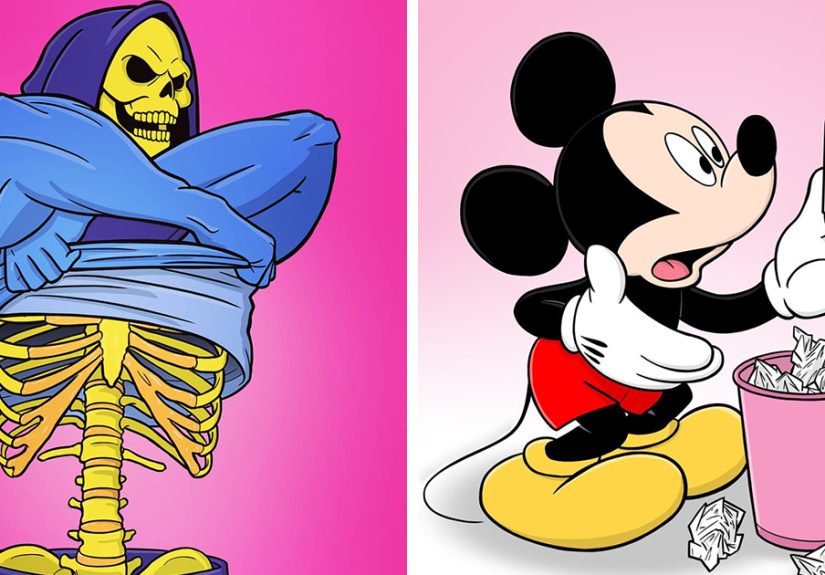
That’s the deliciously unhinged appeal behind the “secret lives of famous characters” conceptsingle-panel art that takes pop culture’s most recognizable faces
and drops them into ordinary, off-duty moments. The result is comedy with a side of nostalgia… and occasionally a small existential crisis.
Meet the Mind Behind the Mischief
One of the most recognized names in this lane is illustrator and cartoon artist Ed Harrington, known online as @nothinghappenedtoday.
His work thrives on a simple question: What would these characters do if nobody was watching?
Harrington’s background matters here, because his humor isn’t randomit’s curated chaos.
In an interview, he explained that his Instagram name came from an earlier webcomic about “non-adventures,” basically two people talking while drinking and smoking.
That same energy shows up in his art: big cultural icons, small human problems, and the punchline living in the contrast.
He’s also upfront about the craft. He’s drawn to strong linework and cites comic-art influences (the kind of artists known for bold, confident lines).
He’s talked about working digitally (Photoshop on a MacBook with a Wacom tablet), and about adopting a liberating creative philosophy:
your art “isn’t precious,” so you can experiment, take swings, and keep it fun.
What “Secret Lives” Really Means (And Why It Works)
The secret-life gag hits because it treats famous characters like they’re real employees at the world’s strangest company.
In their “on” hours, they’re saving galaxies, singing power ballads, or threatening the hero with a monologue long enough to qualify as a podcast.
In their “off” hours, they’re dealing with stuff like:
- Wardrobe malfunctions
- Personal grooming in costumes that were never meant for bathrooms
- Awkward food logistics (mouth shapes matter!)
- Being iconic… and still having to run errands
That last point is the key: iconic characters feel invincible. Making them relatable is instantly funny.
It’s the same reason we laugh at a superhero holding a tiny grocery basket like a normal citizen who regrets not getting a cart.
Nostalgia: The Sneaky Ingredient That Makes the Joke Stick
There’s a reason these illustrations spread like wildfire. They don’t just poke funthey tap nostalgia.
And nostalgia isn’t just sentimental fluff; psychologists have found it can support well-being by reinforcing belonging, meaning, and connection.
In other words, remembering the characters you grew up with can feel oddly comfortingeven when they’re being depicted in ridiculous situations.
That emotional warmth gives the humor a softer landing. You’re laughing, but you’re also thinking,
“Wow… I haven’t thought about that character since Saturday morning cartoons and cereal that tasted like pure sugar and questionable decisions.”
The Harrington-Style Formula: Icon + Mundane Problem + Twist
While every artist has their own flavor, Harrington’s pop culture approach tends to follow a recognizable rhythm:
- Instant recognition: a character you can identify in half a second.
- Everyday setup: a situation that belongs to regular life (grooming, snacking, shopping, working).
- Physical reality punchline: the character’s design makes the situation weird, harder, or funnier than it should be.
Even descriptions of his work lean into that “ruin your childhood (lovingly)” vibe. In features about his art,
examples have included scenes like a classic mermaid princess getting ready to eat a tiny clownfish,
a muscular fantasy hero fussing over hair, and a towering space creature dealing with shaving logistics.
It’s absurd, surebut it’s also oddly logical. The joke lands because once you see it, you can’t unsee it.
28 New Pics: A Guided Tour of “Off-Duty Character Energy”
Since you’re here for the gallery vibes, let’s do this in the spirit of the concept:
below are 28 “snapshot prompts”the kind of everyday, off-screen moments that make this genre so addictive.
Think of them as captions you could imagine under the sort of single-panel “secret life” drawings fans love.
(They’re inspired by the genre’s patterns, not a literal inventory of any one artist’s exact posts.)
- Glamour vs. Reality: the hero removes a mask and immediately checks for tan lines like it’s a medical emergency.
- Weapon Maintenance: a legendary sword gets the same care as a kitchen knife that’s been through one too many tomatoes.
- Villain Self-Care: the terrifying antagonist is quietly doing a face mask and pretending it’s “tactical.”
- Snack Time: a cosmic overlord is eating something normal, but with the seriousness of a royal decree.
- Laundry Day: a cape takes up the entire washer, and the character looks personally offended by physics.
- Phone Support: someone calls tech support because their “magic mirror” won’t connect to Wi-Fi.
- Grocery Run: a notorious bad guy compares cereal prices like an accountant of evil.
- Costume Regret: the character realizes their outfit has no pockets and experiences true despair.
- Hair Crisis: a warrior known for strength is defeated by humidity.
- Dental Logistics: a creature with giant teeth tries to floss and discovers suffering.
- Public Transit: a dramatic hero rides the subway, still posing like there’s a wind machine.
- Cooking Fail: a powerful spell is used… to reheat leftovers more evenly.
- Gym Etiquette: a superhero wipes down equipment because even legends fear germs.
- First Aid: the indestructible character is applying a tiny bandage to a tiny paper cut with maximum dignity.
- Dating Profile: the villain writes “likes long walks on the beach” and means it as a threat.
- Pet Parenting: the monster gently baby-talks to a tiny animal like it’s the most important mission of all.
- Office Drama: an iconic rival is forced into a team-building exercise and hates everyone equally.
- Mirror Moment: the character practices a catchphrase in the mirror and forgets the words.
- Airport Security: a heroic gadget gets flagged and the character has to explain it’s “for saving the world.”
- Streaming Choice: the character spends 45 minutes picking a movie and then falls asleep immediately.
- Group Chat: the famous team has a chat thread that’s 90% memes and 10% panic.
- DIY Disaster: the character attempts furniture assembly and questions reality itself.
- Weather Struggle: the dramatic cloak becomes a soggy blanket in the rain.
- Food Delivery: the hero tips extra because they remember what it’s like to hustle.
- Bad Habit: the monster secretly binge-watches makeover shows with the volume suspiciously low.
- Identity Crisis: the character tries a “normal outfit” and looks like a substitute teacher.
- Unexpected Hobby: the villain knitspurely to stay calm while plotting.
- End-of-Day Mood: the character collapses onto a couch like a tired person, because that’s what they are now.
Notice what’s happening: the humor isn’t about mocking the characters.
It’s about humanizing the mythologytaking “legend” and giving it a grocery receipt.
It’s Not Just FunnyIt’s a Whole Creative Ecosystem
This genre sits inside a larger world of fan-driven creativity. Libraries and cultural institutions have even highlighted fan art as a record of popular culture:
a way to trace what media mattered to people, and how they reshaped it through their own creativity.
That matters because “secret lives” art isn’t just a gagit’s participation.
It’s fans saying, “I know this character so well that I can imagine them dealing with the same nonsense I deal with.”
A Quick (Friendly) Legal Pit Stop: Fan Art, Parody, and Fair Use
Whenever famous characters show up in new art, the big question floats in: is this allowed?
The honest answer: it depends, and it’s complicated.
In the U.S., “fair use” is a framework courts apply using four factors (purpose/character, nature of the work, amount used, and market effect).
“Transformative” usesthose that add something new with a different purposecan weigh in favor of fair use, but there’s no automatic pass.
(Also: this isn’t legal advice; it’s the creative equivalent of checking the weather before a road trip.)
What’s especially relevant to artists? Even when the internet treats everything like a free buffet,
creators still deal with unauthorized copying. Harrington himself has expressed frustration about seeing his work put on shirts and prints without permission.
So the “secret lives” concept comes with a modern irony: artists remix culturethen have to protect their own work from being remixed into somebody else’s storefront.
How Harrington Keeps the Joke Fresh
Two things stand out in how Harrington talks about his process:
-
He doesn’t over-plan. In one feature, he described drawing ideas when they come, keeping it fun,
and even dabbling in physical 3D objects based on the same kinds of ideas. -
He cross-pollinates formats. Beyond “secret lives,” he’s created other pop-culture serieslike horror characters reimagined through IKEA-instruction-style graphics,
a concept that’s been covered by major outlets and horror sites alike.
That flexibility is the secret sauce: once you understand the basic contrast (iconic + mundane),
you can remix it into endless formatscomics, posters, “instruction manuals,” even sculptural objects.
If You Want to Write (or Draw) Your Own “Secret Lives” Story
Whether you’re making memes, writing comedy, or sketching characters in your notebook during meetings that could’ve been an email,
here are a few ways to nail the “secret lives” vibe without relying on tired jokes:
1) Pick a character with a visual “problem”
Capes, helmets, non-human anatomy, dramatic makeupanything that becomes hilariously impractical in a normal environment.
The more iconic the design, the better the payoff when it meets an everyday task.
2) Choose a mundane moment with stakes
Not “they eat lunch.” More like: “they eat lunch in a costume that makes lunch a liability.”
A tiny inconvenience becomes the plot.
3) Keep the tone affectionate
The best “ruin your childhood” jokes still feel like they come from love.
It’s playful, not meanlike teasing a friend who knows you’d help them move a couch on Saturday.
4) Add a human truth
Vanity, exhaustion, insecurity, pride, lazinessthese are universal.
Give the character something real to react to, and the comedy gets sharper.
Conclusion: Why We’ll Never Stop Loving These “Off-Duty” Icons
“Artist reveals the secret lives of famous characters” is basically a pop-culture pressure valve.
It lets us enjoy iconic stories and still admit that, yes, the hero probably has back pain.
And the villain? Definitely has an emotional-support snack.
The appeal is part nostalgia, part comedy, part cultural participation.
We get to revisit characters we love, feel that warm hit of “I remember this,” and then laugh when they get reducedjust for a momentto the same messy reality as the rest of us.
Bonus: of “Secret Lives” Experiences (Because We’ve All Been There)
There’s a specific kind of joy that happens when you’re scrolling late at nighthalf tired, half wiredand you stumble on a drawing that turns a legendary character into a regular person with regular problems. It’s like catching your favorite teacher at the grocery store. Your brain goes, “Wait, you exist outside the classroom?” and suddenly the universe feels both funnier and more understandable.
If you’ve ever had a week where everything feels dramatic for no reasonemails sound passive-aggressive, your socks disappear in the laundry void, and the self-checkout machine judges you for buying eight things that are technically “snacks”this kind of art hits extra hard. Because it whispers, “Look, even the icons would struggle with this.” Not in a deep, inspirational poster way. In a “they’d absolutely fumble this and pretend it was on purpose” way.
The best part is how fast your imagination joins the game. You don’t just laugh at the single panelyou immediately start building a whole behind-the-scenes sitcom in your head. Of course the fearless leader has a drawer full of spare capes, each one slightly different, and they have opinions about fabric. Of course the villain has a skincare routine. Of course the sidekick has a group chat titled “Emergency Meeting (Not a Trap).” You start doing it with everything: mascots, classic cartoons, old movie monsters, even characters you haven’t thought about since you were short enough to believe cereal was a complete breakfast.
And weirdly, it’s comforting. Not because it makes life easier, but because it makes life feel shared. These characters are cultural shorthand; we all recognize them instantly. When an artist drops them into ordinary situations, it becomes a little social handshake between strangers: “You get this reference, right?” It’s the same feeling as hearing someone quote a line from a movie you love and realizing you’ve found your people in the wild.
The funniest “secret lives” moments also have a sneaky emotional punch. They remind you of when you first met these characterson a VHS tape, a Saturday morning block, a movie night, a comic you read under the covers. Even if the drawing is pure chaos, the nostalgia underneath it is real. It’s like laughing and time-traveling at the same time, which is honestly a pretty efficient use of entertainment.
So yes: give us the off-duty heroes. Give us the villains doing errands. Give us the legendary icons trying to live a normal day and failing spectacularly. Because sometimes the best way to love a character is to let them be ridiculous… and a little bit human.