Table of Contents >> Show >> Hide
- Meet the Organ Roommates: A Comic Universe Where Your Body Has a Group Chat
- Why We Can’t Stop Laughing at Organ Comics
- The Real Science Behind the Banter (Without Turning This Into a Lecture)
- 30 “New Pics” Vibes in Text Form: Mini-Moments From the Organ Cinematic Universe
- What These Comics Quietly Teach You (While You’re Busy Laughing)
- How to Enjoy This Series Like a Pro (Yes, That’s a Thing)
- Conclusion
- Real-Life Experiences Related to Organ Comics (500+ Words of “Oh No, That’s Me”)
If you’ve ever whispered, “Why is my stomach doing that?” while your brain pretends it has never met your stomach in its life, congratulations:
you already understand the entire premise of organ comics.
There’s a special kind of funny that happens when the messy, behind-the-scenes machinery of being alive gets a personality. Suddenly, your Heart is the
dramatic friend who texts in all caps, your Brain is the spreadsheet person who thinks feelings are a software bug, and your Stomach is a chaos goblin
with a snack budget.
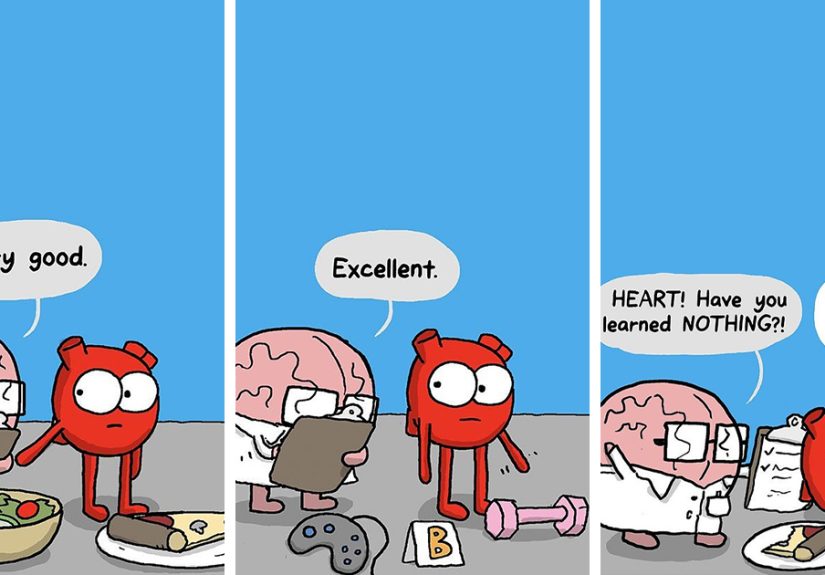
In this organ-interaction comic seriesbest known through the work of cartoonist Nick Seluk (aka The Awkward Yeti)your body becomes an office sitcom:
coworkers with wildly different priorities, all “working from home” inside you. The jokes are quick, the expressions are adorable, and the punchlines land
because they’re painfully relatable. (Your organs have been in group chats longer than you have.)
Meet the Organ Roommates: A Comic Universe Where Your Body Has a Group Chat
The core charm of the series is simple: organs are characters. They talk, argue, make deals, panic, and occasionally attempt to unionize against your
late-night decision-making. While the Heart-and-Brain duo often takes center stage, the wider castStomach, Lungs, Liver, Kidneys, and moreturns the
human body into a lively little neighborhood.
The humor tends to hit three sweet spots at once:
- It’s emotional: We all know what it feels like to want one thing and do another.
- It’s physical: Hunger, stress, sleepiness, and cravings are universal.
- It’s weirdly comforting: Your “internal chaos” looks a lot less scary when it’s a tiny Liver with a concerned expression.
Why We Can’t Stop Laughing at Organ Comics
1) Because your body actually behaves like a committee
You’re not a single, calm decision-maker floating through life like a serene cloud. You’re a meeting. A recurring meeting. With no agenda. And someone
keeps bringing donuts. Organ comics work because they dramatize the tug-of-war between systems that constantly coordinate: nervous system, hormones,
digestion, breathing, and more.
2) Because it makes “body stuff” less awkward
Digestion, stress, bathroom habits, fatiguethese are normal, but they can feel embarrassing to talk about. Humor lowers the volume on the awkwardness.
Suddenly you can say, “My stomach is being dramatic today,” and everyone nods like, “Yeah, mine too.”
3) Because the jokes sneak in real understanding
Even when it’s purely silly, the premise reflects real biology: organs send signals, react to hormones, and affect each other in predictable ways.
The comics don’t need to be a textbook to remind you that sleep, stress, food, and breathing all connect.
The Real Science Behind the Banter (Without Turning This Into a Lecture)
Let’s translate the “organs talking” idea into real-life mechanicsbecause, yes, there is an actual group chat happening inside you. It’s just made of
nerve signals, hormones, blood flow, and a whole lot of chemistry.
The Gut–Brain Hotline
Your digestive system and your brain stay in touch through multiple pathways, including nerves (like the vagus nerve), hormones, and immune signals.
That’s one reason stress can mess with digestion and why a queasy stomach can make you feel anxious. In comic terms: your Stomach can absolutely “DM”
your Brain with, “Hey bestie, we’re not okay.”
Stress: When the Adrenaline Intern Hits “Reply All”
Under stress, your body releases hormones like adrenaline and cortisol. In the short term, that can raise heart rate and blood pressure and shift your body
into “handle the situation now” mode. In sitcom language: Brain senses trouble, Adrenal Glands slam the panic button, Heart starts sprinting in place,
and Digestion goes, “Cool, I’ll just pause my entire operation.”
Your Liver: The Quiet Problem-Solver
When your body needs quick energylike during stressyour liver can help by making more glucose available. Meanwhile, it also plays major roles in
processing nutrients and filtering substances. In comic form, the Liver is the responsible character who does the hard work while everyone else argues
about feelings.
Kidneys and Lungs: The “Keep the Lights On” Crew
Your kidneys filter waste and help balance fluids and electrolytes. Your lungs swap oxygen in and carbon dioxide outan essential trade that keeps your
entire body running. Organ comics nail this vibe by turning invisible necessities into characters who deserve more appreciation than they get.
(Classic workplace comedy energy: “I do everything around here!”)
30 “New Pics” Vibes in Text Form: Mini-Moments From the Organ Cinematic Universe
Since we’re doing the “30 new pics” energy, here are thirty quick, caption-style scenes that capture the kind of humor this organ-interaction series is loved for.
Think of these as the vibe of the panelsshort, snappy, and suspiciously accurate.
- Heart vs. Brain at 2 a.m.: Heart wants to text “I miss you.” Brain wants to delete the entire phone.
- Stomach’s motivational speech: “We can do anything… as long as it’s within five feet of the fridge.”
- Lungs during cardio: “So we’re doing this. Great. Love this. Can’t breathe, but love it.”
- Kidneys checking the hydration report: “We’re running on vibes and iced coffee. Please send water.”
- Liver budgeting: “I can detox your weekend, but I’m going to complain the whole time.”
- Brain trying mindfulness: “I’m calm. I’m calm. I’mwhy is Heart juggling worst-case scenarios?”
- Heart’s dramatic monologue: “You can’t logic your way out of feelings, Susan.” (Brain is Susan.)
- Stomach meeting spicy food: “This is amazing.” (Later: “This was a mistake.”)
- Bladder’s 3:07 a.m. announcement: “Emergency meeting. Mandatory attendance.”
- Eyes after one more episode: “We’ve been open for 16 hours. We are closed.”
- Muscles on leg day: “So… betrayal. This is what betrayal feels like.”
- Skin in winter: “I’m cracking under pressure. Literally. Moisturize us, coward.”
- Immune system on high alert: “Is that… a sneeze? Everyone to your stations!”
- Brain at the grocery store: “Buy vegetables.” Heart: “Buy joy.” Stomach: “Buy both and also chips.”
- Pancreas chiming in: “Hi, I regulate blood sugar. Please stop treating me like a vending machine attendant.”
- Lungs in pollen season: “I would like to unsubscribe from spring.”
- Stomach during anxiety: “I’m doing flips. For free. Against my will.”
- Heart during a sad movie: “We are crying now.” Brain: “We are in public.” Heart: “We are crying now.”
- Kidneys reading the sodium label: “This is not a ‘hint’ of salt. This is a salt autobiography.”
- Liver’s tough love: “I’ll process this, but I’m writing an incident report.”
- Brain during caffeine: “We can conquer the world.” Heart: “We can also panic about an email.”
- Stomach when you skip lunch: “I’m not mad. I’m just… making whale noises.”
- Digestive system at midnight snacks: “We were shutting down.” Brain: “Too late.”
- Heart and Brain in a relationship decision: Heart: “Spark!” Brain: “Red flag!” Heart: “Spark!”
- Lungs in cold air: “Why does breathing hurt? Who approved this weather?”
- Bladder at a road trip: “I don’t care how close we are. We are stopping.”
- Brain trying to sleep: “No thoughts.” (Immediately thinks of 2009.)
- Heart trying to sleep: “Let’s replay every awkward thing we’ve ever said.”
- Stomach trying to sleep: “I am suddenly hungry for a food that doesn’t exist.”
- Everyone the next morning: “We would like to file a complaint with last night’s decisions.”
What These Comics Quietly Teach You (While You’re Busy Laughing)
They normalize the “human experience”
Feeling conflicted doesn’t mean you’re broken. It means you’re a person with emotions, needs, and biology. Organ comics put that truth in cute,
bite-sized form.
They make body literacy feel approachable
You don’t need to memorize anatomy to appreciate the big idea: your body systems are interconnected. Stress can affect digestion. Sleep can affect mood.
Hydration can affect energy and headaches. The comics turn those connections into something you can remember.
They give you language that isn’t scary
Saying “My stomach’s acting up” is easier than launching into a medical monologue. Humor helps people talk about discomfort earlier, and sometimes that’s
the difference between ignoring a problem and getting support.
Friendly reminder: A comic can help you understand your body, but it can’t diagnose you. If symptoms are severe, persistent, or worrying, it’s worth
talking to a healthcare professional.
How to Enjoy This Series Like a Pro (Yes, That’s a Thing)
- Use it as a stress diffuser: A quick laugh can interrupt spirals and reset your mood.
- Share the relatable ones: It’s the easiest “I feel this too” message you can send without writing a paragraph.
- Turn it into self-checks: If a comic about sleep deprivation hits too hard, maybe your body is trying to tell you something.
- Make it a conversation starter: “Which organ is the most dramatic?” is oddly effective small talk.
Conclusion
Organ-interaction comics work because they’re silly and true. Your body really is a network of systems that constantly negotiate priorities. The series
turns those invisible negotiations into visible charactersso when you’re tired, stressed, hungry, or over-caffeinated, you can laugh and think,
“Yep. My Liver is definitely rolling its eyes right now.”
And honestly? Sometimes the healthiest thing you can do is treat yourself like a team worth caring forbecause you are. Even if your Stomach is a menace.
Real-Life Experiences Related to Organ Comics (500+ Words of “Oh No, That’s Me”)
The funniest part of organ comics is how quickly they turn into a mirror. You don’t need to see a literal Heart and Brain arguing on paper to recognize
the feeling of being pulled in two directions. Most days, your body is running a quiet negotiation behind the scenesand you only notice when a system
gets loud. The comics simply give that noise a face.
The Late-Night Snack Negotiation
You know the moment: it’s late, you’re not exactly hungry, but the kitchen starts radiating possibility. Your Brain presents a PowerPoint titled
“Tomorrow’s Goals,” featuring bullet points like sleep, hydration, and not eating cereal out of the box. Your Stomach interrupts with a single
slide that just says: “Snack.”
The experience feels like a conversation because, in a sense, it is. Your body tracks energy needs, blood sugar shifts, habits, and comfort cues. When
you’re tired or stressed, quick, easy calories can feel extra appealing. The comic version is cute because it’s honest: your systems don’t all want the
same thing at the same time.
The Coffee Meeting That Could’ve Been an Email
Coffee is another classic “organ interaction” experience. At first sip, everything feels possible. Your Brain starts drafting ten brilliant plans. Your
Heart becomes emotionally ambitious (“We should reinvent our life today!”). Then your body remembers it lives in reality, and suddenly your Heart is
racing like it’s late for a flight, even though you’re sitting perfectly still.
In organ-comic logic, this is when the Heart character storms into the room shouting, “We’re doing something!” while the Brain pretends it’s fine and
your Stomach quietly wonders why it’s being asked to tolerate acid with vibes as a coping strategy.
The Stress Spiral: When Everyone Talks at Once
Stress doesn’t just happen “in your head.” It’s a whole-body event. You might feel it as tight shoulders, a fluttery chest, a jittery stomach, or the
sudden inability to remember a password you’ve used every day since 2014. (Great time for your Brain to become an improv comedian: “What if we just…
forget everything?”)
Organ comics capture the sensation perfectly: one system triggers another, and suddenly everyone is reacting. Your breathing shifts. Your digestion slows.
Your focus gets weird. The punchline lands because it’s basically a cartoon of what people already experiencejust drawn with cute faces instead of
discomfort.
The “I Should Sleep” Intervention
Sleep deprivation is where organ comics feel almost documentary. Your Eyes start negotiating like union reps: “We are shutting down.” Your Brain insists
it can handle one more episode, one more scroll, one more “just checking.” Your Heart gets sentimental for no reason. Your Stomach develops cravings for
snacks you forgot existed. Then morning arrives, and every organ files a complaint.
That’s why these comics are more than just jokes. They remind you that taking care of yourself isn’t a moral achievementit’s maintenance. You’re not
“weak” for needing rest, food, hydration, and calm. You’re biological. And when you treat those needs like valid priorities, the internal group chat gets
a little quieter.
So if you ever read an organ comic and think, “Wow, my body is literally a workplace comedy,” consider that a win. Awareness is step one. Step two is
drinking some water. Step three is not texting your ex at 2 a.m. (Your Heart will hate this, but your Brain will send me a thank-you note.)