Table of Contents >> Show >> Hide
- What Is Alzheimer’s Disease?
- How Doctors Describe Alzheimer’s Stages
- Stage-by-Stage: How Alzheimer’s Typically Progresses
- How Fast Does Alzheimer’s Progress?
- How Doctors Diagnose the Stage of Alzheimer’s
- What Families Can Do at Each Stage
- Real-Life Experiences: How Alzheimer’s Stages Can Feel in Everyday Life
- Final Thoughts
Hearing the words “Alzheimer’s disease” can feel like the floor just dropped out from under you.
Then, almost immediately, a practical question pops up: What happens next?
Understanding the stages of Alzheimer’s disease won’t erase the diagnosis, but it can help you
plan, prepare, and protect both the person living with dementia and the people who love them.
In this guide, we’ll walk through how Alzheimer’s typically progresses, what the main
stages look like, and what you can do at each step. Think of it as a roadmap: the journey is
different for everyone, but it helps to know where the bumps, turns, and rest stops might be.
What Is Alzheimer’s Disease?
Alzheimer’s disease is the most common cause of dementia, a group of symptoms that includes
memory loss, trouble with thinking and problem-solving, and changes in behavior and personality.
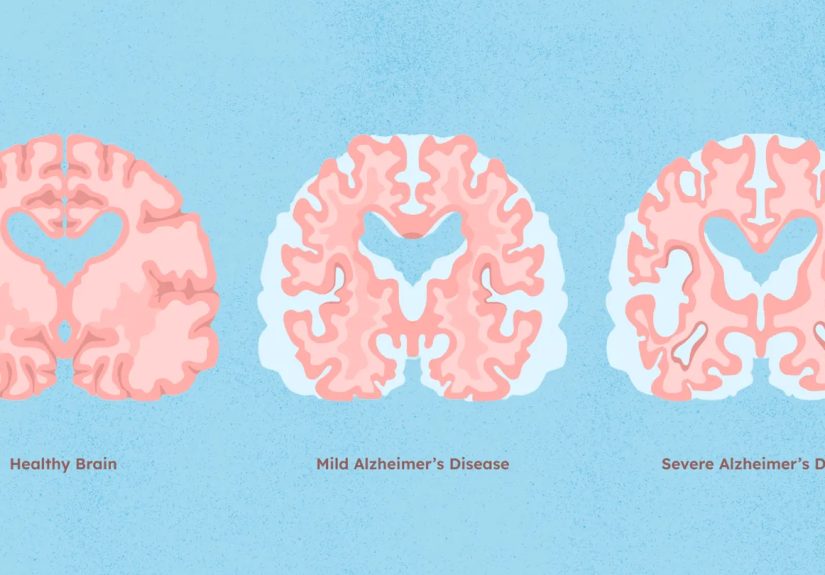
In Alzheimer’s, abnormal proteins (beta-amyloid and tau) build up in the brain, damaging and
eventually killing brain cells over time. This process is slow, which is why Alzheimer’s is
described as a progressive brain disease.
Most people diagnosed with Alzheimer’s are over 65, but it can appear earlier. There’s currently
no cure. However, medications, lifestyle changes, and supportive care can help manage symptoms
and sometimes slow progression, especially when the disease is caught early.
How Doctors Describe Alzheimer’s Stages
Here’s where it gets a little confusing: there isn’t just one official way to describe
Alzheimer’s stages. Instead, experts use a few different models that all describe a similar
journey from “no obvious symptoms yet” to “severe dementia.”
The 3-Stage Model
Many caregivers and organizations use a simple three-stage model because it’s easier to remember:
- Early (mild) Alzheimer’s – subtle symptoms, mostly independence.
- Middle (moderate) Alzheimer’s – noticeable memory and thinking problems that interfere with daily life.
- Late (severe) Alzheimer’s – major decline, full dependence on others for care.
This model is especially useful for families who want a big-picture view: early, middle, and late.
The 5-Stage Model (Including Preclinical and MCI)
Many medical centers and research groups now talk about Alzheimer’s as a continuum
with five main stages:
- Preclinical Alzheimer’s disease (no symptoms yet, but changes may be starting in the brain)
- Mild cognitive impairment (MCI) due to Alzheimer’s disease
- Mild dementia due to Alzheimer’s disease
- Moderate dementia
- Severe dementia
This model is helpful because it includes people who don’t meet full criteria for dementia yet
but are clearly having more memory problems than expected for their age.
The 7-Stage Global Deterioration Scale
Some specialists also use a detailed seven-stage scale that breaks things down further,
from no impairment to very severe dementia. You might see this in research settings or in more
detailed medical reports. For caregivers, it can sometimes feel a bit too technical, but it can
help explain subtle shifts over time.
The good news is you don’t have to memorize every model. What matters most is understanding the
general direction of change: from subtle changes, to noticeable problems, to requiring full-time care.
Stage-by-Stage: How Alzheimer’s Typically Progresses
Stage 1: Preclinical Alzheimer’s Disease
In the preclinical stage, the person feels and functions normally. There are no obvious symptoms,
no missed bills, no forgotten appointments. But behind the scenes, changes may already be happening
in the brain, with amyloid and tau beginning to accumulate.
Today, these changes can sometimes be detected with specialized tests, such as PET scans, spinal taps,
or newer blood tests that look for Alzheimer’s-related biomarkers. These tests are mostly used in
research or in people with higher risk, not for routine screening.
For families, this stage usually isn’t visible. You typically only learn about it later, when doctors
connect the dots and say, “These brain changes likely began years before symptoms.”
Stage 2: Mild Cognitive Impairment (MCI) Due to Alzheimer’s
Mild cognitive impairment is the “something’s not quite right, but life still works” phase. The person
has more memory or thinking problems than expected for their age, but they’re still mostly independent.
Common signs of MCI may include:
- Frequently misplacing items (keys, phone, glasses) and not finding them in the usual places.
- Repeating the same questions or stories without realizing it.
- Needing more lists, notes, or reminders than before.
- Taking longer to solve problems or learn new technology.
At this stage, the person can usually manage bills, medications, and driving, but their confidence
may waver. They might joke about their “senior moments,” but underneath there can be real worry.
Important note: Not everyone with MCI will develop Alzheimer’s dementia. Some people remain stable,
and a few even improve if their symptoms are due to something reversible (like medication side effects,
sleep problems, or depression). That’s why a full medical evaluation is so important.
Stage 3: Mild (Early-Stage) Alzheimer’s Dementia
In mild Alzheimer’s dementia, memory and thinking problems are now significant enough to interfere with
daily life. This is where many people first receive an official diagnosis.
Common changes in this early stage include:
- Difficulty remembering recent conversations, appointments, or events.
- Trouble managing finances, paying bills, or balancing a checkbook.
- Getting lost on familiar routes or needing GPS for routine drives.
- Struggling to find the right words, especially names and specific terms.
- Increased anxiety, irritability, or withdrawal from hobbies and social activities.
The person may still look “fine” to casual friends or coworkers. They might compensate with calendars,
reminder apps, and careful routines. But close family members usually see the pattern: more repetition,
more confusion, more “Wait, what did you say again?”
This is often the best time to tackle tough but crucial tasks: updating legal documents, discussing driving,
planning future care, and talking honestly about wishes and values. It’s not a fun to-do list, but it’s
a powerful way to protect everyone later on.
Stage 4: Moderate (Middle-Stage) Alzheimer’s Dementia
The moderate stage is where Alzheimer’s usually becomes impossible to hide. Symptoms affect many parts of life,
and the person typically needs significant help every day.
Typical changes in the moderate stage include:
- Needing help with daily tasks like dressing, bathing, or meal preparation.
- Forgetting important personal details, such as address, phone number, or significant life events.
- Confusing family members or mixing up relationships (“You’re my sister,” to a daughter).
- Wandering or pacing, especially in the evening (sometimes called “sundowning”).
- Sleep disturbances, restlessness, or turning night and day upside down.
- Personality and behavior changes, such as agitation, suspiciousness, or emotional outbursts.
For caregivers, this stage can feel like a full-time joband then some. The person may lose insight into
their condition and resist help, insisting that they’re fine. Safety becomes a major priority: preventing
falls, managing medications, securing doors to reduce wandering, and keeping harmful items out of reach.
Support for caregivers is not a luxury hereit’s a necessity. Respite care, adult day programs, support
groups, and help from extended family can all make a major difference in preventing burnout.
Stage 5: Severe (Late-Stage) Alzheimer’s Dementia
In severe Alzheimer’s, brain damage is widespread. The person becomes fully dependent on others for care
and may no longer recognize loved ones. This is often the hardest stage emotionally, even though some of
the earlier behavioral symptoms may actually calm down.
Common features of late-stage Alzheimer’s include:
- Little or no meaningful verbal communication; speech may be limited to a few words or sounds.
- Loss of ability to walk, sit up, or hold their head up without help.
- Difficulty swallowing, increasing the risk of choking or aspiration pneumonia.
- Incontinence of bladder and bowel.
- Weight loss and increased vulnerability to infections and bedsores.
Although communication becomes limited, it’s important to remember that the person may still respond
to touch, music, familiar voices, and emotional tone. Gentle routines, soft music, and a calm environment
can bring comfort even when words no longer do the job.
At this stage, families often work closely with palliative care or hospice teams to focus on comfort,
dignity, and relief of pain or distress. The goal is quality of life, however you and your loved one define it.
How Fast Does Alzheimer’s Progress?
One of the most frustrating things about Alzheimer’s is how unpredictable it can be. On average, people live
about four to eight years after diagnosis, but some may live for 15–20 years. “Typical” is a huge range.
Factors that can affect progression include:
- Age at diagnosis: Younger individuals may live longer with the disease.
- Overall health: Heart disease, diabetes, and strokes can speed decline.
- Genetics: Certain genes can raise risk and may influence how the disease behaves.
- Lifestyle: Physical activity, social connection, and cognitive stimulation may help support brain health.
- Treatments: Medications and structured routines can sometimes slow symptom progression or reduce complications.
Even within the same family, two people with Alzheimer’s can have completely different timelines. Instead of
counting exact years, it’s often more helpful to focus on what the person needs right now and how you can
make this phase of life as safe and meaningful as possible.
How Doctors Diagnose the Stage of Alzheimer’s
Diagnosing Alzheimer’sand figuring out the stageis like putting together a puzzle. There isn’t just one test.
Instead, healthcare professionals typically combine several tools:
- Medical history: When symptoms started, how they’ve changed, family history, other medical conditions.
- Cognitive tests: Short memory and thinking assessments that measure attention, recall, and language.
- Physical and neurological exams: Checking reflexes, coordination, strength, and senses.
- Blood tests: Looking for other causes of symptoms (like thyroid problems, vitamin deficiencies, or infections).
- Brain imaging: CT or MRI scans to look for strokes, tumors, or structural changes.
- Biomarker tests: In some cases, spinal fluid, PET scans, or newer blood tests that look for amyloid and tau.
The newer blood-based biomarker tests are especially exciting because they may make earlier, less invasive
detection possible. They won’t replace a full evaluation, but they can add valuable clues and help doctors
identify Alzheimer’s sooner, when treatment options may be more effective.
After gathering all this information, clinicians estimate the stage of the disease and discuss what it means
for daily life, safety, and planning. Staging may be updated over time as symptoms change.
What Families Can Do at Each Stage
Early and MCI Stages: Build the Foundation
Key goals in the early phase include understanding, planning, and protecting independence.
- Learn about Alzheimer’s and dementia so symptoms feel less mysterious and frightening.
- Meet with an attorney to update wills, powers of attorney, and advance directives while the person can still fully participate.
- Set up simple, clear systems: a big calendar, pill organizers, automatic bill payments, and labeled drawers.
- Encourage brain-healthy habits: regular exercise, balanced nutrition, good sleep, and social activities.
- Talk openly as a familyyes, it’s awkward, but it reduces guesswork and guilt later.
Think of this stage as your “prep time.” The more groundwork you lay now, the smoother later stages can be.
Middle Stage: Prioritize Safety and Structure
In moderate Alzheimer’s, caregiving becomes more hands-on. The goal is to support dignity and safety without
smothering independence.
- Make the home safer: remove trip hazards, secure medications and cleaning products, and consider door alarms if wandering is a concern.
- Use simple routines: same wake-up time, mealtimes, and bedtime; repeat familiar activities.
- Break tasks into small steps and give one instruction at a time.
- Use short, calm phrases and offer choices rather than commands: “Would you like the blue shirt or the green one?”
- Look into adult day programs, in-home aides, or other services to give caregivers breaks.
It’s normal to feel overwhelmed, frustrated, or guilty at this point. None of that means you’re failing.
It just means you’re human and you’re doing an incredibly hard job.
Late Stage: Focus on Comfort and Connection
In severe Alzheimer’s, the priorities shift toward comfort, dignity, and meaningful connection in small ways.
- Work with healthcare providers to manage pain, breathing issues, and other physical discomforts.
- Use nonverbal communication: touch, music, familiar scents, and soothing routines.
- Consider hospice or palliative care services to support both the person and the family.
- Let go of perfectionwhat matters most is that the person feels safe and cared for.
Even if the person no longer recognizes you, your presence still matters. A gentle hand, a favorite song,
or a calm voice can be deeply reassuring.
Real-Life Experiences: How Alzheimer’s Stages Can Feel in Everyday Life
Medical descriptions of Alzheimer’s stages are important, but they don’t always capture what it’s like to
live through them. To make this more concrete, imagine a composite story based on many families’ experiences.
Meet Maria, a retired teacher in her late 60s, and her son, Jordan. At first, Maria’s family
notices small quirks. She forgets where she put her reading glasses (they are, of course, on her head).
She asks the same question twice at dinner. Everyone laughs it off as normal aging, but Jordan starts
quietly keeping track.
Over the next year, those small glitches become more frequent. Maria, who used to run a classroom like
a well-oiled machine, now struggles to follow multi-step recipes and gets lost in the middle of stories.
She jokes about “brain fog” but admits she’s scared. A checkup leads to further testing, and eventually,
the diagnosis: mild Alzheimer’s disease.
In the early stage, life still looks fairly normal from the outside. Maria goes for daily walks, meets
friends for coffee, and plays with her grandchildren. The difference is backstage: Jordan quietly takes
over managing bills, checks in more frequently by phone, and uses a shared digital calendar to keep track
of appointments. They sit down together with an attorney to update legal documents. It’s not exactly a
bucket-list activity, but they both feel calmer afterward, knowing that plans are in place.
A few years later, Maria moves into the moderate stage. She starts putting milk in the pantry and cereal
in the fridge. The TV remote regularly disappears into the linen closet. She sometimes calls her grandson
by her brother’s name and insists she already ate dinner when she hasn’t. Jordan, trying to hold his job
and care for his mom, feels like he’s spinning plates on a tightrope.
They work with a social worker to bring in part-time in-home care. A professional caregiver helps with
showers, medications, and meal prep. Maria resists at first“I don’t need a babysitter!”but eventually
warms up when she realizes she has someone to sing old songs with and look through photo albums.
Jordan uses some of this freed-up time to rest, go to the gym, and grab dinner with friends. It feels
strange to take breaks, but he starts to see that caring for himself is part of caring for his mom.
In the late stage, Maria moves into a memory care community when her needs become too heavy for home.
She no longer recognizes the facility, but she responds to familiar music and smiles when Jordan squeezes
her hand. She says fewer words, but her face still lights up at the sound of certain songs from the 1960s
and the smell of fresh coffee.
For Jordan, this stage is bittersweet. He grieves the loss of the vibrant teacher who read him bedtime
stories and helped him with science projects. But he also finds moments of peacewatching his mother relax
to a favorite tune, seeing trained staff gently reposition her, knowing she isn’t in pain. The focus is no
longer on “fighting the disease” but on maximizing comfort, connection, and dignity.
Maria and Jordan’s story isn’t any one family’s exact experience, but it reflects what many people go
through: years of adjustment, creativity, hard choices, and small victories. There are heartbreaking days
and surprisingly joyful momentslike when a long-forgotten song brings a spark of recognition or when a
person who rarely speaks suddenly offers a clear “I love you.”
If you’re walking this path now, remember: you don’t have to do it alone. Building a teamfamily, friends,
neighbors, medical professionals, support groups, and community agenciescan make a tremendous difference
at every stage of Alzheimer’s disease.
Final Thoughts
Alzheimer’s disease moves through recognizable stages, but each person’s journey is unique. Whether
symptoms are just beginning or you’re facing late-stage challenges, understanding how the disease
progresses can help you make informed decisions, plan ahead, and create as much safety, comfort,
and meaning as possible.
While we wait for more effective treatments and, someday, a cure, there is still a great deal we can do
right now: seek early diagnosis, stay active and connected, tap into community resources, and support
caregivers as fiercely as we support the person living with Alzheimer’s. Knowledge doesn’t erase the
difficultybut it does replace some of the fear with clarity, intention, and hope.