Table of Contents >> Show >> Hide
- What Is Altai Balance Supposed to Do?
- Quick Verdict: My Consumer Report Summary
- What the Marketing Gets Right
- Where the Claims Start to Feel Overcooked
- A Closer Look at the Ingredients
- Is Altai Balance Clinically Proven?
- Red Flags That Deserve Attention
- So, Is Altai Balance a Scam?
- Who Should Be Especially Careful?
- How to Judge a Product Like This Before Buying
- Final Verdict
- Extended Consumer Experiences: What Buyers Often Go Through With Products Like Altai Balance
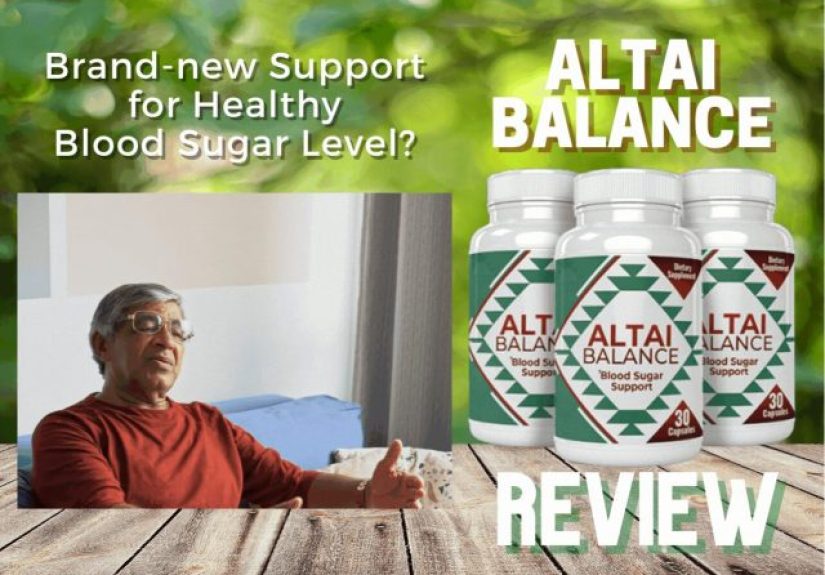
If you have ever wandered into the wild jungle of blood sugar supplements, you already know the vibe: bold promises, dramatic testimonials, words like “detox” tossed around like confetti, and a checkout button that practically does jazz hands. Altai Balance fits neatly into that world. It is marketed as a blood sugar support supplement designed to help regulate glucose, improve overall wellness, and tackle the deeper “root cause” of imbalance. That sounds impressive. It also sounds suspiciously like the sort of thing every other supplement says right before asking for your credit card.
So, is Altai Balance a scam? Not necessarily in the strictest sense. But is it a fully convincing, clinically proven, transparency-first product that should make cautious buyers feel cozy and protected? Also no. The truth lives in the less glamorous middle: Altai Balance appears to be a real supplement sold online, but the public information surrounding it raises enough questions that smart consumers should keep both eyebrows lifted.
This review takes a consumer-report approach. We will look at what Altai Balance claims to do, what its ingredients suggest, where the red flags show up, and whether the product looks like a wise buy or just another bottle of hope wearing a premium price tag.
What Is Altai Balance Supposed to Do?
Altai Balance is sold as a daily supplement for people who want support for healthy blood sugar levels. Its marketing leans hard on familiar supplement language: natural ingredients, detox support, insulin resistance support, weight-related benefits, more energy, better metabolic function, and a generally happier body. In plain English, the product is trying to position itself as an all-in-one helper for people worried about blood glucose, cravings, and long-term metabolic health.
The sales pitch is attractive because it speaks directly to a real fear. Blood sugar problems can feel overwhelming, expensive, and never-ending. That emotional pressure makes consumers especially vulnerable to supplement marketing. If a page suggests you can “fix the cause” with a capsule, that can feel a lot easier than a lifelong combo of meals, movement, lab work, prescriptions, and follow-up appointments. Sadly, the body does not usually accept shortcuts just because the website has a mountain-themed logo and a discount timer.
Quick Verdict: My Consumer Report Summary
Here is the short version. Altai Balance is not clearly proven to be an outright scam, but it also does not present the kind of evidence or transparency that would make it easy to trust. The ingredient list includes several substances commonly used in blood sugar supplements, and some of those ingredients do have limited or mixed research behind them. However, there does not appear to be strong public evidence showing that the finished Altai Balance formula itself has been clinically tested in a rigorous way.
That distinction matters. An ingredient having some interesting research is not the same thing as a finished product being proven effective. A recipe can contain good ingredients and still produce a disappointing cake. Ask anyone who has ever aggressively overestimated their baking skills.
What the Marketing Gets Right
To be fair, Altai Balance is not built around a completely bizarre concept. The official marketing mentions ingredients that show up often in blood sugar support supplements, such as bitter melon, white mulberry, banaba, alpha-lipoic acid, gymnema, licorice root, taurine, juniper berries, and cinnamon-related compounds. That lineup is not random. These ingredients are regularly discussed in the supplement world because some have been studied for glucose metabolism, insulin sensitivity, antioxidant support, or appetite-related effects.
So the basic idea is not nonsense. People interested in blood sugar management often do look at herbs and nutritional compounds. That part is real. Where things start wobbling is when the product presentation jumps from “these ingredients may support” to “this formula can basically rescue your metabolic destiny.” That is where cautious reading becomes essential.
Where the Claims Start to Feel Overcooked
Supplements for diabetes or blood sugar support live in a tricky lane. They can be marketed with broad wellness language, but they should not be sold like miracle medicine. When a product leans too heavily on phrases suggesting it can regulate diabetes, reverse deep problems, or outperform established care, that is a problem. Consumers deserve a calm explanation of potential benefits, limitations, and risks. What they often get instead is marketing theater dressed up as health guidance.
Altai Balance, based on its public-facing sales style, appears to lean more toward persuasive storytelling than careful scientific communication. That does not automatically make it fake. It does make it less trustworthy. The more dramatic the promise, the stronger the proof should be. If the proof is thin, the promise should stay humble. That is not just good ethics. It is common sense.
A Closer Look at the Ingredients
Alpha-Lipoic Acid
Alpha-lipoic acid is probably one of the more respectable ingredients in the conversation because it has been studied for diabetes-related complications, especially nerve issues. But that does not mean it is a slam dunk for everyday glucose control. Research on alpha-lipoic acid has been mixed, especially when the goal is improving blood sugar markers in a clear and dramatic way. In other words, it is an ingredient with some scientific interest, but not a magic eraser for metabolic problems.
Bitter Melon
Bitter melon is a familiar name in blood sugar supplement formulas. It has a long traditional-use history and some research suggesting possible glucose-lowering effects. The catch is that “possible” is doing a lot of heavy lifting there. The ingredient may be promising, but promising is not the same as proven. Consumers should think of bitter melon as a maybe-helpful supporting actor, not a superhero descending from the clouds to save your A1C.
Banaba, White Mulberry, and Gymnema
These ingredients are often marketed for carbohydrate handling, sugar absorption, or cravings. They sound appealing because they target exactly the pain points buyers worry about. But again, product-specific evidence matters. A supplement page that lists trendy ingredients is not showing that the formula contains them in the right doses, in the right combinations, with the right quality controls, or with the kind of human clinical data most consumers assume exists.
Licorice Root
This one deserves extra attention. Licorice root has traditional uses, but it also comes with real caution flags. It can affect blood pressure and potassium levels, and it may interact with certain medications. That is a reminder that “natural” does not mean harmless. Poison ivy is natural too, and nobody is putting that in a smoothie on purpose.
Cinnamon
Cinnamon is one of the most famous blood sugar support ingredients on the internet. It also has one of the most overinflated reputations. Some studies suggest modest benefits in certain people, but the evidence is mixed, and long-term or high-dose use is not something to shrug off casually. Cinnamon can be a nice pantry staple. A supplement using it as a dramatic sales prop is another matter.
Is Altai Balance Clinically Proven?
This is where many buyers should pause and reread the label with their skeptical glasses on. Public information around Altai Balance appears to focus mostly on ingredient narratives, testimonials, broad claims, and manufacturing language. What is harder to find is strong, product-specific proof that the finished Altai Balance formula has been tested in high-quality clinical trials and shown to deliver the dramatic outcomes implied in the marketing.
That is a major gap. Plenty of supplement pages rely on the old trick of borrowing credibility from ingredient studies, even when the actual product itself has not been meaningfully tested. It is the scientific version of saying, “Well, I own running shoes, therefore I am basically an Olympian.” No. That is not how this works.
Red Flags That Deserve Attention
1. “FDA Approved” Style Language
One of the biggest credibility issues is the use of “FDA approved” or “FDA-certified facility” style wording on supplement pages. That language can confuse consumers into thinking the product itself has been formally reviewed and approved by the FDA for safety and effectiveness. Dietary supplements are not approved by the FDA the way prescription drugs are. If a supplement page uses language that nudges buyers toward that impression, that is not comforting. It is sloppy at best and misleading at worst.
2. The Disclaimer Does Not Match the Vibe
Another red flag is when a page makes strong health claims, then quietly includes the standard legal disclaimer saying the FDA has not evaluated the statements and the product is not intended to diagnose, treat, cure, or prevent disease. Legally, that disclaimer matters. Practically, it can feel like the marketing version of saying, “I did not mean it the way I definitely sounded like I meant it.”
3. Inconsistent Guarantee Language
Consumers should notice when refund and guarantee details do not line up cleanly. A transparent company should be crystal clear about whether the guarantee is 60 days, 180 days, or something else entirely. Inconsistencies in money-back language may not prove fraud, but they do suggest weak quality control in customer-facing information. If a company cannot keep its guarantee page tidy, buyers are fair to wonder what else is fuzzy behind the curtain.
4. Lack of Clear Dosing Transparency
Another problem is the limited visibility into exact ingredient amounts and formula transparency on the sales page. Consumers should not have to play detective to figure out how much of each active ingredient they are getting. Without that information, it becomes much harder to compare the product to published research, assess safety, or judge whether the formula is likely to be meaningful rather than decorative.
5. Testimonials Are Not Clinical Evidence
Supplement websites love testimonials because they sound human, emotional, and immediate. The problem is that testimonials are not controlled data. People may improve for many reasons: diet changes, weight loss, better sleep, medication adjustments, placebo effect, natural fluctuation, or plain wishful thinking. A glowing review is not worthless, but it is nowhere near strong enough to settle the effectiveness question.
So, Is Altai Balance a Scam?
The most honest answer is this: Altai Balance does not look like a proven medical breakthrough, and it does show several supplement-marketing red flags, but the current public information does not prove it is an outright scam in the strict legal sense.
That means buyers should avoid the two lazy extremes. Do not assume it is a miracle just because the page looks polished. Also do not assume every supplement is fake simply because it is a supplement. The smarter conclusion is that Altai Balance looks like a typical blood sugar support product in a category where the marketing often runs faster than the science.
If you want a blunt consumer answer, here it is: it is probably better described as overmarketed than as proven. And for many people, overmarketed is still a good enough reason to save the money.
Who Should Be Especially Careful?
Anyone with diabetes or prediabetes should be especially careful with products like Altai Balance. That includes people taking insulin, metformin, sulfonylureas, GLP-1 medications, blood pressure drugs, diuretics, or other medications that may interact with herbs or glucose-lowering compounds. People with liver disease, kidney concerns, or cardiovascular issues should also avoid casual supplement experiments without professional guidance.
Blood sugar is not the kind of thing you freestyle with because a website promised “natural support.” A supplement that mildly lowers glucose in one person could complicate medication timing, mask symptoms, or create confusion in someone else. Safety is not just about ingredients. It is about context.
How to Judge a Product Like This Before Buying
If you are considering Altai Balance or anything like it, use a simple test. First, look for exact ingredient amounts and a full label. Second, look for evidence that the finished product itself was tested, not just the ingredients in isolation. Third, check whether the claims sound measured or dramatic. Fourth, see whether the company speaks clearly about refunds, manufacturer details, and customer service. Fifth, ask whether the product has credible third-party quality verification. If the answers are vague, defensive, or conveniently hidden behind buzzwords, that is your cue to back away slowly.
The American supplement aisle is full of products selling optimism in capsule form. Sometimes optimism is lovely. It is less lovely when it bills you monthly.
Final Verdict
Altai Balance is not a product I would call a clearly established scam based solely on the public information available. But I also would not call it a trustworthy, evidence-rich, first-choice solution for blood sugar management. The formula includes ingredients that have some scientific interest, yet the finished product appears to rely far more on marketing language than on transparent, product-specific proof.
For consumers, that means caution is the right mood. If you are curious, treat Altai Balance as a supplement with uncertain upside, not a therapy with proven results. It should never replace medical care, medication, lab monitoring, or the boring but effective stuff like nutrition, movement, sleep, and follow-up with a licensed clinician. The boring stuff rarely gets a flashy landing page, but it still tends to outperform miracle bottles in the long run.
Extended Consumer Experiences: What Buyers Often Go Through With Products Like Altai Balance
One reason supplements like Altai Balance keep attracting attention is that the buyer journey feels intensely personal. People usually do not shop for a blood sugar supplement out of casual boredom. They show up because they are worried, frustrated, tired of numbers that refuse to cooperate, or simply looking for something that feels more natural than another prescription conversation. That emotional starting point matters, because it shapes how people experience the product before they even swallow the first capsule.
For many buyers, the first experience is hope. The sales page sounds confident, the ingredients sound familiar, and the message feels almost tailor-made for someone who is sick of feeling behind. A shopper may think, “Maybe this is the missing piece.” That feeling is powerful. It also makes people more forgiving of vague claims, missing details, and dramatic wording they would normally side-eye in any other category. Nobody reads a questionable toaster ad and thinks it will transform their life. Supplements, however, are sold in the emotional neighborhood of health anxiety, and that changes everything.
Then comes the waiting phase. Some people report feeling encouraged just by starting something new. They may become more disciplined with meals, drink more water, walk more often, or pay closer attention to glucose readings. In that situation, any improvement can feel like proof the supplement is working. Sometimes that belief may be partly true. Sometimes it is impossible to separate the capsules from the healthier habits that started at the same time. Real life is messy like that.
Other buyers have the opposite experience. They take the product consistently for days or weeks and notice little to nothing. No meaningful change in readings, no dramatic energy boost, no “wow” moment, just a growing sense that they paid premium money for a very enthusiastic bottle. That can be especially frustrating because the marketing usually suggests noticeable momentum, not a shrug.
There is also a middle group: people who feel some small changes but nothing revolutionary. Maybe cravings feel slightly calmer. Maybe energy feels a touch steadier. Maybe post-meal crashes seem a bit less annoying. But even then, many consumers are left wondering whether those changes justify the cost, especially if the product needs to be taken for months and purchased in multi-bottle bundles to get the best price. That is when the romance fades and the calculator comes out.
Refund policies also become part of the experience. A generous guarantee sounds comforting on the front end, but buyers tend to care about the fine print only after disappointment shows up. If the guarantee language feels inconsistent or the return process is unclear, confidence drops fast. People do not just want a promise. They want a promise that looks organized, consistent, and easy to verify.
In the end, the most common experience around products like Altai Balance is not a miracle or a disaster. It is uncertainty. Buyers are often left somewhere between “maybe it helped a little” and “I am not convinced this was worth it.” And when that is the dominant outcome, the smartest consumer move is simple: demand clearer evidence before buying the next bottle.