Table of Contents >> Show >> Hide
- Why this combo works (a quick flavor breakdown)
- Ingredients
- Tools & prep (aka “set yourself up to win”)
- Step-by-step recipe
- How to keep the almond crust crispy (no sad soggy tops)
- Trout doneness: the easiest way to nail it
- Variations and substitutions
- Make-ahead, storage, and leftovers that don’t feel like punishment
- Troubleshooting FAQ
- Nutrition notes (not a lecture, just the highlights)
- Real-kitchen experiences (extra 500-ish words)
- Conclusion
- SEO Tags
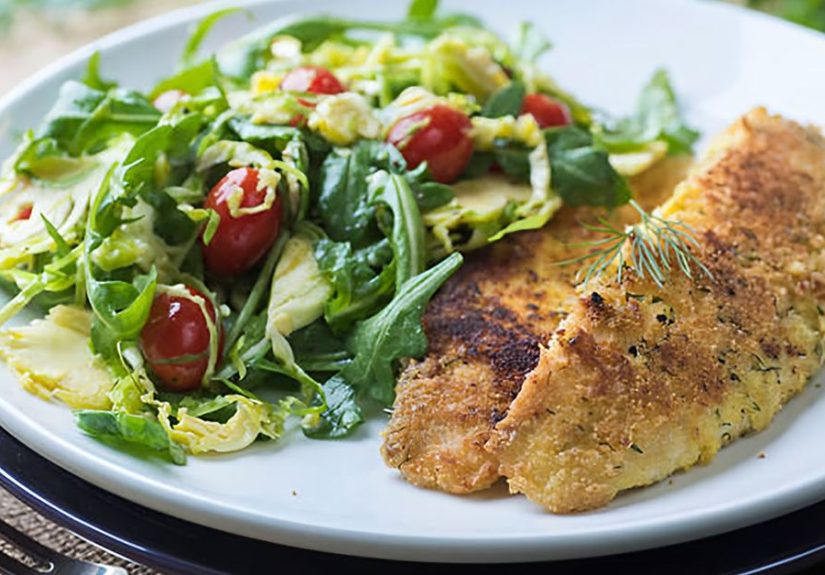
Some dinners feel like they should come with a tiny spotlight and a round of applause. This is one of them.
You get flaky, buttery trout wearing a crunchy almond “jacket,” plus a shaved Brussels sprout salad that’s bright,
crisp, and just fancy enough to make you stand a little taller while chewing. Best part? It’s weeknight-friendly.
No culinary degree requiredjust a baking sheet, a sharp knife (or mandoline if you like living on the edge),
and a willingness to toast some almonds without wandering off to “just check one thing” on your phone.
This article walks you through the why and the how:
how to keep the almond crust crisp, how to avoid overcooking delicate trout, and how to build a shaved Brussels sprout
salad that tastes like it came from a restaurant that uses cloth napkins on purpose.
Why this combo works (a quick flavor breakdown)
Trout is mild, slightly sweet, and cooks quicklyperfect for a crunchy topping. Almonds bring toastiness and a buttery
crunch that plays nicely with fish (without bullying it). Meanwhile, raw shaved Brussels sprouts are sturdy enough
to handle a punchy dressing; they stay crisp instead of turning into a sad, soggy pile. Add lemon, Dijon, and a hint
of sweetness, and suddenly everything tastes “brighter,” like your dinner just got a promotion.
Ingredients
This recipe serves 4. If you’re cooking for 2, cut everything in half. If you’re cooking for 1,
congratulationsleftovers are your future best friend.
For the almond-crusted trout
- 4 trout fillets (about 5–6 oz each), preferably skin-on
- 1/2 cup almonds, finely chopped (or pulsed; don’t turn them into almond dust)
- 1/3 cup panko breadcrumbs (optional, but adds extra crunch)
- 1/4 cup grated Parmesan (optional, for savory depth)
- 1 teaspoon lemon zest
- 1 tablespoon chopped parsley or dill
- 1/2 teaspoon garlic powder (or 1 small clove fresh garlic, finely grated)
- Salt and black pepper
- 2 tablespoons Dijon mustard
- 1 tablespoon mayonnaise (or Greek yogurt for a lighter vibe)
- 1 tablespoon fresh lemon juice
- 1–2 tablespoons olive oil (for the crust and/or drizzling)
- Lemon wedges, for serving
For the shaved Brussels sprout salad
- 1 lb Brussels sprouts, trimmed
- 1 crisp apple (Honeycrisp, Fuji, or Granny Smith), thinly sliced or matchsticked
- 1/2 cup dried cranberries (or dried cherries)
- 1/3 cup shaved Parmesan or pecorino (optional but excellent)
- 1/4 cup thinly sliced red onion (optional; strong opinions welcome)
- 1/3 cup toasted sliced almonds (optional; swap to pepitas if you’re “all almonded out”)
Lemon-Dijon vinaigrette
- 1/4 cup extra-virgin olive oil
- 3 tablespoons fresh lemon juice (about 1 large lemon)
- 1 teaspoon Dijon mustard
- 1–2 teaspoons honey or maple syrup (to balance the bite)
- 1 small garlic clove, minced or grated
- Salt and black pepper
- Optional: 1 teaspoon poppy seeds or a pinch of chili flakes
Tools & prep (aka “set yourself up to win”)
- Baking sheet + parchment (less cleanup, more joy)
- Small bowl for crust + another for dressing
- Mandoline or sharp knife for shaving Brussels sprouts
- Microplane/zester (optional but makes lemon zest effortless)
- Instant-read thermometer (highly recommended for fish confidence)
Step-by-step recipe
1) Prep the oven and the fish
- Preheat oven to 400°F. Line a baking sheet with parchment.
- Pat trout fillets very dry with paper towels. (Moisture is the sworn enemy of crispness.)
- Season both sides lightly with salt and pepper.
2) Make the “glue” and the almond crust
-
In a small bowl, stir together Dijon mustard, mayonnaise, and
lemon juice. This is your flavor pastetangy, creamy, and designed to help the crust stick. -
In another bowl, mix chopped almonds, panko (if using),
Parmesan (if using), lemon zest, herbs,
garlic, and a pinch of salt and pepper. -
Drizzle in 1 tablespoon olive oil and toss until the mixture looks like it will crisp up nicely
instead of sitting there dry and judgmental.
3) Assemble and bake the trout
- Place trout fillets on the baking sheet, skin-side down.
- Spread a thin layer of the Dijon mixture over the top of each fillet (like you’re frosting a very serious cupcake).
- Pile the almond mixture on top and press gently so it adheres. Don’t smash it flatcrunch needs air pockets.
-
Bake for 10–14 minutes, depending on thickness, until the fish flakes easily and the crust is golden.
If you want extra browning, broil for 30–60 seconds at the endjust don’t walk away, because broilers
are basically tiny dragons.
4) Shave the Brussels sprouts (safely and sanely)
Trim the ends and remove any rough outer leaves. Then shave:
- Knife method: Halve sprouts and slice thinly.
- Mandoline method: Use the slicing blade and watch your fingertips like they owe you money.
- Food processor method: Shredding blade = fast results and fewer tears.
5) Make the salad and dress it like you mean it
-
In a bowl, whisk together all vinaigrette ingredients: olive oil, lemon juice, Dijon, honey/maple, garlic,
salt, and pepper. -
In a large salad bowl, combine shaved Brussels sprouts, apple, dried cranberries, cheese (if using),
and red onion (if using). -
Pour dressing over and toss thoroughly. Let the salad sit for 10–15 minutes.
This softens the sprouts slightly and rounds out the flavorlike giving your salad time to think about its choices. - Add toasted sliced almonds (or pepitas) right before serving for crunch.
6) Plate it up
Serve trout hot with lemon wedges. Pile the shaved Brussels sprout salad next to it. If you want to go full
“I host dinner parties now,” add a drizzle of olive oil over the salad and a few extra herb leaves over the fish.
How to keep the almond crust crispy (no sad soggy tops)
- Dry fish = crisp crust. Pat the fillets dry thoroughly before seasoning.
-
Use a thin layer of binder. Dijon + mayo/yogurt should be a smear, not a soup. Too much moisture
slows browning. -
Chop almonds smartly. You want small pieces for coverage, but not almond flour. A mix of fine and
slightly larger bits gives better texture. - Oil helps browning. A little olive oil in the crust mixture encourages golden color.
- Broil briefly if needed. A quick broil at the end turns “pretty good” into “why is this so good?”
Trout doneness: the easiest way to nail it
Trout cooks fast and can go from “perfect” to “dry” in the time it takes to answer a group chat. Your two best cues:
- Temperature: Aim for an internal temperature of 145°F for food safety.
- Texture: The flesh should turn opaque and flake easily with a fork.
If you’re cooking skin-on trout, baking it skin-side down helps protect the delicate flesh. If your fillets are
especially thick, you may need closer to 14–16 minutes. Thin fillets? Check around the 9–10 minute mark.
Variations and substitutions
Make it gluten-free
Skip the panko and use all chopped almonds (or a mix of chopped almonds and almond flour).
The crust will be slightly denser but still crunchy, especially with a brief broil at the end.
Nut-free option
If almonds are a no-go, swap the crust for panko + grated Parmesan and add lemon zest and herbs.
For the salad crunch, use toasted pumpkin seeds.
Switch the fish
This method works beautifully with salmon, cod, halibut, or arctic char. If the fish is thicker (like salmon),
add a couple minutes and rely on the thermometer to avoid guesswork.
Change the salad mood
- More savory: Add crispy bacon bits or roasted chickpeas (optional, but wow).
- More citrusy: Add orange segments or a little orange zest to the vinaigrette.
- More creamy: Toss in crumbled goat cheese.
- More hearty: Add cooked farro or quinoa and call it lunch tomorrow.
Make-ahead, storage, and leftovers that don’t feel like punishment
Make-ahead tips
-
Salad: You can shave Brussels sprouts ahead and store them chilled. The salad can also be dressed
a bit in advance because Brussels sprouts are sturdy (they won’t collapse like lettuce). -
Crust mix: Mix chopped almonds, panko, lemon zest, and herbs ahead; store airtight at room temp.
Add oil right before using for best crisping.
Storing leftovers
- Trout: Refrigerate in an airtight container up to 2 days. Reheat gently in a 300°F oven.
-
Salad: Keeps 2–3 days chilled. It softens a bit but stays pleasantly chewy-crisp.
Add crunchy toppings right before eating.
Troubleshooting FAQ
My crust isn’t browninghelp!
Try a short broil at the end, and make sure your crust has a little oil in it. Also check that your fish was dried
well before assembling.
My trout is dry. What happened?
Most likely: overbaked. Trout is delicate. Next time, check a few minutes earlier and use a thermometer. Also,
consider slightly thicker fillets if you keep getting thin ones that overcook quickly.
Raw Brussels sprouts taste too strong for me.
Let the salad sit dressed for 15–20 minutes to mellow. You can also massage the shaved sprouts with a pinch of salt
and a drizzle of lemon juice before adding the rest of the ingredients.
Can I pan-sear the trout instead of baking?
You can, but baking is easiest for an even crust. If you want pan-sear magic, sear trout skin-side down first (to
crisp the skin), then transfer to the oven to finish with the almond crust on top.
Nutrition notes (not a lecture, just the highlights)
Trout is a great choice when you want a lighter seafood dinner that still feels satisfying. Almonds add crunch and
richness, while Brussels sprouts bring fiber, a peppery bite, and that “I definitely ate vegetables” feeling.
With a lemony vinaigrette, the salad stays fresh and bright, balancing the warm, savory fish.
Real-kitchen experiences (extra 500-ish words)
If you’ve ever cooked fish at home, you know the emotional arc: confidence → suspicion → “is it done?” → victory (or
slight regret). Almond-crusted trout is one of those recipes that tends to land on the victory side, mostly because
the oven does the heavy lifting while the crust distracts you from overthinking. The most common “aha” moment is how
much patting the fish dry matters. People often assume the crust isn’t crisp because the oven “isn’t hot
enough,” but nine times out of ten, the crust is fighting steam. Dry surface, thin binder layer, and a little oil in
the almond mixture usually fix it immediately.
Another surprisingly relatable experience: the almond chop. Some cooks go too fine (hello, almond sand) and end up
with a topping that browns but feels more like a soft blanket than a crunchy jacket. Others leave the almonds too
chunky, and the crust becomes a bumpy road you can’t quite slice cleanly. The sweet spot is a mixmostly small bits
with a few slightly larger pieces. That mix gives you crunch, coverage, and the kind of texture that makes people ask,
“Wait… what did you put on top of this?”
The salad side has its own set of real-world moments. The first time many people try shaved Brussels sprouts raw,
they’re skeptical. Then the dressing hits, and the sprouts soften just enough to become crisp-tender instead of
aggressively crunchy. Letting the salad sit for 10–15 minutes is where the magic happens. It’s also where the
difference between “tastes like raw veggies” and “tastes like a real salad” shows up. If you’re the kind of person
who wants immediate gratification, think of that short rest as the salad’s “marinating glow-up.”
Home cooks also tend to personalize this recipe fast. Some add apple for sweetness and crunch; others prefer pears.
Dried cranberries are popular, but dried cherries make it feel a little more “special occasion.” Cheese is another
dividing line: Parmesan adds salty sharpness, goat cheese adds creaminess, and skipping cheese entirely still works if
you boost the dressing with a touch more Dijon and a pinch of salt. And yespeople argue about red onion. If your onion
always tastes like it’s yelling, soak the slices in cold water for 5–10 minutes before tossing them in. They’ll calm
down and behave.
Finally, there’s the “leftover reality.” Almond crust won’t stay perfectly crisp in the fridge (nothing does; entropy
is undefeated), but reheating in a low oven brings it back surprisingly well. The salad leftovers often become a next-day
lunch upgradeespecially if you toss in leftover grains or top it with the remaining trout, flaked cold. Many people end
up making the salad again even when they’re not cooking fish because it’s fast, sturdy, and makes basic lunches feel
intentional. That’s the secret superpower here: one recipe that quietly turns into two habitscooking fish with confidence
and keeping a “real” salad in your rotation.
Conclusion
Almond-crusted trout with shaved Brussels sprout salad is the kind of meal that feels impressive without acting
difficult. You get contrast (warm crunchy fish + cold crisp salad), brightness (lemon + Dijon), and enough texture to
keep every bite interesting. Once you’ve made it once, it’s easy to riff ondifferent fish, different fruit, different
crunch, same reliable formula.