Table of Contents >> Show >> Hide
- What the Timberline XL Actually Is (And Why It’s Different)
- The Headline Feature: Wi-Fi That Actually Matters
- Core Cooking Specs: Capacity, Temps, and What That Means for Food
- The “Smart” Part: Smart Combustion, Sensors, and Stability
- Induction Cooktop: The Secret Weapon for “Grill Everything” People
- The User Experience: Touchscreen Controls, Probes, and “Don’t Make Me Guess” Design
- How It Performs Where It Counts: Smoke, Consistency, and Crowd Cooking
- Is the Timberline XL Worth It? A Clear-Eyed Buyer’s Guide
- Tips to Get the Best Results on a Wi-Fi Pellet Grill
- Conclusion
- Extra: of Real-Life Wi-Fi Grill Experiences (Because This Is Where It Gets Fun)
Once upon a time, “high-tech grilling” meant you owned a spatula and remembered where you put it.
Now we live in a world where your grill can text you (politely) that your brisket is cruising toward tenderness,
while you’re inside pretending you’re “just checking the weather” on your phone.
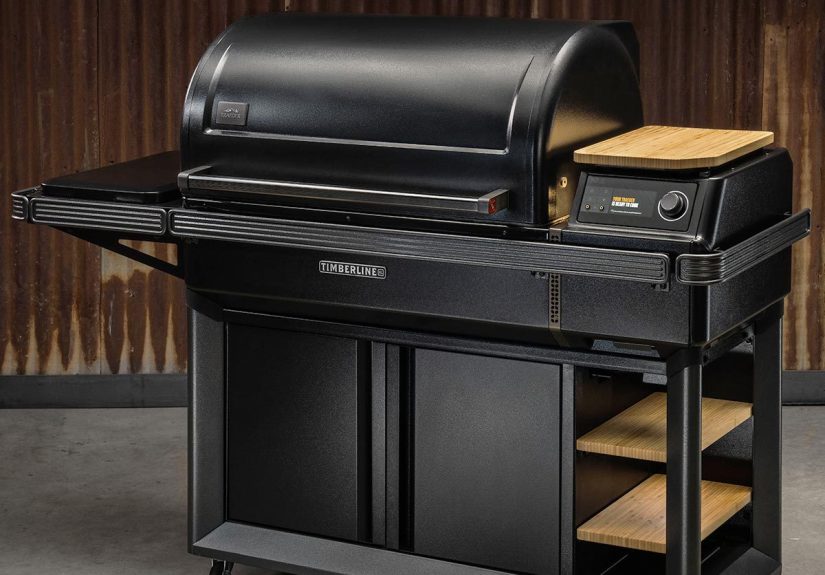
Traeger’s Timberline XL is the poster child for this new era: a wood-pellet grill that leans hard into smart features,
big capacity, and “outdoor-kitchen centerpiece” energy. It’s not trying to be a humble backyard appliance.
It’s trying to be the command center.
What the Timberline XL Actually Is (And Why It’s Different)
The Timberline XL is a premium pellet grill/smoker built for cooks who love the “set it and forget it” lifestyle
but still want results that taste like you babysat the fire all day. It uses wood pellets as fuel, feeds them into
a fire pot automatically, and controls heat with sensors and software so it can hold steady temps for long cooks.
The “XL” part isn’t marketing fluff. This grill is legitimately huge: it’s built around 1,320 square inches
of total cooking space across three tiersenough room to handle a crowd without playing food Tetris.
Think multiple pork shoulders plus sides, or a full spread of wings, sausages, and vegetables without needing a second grill.
The Headline Feature: Wi-Fi That Actually Matters
Let’s talk about the thing that makes people raise an eyebrow: Wi-Fi. A Wi-Fi grill sounds like a tech joke until you use it.
With Traeger’s WiFIRE connectivity and the Traeger app, you can monitor grill temperature, keep tabs on probes,
adjust settings, set timers, and get alerts from your phone.
Why that’s useful in real life
- Long cooks stop being stressful. You can be near your guests instead of hovering over the controller like an anxious air-traffic operator.
- You catch problems early. If temps drift or pellets run low, you find out before dinner turns into “chips and salsa, again.”
- Consistency gets easier. When you can track what happened during a cook, you can repeat itor fix itnext time.
The app experience is designed to be more than just a remote control. It also functions like a recipe library and coaching tool,
with guided cooks and notifications so you’re not guessing when to wrap, rest, or pull a protein.
It’s essentially a helpful friend who never says, “Are you sure you want to do that?” in a tone.
Core Cooking Specs: Capacity, Temps, and What That Means for Food
Massive cooking space (and how to use it)
The Timberline XL’s three-tier layout isn’t just about volumeit’s about flexibility.
Use the top racks for gentler heat (great for ribs, vegetables, and sides) while keeping your main protein on the primary grate.
If you’re hosting, you can run a “main-and-sides” cook in one session: ribs up top, chicken thighs mid-rack,
and a tray of roasted potatoes down lowwithout juggling timing across multiple appliances.
Temperature range built for versatility
With a range that spans from low-and-slow smoking to higher-temp grilling, the Timberline XL is meant to handle
multiple styles of cookingsmoke, roast, bake, and grill. It’s especially strong for foods where stable heat matters:
brisket, pulled pork, ribs, turkey, salmon, and even baked items like cornbread or skillet desserts.
The important nuance: pellet grills excel at convection-style cooking and wood-fired flavor, but they don’t always behave
like a classic open-flame charcoal grill for aggressive searing. Traeger addresses that reality in two ways on this model:
a high-end airflow/smoke design andthis is keyan integrated induction cooktop.
The “Smart” Part: Smart Combustion, Sensors, and Stability
Traeger positions the Timberline XL as a precision machine, and the engineering supports that goal.
The grill uses a system that monitors conditions and adjusts pellet feed and airflow to maintain steady heat.
In normal human terms: it tries hard not to panic when the weather changes, the lid opens, or you load it up with cold meat.
This is paired with an insulated, dual-wall build to reduce temperature swingsespecially helpful if you cook year-round
or live somewhere that thinks “spring” is a rumor.
Downdraft exhaust + enhanced smoke delivery
One common pellet-grill critique is that the smoke flavor can feel lighter than traditional stick burners.
Traeger’s Timberline line tries to close that gap with a downdraft-style exhaust and a higher-smoke mode designed to
keep fresh smoke circulating around the food instead of letting it rush out the chimney.
The goal is cleaner, more consistent smoke exposure without turning your backyard into a fog machine.
Induction Cooktop: The Secret Weapon for “Grill Everything” People
Here’s where the Timberline XL gets genuinely interesting. A pellet grill is amazing at smoking and roasting.
But when you want to:
- sear a steak hard,
- sauté onions for burgers,
- reduce a sauce,
- toast spices for chili,
- or keep beans warm while you slice brisket…
…you typically end up running back inside to the stovetop. The Timberline XL’s built-in induction side cooktop is a direct answer to that problem.
It lets you finish, sauce, and sauté right next to the smokerso your cook feels like one continuous workflow instead of a cardio routine.
A practical example: smoke tri-tip until it’s nearly done, then sear it in a cast-iron pan on the induction burner for a fast crust,
while the grill holds vegetables at a steady roasting temp. That’s a restaurant-style move without the restaurant-style chaos.
The User Experience: Touchscreen Controls, Probes, and “Don’t Make Me Guess” Design
Premium grills should feel premium when you use them. The Timberline XL leans into that with an intuitive touchscreen controller,
clean navigation, and an ecosystem built around temperature monitoring.
Probe support that fits real cooks
The Timberline XL supports multiple probes (including wireless options on this platform), which matters when you’re cooking
several proteins at once or trying to dial in doneness preciselylike tracking breast and thigh temps separately on a turkey,
or monitoring a brisket flat and point.
Pellet management and cleanup
Pellet grills are wonderful until you remember that pellets are… little pieces of wood. They create ash.
Traeger tries to make that less annoying with a design that consolidates grease and ash into an easier cleanup system.
Add in features like pellet monitoring and a pellet evacuation/clean-out approach, and the goal becomes simple:
fewer messy surprises, fewer “why is this so dusty” moments.
How It Performs Where It Counts: Smoke, Consistency, and Crowd Cooking
The Timberline XL is built for the kind of cooking that makes people linger near your patio for “just one more bite.”
Its strengths show up most in the following situations:
1) The overnight brisket (aka: trust falls with meat)
This is where Wi-Fi + stable temps shines. You can start a brisket in the evening, monitor it from bed,
and get alerts instead of walking outside every hour like you’re checking on a sleeping baby.
The grill’s design is aimed at consistent heat and steady smoke deliveryexactly what a brisket demands.
2) The “football weekend” spread
The XL capacity means you can cook in layers: wings up top, queso or baked beans in a pan mid-rack,
and sausages down low. You’re not just grillingyou’re feeding a small village.
3) The “one grill, full meal” cook
The induction burner is what turns this from “smoker + snacks” into “complete outdoor kitchen workflow.”
While ribs smoke, you can sauté garlic butter for bread, warm sauce, or crisp up onions for pulled pork sandwiches
without leaving the backyard.
Is the Timberline XL Worth It? A Clear-Eyed Buyer’s Guide
Let’s be honest: the Timberline XL is a luxury grill. You’re paying for space, smart features, insulation,
build quality, and convenience. Whether it’s “worth it” depends on how you cook and how often you cook.
It makes sense if you:
- cook for groups often (large family, entertaining, tailgates at home),
- want premium “hands-off” smoking without giving up control,
- love the idea of a connected grill with app guidance and alerts,
- are building an outdoor kitchen and want a showpiece that’s also practical.
You might be happier with a simpler pellet grill if you:
- mostly cook for 1–3 people,
- don’t care about app controls or connected features,
- prefer charcoal’s open-fire sear as your main cooking style,
- are allergic to premium pricing (financially and emotionally).
One of the smartest ways to think about this grill is as a system: big cooking capacity, smart monitoring,
and a side burner that keeps you outside for the whole meal. If those things match your cooking habits,
the Timberline XL stops being “extra” and starts being “efficient.”
Tips to Get the Best Results on a Wi-Fi Pellet Grill
Use the app like a co-pilot, not an autopilot
The app is excellent for monitoring and alerts, but your best cooks will still come from understanding the basics:
allow time for preheat, keep the lid closed during long smokes, and trust internal temperature over the clock.
Lean into the multi-zone nature of the racks
Put delicate foods (fish, vegetables, sides in pans) on the upper racks. Use the main grate for larger proteins.
If you’re cooking multiple items, rotate positions once or twice so everything finishes evenly.
Finish smart
Want a steakhouse crust? Use a hot cast-iron finish (and yes, the induction cooktop makes that feel effortless).
Want sticky ribs? Sauce late and let it set gently so sugars don’t burn.
Conclusion
The Traeger Timberline XL is what happens when pellet-grill convenience gets an MBA and a smartwatch.
It’s massive, connected, and designed for cooks who want wood-fired flavor without living beside the grill all day.
Between the WiFIRE app control, multi-probe support, insulation for steady temps, and that genuinely useful induction cooktop,
it’s built to turn backyard cooking into a smoother, more confident processespecially when you’re feeding a crowd.
If you love hosting, love experimenting, and love the idea of your grill doing the boring parts (staying consistent, sending alerts)
while you do the fun parts (seasoning, saucing, tasting, bragging politely), the Timberline XL makes a strong case for itself.
It won’t replace skill, but it will replace a lot of unnecessary stress.
Extra: of Real-Life Wi-Fi Grill Experiences (Because This Is Where It Gets Fun)
The first time you cook on a Wi-Fi grill like the Timberline XL, you’ll probably have a small identity crisis.
You’ll set the temp, plug in a probe, glance at your phone, and think, “Wait… am I still barbecuing if I’m not pacing?”
The answer is yes. You’re just barbecuing like someone who values their knees and doesn’t enjoy staring at numbers for sport.
One classic experience: the “party brisket without the panic.” You start your brisket and settle into the evening.
Someone asks how it’s going, and instead of disappearing outside for 20 minutes, you casually check your phone,
nod like a pitmaster-philosopher, and say, “We’re cruising.” You look confidenteven if you’re still emotionally scarred
from that one dry brisket you made in 2019. The grill holds temp steadily, and the alerts help you stop over-correcting.
Suddenly, you’re present at your own gathering instead of acting like the brisket’s anxious personal assistant.
Another real-world moment: cooking in bad weather without acting like you lost a bet. With a well-insulated grill,
you’re not constantly fiddling with settings when the temperature drops. You might still go outside to check on things
(because it’s hard to quit the habit), but it’s more of a victory lap than a desperate intervention. You’ll notice
the difference on longer cooksribs, pork shoulders, turkeywhere stability and patience are the whole game.
Then there’s the “outdoor-kitchen workflow” glow-up. This is where the induction cooktop becomes a star.
Imagine smoking chicken thighs while sautéing peppers and onions right beside the grill for fajitas.
Or warming sauce while finishing pulled pork sandwiches. Or searing a steak in cast iron after a gentle smoke,
all without running inside like you forgot your keys. It feels less like juggling appliances and more like cooking with a plan.
Guests notice, too. You’re not disappearing indoors; you’re orchestrating.
Of course, the funniest Wi-Fi moment is when your phone buzzes with an alert while you’re doing something completely unrelated
folding laundry, watching a show, or pretending to clean the garage. The grill becomes this quiet partner in the background,
nudging you at the right moments. It’s not replacing the craft; it’s removing the annoying guesswork.
And after a few cooks, you realize the biggest “high-tech” benefit isn’t the touchscreen or the appit’s the calm.
You cook with more confidence, you repeat your wins more easily, and you spend less time worrying that dinner is about to go off the rails.