Table of Contents >> Show >> Hide
- Why North Carolina Homes Look Effortlessly Pulled Together
- Stop One: The Coastal-Classic Home That Still Knows How to Party
- Stop Two: Piedmont ChicWhere Color, Craft, and “Collected” Win
- Stop Three: Mountain ModernWhere Nature Is the Best Accessory
- The Screened Porch: North Carolina’s Most-Loved “Bonus Room”
- Local Flair That Always Feels Chic
- Steal-This-Style Checklist
- Conclusion: The North Carolina Definition of Chic
- More North Carolina House-Touring Experiences (Bonus)
North Carolina is the kind of place where you can drink sweet tea on a screened porch, go modern-minimal inside,
and still hang a centuries-old pottery jug on the wall without anyone calling the design police. The state’s style
sweet spot comes from its “choose your own adventure” geography: salty coast, rolling Piedmont, and moody Blue Ridge
mountainseach one quietly demanding different materials, palettes, and lifestyle choices (like: “Do we need a mudroom?”
and “How many throw blankets is too many?”).
Today’s tour isn’t one cookie-cutter “Pinterest-perfect” house. It’s a chic North Carolina way of livingpulled from
real design threads you see again and again across the state: classic bones + modern edits, indoor-outdoor rooms that
actually get used, and a confident mix of high/low pieces that says, “Yes, I thrift. No, I won’t tell you my favorite shop
because I have trust issues.”
Why North Carolina Homes Look Effortlessly Pulled Together
1) The state is basically a design showroom
North Carolina has long been a big deal in American furniture and home furnishings, and that culture shows up in how people
decorate. You’ll find homeowners who know the difference between “warm brass” and “brassy brass” and can spot quality construction
from across the room. Even if you never step inside a trade show, the ripple effect is real: better access to makers, upholstery,
casegoods, and people who can refinish a table like it’s a sacred ritual.
2) The architecture rewards “old + new”
In many North Carolina homesespecially mid-century builds and older Southern propertiesthe bones do a lot of the heavy lifting:
archways, millwork, solid doors, charming proportions. The chic move is not to fight that character. It’s to modernize around it:
simplify the palette, upgrade lighting, add smart storage, and let one or two joyful choices steal the scene.
3) Porches aren’t décorthey’re lifestyle
A North Carolina home that ignores outdoor living is like ordering barbecue and saying, “No sauce, I’m just here for the vibes.”
From screened porches to covered decks and breezeways, these homes are designed to blur inside and outsidebecause the weather (and
the bugs) encourages you to be strategic about your relaxation.
Stop One: The Coastal-Classic Home That Still Knows How to Party
We’ll start near the coastthink Wilmington-adjacent energywhere a 1950s home can be both stately and playful. The best versions keep
what’s charming (arched openings, original millwork, vintage hardware) and add upgrades that make daily life smoother: better flow,
a more functional kitchen, and a few “wait, what?” momentslike a hidden bar nook or a speakeasy-style room that makes guests feel like
they’ve joined a fun little secret society. (Membership requirements: compliment the host, accept a snack.)
The entry: warm welcome, not museum lobby
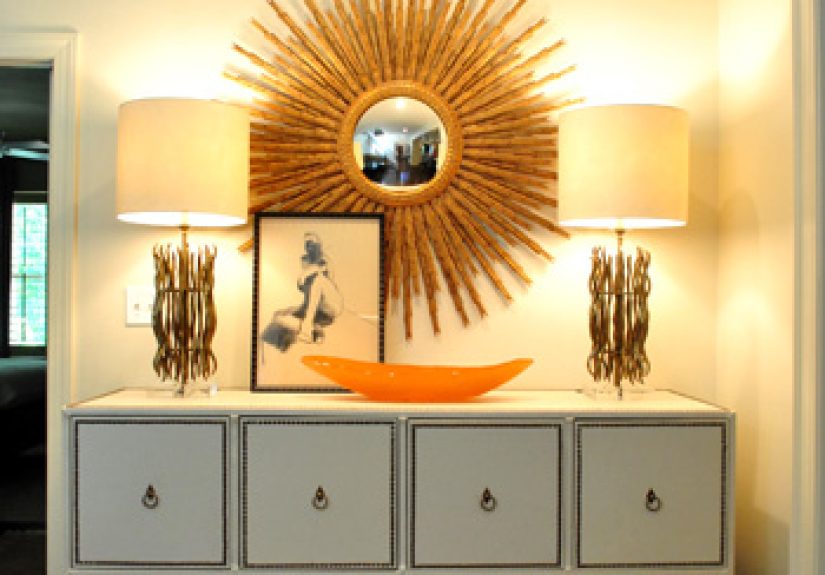
Chic North Carolina entries lean “gracious” instead of “sterile.” Try this formula:
a durable runner + one statement light + one vintage/antique piece (console or chest) + a mirror that bounces light.
Add a bowl for keys and you’ve got a high-function zone that still looks intentional.
The living room: classic details, current confidence
Coastal homes can go airy without turning into a nautical theme park. Skip the anchors, keep the ease:
creamy walls, textured neutrals (linen, boucle, woven shades), and a few crisp contrasts (black frames, deep navy, or walnut wood).
If the room has original trim, let it shinethen modernize with contemporary art and lighting that feels sculptural, not “builder-basic.”
The kitchen: polished, but not precious
The chic coastal kitchen is where performance meets personality. You’ll see:
- Mixed metals (brass + polished nickel + a whisper of black) so the room feels layered.
- Simple cabinet profiles that let materialsstone, tile, wooddo the talking.
- Open shelving in small doses for display, with closed storage doing the real work.
Pro tip: In humid climates, choose finishes you won’t resent cleaning. “Pretty but fussy” is not a long-term relationshipit’s a summer fling.
The “fun zone”: a bar nook or speakeasy moment
North Carolina entertaining culture is strong, and a chic home often carves out one little “grown-up playroom”:
a bar cabinet, a moody den, a record corner, or a tucked-away lounge space. The design trick is to go slightly darker than the rest
of the homedeeper paint, warmer lamps, richer texturesso it feels like a destination.
Stop Two: Piedmont ChicWhere Color, Craft, and “Collected” Win
Now we’re in the PiedmontCharlotte, Raleigh, Durhamwhere styles collide in the best way. Here, “chic” often looks like:
clean architecture (sometimes minimal, sometimes traditional) plus décor that feels traveled, thrifted, and deeply personal.
The color strategy: neutrals with a pulse
If you want a safe neutral that still feels warm, try greigeyes, the color name sounds like a typo, but it’s a real workhorse.
Greige plays well with both warm and cool accents, which is ideal if your home has mixed wood tones or you can’t commit to one metal finish
(and honestly, why should you?).
The “collected” look: high-low, but make it intentional
Piedmont homes often mix:
- Vintage (solid wood dressers, old rugs, thrifted frames)
- Modern (simple sofas, clean-lined dining chairs)
- Local craft (handmade pottery, regional textiles, art from local makers)
The key is repetition: repeat one wood tone, repeat one metal finish, repeat one color familythen your “random” pieces suddenly look like a plan.
The dining space: make it feel like people actually eat there
A North Carolina dining room can be formal without being stiff. Try an oversized table (even in a smaller room),
comfortable chairs that invite lingering, and a big pendant that anchors the zone. Add a bar cart or sideboard, and you’ve got a room that says,
“We host,” even if hosting is just you, your laptop, and a suspiciously large charcuterie board.
The modern-minimal detour: when less really is more
North Carolina also does minimalism beautifullyespecially in newer builds or renovated homes with large windows and clean geometry.
The trick to keeping minimal spaces from feeling cold is texture: plaster-like walls, oak floors, wool rugs, and soft lighting at multiple levels.
Minimal doesn’t mean empty; it means everything you keep has a job (even if that job is “look amazing”).
Stop Three: Mountain ModernWhere Nature Is the Best Accessory
Head west toward the Blue Ridge and the style shifts: more rugged textures, earthier palettes, and an obsession with cozy gathering spaces.
In the mountains, “chic” is less about shiny perfection and more about atmospherelike a home that looks good in fog, candlelight, and
that golden hour when everyone suddenly becomes a photographer.
Materials that feel right in the mountains
Mountain-chic homes love “honest” finishes: reclaimed stone, rough-sawn timber, plaster walls, and warm woods. The goal is to echo the outdoors
without turning your living room into a theme cabin. Keep the palette grounded (cream, clay, olive, charcoal), then add a few high-contrast hits
(blackened metal, deep ink-blue, saturated art).
Storybook chic: maximalism with a plot
Some of the most memorable North Carolina mountain homes lean whimsical: layered patterns, rich colors, libraries, collected art, and a feeling that
you might stumble into a fairytaleexcept the fairytale has great lighting and a properly scaled rug.
If you want this vibe without going overboard, try one of these:
- A dramatic wallpaper in a small room (powder bath, den, reading nook).
- A gallery wall with mixed frames and one repeating color.
- Deep paint on built-ins to create a “bookshop” mood.
The breezeway idea: the dogtrot influence
North Carolina has a tradition of homes that embrace airflow and transitionsthink breezeways and outdoor connectors that make indoor-outdoor living
feel natural. A modern take might be a central passage that connects two wings, or large doors that open to a covered outdoor room.
The design payoff is huge: your house feels bigger, brighter, and better suited to real life (kids, dogs, guests, muddy shoes, you name it).
The Screened Porch: North Carolina’s Most-Loved “Bonus Room”
If you steal only one idea from this tour, make it this: treat the screened porch like a real room.
That means:
- Layered lighting (overhead + table lamps or sconces rated for covered outdoor use).
- Indoor-style textiles (outdoor performance fabric that looks like real upholstery).
- A rug big enough to hold the seating group together.
- Multiple zones if space allowslounging plus dining is the dream.
Screened porches shine because they’re comfortable, protected, and actually usablemorning coffee, rainy afternoons, and those evenings when you want fresh air
without donating your ankles to mosquitoes.
Local Flair That Always Feels Chic
Seagrove pottery: functional art with real history
Want your shelves to look instantly “curated”? Add handmade pottery. North Carolina’s Seagrove area is famous for its pottery tradition, and pieces range
from rustic to contemporary. A few handmade mugs on open shelving, a big serving bowl on a coffee table, or a tall vase on a console adds warmth without
screaming for attention. It’s the design equivalent of good manners.
Books, art, and the “tell me a story” approach
Chic North Carolina homes rarely feel like showrooms because they tell a story: family photos mixed with art, travel finds next to local craft,
and books that look like they’ve been opened (novel idea, I know). If your room feels flat, add narrative:
one piece with a memory, one piece with texture, one piece with a bold shape.
Steal-This-Style Checklist
- Keep the character: arches, millwork, solid doorsupgrade around them.
- Pick a “quiet” palette (warm whites, creams, greige), then add one confident color.
- Mix metals on purpose: choose a lead finish, then support it with one or two accents.
- Make porches livable: rugs, lamps, layered seating, and zones.
- Go tactile: plaster, linen, wool, rattan, reclaimed woodtexture is the secret sauce.
- Add local craft: pottery, textiles, artsmall touches, big personality.
Conclusion: The North Carolina Definition of Chic
A chic North Carolina home isn’t about chasing one strict style. It’s about balancing comfort and polishclassic bones with modern function,
outdoor living that’s actually lived in, and personal pieces that make the home feel like it belongs to humans (not just a catalog).
Whether you’re coastal, Piedmont, or mountain-side, the best inspiration is consistent: keep what’s soulful, upgrade what’s annoying,
and decorate like you plan to enjoy your housenot just photograph it.
More North Carolina House-Touring Experiences (Bonus)
If you ever want to understand North Carolina style in the wild, do what locals do: make a day of it. Start with coffee, then wander through a neighborhood
where porches are practically a community bulletin board. You’ll notice how people “decorate” outdoors with the same care they give their living roomspotted plants
in mismatched (but somehow perfect) containers, lantern-style lights, rocking chairs that have clearly earned their keep, and door colors that range from
“tasteful navy” to “I am the main character and my front door is coral.”
In the Piedmont, the best design inspiration often comes from the hunt. Antique shops, consignment stores, and weekend markets turn decorating into a sport.
You learn quickly what looks good together: a clean-lined modern sofa plus a vintage coffee table; a classic rug that softens a contemporary room; a thrifted lamp
that makes your pricey art look even better (because contrast is flattering, and yes, that applies to interiors too). It’s also where you see the most fearless use
of colorwalls that go bold, art that’s unapologetic, and kids’ rooms that look like creativity moved in and refused to pay rent.
Heading west toward the mountains changes the entire mood. The air gets cooler, the light gets softer, and suddenly you understand why everyone owns twelve blankets.
Touring mountain homes is like walking through a masterclass in atmosphere: textured walls, warm wood, stone fireplaces, and lighting that’s more “glow” than “blast.”
Even modern houses tend to lean cozy, because the landscape is the statement and the interior needs to keep up. The best spaces feel like you can host a dinner party,
read a book for three hours, or take a nap you’ll remember fondly for the rest of your life. (Yes, it’s that kind of nap.)
And then there’s the coast, where design becomes a practical romance. You want breezy, but you also want durable. You want metal finishes, but you also want them to
survive the salty air. You want white upholstery, but you’d like to remain friends with your future selfso you choose performance fabric and pretend it was always the plan.
Coastal touring teaches you the value of washable rugs, smart storage for sandy shoes, and outdoor showers that feel like a luxury until you realize they’re basically a
peace treaty between your house and the beach.
My favorite North Carolina touring moment is when you discover the “local craft layer.” A handmade bowl on a kitchen counter. A set of mugs that look too good to hide
in a cabinet. A big statement vase that anchors a room without needing a single extra accessory. When you see pottery and handmade pieces used in everyday lifenot locked
behind glassit makes the home feel grounded and generous. It’s not “look, don’t touch.” It’s “use the good stuff.” And honestly? That might be the chicest design lesson
North Carolina has to offer.