Table of Contents >> Show >> Hide
- Before You Plant: Basil Basics for Any Variety
- 17 Types of Basil Worth a Spot in Your Herb Garden
- 1. Genovese Basil (Ocimum basilicum ‘Genovese’)
- 2. Sweet Basil (Classic Sweet or Italian Large Leaf)
- 3. Osmin Purple Basil
- 4. Cinnamon Basil (a.k.a. Mexican Spice Basil)
- 5. Lemon Basil
- 6. Thai Sweet Basil
- 7. Greek Basil
- 8. Dark Opal Basil
- 9. Christmas Basil
- 10. Cardinal Basil
- 11. Globe (Pistou or Spicy Bush) Basil
- 12. Holy Basil (Tulsi)
- 13. African Blue Basil
- 14. French (Marseilles) Basil
- 15. Napoletano (Lettuce-Leaf) Basil
- 16. Lime Basil
- 17. Green Ruffles Basil
- How to Choose the Right Basil Mix for Your Garden
- Common Basil Growing Mistakes (and Easy Fixes)
- Real-World Experiences: Living With 17 Types of Basil
- Conclusion
If you think “basil” just means that one grocery-store bunch you toss into pesto,
your herb garden is about to glow up. Gardeners grow dozens of basil
varietiesfrilly, purple, spicy, citrusy, even ones that smell like Christmas.
The good news? Most of them want the same basic things: warm weather, sunshine,
and a gardener who can remember to pinch off the flowers now and then.
This guide walks you through 17 flavorful types of basil, how they taste, what
they’re best for in the kitchen, and where they shine in an herb garden or
container. We’ll also cover simple growing tips and some real-world lessons
from basil-obsessed gardeners, so you can go from “one pot of basil” to
“mini basil collection” without extra stress.
Before You Plant: Basil Basics for Any Variety
No matter which basil varieties you choose, they share a few non-negotiables:
- Warmth first, always. Basil is a heat-loving annual. Wait until all danger of frost has passed and nighttime temperatures reliably stay above about 50°F before planting outside.
- Sun and good drainage. Most extension services recommend at least 6–8 hours of direct sun and a loose, well-drained, moderately rich soil. Heavy, soggy soil = sad, yellowing basil.
- Consistent moisture. Basil likes evenly moist soil, not swampy conditions. Water deeply when the top inch of soil feels dry, especially in containers that dry out fast.
- Pinch, don’t pity. When flower buds appear, snip them off. This keeps the plant focused on leafy growth and prevents leaves from turning bitter.
- Harvest early and often. Regularly cutting stems back to a leaf pair encourages bushier plants and more tender leaves all season.
With those basics down, you’re ready to choose your basil dream team.
17 Types of Basil Worth a Spot in Your Herb Garden
You don’t need all 17 (unless you’re starting a basil museum), but mixing a few
from different flavor and color groups will give you a garden and kitchen full
of options.
1. Genovese Basil (Ocimum basilicum ‘Genovese’)
Genovese basil is the classic Italian variety many gardeners think of first. It
has large, slightly cupped leaves with a rich, complex flavor that’s perfect
for pesto, tomato salads, and pizza margherita.
- Flavor: Deep, slightly spicy, with hints of clove and mint.
- Best uses: Pesto, caprese salads, tomato sauces, compound butter.
- Garden notes: Grows 12–24 inches tall in warm weather; does very well in raised beds or containers. Keep pinched and it turns into a lush green mound.
2. Sweet Basil (Classic Sweet or Italian Large Leaf)
Sweet basil is the most common supermarket typeslightly milder than Genovese
and often a bit lighter green. It’s the “all-purpose” basil: if you only grow
one, this is a safe bet.
- Flavor: Sweet, warm, with a faint anise or licorice note.
- Best uses: Everyday pasta dishes, simple tomato sauces, garlic bread, basil oil.
- Garden notes: Productive and forgiving. Great for new gardeners; just give plenty of sun and keep it from drying out completely.
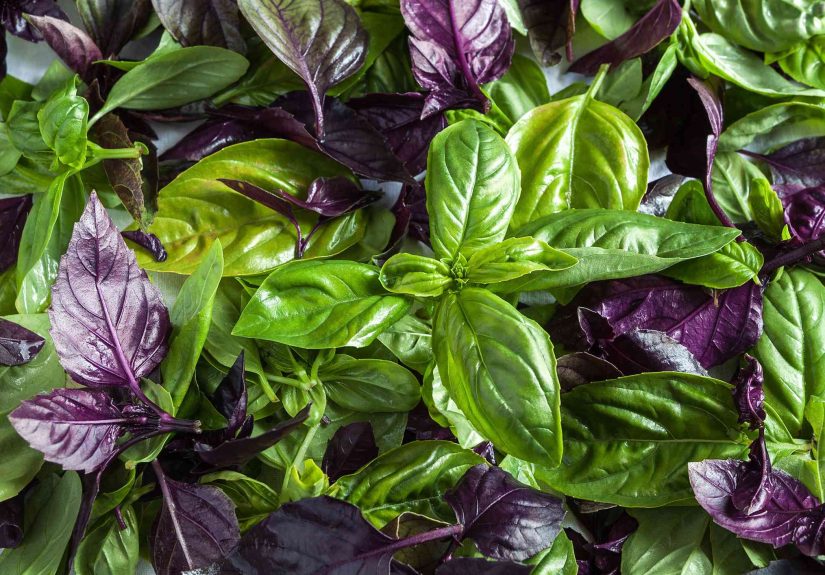
3. Osmin Purple Basil
Osmin purple basil is drama in plant form. Its leaves are a very deep purple,
almost black in strong sun, and it makes any planter look intentional and
fancyeven if you literally just stuck it in a pot last week.
- Flavor: Spicy and clove-like; slightly less sweet than green types.
- Best uses: Fresh in salads, sprinkled over pasta, infused vinegars, purple basil lemonade.
- Garden notes: Color is richest in full sun. Pair with lime-green herbs or variegated foliage for contrast.
4. Cinnamon Basil (a.k.a. Mexican Spice Basil)
Cinnamon basil pairs that familiar basil aroma with a warm, baking-spice scent.
The stems are often purple and the flowers pinkish, so it’s ornamental as well
as tasty.
- Flavor: Light basil flavor with a cinnamon edge.
- Best uses: Fruit salads, herbal teas, baked goods, Asian stir-fries, roasted squash.
- Garden notes: Grows like sweet basil: warm soil, plenty of sun, and regular harvesting. Let a few stems bloom to attract pollinators.
5. Lemon Basil
Lemon basil offers a clean citrus fragrance, like basil and lemon zest had a
very successful collaboration. Leaves are narrower and slightly rougher than
sweet basil.
- Flavor: Bright lemon over classic basil.
- Best uses: Fish, grilled chicken, salad dressings, iced tea, lemonade, and light pasta dishes.
- Garden notes: Loves heat and sun; grows 12–24 inches tall. Perfect in containers near the kitchen door so you can snip it for any seafood dish.
6. Thai Sweet Basil
Thai basil is a must-grow if you love Southeast Asian food. Plants have purple
stems, purple-tinged flower spikes, and leaves that hold up to high heat in the
pan better than Italian types.
- Flavor: Spicy, licorice/anise, slightly peppery.
- Best uses: Thai curries, pho, stir-fries, noodle dishes, spring rolls.
- Garden notes: Very ornamental; try it in a mixed container with chilies. Harvest frequently to prevent it from becoming woody.
7. Greek Basil
Greek basil looks like a tiny green poufcompact, rounded, and covered in
small leaves. It’s an excellent edging plant for beds or a “living garnish”
in a pot.
- Flavor: Strong, classic basil flavor in miniature leaves.
- Best uses: Whole sprigs as garnish, salads, topping flatbreads or grilled vegetables.
- Garden notes: Stays around 6–8 inches tall. Ideal for small spaces, window boxes, and sunny balconies.
8. Dark Opal Basil
Dark opal basil features purple leaves sometimes edged with green, giving it a
mottled, almost tie-dyed look. It’s both a culinary herb and a design element.
- Flavor: Similar to sweet basil but slightly spicier.
- Best uses: Colorful pestos, purple basil vinegar, salads, pasta, and even as an edible bouquet filler.
- Garden notes: Slightly shorter than many green types. Plant near walkways where the foliage can be admired up close.
9. Christmas Basil
Christmas basil is a festive hybrid between Thai basil and Genovese basil. Think
shiny green leaves, purple stems, and a fragrance that hints at holiday spice
and pine.
- Flavor: Savory, herbal, with notes reminiscent of mulled wine and evergreen.
- Best uses: Roasted meats, hearty stews, tomato sauces, and herb butters.
- Garden notes: Dense plants with showy bloomsgreat for borders or cutting gardens as well as the herb patch.
10. Cardinal Basil
Cardinal basil is grown almost as much for its dramatic flower spikes as for
its leaves. Rounded clusters of burgundy-red flowers sit above bright green
foliage like little pom-poms.
- Flavor: Strong, almost peppery basil flavor.
- Best uses: Infused oils and vinegars, marinades, savory dishes, and ornamental cut stems.
- Garden notes: Taller than many types (up to around 2–2.5 feet). Give it a spot where those flowers can show off and draw pollinators.
11. Globe (Pistou or Spicy Bush) Basil
Globe basil forms a tight, rounded mound of tiny leaves. It looks like a little
shrub someone accidentally made edible.
- Flavor: Strong, sweet basil taste with extra punch in each small leaf.
- Best uses: Classic French pistou (like pesto without nuts), garnish, chopped into salad dressings.
- Garden notes: Ideal for borders, front edges, and containers. Very tidy habitfantastic if you like your herb garden looking organized.
12. Holy Basil (Tulsi)
Holy basil, or tulsi, is revered in Indian traditions both as a culinary herb
and for its use in herbal teas. The leaves are more textured and the aroma is
spicy and complex.
- Flavor: Peppery, clove-like, with a hint of sweetness.
- Best uses: Teas, Indian dishes, soups, and broths where you want layers of flavor.
- Garden notes: A bit more tolerant of less-than-perfect conditions than some sweet basils. Let a few flower spikes stand to charm bees and other pollinators.
13. African Blue Basil
African blue basil is a striking hybrid with purple veining, tall flower spikes,
and a scent that mixes camphor, clove, and mint. In warm regions it can behave
like a short-lived perennial.
- Flavor: Strong, peppery, and slightly resinous.
- Best uses: Savory dishes, herb vinegars, grilled meats, and as a pollinator magnet in the garden.
- Garden notes: Can grow 2–4 feet tall with loads of flowers. If you want to invite bees to your garden party, plant this and let it bloom.
14. French (Marseilles) Basil
French basil, often sold as ‘Marseilles’, is a compact, heirloom globe-type
basil with extra-fragrant small leaves. French cooks use it in pistou and other
classic dishes.
- Flavor: Robust, sweet, highly aromatic.
- Best uses: Pistou, soup toppings, omelets, and anything that needs a fresh, herbal kick at the end of cooking.
- Garden notes: Compact plants (around 8–10 inches tall). Perfect for small patios, window boxes, and tight kitchen gardens.
15. Napoletano (Lettuce-Leaf) Basil
Napoletano basil is from Naples and is famous for its enormous, ruffled leaves.
If you’ve ever wanted basil leaves big enough to wrap around mozzarella, this
is the variety.
- Flavor: Strong and slightly sweet, ideal for fresh dishes.
- Best uses: Caprese salads, basil wraps, layering in sandwiches, quick pestos.
- Garden notes: Despite huge leaves, plants stay fairly compact. Pinch regularly to keep stems from flopping under the weight of the foliage.
16. Lime Basil
Lime basil offers a sharper, zestier citrus note than lemon basil. The leaves
are smaller, and the plant thrives in warm weather and containers.
- Flavor: Bright lime with herbal undertones.
- Best uses: Salsa, ceviche, fruit salads, mojitos, and sparkling water infusions.
- Garden notes: Grow near your outdoor dining area so you can grab a handful for drinks and salads right off the grill.
17. Green Ruffles Basil
Green ruffles basil looks like someone crossed basil with curly lettuce. The
leaves are deeply ruffled and tender, with a sweet, slightly complex flavor.
- Flavor: Mild sweet basil with subtle citrus and spice hints.
- Best uses: Tossed into salads, as an edible garnish, and in any dish where you want soft texture and visual flair.
- Garden notes: Medium-tall plants with highly decorative foliage. Combine with purple basils for an eye-catching container.
How to Choose the Right Basil Mix for Your Garden
You don’t need all 17 types right away. Instead, build a “basil lineup” that
matches how you cook and the space you have.
- For classic Italian cooking: Genovese, sweet, and Napoletano basil cover pesto, sauce, and salad duty.
- For Asian-inspired dishes: Thai sweet basil, cinnamon basil, holy basil, and lime basil give you the flavors you’ll meet in many Thai and Vietnamese recipes.
- For show-off containers: Osmin purple, dark opal, African blue, and cardinal basil add color, height, and texture.
- For tiny spaces: Greek basil, globe/pistou basil, and French (Marseilles) basil stay compact and thrive in pots.
A simple starter collection might be four plants: one classic (Genovese), one
citrus (lemon or lime), one purple (Osmin or dark opal), and one spicy or
floral type (Thai or cinnamon). That combo alone gives you completely different
flavors for salads, pasta, curries, and drinks.
Common Basil Growing Mistakes (and Easy Fixes)
- Planting too early. Basil hates cold, wet soil. If you’re eager in spring, start seeds indoors and transplant after frost.
- Letting plants bolt. Once basil is covered in flowers and seeds, leaf flavor drops. Get comfortable pinching off flower spikes as soon as you see them.
- Over- or under-watering. Constantly soggy soil invites root rot; bone-dry soil stresses plants. Aim for consistent moisture and good drainage.
- Too much fertilizer. Basil doesn’t need heavy feeding; too much nitrogen makes big, bland leaves. A light application of compost or balanced fertilizer is enough.
- Harvesting the wrong way. Snip stems just above a pair of leaves instead of plucking individual leaves. The plant will branch from that point and become fuller.
Real-World Experiences: Living With 17 Types of Basil
Growing a collection of basil varieties is one of those small garden decisions
that quietly changes how you cook all summer. Here are some practical lessons
and experiences gardeners often share once they’ve tried a bunch of these
basils side by side.
First, basil absolutely rewards regular attention. Gardeners who walk their
beds with scissors a couple of times a weeksnipping a few tips from each
plantquickly discover they get more basil, not less. Genovese and sweet
basil in particular respond by pushing out side branches until a single plant
can fill a medium pot or a corner of the raised bed. The same is true for
ruffled varieties like Napoletano and Green ruffles; those giant leaves look
fragile, but the plants bounce back fast after a good haircut.
Second, flavor differences become obvious once you start tasting leaves back
to back. Try this simple “basil flight”: pick a leaf each of Genovese, Thai,
cinnamon, lemon, and Osmin purple. Taste them one after another with a plain
cracker or piece of mozzarella in between. Most people are surprised by how
strongly the Thai basil leans into anise, how cinnamon basil really does hint
at baking spice, and how the citrus types smell like someone grated zest right
into the garden. Once you’ve done that taste test, it’s much easier to decide
which varieties deserve extra space next season.
Gardeners with pollinator-friendly yards often find that African blue and
cardinal basil quickly become bee magnets. If you can spare a few stems to
bloom, they’ll hum with activity on warm afternoons. That buzz is more than
just pleasant: those pollinators will also help nearby tomatoes, peppers, and
squash set fruit. Some people even plant a dedicated “pollinator row” of
African blue, holy basil, and cardinal basil at the edge of the vegetable bed
and let it flower freely while keeping their main cooking plants closely
pinched.
Container gardeners have their own basil secrets. Compact types like Greek,
globe/pistou, and French basil don’t just save space; they also handle the
occasional missed watering a bit better than big-leaf types. A single 12-inch
pot can hold a sweet basil, a purple basil, and a globe basil together,
creating a mini herb border on a balcony. As long as you use a loose potting
mix and don’t let the soil stay soggy, these mixed containers will thrive and
look like you hired a garden designer.
One more experience everyone eventually has: a sudden basil glut. Maybe the
weather has been perfect, maybe you went a little wild at the plant nursery,
or maybe your succession sowing worked too well. When you find yourself
staring at a basket piled with leaves from several varieties, think beyond
classic pesto. Make a basil “tasting” pesto by combining Genovese and sweet
basil as the base, then blending in a handful of lemon basil for brightness
and a handful of purple basil for color. Freeze it in ice cube trays and you’ll
have ready-to-go flavor bombs for winter soups, pizzas, and roasted veggies.
Finally, don’t underestimate the mood-boosting factor of a basil collection.
Brushing past a container of lime basil on your way out the door, or running
your hand through a patch of holy basil at the end of a stressful day, releases
a burst of scent that’s pure summer. Whether you’re tending a single sunny
windowsill or a full backyard herb garden, mixing these 17 types of basil
turns a simple green patch into a small, fragrant adventure you can harvest
every day.
Start with a few favorites this year, take notes on what you love, and tweak
your basil lineup next season. Before long, your biggest herb-garden problem
won’t be “Can I grow basil?”it’ll be “Where on earth do I put all this basil?”
Conclusion
Basil is one of the easiest ways to make your herb garden look and smell
incredible while giving your cooking a major upgrade. Whether you gravitate
toward classic Genovese, dramatic purple types, spicy Thai basil, or citrusy
lemon and lime varieties, there’s a basil for every recipe and every sunny
corner of your yard or balcony. Plant a few, pinch them often, and enjoy the
steady stream of fresh leaves (and compliments) all season long.