Table of Contents >> Show >> Hide
- What Is Mindful Drinking?
- Why Mindful Alcohol Use Matters During the Holidays
- 7 Simple Tips for Drinking Alcohol Mindfully This Holiday Season
- 1. Decide Your Drinking Limit Before the Party Starts
- 2. Know What Counts as One Standard Drink
- 3. Alternate Alcohol With Water or Nonalcoholic Drinks
- 4. Eat Before and While You Drink
- 5. Sip Slowly and Check In With Yourself
- 6. Prepare a Polite Exit Line for Drink Pressure
- 7. Plan Your Safe Ride Before Your First Drink
- Extra Strategies for a Healthier Holiday Drinking Plan
- When to Consider Drinking Less or Not at All
- Mindful Drinking Experiences: Real-Life Holiday Scenarios and Lessons
- Conclusion
- SEO Tags
The holiday season has a special talent for turning a simple Tuesday into a buffet of cookies, casseroles, glittery invitations, and someone’s “famous” punch that tastes suspiciously like fruit juice until your shoes start feeling like they have opinions. Between office parties, family dinners, New Year’s countdowns, neighborhood gatherings, and cozy nights by the fire, alcohol often shows up like an enthusiastic guest who did not RSVP but brought a festive bow.
That does not mean you have to avoid every glass of wine, champagne toast, spiked cider, or holiday cocktail. Mindful drinking is not about being strict, boring, or becoming the person who lectures everyone near the cheese board. It is about drinking with awareness, intention, and respect for your body, your mood, your schedule, and your future selfthe one who would very much like to wake up without feeling like a marching band rehearsed inside your head.
In this guide, you will find seven simple tips for drinking alcohol mindfully this holiday season. These ideas are practical, realistic, and easy to use at real-life celebrations where people pour generously, appetizers disappear quickly, and Aunt Linda asks personal questions before dessert. The goal is not perfection. The goal is to enjoy the season with more control, less regret, and a little more sparkle that does not come from overdoing it.
What Is Mindful Drinking?
Mindful drinking means paying attention to why, when, what, and how much you drink. Instead of automatically accepting every refill or drinking because everyone else is doing it, you pause and make a conscious choice. You might decide to have one cocktail you truly enjoy, switch to sparkling water, skip alcohol entirely, or leave the party early because your couch and pajamas are calling with excellent arguments.
This approach is different from all-or-nothing thinking. Some people choose sobriety, and that choice should always be respected. Others drink occasionally and want healthier habits around alcohol. Mindful drinking fits into that middle space: less pressure, more intention, and fewer mornings spent bargaining with your alarm clock.
Why Mindful Alcohol Use Matters During the Holidays
The holidays can make drinking feel almost automatic. Alcohol may be tied to celebration, stress relief, social confidence, family traditions, or the simple fact that there is a tray of champagne flutes near the door. At the same time, alcohol can affect sleep, mood, judgment, appetite, driving ability, and overall health. Drinking less is generally better for health than drinking more, and many adults benefit from setting personal limits before the party begins.
Holiday gatherings can also bring emotional triggers. Family tension, grief, loneliness, financial stress, travel fatigue, and packed calendars can all increase the urge to drink more than planned. Mindful drinking gives you a plan before the moment gets loud, crowded, and covered in tinsel.
7 Simple Tips for Drinking Alcohol Mindfully This Holiday Season
1. Decide Your Drinking Limit Before the Party Starts
The best time to decide how much you will drink is before someone hands you a cocktail with a cinnamon stick in it. Once the music is playing, the room is warm, and everyone is saying, “Just one more,” decision-making gets fuzzier. A clear plan gives you an anchor.
Before you go out, ask yourself a few questions: Do I want to drink tonight? How many drinks feel reasonable? Do I need to drive? Do I have work, childcare, travel, or errands tomorrow? Am I drinking because I want to enjoy a beverage, or because I feel pressured, stressed, or awkward?
For many adults who choose to drink, moderate drinking has traditionally been described as up to one drink per day for women and up to two drinks per day for men. However, personal health, medications, pregnancy, recovery goals, age, and mental health can all change what is safe or appropriate. Some people should not drink alcohol at all. When in doubt, choosing less is the safer option.
A useful holiday rule is to set a “drink ceiling,” not a “drink goal.” For example, instead of saying, “I get three drinks tonight,” try, “I will have no more than two drinks tonight, and I may stop at one.” That small wording shift helps you stay flexible and prevents the strange holiday math where “two drinks” becomes two cocktails, half a glass of wine, and a mysterious sip of someone’s peppermint martini.
2. Know What Counts as One Standard Drink
Mindful drinking gets tricky because one glass does not always equal one drink. A giant goblet of wine, a strong holiday cocktail, or a craft beer with high alcohol content may contain more alcohol than you think. This is where the cheerful bartender and your liver may have very different definitions of “just one.”
In the United States, one standard drink generally contains about 14 grams of pure alcohol. That usually equals 12 ounces of regular beer, 5 ounces of wine, or 1.5 ounces of distilled spirits such as vodka, rum, whiskey, gin, or tequila. But holiday drinks often bend the rules. Eggnog with rum, mulled wine, spiked cider, punch bowls, and oversized cocktails may pack more than one standard drink per serving.
Before drinking, look at the size and strength of the beverage. Is the wine glass filled to the brim? Is the cocktail made with multiple liquors? Is that “small” beer actually a 16-ounce pour with a higher alcohol percentage? Awareness helps you avoid accidental overconsumption.
When hosting, consider using smaller glasses, offering measuring tools for cocktails, and labeling nonalcoholic options clearly. Guests should not need detective skills to figure out whether the cranberry spritzer is alcohol-free or secretly a sleigh ride to tomorrow’s headache.
3. Alternate Alcohol With Water or Nonalcoholic Drinks
One of the simplest mindful drinking strategies is also one of the most effective: alternate each alcoholic drink with water, sparkling water, tea, or a festive nonalcoholic beverage. This helps you slow down, stay hydrated, and create natural pauses between drinks.
Alcohol can increase urination and contribute to dehydration, which may worsen next-day symptoms like headache, dry mouth, and fatigue. Water is not magic, and it will not erase the effects of alcohol, but it can help you pace yourself. Think of it as giving your body a polite little support team between rounds.
Nonalcoholic choices do not have to be sad. A good mocktail can be just as beautiful as a cocktail, minus the “Why did I text my former coworker?” plot twist. Try sparkling water with cranberry juice and lime, ginger beer with fresh mint, pomegranate juice with orange slices, hot apple cider without rum, or alcohol-free beer or wine if that works for you.
At parties, keep a drink in your hand even when it is nonalcoholic. This can reduce social pressure because people are less likely to offer you another drink when you already have one. Bonus: it gives your hands something to do during awkward small talk about cryptocurrency, home renovations, or your cousin’s new wellness business.
4. Eat Before and While You Drink
Drinking alcohol on an empty stomach is like inviting chaos to sit at the head of the table. Food slows the absorption of alcohol, helps stabilize blood sugar, and may make it easier to stick with your plan. If you arrive hungry and start drinking immediately, alcohol can hit harder and faster.
Before a party, eat a balanced snack or meal that includes protein, fiber, and healthy fats. Good options include Greek yogurt with fruit, eggs and whole-grain toast, a turkey sandwich, hummus with vegetables, soup, nuts, cheese with whole-grain crackers, or a simple dinner before the big event.
At the gathering, do not treat appetizers as decoration. Eat something before your first drink if possible. Choose foods that satisfy you, not just the nearest bowl of candy-coated mystery snacks. Protein-rich appetizers, vegetables, whole grains, and hearty soups can help you feel more grounded.
Mindful eating and mindful drinking work well together. When you slow down enough to enjoy the food, you are less likely to drink out of habit. Also, holiday meals are often genuinely delicious. If Grandma made her famous stuffing, give it the attention it deserves. The cocktail can wait. The stuffing has been training all year.
5. Sip Slowly and Check In With Yourself
Mindful drinking is not just about counting drinks. It is also about noticing your experience. Are you enjoying the flavor? Are you feeling relaxed or sleepy? Are you drinking faster because you are nervous? Are you using alcohol to survive an uncomfortable conversation near the dessert table?
Try pausing halfway through a drink and asking, “Do I still want this?” You do not have to finish a beverage just because it is in your hand. You are allowed to leave half a drink behind, switch to water, or say, “I’m good for now.” The Clean Plate Club does not apply to cocktails.
Another helpful strategy is to slow the ritual. Take small sips. Put the glass down between sips. Talk, eat, dance, play games, or step outside for fresh air. Waiting at least an hour between alcoholic drinks can help you pace yourself and avoid drinking more than intended.
Notice your personal signals. Some people become louder, sleepier, emotional, impulsive, or extra confident after a certain point. If you know your “line,” respect it. Mindful drinking means stopping before the version of you who thinks karaoke is a legal obligation takes over the evening.
6. Prepare a Polite Exit Line for Drink Pressure
Holiday drinking pressure can be subtle or surprisingly dramatic. Someone may say, “Come on, it’s the holidays,” or “You have to try this,” or “Are you not drinking?” You do not owe anyone a detailed explanation. Your beverage choices are not a congressional hearing.
Prepare a few simple responses before you go:
- “I’m pacing myself tonight.”
- “I’m good with this for now, thanks.”
- “I have an early morning tomorrow.”
- “I’m taking a break from alcohol tonight.”
- “That looks great, but I’m sticking with sparkling water.”
Keep your tone friendly and firm. Most people move on quickly. If someone keeps pushing, repeat your answer without overexplaining. You can also change the subject: “Tell me about your trip,” “Where did you get this recipe?” or “Is that dog wearing a sweater?” Few conversations survive the sudden appearance of a dog in knitwear.
If you are hosting, make it easy for guests to decline alcohol. Offer appealing nonalcoholic drinks, avoid teasing people about not drinking, and never pressure anyone to explain. A truly good host cares more about guests feeling comfortable than about whether they accept the signature cocktail.
7. Plan Your Safe Ride Before Your First Drink
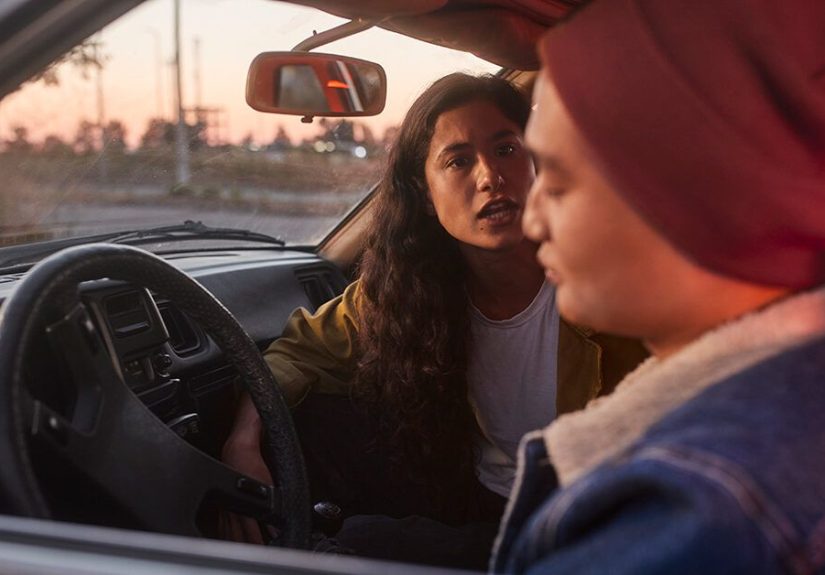
Mindful drinking includes thinking beyond the glass. If you drink, do not drive. Alcohol can impair judgment, coordination, reaction time, and decision-making even before you feel obviously drunk. The safest plan is the one you make before drinking begins.
Arrange a designated driver, rideshare, taxi, public transportation, or overnight stay. If you are going with a group, agree on the plan in advance. Do not wait until midnight when phones are dying, coats are missing, and someone insists they are “totally fine” because they ate three dinner rolls.
If you are the designated driver, stay alcohol-free. “Only one” can still affect driving, and mixing alcohol with fatigue, winter weather, dark roads, or medications increases risk. If you are hosting, help guests get home safely by offering rideshare information, keeping taxi numbers available, encouraging sober drivers, and being willing to let someone stay over if needed.
A mindful holiday celebration is not just about enjoying the moment. It is also about protecting everyone’s tomorrow. No party, toast, or cocktail is worth risking a life.
Extra Strategies for a Healthier Holiday Drinking Plan
Choose Quality Over Quantity
Instead of drinking whatever is available, choose one beverage you genuinely enjoy. A well-made cocktail, a glass of good wine, or a favorite seasonal beer can feel more satisfying than several drinks consumed without much attention. Mindful drinking is about savoring, not collecting glasses like holiday ornaments.
Watch the Sugar and Caffeine
Holiday drinks often come with extra sugar, cream, syrups, whipped toppings, and caffeinated mixers. Sweet drinks can go down quickly, and caffeine may make you feel more alert than you actually are. That can lead to drinking more than planned. Enjoy festive flavors, but be aware of what is in the glass.
Protect Your Sleep
Alcohol may make you feel sleepy at first, but it can disrupt sleep quality later in the night. If you want to wake up refreshed, stop drinking earlier in the evening, hydrate, and give your body time to wind down. Your morning self will be grateful, especially if children, pets, relatives, or airport security lines are involved.
Be Honest About Stress Drinking
If you notice that you drink more when you feel anxious, lonely, angry, or overwhelmed, treat that as useful information rather than a personal failure. Try adding nonalcoholic coping tools: a walk, a phone call with a supportive friend, journaling, breathing exercises, therapy, a recovery meeting, or simply leaving an event before your social battery turns into a raisin.
When to Consider Drinking Less or Not at All
Some situations call for extra caution. You may need to avoid alcohol if you are pregnant or trying to become pregnant, taking medications that interact with alcohol, managing certain medical conditions, recovering from alcohol use disorder, under the legal drinking age, driving, caring for children, or feeling emotionally vulnerable.
It is also worth reassessing your drinking if you often drink more than planned, hide your drinking, feel guilty afterward, need alcohol to relax, experience blackouts, or have conflicts related to alcohol. Support is available, and asking for help is a strong, practical stepnot a character flaw.
Mindful Drinking Experiences: Real-Life Holiday Scenarios and Lessons
Mindful drinking sounds simple on paper, but the real test happens in living rooms, restaurants, office lounges, hotel ballrooms, and kitchens where someone is loudly explaining that their homemade eggnog is “basically dessert.” Real-life experience shows that the most successful holiday drinking plans are not complicated. They are clear, flexible, and easy to remember when the room gets noisy.
Imagine arriving at a company holiday party after a long week. You are tired, hungry, and surrounded by coworkers you usually only see on video calls from the shoulders up. A server offers sparkling wine at the door. Without a plan, you might take one automatically, then another during appetizers, then a cocktail because your manager is making a toast. With mindful drinking, you pause. You decide to eat first, drink water, and choose one beverage with dinner. You still socialize, laugh, and enjoy the event, but you leave feeling steady instead of wondering whether your conversation about office printers became too emotional.
Or picture a family gathering where alcohol is part of tradition. Someone opens wine before dinner, another person makes hot buttered rum, and a cooler of beer appears as if summoned by holiday magic. You may not want to announce a major lifestyle change at the table. Instead, you quietly set your pace. You pour a smaller serving, keep water nearby, and use a simple line when offered more: “I’m good for now.” The moment passes. No speech required. No dramatic soundtrack.
Another common experience is the holiday reunion with old friends. These gatherings can bring nostalgia, inside jokes, and the feeling that everyone is temporarily 23 again. Mindful drinking helps you enjoy the memories without recreating every questionable decision from the past. You might order a drink you love, sip it slowly, then switch to a nonalcoholic option. You can still tell stories, take photos, dance badly, and eat fries at the end of the night. The difference is that you remain present enough to remember it all clearly.
Hosting offers its own lessons. Many hosts worry that guests will feel disappointed if alcohol is not flowing freely. In reality, people appreciate choices. A holiday table with wine, sparkling water, mocktails, coffee, tea, and plenty of food feels thoughtful, not restrictive. When guests see nonalcoholic drinks presented beautifully, they are more likely to choose them without feeling like they have been assigned the “boring beverage.” A cranberry-lime spritzer in a nice glass can hold its own next to a cocktail. Add rosemary and suddenly everyone thinks you have a lifestyle brand.
Mindful drinking also teaches you to notice your personal patterns. Maybe you drink faster when you are nervous. Maybe you accept refills because you dislike saying no. Maybe you use alcohol to handle family tension. Maybe you do well at parties but overdrink at home afterward because you are finally alone and exhausted. These observations are not reasons to shame yourself. They are clues. Once you know your pattern, you can create a better plan.
For example, if social anxiety is the trigger, arrive with a conversation starter, attend with a supportive friend, or give yourself permission to leave after one hour. If family stress is the issue, take breaks outside, help in the kitchen, or stay at a hotel instead of in the center of the holiday circus. If loneliness leads to drinking more, schedule connection before and after tough events. Mindful drinking is often less about the drink itself and more about caring for the feeling underneath it.
One of the biggest lessons is that drinking less rarely ruins the holiday. In fact, it often improves it. You taste the food more clearly, sleep better, spend less money, avoid awkward messages, and remember the small moments: the kid who put a bow on the dog, the friend who brought homemade pie, the quiet drive past holiday lights, the relief of waking up clear-headed. That is the real gift of mindful drinking. It gives the season back to you.
Conclusion
Drinking alcohol mindfully this holiday season is not about removing fun from the calendar. It is about adding intention to the celebration. When you set limits, understand standard drinks, alternate with water, eat well, sip slowly, handle social pressure, and plan a safe ride, you give yourself more room to enjoy the people, flavors, traditions, and memories that make the holidays meaningful.
The best holiday drinking plan is the one that supports your health, safety, values, and real life. Some nights, that may mean one glass of wine with dinner. Other nights, it may mean a mocktail, early bedtime, and the deep satisfaction of waking up ready for pancakes. Either way, mindful drinking helps you stay in charge of your choiceswithout turning into the holiday fun police.
Note: This article is for general informational purposes only and is not a substitute for medical advice. People who are pregnant, under the legal drinking age, taking certain medications, managing specific health conditions, driving, or recovering from alcohol use disorder should avoid alcohol or speak with a qualified health professional.