Table of Contents >> Show >> Hide
- What Are “Cool Guides,” Exactly?
- Why People Love Practical Infographics
- 50 Cool Guide Topics That Teach Real-Life Skills
- 1. How to Build an Emergency Kit
- 2. How to Read a Nutrition Facts Label
- 3. The Four Steps of Food Safety
- 4. How to Spot a Scam
- 5. How Credit Scores Work
- 6. How to Check Tire Pressure
- 7. What Dashboard Warning Lights Mean
- 8. How to Evaluate Online Sources
- 9. How to Read Weather Alerts
- 10. How Sleep Actually Helps the Body
- 11. Basic First Aid Terms
- 12. CPR Awareness
- 13. How to Make a Budget
- 14. How Interest Works
- 15. How to Write a Professional Email
- 16. How to Apologize Properly
- 17. Logical Fallacies
- 18. Common Cognitive Biases
- 19. How to Read a Map
- 20. Laundry Symbols
- 21. Basic Sewing Fixes
- 22. Kitchen Knife Safety
- 23. Common Cooking Measurements
- 24. How to Store Food
- 25. How to Compare Unit Prices
- 26. How to Understand Taxes
- 27. How Insurance Deductibles Work
- 28. Basic Home Maintenance
- 29. How to Use a Fire Extinguisher Safely
- 30. How to Prepare for a Power Outage
- 31. Digital Privacy Basics
- 32. How Phishing Works
- 33. How to Organize Documents
- 34. How to Take Better Notes
- 35. How to Learn Faster
- 36. How to Ask Better Questions
- 37. Basic Body Language Awareness
- 38. Conflict Resolution
- 39. Common Interview Questions
- 40. Resume Basics
- 41. How to Read a Pay Stub
- 42. Recycling Symbols
- 43. Basic Plant Care
- 44. How to Read Clothing Quality
- 45. Common Measurement Conversions
- 46. How to Plan a Trip
- 47. Common Household Tools
- 48. How to Understand News Headlines
- 49. How to Build a Habit
- 50. How to Know When a Guide Is Bad
- What Makes a Cool Guide Truly Useful?
- Why Schools Should Teach More of This
- The Funny Side of Learning What School Forgot
- Personal Experiences: Lessons Cool Guides Helped Me Appreciate
- Conclusion
School teaches us many useful things: algebra, essay structure, the water cycle, and the exact feeling of panic when someone says, “Please show your work.” But somehow, after years of classes, many people still graduate without knowing how to read a nutrition label, spot a scam, pack an emergency kit, check tire pressure, or understand why “just Google it” is not a research strategy. That is where the internet’s unofficial classroom walks in, wearing sneakers and holding a suspiciously helpful infographic.
The phrase cool guides has become shorthand for simple visual explanations that make everyday knowledge easier to understand. On communities such as Reddit’s r/coolguides and in roundups of popular educational infographics, people share charts, diagrams, lists, maps, and reference sheets covering everything from food safety to personal finance. Some are serious, some are funny, and some are so oddly specific you wonder whether the creator had one terrible Tuesday and decided the world needed a laminated warning.
This article explores why these “cool guides” are so addictive, what kinds of information they often contain, and why many of them feel more practical than half the worksheets hiding in a backpack. We will also walk through 50 useful guide ideas inspired by real-world topics that people frequently wish they had learned earlier. No pop quiz at the end. You have suffered enough.
What Are “Cool Guides,” Exactly?
A cool guide is usually a compact visual explanation designed to teach something quickly. It might be a chart about how to identify logical fallacies, a checklist for emergency supplies, a diagram showing cuts of beef, a comparison of coffee drinks, or a one-page reminder about how to evaluate a source before accidentally sharing nonsense with the confidence of a medieval town crier.
The best guides do three things well: they simplify, they organize, and they make information memorable. Instead of dumping a textbook chapter into your lap, they break a topic into bite-sized pieces. A good guide turns “I should probably know this” into “Oh, that actually makes sense.” That tiny moment of understanding is the internet equivalent of finding fries at the bottom of the takeout bag.
Why People Love Practical Infographics
People love cool guides because they solve a real problem: adulthood often arrives with no instruction manual. You are expected to know how credit scores work, how to avoid phishing scams, what to do during severe weather, how long leftovers stay safe, and why the tire number on the sidewall is not always the number you should use. Meanwhile, school may have spent three weeks on mitochondria. The mitochondria is important, yes, but it will not help when your car dashboard lights up like a tiny angry Christmas tree.
Visual guides also work because they reduce friction. A person who will not read a 3,000-word manual might happily scan a colorful chart. This does not mean every infographic is automatically true. The internet also produces charts with the scientific accuracy of a raccoon holding a clipboard. But when a guide is built from reliable information, it can become a powerful shortcut for learning.
50 Cool Guide Topics That Teach Real-Life Skills
Below are 50 guide ideas inspired by practical knowledge many people do not formally learn in school. These are not copied from any single source or post. Instead, they reflect common themes found in educational guides, public safety resources, consumer protection advice, and everyday life skills.
1. How to Build an Emergency Kit
A great emergency kit guide explains the basics: water, nonperishable food, first aid supplies, flashlight, batteries, important documents, chargers, medication needs, and pet supplies if needed. The most useful version also reminds people to check expiration dates. Emergency kits should not become museums for crackers from the year flip phones were fashionable.
2. How to Read a Nutrition Facts Label
Nutrition labels can look like tiny government poetry, but they are incredibly useful. A clear guide explains serving size, calories, percent Daily Value, added sugars, sodium, saturated fat, fiber, and key nutrients. The big lesson: always check the serving size first, because a “single bag” of snacks sometimes contains “three servings,” according to the same math department that counts one cookie as emotional support.
3. The Four Steps of Food Safety
One of the most practical kitchen guides is built around four words: clean, separate, cook, and chill. Wash hands and surfaces, keep raw meat away from ready-to-eat foods, cook food to safe temperatures, and refrigerate promptly. This is the kind of information that can prevent a family dinner from becoming a dramatic bathroom documentary.
4. How to Spot a Scam
A useful scam guide highlights warning signs: pressure to act fast, requests for gift cards or cryptocurrency, threats, fake authority, too-good-to-be-true offers, and unexpected messages asking for personal information. The basic rule is simple: when urgency and money show up together, slow down.
5. How Credit Scores Work
A credit score guide should explain that scores are predictions based on credit report information. Payment history, credit usage, account age, credit mix, and new credit activity can all matter. The school version of finance often stops at “save money.” The real-life version says, “Also, please understand why a three-digit number can affect loans, apartments, and interest rates.”
6. How to Check Tire Pressure
A strong car-care guide teaches drivers to use the recommended pressure listed by the vehicle manufacturer, often on a sticker inside the driver’s door area, not blindly copy the number printed on the tire sidewall. Proper tire maintenance supports safety, fuel economy, and tire life. It is boring, yes, but so are most things that keep you alive.
7. What Dashboard Warning Lights Mean
Many people recognize the check-engine light as “the expensive orange symbol.” A guide to dashboard lights can help drivers understand urgent warnings, maintenance reminders, and when to stop driving. It should not replace a mechanic, but it can reduce panic and prevent people from treating every symbol like a mysterious ancient curse.
8. How to Evaluate Online Sources
A source-evaluation guide helps readers ask: Who wrote this? What evidence is provided? Is the source trying to inform, sell, persuade, or entertain? Is the information current? Can it be confirmed elsewhere? Purdue OWL, the Library of Congress, and the National Archives all emphasize careful source analysis in different educational contexts.
9. How to Read Weather Alerts
A weather safety guide explains the difference between a watch and a warning, what to do during heat, floods, lightning, tornadoes, or winter storms, and why “I will just drive through the water” is one of the worst ideas ever invented by confidence.
10. How Sleep Actually Helps the Body
A sleep guide can explain how consistent rest supports mood, learning, focus, and overall health. It can also show practical habits: consistent bedtime, less screen exposure before sleep, a dark room, and avoiding late caffeine. Sleep advice sounds simple until your phone whispers, “One more video.”
11. Basic First Aid Terms
Many guides explain emergency vocabulary, when to call for help, how to describe symptoms clearly, and why panic is not a treatment plan. A responsible guide should encourage proper training for lifesaving skills and professional medical help when needed.
12. CPR Awareness
A CPR awareness guide can explain why training matters, how bystanders can improve outcomes, and where people can look for certified classes. It should avoid pretending a cute infographic replaces real instruction. Some skills deserve more than a screenshot and good vibes.
13. How to Make a Budget
A simple budgeting guide divides money into needs, wants, savings, debt payments, and emergency funds. It helps people track where money goes instead of discovering, with horror, that “small purchases” secretly formed a financial boy band.
14. How Interest Works
Interest can be your helper or your villain. A guide showing simple interest, compound interest, credit card interest, and savings growth can make personal finance less abstract. This is one of those topics that should come with flashing lights and a dramatic narrator.
15. How to Write a Professional Email
A practical email guide covers subject lines, greetings, short paragraphs, clear requests, polite closings, and proofreading. The goal is to avoid sending messages that read like a ransom note written during lunch period.
16. How to Apologize Properly
A useful social guide explains the difference between “I’m sorry you feel that way” and an actual apology. A real apology names the action, accepts responsibility, expresses regret, and focuses on repair. No interpretive dancing required.
17. Logical Fallacies
Guides to logical fallacies explain errors like straw man arguments, false dilemmas, slippery slopes, and ad hominem attacks. They are especially helpful online, where arguments often go from zero to “your profile picture proves my point” in seven seconds.
18. Common Cognitive Biases
A cognitive bias guide explains confirmation bias, hindsight bias, anchoring, availability bias, and the halo effect. These guides remind us that the brain is amazing, but it also loves shortcuts, drama, and being confidently wrong.
19. How to Read a Map
Digital navigation is convenient, but map-reading skills still matter. A guide can explain scale, legends, compass directions, contour lines, and landmarks. This is especially useful when your phone battery dies and suddenly you are a pioneer with sneakers.
20. Laundry Symbols
Laundry tags use symbols that look like messages from a tiny clothing civilization. A guide can translate washing, drying, bleaching, ironing, and dry-cleaning marks so your sweater does not become doll furniture.
21. Basic Sewing Fixes
A simple sewing guide can show how to replace a button, repair a small seam, or understand basic stitches. This is not about becoming a fashion designer. It is about saving a shirt from retirement over one dramatic button.
22. Kitchen Knife Safety
A safe cooking guide can explain how to hold ingredients properly, keep tools stable, store sharp items responsibly, and slow down while cutting. The goal is everyday kitchen safety, not turning dinner prep into a suspense movie.
23. Common Cooking Measurements
A conversion guide for teaspoons, tablespoons, cups, ounces, grams, and Fahrenheit-to-Celsius estimates can rescue many recipes. Cooking becomes easier when “a pinch” is the only remaining mystery.
24. How to Store Food
A food storage guide explains pantry, refrigerator, and freezer basics, along with labeling leftovers. It also teaches people not to trust smell alone. Some unsafe food does not arrive wearing a villain cape.
25. How to Compare Unit Prices
A grocery-shopping guide teaches shoppers to compare cost per ounce, pound, or unit. The largest package is not always the best deal. Sometimes it is just a larger container of regret.
26. How to Understand Taxes
A beginner tax guide can explain income, withholding, refunds, deductions, credits, and why a refund is not “free money” but usually your own money returning from a long government vacation.
27. How Insurance Deductibles Work
Insurance guides can explain premiums, deductibles, copays, coverage limits, and claims. These terms are not exciting, but neither is being surprised by a bill with more digits than expected.
28. Basic Home Maintenance
A home guide might cover smoke alarm checks, air filter changes, drain care, breaker panels, shutoff valves, and basic tool names. These are small skills that make a home less mysterious and more manageable.
29. How to Use a Fire Extinguisher Safely
A safety guide can explain extinguisher types and remind readers to prioritize evacuation and emergency services. It should never encourage risky hero behavior. The best guide is the one that helps people stay safe, not audition for an action scene.
30. How to Prepare for a Power Outage
A power outage guide includes flashlights, battery packs, safe food handling, medical needs, backup communication plans, and avoiding unsafe indoor generator use. The most underrated advice: know where your flashlight is before the room becomes a haunted cave.
31. Digital Privacy Basics
A privacy guide teaches strong passwords, password managers, two-factor authentication, software updates, privacy settings, and caution with public Wi-Fi. It is the modern version of locking your front door, except the door is your entire life.
32. How Phishing Works
A phishing guide shows how fake emails and texts imitate banks, delivery services, schools, employers, and government agencies. It teaches people to verify through official channels rather than clicking links because the message “looks official.” So does a raccoon in a tie, technically.
33. How to Organize Documents
A document guide lists what to keep: IDs, insurance papers, medical information, school records, vehicle documents, tax forms, and emergency contacts. It also suggests secure storage and backups. Future-you will be very grateful and possibly suspicious of your sudden maturity.
34. How to Take Better Notes
A note-taking guide can compare outline notes, Cornell notes, mind maps, flashcards, and summary methods. The best system is the one you actually use, not the one that looks beautiful for three days and then vanishes under snack wrappers.
35. How to Learn Faster
Learning guides often explain spaced repetition, active recall, practice testing, and teaching the concept to someone else. Highlighting entire pages in neon yellow may feel productive, but your brain prefers retrieval, repetition, and sleep.
36. How to Ask Better Questions
A guide to better questions teaches people to be specific, include context, explain what they tried, and define the desired outcome. This skill helps in school, work, tech support, and relationshipsbasically everywhere humans create confusion.
37. Basic Body Language Awareness
A social guide can explain that crossed arms, eye contact, posture, and tone may offer clues, but they are not mind-reading tools. Responsible guides avoid making absolute claims. Humans are complicated; sometimes crossed arms simply mean the room is cold.
38. Conflict Resolution
A conflict guide might suggest listening first, describing the issue calmly, avoiding insults, asking for solutions, and agreeing on next steps. It is less glamorous than winning an argument, but much more useful than becoming the loudest fork in the drawer.
39. Common Interview Questions
A job interview guide helps people prepare examples, explain strengths, discuss challenges, and ask thoughtful questions. It also teaches that “My weakness is perfectionism” has been legally overused by humanity.
40. Resume Basics
A resume guide explains clear formatting, action verbs, measurable achievements, relevant skills, and proofreading. It helps people avoid turning a one-page document into a mysterious autobiography with bullet points.
41. How to Read a Pay Stub
A pay stub guide explains gross pay, net pay, taxes, deductions, benefits, overtime, and year-to-date totals. It is a life skill because “Where did my money go?” should not be a monthly detective series.
42. Recycling Symbols
A recycling guide can explain resin codes, local recycling differences, contamination, and why not every item with a triangle is automatically recyclable in your area. Recycling rules vary, which keeps life spicy in the least exciting way.
43. Basic Plant Care
A plant guide teaches sunlight, watering, drainage, soil, and signs of stress. The most important lesson: “water more” is not always the answer. Sometimes love looks like leaving the plant alone.
44. How to Read Clothing Quality
A clothing guide can explain fabric types, stitching, seams, buttons, zippers, and care labels. It helps shoppers choose items that last longer instead of garments that surrender after two washes.
45. Common Measurement Conversions
A conversion chart for length, weight, volume, temperature, and time zones can save endless confusion. It is especially helpful when a recipe, package, or travel plan decides to use units from another planet.
46. How to Plan a Trip
A travel guide can cover documents, transportation, lodging, local rules, weather, medication needs, emergency contacts, and budget planning. The real trick is leaving space in the plan for delays, snack emergencies, and the one person who packed like they were moving permanently.
47. Common Household Tools
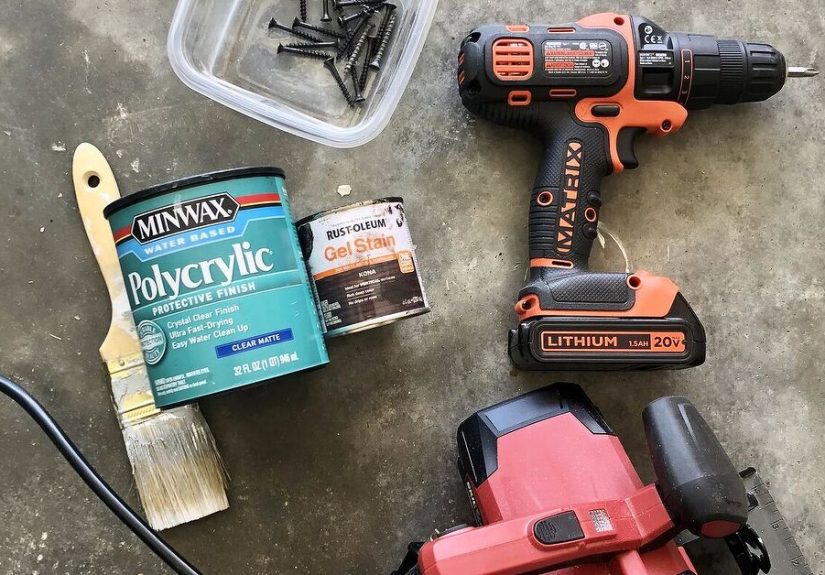
A tool guide identifies screwdrivers, pliers, wrenches, levels, tape measures, stud finders, and safety gear. It can help beginners avoid using a butter knife as a screwdriver, also known as the official tool of “I will regret this.”
48. How to Understand News Headlines
A media guide teaches readers to separate news, opinion, analysis, advertising, and satire. It encourages checking dates, sources, evidence, and context. In a world of viral posts, this skill is less optional and more like intellectual seatbelts.
49. How to Build a Habit
A habit guide explains cues, routines, rewards, small steps, tracking, and environmental design. It shows why “change my entire life on Monday” usually fails by Tuesday afternoon.
50. How to Know When a Guide Is Bad
The most important cool guide may be the one that teaches skepticism. Bad guides oversimplify, exaggerate, lack sources, use fake authority, or turn opinions into “facts.” A pretty chart can still be wrong. Glitter does not make misinformation nutritious.
What Makes a Cool Guide Truly Useful?
A useful guide is accurate, clear, specific, and honest about limits. It should tell readers what to do, what not to do, and when to seek expert help. The strongest guides also include context. For example, a guide about emergency kits should explain that needs differ by household. A guide about nutrition should mention serving sizes. A guide about scams should remind readers that scammers change tactics. A guide about online research should encourage verification instead of blind trust.
Good design matters too. The guide should be readable on a phone, organized in sections, and not packed with so much text that it looks like a cereal box had a nervous breakdown. Color, icons, and spacing should support learning, not compete for attention like five toddlers with tambourines.
Why Schools Should Teach More of This
Many schools do teach practical skills, but coverage varies widely. Some students get personal finance, media literacy, health education, digital safety, and career preparation. Others get a brief lecture, a worksheet, or nothing at all. That gap is why online guide communities feel so valuable. They collect the lessons people wish had been part of everyday education.
Life skills do not replace academic subjects. They complement them. Algebra builds problem-solving. History builds context. Science builds evidence-based thinking. Literature builds empathy and interpretation. But students also benefit from knowing how to read a lease, identify a scam, write a resume, store leftovers safely, and ask better questions. The dream curriculum is not “less learning.” It is learning that connects more directly to real life.
The Funny Side of Learning What School Forgot
Part of the charm of cool guides is that they often make people laugh at how much they did not know. There is a special kind of humility in learning, at age 28, that you have been washing towels wrong, storing onions in the wrong place, or misunderstanding the tiny laundry hieroglyphics on your hoodie. It is embarrassing, but also comforting. Everyone has gaps. Nobody arrives fully assembled.
The internet can be chaotic, but guide communities show one of its better sides: strangers sharing knowledge that makes daily life easier. Yes, there are questionable charts. Yes, some guides should be fact-checked with a magnifying glass and a suspicious eyebrow. But the basic impulse is generous. Someone learns something useful and thinks, “Other people should know this too.” That is a pretty decent use of bandwidth.
Personal Experiences: Lessons Cool Guides Helped Me Appreciate
The most relatable thing about cool guides is that they often arrive exactly after you needed them. Many people do not search for a guide to stain removal until a white shirt has already met spaghetti sauce in a battle with no survivors. They do not look up tire pressure until the dashboard light appears. They do not learn about phishing until an email says their account will be deleted in 12 minutes unless they click a button designed by someone with suspicious enthusiasm.
One experience that fits this topic perfectly is the first time someone tries to assemble an emergency kit. At first, it sounds dramatic, like preparing for a movie scene where the sky turns green and a serious person says, “We have to move.” But once you start, it becomes practical. Flashlight? Reasonable. Water? Obviously. Copies of documents? Smart. Pet supplies? Important. Suddenly the kit is not about fear; it is about reducing stress when normal routines break. A guide helps because it turns a vague worry into a checklist.
Another common experience is learning to read labels at the grocery store. Before that, shopping may feel like choosing food based on packaging confidence. Then a guide points out serving sizes, added sugars, sodium, and fiber. Now the cereal aisle looks different. You are no longer dazzled by a box screaming “made with whole grain” while hiding enough sugar to power a tiny carnival. You start comparing products with more awareness, and the grocery store becomes slightly less like a marketing jungle.
Scam guides are another eye-opener. Many people assume they would never fall for a scam because scams must be obvious. Then they see examples of messages that look polished, urgent, and personal. A guide teaches that scams often work by pushing emotions: fear, excitement, embarrassment, greed, or trust. That lesson changes behavior. You pause before clicking. You verify through official channels. You stop treating every urgent message like a house fire.
Food safety guides can also change daily habits. A person may grow up thinking kitchen safety is mostly common sense, only to learn that cross-contamination, refrigeration timing, and cooking temperatures matter more than vibes. A simple “clean, separate, cook, chill” guide becomes memorable because it is short enough to recall while cooking. It is not glamorous, but neither is food poisoning. Sometimes wisdom is just knowing which cutting board touched raw chicken.
Media literacy guides may be the most important of all. At some point, everyone has seen a headline that sparked instant outrage. A good guide teaches you to pause, check the source, read beyond the headline, compare coverage, and ask what evidence is actually being presented. That habit is powerful. It protects your attention, your conversations, and your ability to make decisions without being dragged around by the algorithm like a shopping cart with one broken wheel.
The best experience with cool guides is not just learning one fact. It is realizing that knowledge can be practical, visual, funny, and shareable. A good guide can make you safer, calmer, more prepared, and less likely to ruin a sweater. That may not sound like a grand educational revolution, but honestly, a world with fewer ruined sweaters and fewer scam victims is already a solid upgrade.
Conclusion
“Cool guides” succeed because they meet people where real life actually happens: in kitchens, cars, inboxes, grocery aisles, storms, job searches, doctor’s offices, and awkward conversations. They fill the gap between formal education and everyday survival. The best guides do not pretend to replace experts, teachers, or official resources. Instead, they act like helpful signposts: simple, memorable, and easy to share.
The next time you see a guide that explains something useful in one clean visual, do not just save it and forget it in a folder called “Important Stuff Maybe.” Read it, question it, verify it, and use it. School may not have taught every life skill, but learning does not end at graduation. Sometimes it continues through a chart shared by a stranger online who just wanted everyone to understand laundry symbols, credit scores, or why leftover rice deserves respect.