Table of Contents >> Show >> Hide
- Why Bagged Salad Needs a Little Help
- 9 Easy Ways to Elevate Bagged Salad
- 1. Add a Real Protein So It Eats Like a Meal
- 2. Bring the Crunch Like You Mean It
- 3. Upgrade the Dressing Instead of Accepting Packet Destiny
- 4. Add Fresh Herbs for Instant “I Know What I’m Doing” Flavor
- 5. Mix in Something Warm
- 6. Add Fruit for Sweetness and Juiciness
- 7. Add Cheese, Avocado, or Another Creamy Element
- 8. Raid the Pantry for Big Flavor
- 9. Season the Greens Before You Dress Them
- Easy Bagged Salad Combination Ideas
- How to Keep Bagged Salad Fresh Longer
- Common Mistakes to Avoid
- Experience: What I’ve Learned from Turning Bagged Salad into Real Food
- Conclusion
- SEO Tags
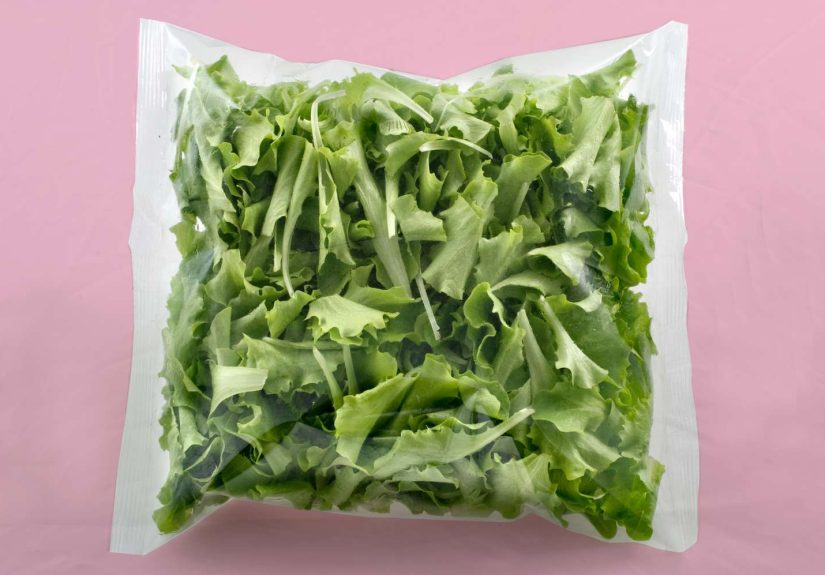
Bagged salad is the overworked weeknight hero of the refrigerator: convenient, affordable, and always one tiny packet of dressing away from becoming dinner. But let’s be honestsometimes it tastes like “I tried.” A sad handful of greens with a few lonely carrot shreds does not exactly make the dinner bell ring. The good news? You do not need chef school, a farmers market haul, or a dramatic marble countertop to make bagged salad taste fresh, filling, and restaurant-worthy.
With a few smart upgrades, a basic salad kit can become a crunchy taco bowl, a Mediterranean lunch, a hearty chicken Caesar, a picnic-ready side, or a “why did I pay $17 for this downtown?” kind of meal. The secret is balance: crisp texture, bright acid, satisfying protein, healthy fat, fresh herbs, and a little surprise. Bagged salad already gives you the base. Your job is simply to bring the personality.
Before we start sprinkling almonds like confetti, one quick food-safety note: keep bagged greens refrigerated, check the date, avoid bags with slimy leaves or excess liquid, and follow the label. If the package says “pre-washed,” “triple washed,” or “ready-to-eat,” you can use it without washing again. Rewashing can accidentally introduce new germs if your sink, hands, or tools are not perfectly clean. Now, let’s turn that bag of greens into something you actually crave.
Why Bagged Salad Needs a Little Help
Most bagged salads are designed for speed, not greatness. They often include chopped lettuce or cabbage, a small pouch of dressing, and a few toppings. That is useful, but it can also leave the salad short on protein, fiber-rich carbohydrates, bold flavor, and the kind of crunch that makes every bite exciting. A better bagged salad should feel complete, not like an appetizer that wandered into dinner wearing flip-flops.
The easiest formula is simple: start with greens, add protein, add something crunchy, add something juicy or acidic, add something creamy or rich, and finish with seasoning. Once you understand that pattern, you can upgrade any salad bag in minutes.
9 Easy Ways to Elevate Bagged Salad
1. Add a Real Protein So It Eats Like a Meal
If your bagged salad leaves you hungry an hour later, it is probably missing protein. Lettuce is refreshing, but it cannot carry dinner by itself. Add grilled chicken, rotisserie chicken, hard-boiled eggs, tuna, salmon, shrimp, turkey, tofu, tempeh, edamame, chickpeas, black beans, lentils, or cottage cheese. Even a small amount can make the salad more satisfying.
For a Caesar-style salad kit, toss in sliced grilled chicken, jammy eggs, or roasted chickpeas. For a Southwest salad kit, add black beans, shredded chicken, or taco-seasoned ground turkey. For an Asian-inspired chopped salad, try edamame, tofu cubes, peanuts, or leftover salmon. The goal is not to make the salad heavy; it is to make it feel like lunch has a spine.
A smart shortcut is keeping ready-to-use proteins on hand. Rotisserie chicken, canned tuna, canned beans, cooked lentils, and peeled hard-boiled eggs can rescue a bagged salad in less than five minutes. This is the difference between “I ate leaves” and “I made a balanced meal.”
2. Bring the Crunch Like You Mean It
Texture is where many bagged salads fall flat. The greens may be crisp at first, but once dressing hits, everything can go soft faster than your motivation on laundry day. Crunchy toppings wake the whole bowl up.
Try toasted almonds, sunflower seeds, pumpkin seeds, walnuts, pecans, tortilla strips, crispy chickpeas, roasted peanuts, sesame sticks, croutons, pita chips, pretzels, fried onions, or even crushed crackers. For a lighter crunch, add cucumber, radishes, carrots, snap peas, celery, bell peppers, or shredded cabbage.
Toasting nuts and seeds for two to three minutes in a dry skillet makes them taste deeper and more aromatic. It is a tiny step with a big payoff. Just do not walk away from the pan. Nuts go from golden to “smoke alarm jazz solo” very quickly.
3. Upgrade the Dressing Instead of Accepting Packet Destiny
The dressing packet in a salad kit can be useful, but it is often too sweet, too salty, or too thick. You do not have to throw it away. Stretch it, brighten it, or customize it.
Whisk the packet with a squeeze of lemon juice, a splash of vinegar, a drizzle of olive oil, a spoonful of Greek yogurt, a little Dijon mustard, or a few drops of hot sauce. A creamy ranch packet becomes fresher with lemon and black pepper. A Caesar packet improves with extra grated Parmesan and a squeeze of lemon. A sesame dressing gets more lively with rice vinegar, grated ginger, and a tiny drizzle of toasted sesame oil.
If you want a homemade option, use this quick vinaigrette: three tablespoons olive oil, one tablespoon vinegar or lemon juice, one teaspoon Dijon mustard, one teaspoon honey, a pinch of salt, and several grinds of black pepper. Shake it in a jar until it looks smooth. Dijon helps the oil and acid blend, while honey balances sharpness. Suddenly, your bagged salad has gone from cafeteria energy to bistro confidence.
4. Add Fresh Herbs for Instant “I Know What I’m Doing” Flavor
Fresh herbs are the fastest way to make bagged salad taste less bagged. A handful of chopped parsley, cilantro, basil, dill, mint, chives, or scallions can completely change the mood of the bowl.
Use cilantro with taco salad, basil with tomato and mozzarella, dill with cucumbers and creamy dressing, parsley with Mediterranean toppings, mint with fruit and feta, and chives with ranch-style salads. Herbs add brightness without making the salad heavier, and they make even simple ingredients taste intentional.
If your herbs are starting to wilt, do not panic. Chop them finely and mix them into the dressing. They will still add flavor, and no one will know they were five minutes away from becoming compost.
5. Mix in Something Warm
A warm topping can turn a cold bagged salad into a real dinner. The contrast between chilled greens and warm ingredients makes the bowl feel more satisfying and freshly made.
Try warm roasted sweet potatoes, sautéed mushrooms, grilled chicken, crispy bacon, roasted chickpeas, warm quinoa, seared shrimp, toasted corn, or leftover roasted vegetables. The trick is to let very hot ingredients cool for a minute before adding them, so they do not wilt the greens into sadness.
For example, toss a kale salad kit with warm roasted butternut squash, pecans, goat cheese, and a mustard vinaigrette. Add warm taco meat and black beans to a cabbage slaw kit. Spoon sautéed mushrooms and farro over spinach salad with Parmesan. These combinations make a salad feel cozy without turning it into soup’s confused cousin.
6. Add Fruit for Sweetness and Juiciness
Fruit brings natural sweetness, color, and freshness. It also balances salty cheese, tangy dressing, and bitter greens. This is especially helpful with kale, arugula, cabbage, and cruciferous salad mixes.
Try sliced apples, pears, grapes, strawberries, blueberries, orange segments, peaches, dried cranberries, raisins, pomegranate seeds, or mango. For fall, pair apples with cheddar, walnuts, and cider vinaigrette. For summer, add peaches, basil, and mozzarella. For a tropical twist, add mango, avocado, cilantro, and lime.
Dried fruit works well, but use it lightly because it is concentrated in sweetness. A tablespoon or two can add chewy little bursts of flavor without turning your salad into trail mix wearing lettuce as a disguise.
7. Add Cheese, Avocado, or Another Creamy Element
A great salad needs richness. Without it, the bowl can taste sharp, watery, or incomplete. Cheese, avocado, hummus, tahini, Greek yogurt, and soft-boiled eggs all add creamy contrast.
Feta is excellent with cucumbers, tomatoes, chickpeas, and olives. Blue cheese loves apples, pears, bacon, and walnuts. Parmesan works with Caesar-style kits, roasted vegetables, and lemony dressings. Goat cheese pairs beautifully with beets, berries, and pecans. Cheddar is terrific in chopped salads with apples, chicken, and ranch.
Avocado is another easy upgrade. It adds healthy fat and a buttery texture that makes bagged salad feel more filling. Sprinkle avocado with salt and lime before adding it to the bowl, and it will taste brighter instead of bland.
8. Raid the Pantry for Big Flavor
Your pantry is basically a salad upgrade station. Jars, cans, and shelf-stable staples can add bold flavor with almost no prep.
Try roasted red peppers, artichoke hearts, olives, pickled onions, pepperoncini, capers, corn, beans, hearts of palm, sun-dried tomatoes, salsa, crispy noodles, canned beets, or marinated mushrooms. These ingredients bring acidity, salt, sweetness, and depthexactly what plain greens need.
A Mediterranean bagged salad becomes better with chickpeas, olives, cucumber, feta, and roasted red peppers. A ranch chopped kit improves with corn, black beans, pickled jalapeños, and crushed tortilla chips. A simple spring mix becomes elegant with white beans, artichokes, tuna, and lemon vinaigrette.
The pantry method is especially helpful when the refrigerator looks empty except for mustard, a suspicious lime, and the emotional support cheese drawer.
9. Season the Greens Before You Dress Them
This may be the most overlooked salad trick: season the greens. Even a tiny pinch of salt and a few grinds of black pepper can make vegetables taste more alive. Restaurants do this, and that is one reason their salads taste better than a rushed bowl at home.
Before adding dressing, sprinkle the greens with a small pinch of salt, black pepper, and maybe a squeeze of lemon. Toss gently, then add dressing little by little. This prevents overdressing and helps flavor every leaf.
You can also add seasoning blends. Try everything bagel seasoning on a cucumber ranch salad, taco seasoning on a Southwest kit, za’atar on Mediterranean greens, Italian seasoning on a mozzarella and tomato salad, or smoked paprika on a barbecue chicken chopped salad.
Easy Bagged Salad Combination Ideas
Chicken Caesar Power Salad
Start with a Caesar salad kit. Add rotisserie chicken, sliced cucumber, extra Parmesan, toasted breadcrumbs or croutons, lemon juice, and cracked black pepper. For more staying power, add white beans or hard-boiled eggs.
Southwest Crunch Salad
Use a cabbage or taco-style salad kit. Add black beans, corn, avocado, cherry tomatoes, pickled jalapeños, tortilla strips, and grilled chicken or tofu. Brighten the dressing with lime juice and cilantro.
Mediterranean Pantry Salad
Use spring mix or chopped romaine. Add chickpeas, cucumbers, feta, olives, roasted red peppers, parsley, and lemon vinaigrette. This one tastes like you planned ahead, even if your plan was “open cans gracefully.”
Fall Harvest Bagged Salad
Start with kale or spinach. Add sliced apples, roasted sweet potatoes, dried cranberries, pumpkin seeds, goat cheese, and a cider-Dijon dressing. It is cozy, colorful, and perfect with leftover turkey or chicken.
How to Keep Bagged Salad Fresh Longer
Bagged salad is convenient, but it is also fragile. Choose bags from a cold refrigerated case, especially ones that look dry and crisp. Avoid packages with slimy leaves, strong odors, puffiness, or liquid pooling at the bottom. At home, refrigerate greens quickly and keep them cold.
Once opened, place a clean paper towel in the bag or storage container to absorb extra moisture. Seal the bag loosely or transfer the greens to an airtight container lined with a towel. Use opened greens within a few days for best texture. If the salad smells sour, feels slimy, or looks decayed, throw it away. No salad is worth negotiating with your stomach at 2 a.m.
Common Mistakes to Avoid
Using All the Dressing at Once
Most salad kits include more dressing than you need. Start with half, toss, taste, and add more only if needed. You can always add dressing, but removing it requires a time machine and possibly a tiny mop.
Skipping Protein
A salad without protein can be a nice side dish, but it may not satisfy as a meal. Add chicken, eggs, beans, tofu, tuna, salmon, or nuts to make it more filling.
Forgetting Acid
Lemon juice, lime juice, vinegar, pickles, olives, and pepperoncini bring brightness. Acid cuts through creamy dressing and wakes up mild greens.
Adding Hot Ingredients Too Soon
Warm toppings are great, but steaming-hot toppings can wilt delicate lettuce. Let roasted vegetables, grains, or meats cool slightly before tossing.
Experience: What I’ve Learned from Turning Bagged Salad into Real Food
Bagged salad has saved more weeknight dinners than I can count. It is the thing I reach for when I want to eat something fresh but do not want to wash, chop, spin, dry, and emotionally bond with three kinds of lettuce. Over time, I have learned that the bag is not the mealit is the starting line.
The first lesson is that crunch matters more than people think. A salad can have excellent dressing and still feel boring if every bite has the same soft texture. Adding toasted nuts, crispy chickpeas, tortilla strips, or even crushed pretzels makes the salad feel fun. I once added crushed pita chips to a Mediterranean salad because I was out of croutons, and it immediately tasted like something from a casual lunch spot. That is the magic of texture: it convinces your brain that effort happened.
The second lesson is that leftovers belong in salad. Leftover roasted vegetables, grilled chicken, taco meat, rice, quinoa, corn, bacon, salmon, steak, and even pizza toppings can find a second life over greens. A scoop of last night’s roasted sweet potatoes can make a kale kit taste seasonal and hearty. A few slices of leftover steak can turn a basic chopped salad into a steakhouse-style lunch. The refrigerator becomes less of a graveyard and more of a salad bar with questionable lighting.
The third lesson is to treat dressing as a flexible ingredient, not a command from the salad gods. If a packet tastes too heavy, I loosen it with lemon juice. If it tastes flat, I add pepper, vinegar, mustard, or hot sauce. If it tastes too sharp, a little honey helps. This tiny adjustment makes a huge difference because dressing touches every bite. It is the salad’s soundtrack; if it is off-key, the whole bowl suffers.
I have also learned that herbs can rescue almost anything. A handful of cilantro can make a Southwest salad feel fresh. Dill can make cucumbers and creamy dressing taste like summer. Basil turns tomatoes and mozzarella into something that feels special, even if the tomatoes came from a plastic clamshell. Herbs make salad smell better, and aroma is a big part of flavor.
Another practical experience: never underestimate beans. Chickpeas, black beans, and white beans are cheap, easy, filling, and ready in seconds after rinsing. They add protein, fiber, and a creamy bite that makes salad feel substantial. When I do not have chicken or eggs, beans are the dependable friend who actually shows up on moving day.
The final lesson is simple: do not wait for the perfect ingredients. Bagged salad is supposed to make life easier. Add one protein, one crunch, one bright ingredient, and one creamy or rich ingredient. That is enough. You do not need nine toppings every time. Some nights, a Caesar kit with chicken, lemon, black pepper, and extra Parmesan is perfect. Other nights, a chopped salad with beans, avocado, salsa, and tortilla chips feels like a full dinner. The best bagged salad is not the fanciest one. It is the one you actually look forward to eating.
Conclusion
Bagged salad does not have to be boring, limp, or forgettable. With the right upgrades, it can become a fast, flavorful, satisfying meal that fits busy schedules and real-life kitchens. Add protein for fullness, crunch for excitement, herbs for freshness, fruit for sweetness, warm toppings for comfort, and better dressing for balance. Use pantry staples, season your greens, and store everything properly so your salad stays crisp and safe.
The next time you open a bagged salad, do not think of it as the final dish. Think of it as a blank canvas with lettuce. A little chicken here, a few toasted nuts there, a squeeze of lemon, a sprinkle of cheese, and suddenly dinner looks like it has its life togethereven if you are eating it in sweatpants.
SEO Tags
Note: This article was written in original American English and synthesized from practical culinary, nutrition, and food-safety guidance from reputable U.S. food, health, and government sources.