Table of Contents >> Show >> Hide
- What counts as a “perfect” egg crack?
- Why eggs crack weirdly (a quick, useful bit of science)
- The two main egg-cracking methods (and why people argue about them)
- The smartest habit for cleaner eggs: crack into a small bowl first
- One-handed egg cracking: the useful flex
- Separating eggs without stress
- Shell fragments: the two fastest fixes
- Common mistakes that sabotage an egg crack
- Cracking lots of eggs for brunch or baking day
- Pick the “perfect” crack for what you’re cooking
- Egg safety basics (quick, practical, not scary)
- A tiny practice plan that actually works
- Extra : Kitchen Moments That Feel Like the Perfect Egg Crack
- Conclusion
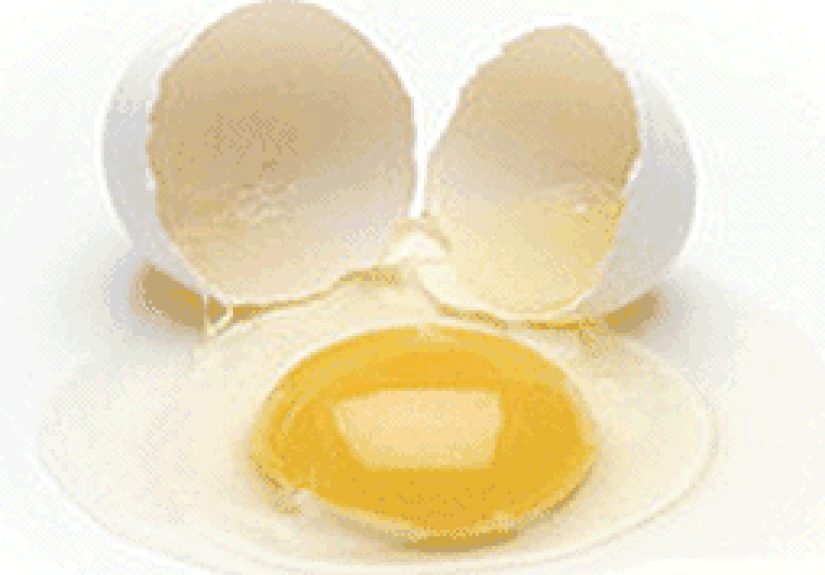
Some joys are loud. Others are so small they barely count as “a thing”… until they happen and you instantly feel like a capable adult. That’s the vibe behind Neil Pasricha’s 1000 Awesome Things, and #863The Perfect Egg Crackis peak micro-magic: one clean snap, a tidy split, zero shell shrapnel, and a yolk that stays proudly intact.
It’s ridiculous that a breakfast ingredient can deliver a dopamine hit, but here we are. So let’s talk about how to crack an egg perfectlywithout turning your counter into a tiny crime scene or your batter into a scavenger hunt.
What counts as a “perfect” egg crack?
“Perfect” doesn’t mean fancy. It means predictable:
- The shell fractures in one decisive line (not twelve nervous taps).
- The membrane doesn’t shred into confetti.
- The yolk stays intact when you want it intact.
- No shell pieces go swimming in your bowl.
In other words: control, cleanliness, and a tiny moment of competence before caffeine kicks in.
Why eggs crack weirdly (a quick, useful bit of science)
An eggshell is hard but brittle, and there’s a thin membrane underneath that’s tougher than it looks. When you hit the shell, you’re trying to create a controlled fracture that opensnot a jagged rupture that caves inward and sprinkles shards into the egg. The secret is less about strength and more about where the force goes and how you open the shell afterward.
The two main egg-cracking methods (and why people argue about them)
Method A: Crack on a flat surface
Cracking on a counter (or cutting board) spreads the impact over a wider area. Many cooks like it because it can reduce the “shell pushed inward” effect you sometimes get when you hit a sharp rim. It’s also easy to repeat once you find your rhythm.
How to do it:
- Hold the egg firmly in one hand.
- Give it one confident tap on a flat surface.
- Set your thumbs into the crack and pull the shell apart smoothly.
When it shines: baking, cracking lots of eggs in a row, and any time shell fragments have been personally insulting you lately.
Method B: Crack on the edge of a bowl
This is the classic: tap the egg on the rim, open it, drop it in. When you’re good at it, it’s fast and clean. Some tests and chefs prefer it because it can feel easier to split the shell once the crack is started.
How to do it (without summoning shell bits):
- Use a thin rim (small bowl works great) rather than a chunky pot edge.
- One solid hit beats multiple timid taps.
- Open the egg with your thumbsdon’t pry with your fingernails like you’re opening a stubborn gift blister-pack.
When it shines: fried eggs, poaching setups, and any dish where you care deeply about a flawless yolk.
A quick note on the “egg-on-egg” crack
Yes, you can tap two eggs together and usually only one cracks. It’s fun. It’s surprisingly effective. It’s also mildly impractical when you need to crack an odd number of eggs and your last egg is standing there like, “Cool, so now what?”
The smartest habit for cleaner eggs: crack into a small bowl first
If you bake even occasionally, do yourself a favor: crack each egg into a small bowl (or ramekin) before it goes into the main mixing bowl. If a shell shard drops in, you fix it easily. If an egg is off, you find out before it ruins an entire batch of cookie dough. This one habit quietly prevents 80% of egg-related regret.
One-handed egg cracking: the useful flex
One-handed cracking looks like a party trick, but it’s also practical when you’re moving fastsay you’re cracking eggs into a pan while your other hand is holding a spatula, a whisk, or your last shred of patience.
Beginner-friendly approach: Start on a flat surface. Tap once to create a crack, then use your thumb to pry the shell open while your fingers control the two halves. Practice over a bowl until your accuracy is boringly reliable. (Your floor does not deserve the learning curve.)
Separating eggs without stress
For meringues, angel food cake, or silky custards, you’ll want whites and yolks in separate bowls. The simplest technique still works: crack the egg, then pass the yolk between shell halves while the white drips into a bowl.
Two upgrades that make this easier:
- Separate when the eggs are cold. Cold eggs tend to hold together a bit better during separation.
- Use multiple bowls. Separate each egg individually first, then combine all the whites. One broken yolk won’t sabotage the whole batch.
Shell fragments: the two fastest fixes
Fix #1: “Fight shell with shell”
Use a larger piece of the cracked shell to scoop out the tiny shard. The curved edge grabs it better than a spoon, which usually just shoves the shard around like it’s playing tag.
Fix #2: Wet fingertips
If the shell halves are already in the trash, wet your fingers first. The water helps you grip the shard instead of skating on egg white like it’s an ice rink.
Common mistakes that sabotage an egg crack
1) The “woodpecker tap”
Multiple little taps feel safer, but they usually create multiple fracture lines. That’s how you end up with a jagged opening that sheds tiny shards. One confident hit makes a single crack you can control.
2) Opening the egg like a treasure chest
If you pry the shell apart wide and fast, the membrane tears and the shell edge scrapes the white on the way out. Instead, think “controlled hinge”: thumbs in the crack, shell halves opening just enough for the egg to slide out.
3) Cracking directly into your main bowl
This is how one bad egg turns into a full-batch tragedy. The small-bowl checkpoint isn’t fussyit’s insurance. It also makes it easier to spot shell bits before they disappear into flour, sugar, or ground meat like tiny edible landmines.
4) Using the wrong rim
If you crack on the edge of something thick (like a heavy pot), the impact can be more “puncture” than “crack.” A thinner rim (a small bowl or the lip of a measuring cup) tends to start a cleaner split. If you’re team countertop, a cutting board works toojust make sure it’s stable and not sliding around like it’s trying to escape.
Cracking lots of eggs for brunch or baking day
When you’re cracking a big batchFrench toast for a crowd, a double batch of cupcakes, a brunch casseroleclean workflow matters as much as technique. Set up a little assembly line: eggs on the left, a small bowl in the middle, your “main bowl” on the right, and a trash bowl for shells. Crack, inspect, pour, repeat. It sounds obvious, but this tiny setup saves time, keeps shells out of your food, and helps you notice problems (like blood spots or an off egg) before everything is pooled together.
If you ever need to hold cracked eggs briefly (say you’re doing prep), keep them cold and covered, and don’t let them sit out while you answer texts, walk the dog, and start a podcast trilogy. Eggs are patient, but bacteria are more motivated than any of us.
Pick the “perfect” crack for what you’re cooking
Here’s the part nobody tells beginners: technique is situational. Choose the crack that fits the dish.
- Fried eggs: bowl edge is often easiest for a clean release and intact yolk.
- Scrambled eggs: crack into a bowl first, then whisk (speed wins).
- Baking: small-bowl checkpoint every time.
- Meringues: separate carefully, keep bowls clean, and treat yolk like it’s wearing a white tuxedo.
Egg safety basics (quick, practical, not scary)
Eggs are a staple, but they still deserve the “handle like food” level of respect. A few simple rules cover most situations:
- Store eggs cold: keep shell eggs refrigerated at 40°F (4.4°C) or below.
- Mind the clock: don’t leave shell eggs or cracked eggs out for more than 2 hours.
- Cook thoroughly: cook eggs until whites and yolks are firm; cook egg-based dishes to 160°F (71°C).
- Going raw? If a recipe uses raw egg (some dressings, sauces, or “taste-the-dough” moments), pasteurized egg products are the safer choice.
A tiny practice plan that actually works
- Pick one method (flat surface or bowl edge) and commit for a week.
- Use one confident hit, not repeated tapping.
- Always open the egg with your thumbs for control.
- Use the small-bowl checkpoint for baking or big batches.
By the end, you’ll have a “default crack” you can do on autopilotlike tying your shoes, but tastier.
Extra : Kitchen Moments That Feel Like the Perfect Egg Crack
Imagine a weekday morning that starts with the emotional energy of a damp paper towel. You’re not late yet, but you can see late from where you’re standing. The kitchen is quiet, the coffee hasn’t kicked in, and your brain is running on the low-battery icon. You open the fridge, grab an egg, and for a second you’re weirdly aware of how much power this fragile little oval has over your mood.
You tap it once. Not a timid tap. Not a dramatic slam. Just a confident, unbothered tap. The shell splits like it’s been waiting all night to cooperate. You open it with your thumbs and the egg slides out cleanlyno shell bits, no yolk break, no need for a frantic fork rescue. For two full seconds you are a person who has it together. Not “I’m thriving” together. More like “I can be trusted with breakfast” together. It’s a small upgrade, but you feel it.
Or picture a lazy weekend brunch with friends. Someone’s chopping herbs, someone’s arguing about whether hot sauce counts as a personality trait, and you’re on egg duty. This is exactly when eggs love to embarrass you. But instead, you nail three perfect cracks in a row. Suddenly you’re getting compliments that feel a little too intense for something you learned in kindergarten: “Wow, that was clean.” You try to play it cool, but inside you’re doing a victory lap.
Then there’s the baking marathon: holiday cookies, birthday cake, “I’ll just make one batch” optimism that turns into flour on the ceiling. You’re cracking egg number sixthe danger zone, where shells usually start shedding like a nervous dog. But you do the small-bowl checkpoint, spot a tiny shard, and remove it in one smooth motion using the shell itself. No drama. No batter trashcan funeral. You didn’t just save the recipeyou saved your mood.
And honestly, the failures are part of why the wins feel so good. The egg that collapses inward. The shard that escapes every utensil like it has a tiny jetpack. The yolk that breaks right before you slide it into the pan, so your “sunny-side” becomes “cloudy with a chance of swearing.” Then you remember a fixwet fingers, shell scoop, crack into a separate bowland the chaos shrinks back down to normal life size.
That’s what makes #863 such a perfect “awesome thing.” It’s not chef-level. It’s not Instagram-level. It’s just a tiny moment of order in a day that’s usually a little messy. Tap, split, drop, done. When it works, it feels like the universe handed you a gold star for basic competence. And when it doesn’t, you try againbecause breakfast is forgiving, eggs are plentiful, and the next crack might be the one that makes you grin before the first sip of coffee.
And if you’re teaching someone newkids, roommates, your partner who swears they’re “not a kitchen person”the perfect egg crack is the best confidence builder. It’s quick feedback: do it cleanly and everyone cheers; do it messy and everyone learns a new cleanup technique.
Conclusion
The perfect egg crack is the simplest kitchen win: choose a method, hit once with confidence, open with your thumbs, and (when it matters) crack into a small bowl first. Add two rescue tricks for shell fragments, and you’ve basically unlocked “calm cook” mode.
Now go crack an egg like it owes you money. Gently. But with conviction.