Table of Contents >> Show >> Hide
- Before You Start: 5 Rules That Make Ink Removal More Successful
- What Kind of Ink Are You Dealing With?
- 1. Use Rubbing Alcohol for Ballpoint Ink and Many Dried Pen Stains
- 2. Try Alcohol-Based Hand Sanitizer When You Do Not Have Rubbing Alcohol
- 3. Use Liquid Laundry Detergent for Water-Based Ink
- 4. Soak with Dish Soap and White Vinegar for a Gentler Homemade Treatment
- 5. Apply a Baking Soda Paste for Light Ink Residue
- 6. Use an Oxygen Bleach Soak for Stubborn Marker and Set-In Stains
- 7. Use Acetone Nail Polish Remover as a Last Resort on Sturdy Washable Fabrics
- What Not to Do When Removing Dried Ink
- When to Call a Professional Cleaner
- Laundry Lessons: Real-World Ink Stain Experiences and What They Teach You
- Conclusion
Few laundry moments are more annoying than finding a dried ink stain on your favorite shirt. One minute you are feeling productive, the next minute your pocket pen has declared war on cotton. The good news is that dried ink is stubborn, but it is not always unbeatable. With the right cleaner, the right order of steps, and a little patience, many ink stains can be faded dramatically or removed altogether.
This guide breaks down seven practical ways to get dried ink out of clothes using simple cleaners you may already have at home. We will also cover which methods work best for different types of ink, what mistakes make stains worse, and when it is smarter to call a professional cleaner instead of launching a full kitchen-counter science experiment.
Before You Start: 5 Rules That Make Ink Removal More Successful
Before you reach for any cleaner, slow down for thirty seconds and set yourself up for better results. These simple prep steps matter more than most people think.
1. Check the care label
If the garment says “dry clean only,” do not go rogue with solvents and hope for the best. Delicate fabrics such as silk, wool, leather, suede, rayon blends, and some synthetics can react badly to aggressive stain removers.
2. Always test first
Try your chosen cleaner on a hidden seam or hem. Ink stains are rude enough already. You do not need a surprise bleach mark joining the party.
3. Put a towel under the stain
Place a white towel, paper towels, or a clean rag underneath the stained area. This helps catch dissolved ink instead of letting it transfer to the back of the garment.
4. Blot, do not rub
Rubbing usually spreads ink deeper into the fibers. Blotting lifts it. Think “gentle witness protection program” for the stain, not “aggressive interrogation.”
5. Never dry the item until the stain is gone
Heat can set remaining pigment. If the stain is still visible after washing, air-dry the item and try again.
What Kind of Ink Are You Dealing With?
Not all ink behaves the same way, so the best stain remover depends on what created the mess.
- Ballpoint ink: Often responds well to rubbing alcohol or other alcohol-based cleaners.
- Water-based ink: Common in washable markers and some pens. This type may respond well to detergent and water.
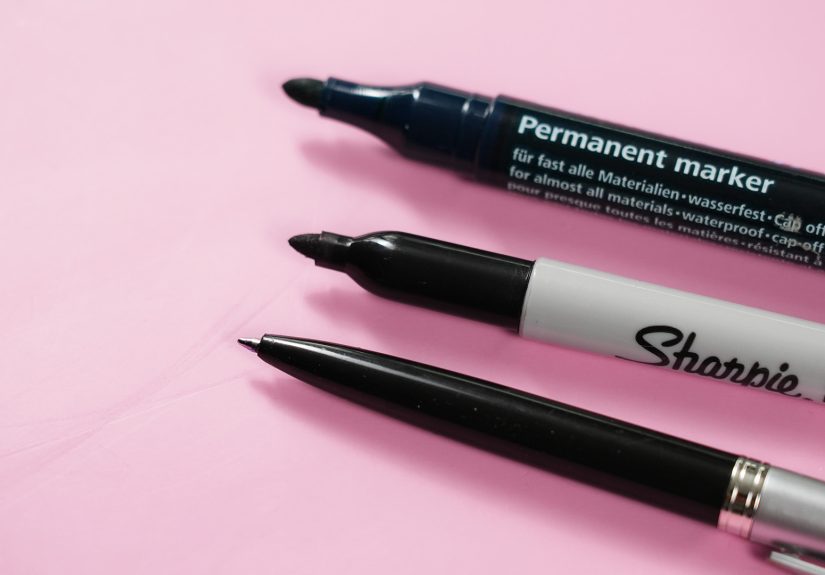
- Permanent marker or stubborn set-in ink: Usually needs an alcohol-based treatment first and sometimes a longer soak with oxygen bleach afterward.
If you are not sure which kind it is, start with the gentlest effective method and work your way up.
1. Use Rubbing Alcohol for Ballpoint Ink and Many Dried Pen Stains
Rubbing alcohol is the classic go-to for a reason. It is one of the most reliable ways to break down ballpoint ink and many dried pen marks on washable fabrics.
How to do it
- Lay the stained area face down over paper towels or a clean white cloth.
- Dab or drip rubbing alcohol onto the back of the stain.
- Blot gently from the outside toward the center.
- Swap in fresh towels as ink transfers.
- Rinse with cold water.
- Apply a little liquid laundry detergent and let it sit for 10 minutes.
- Wash according to the care label, then air-dry and inspect.
This method is especially useful for cotton, polyester, nylon, denim, and other durable washable fabrics. If the stain is old, do not expect instant magic. You may need two or three rounds.
2. Try Alcohol-Based Hand Sanitizer When You Do Not Have Rubbing Alcohol
No rubbing alcohol in the house? Hand sanitizer can be a practical backup if it is alcohol-based. The gel texture also helps it sit on the stain instead of running everywhere like a tiny escape artist.
How to do it
- Put paper towels under the stain.
- Apply a small amount of alcohol-based hand sanitizer to the ink.
- Let it sit for 5 to 10 minutes.
- Blot gently with a clean cloth.
- Rinse with cold water.
- Follow with liquid laundry detergent and wash as usual.
This can work well on dried pen ink and some marker stains. Choose a sanitizer with alcohol as the active ingredient, and avoid formulas loaded with oils, color, or skin-softening extras if possible. Those can leave a new stain behind, which is not the kind of plot twist anyone asked for.
3. Use Liquid Laundry Detergent for Water-Based Ink
If the stain came from a washable marker or another water-based ink, liquid laundry detergent may be enough to loosen and lift it. This is one of the gentlest methods on the list, which makes it a smart early move for everyday clothing.
How to do it
- Blot the stain with a damp cloth to lift what you can.
- Apply a small amount of liquid laundry detergent directly to the mark.
- Let it sit for 3 to 10 minutes.
- Rinse with cool or cold water.
- Launder according to the care label.
- Check before drying.
If the stain lightens but does not disappear, repeat the process. A heavy-duty detergent can be especially helpful for old stains that have settled in and made themselves comfortable.
4. Soak with Dish Soap and White Vinegar for a Gentler Homemade Treatment
If you want a milder household method, a soak made with clear dish soap and white vinegar is worth trying. This approach is often useful when you want something simpler and less harsh than straight solvents.
How to do it
- Mix 1 tablespoon of white vinegar, 1/2 teaspoon of clear dish soap, and about 1 quart of warm water.
- Soak the stained area for 30 minutes.
- Blot the stain gently.
- Rinse well with clean water.
- Wash as usual and air-dry.
This method can be a good fit for cotton, corduroy, chenille, and other washable fabrics that do not love aggressive treatment. It is not the fastest fix for every dried ink stain, but it can help loosen residue and fade lighter marks.
Important: Use vinegar as a pretreatment or soak, not as a random splash straight into your washer whenever inspiration strikes. It is better used thoughtfully and separately than dumped into every load like laundry confetti.
5. Apply a Baking Soda Paste for Light Ink Residue
Baking soda is not the heavyweight champion of ink removal, but it can help with faded residue and surface staining, especially after the main pigment has already been loosened by another treatment. Think of it as support staff, not the headliner.
How to do it
- Mix equal parts baking soda and water to form a paste.
- Spread it over the stain.
- Let it sit for 10 to 20 minutes.
- Blot or gently work it in with a soft cloth.
- Rinse thoroughly.
- Wash the garment as directed.
This is a useful option for washable fabrics that still show a shadow of ink after alcohol or detergent treatment. It can also help absorb odor and freshen the area, which is a nice bonus when the stain-removal session has started to feel like a part-time job.
6. Use an Oxygen Bleach Soak for Stubborn Marker and Set-In Stains
When dried ink refuses to leave quietly, an oxygen bleach soak can help, especially for washable clothing with lingering marker or permanent ink stains. This works best after you have already pretreated the stain with alcohol or detergent.
How to do it
- Fill a basin with warm water.
- Add oxygen-based bleach according to package directions.
- Submerge the garment completely.
- Soak for at least 8 hours or overnight.
- Apply a small amount of detergent to the stain before washing.
- Launder and check before drying.
This method is useful for school uniforms, T-shirts, pillowcases, and other washable items that took a direct hit from marker or mystery desk ink. It is usually safer on colors than chlorine bleach, but you should still test first and follow the garment label.
7. Use Acetone Nail Polish Remover as a Last Resort on Sturdy Washable Fabrics
If the stain is still laughing at you after trying the gentler methods, acetone-based nail polish remover may help break down stubborn pigment. This is a stronger option, so treat it like the emergency exit, not the front door.
How to do it
- Test on a hidden area first.
- Apply a few drops to a cotton ball or cloth.
- Blot the ink stain gently.
- Do not soak the garment.
- Rinse thoroughly with cool water.
- Apply detergent and launder as directed.
This method is best reserved for sturdy washable fabrics and should be avoided on delicate materials. If a garment is expensive, sentimental, or temperamental, the dry cleaner may be the wiser hero in this story.
What Not to Do When Removing Dried Ink
- Do not rub hard. It can spread the stain and fray the fibers.
- Do not use the dryer too soon. Heat can lock the stain in.
- Do not use chlorine bleach as a spot treatment. It can damage fibers and discolor fabric.
- Do not assume hairspray is the miracle fix. Modern formulas are often less effective than old-school advice suggests.
- Do not mix random cleaners together. One stain is enough drama for the day.
When to Call a Professional Cleaner
Home methods are great, but not every stain should become a weekend experiment. Take the item to a professional if:
- the care label says dry clean only,
- the fabric is silk, wool, suede, leather, or heavily structured,
- the stain is large and very dark,
- the garment is expensive or sentimental, or
- you tried a safe method once or twice and got nowhere.
There is no shame in outsourcing. Some garments deserve expert handling, and some of us deserve not to spend an entire Sunday dabbing a blazer with a cotton ball.
Laundry Lessons: Real-World Ink Stain Experiences and What They Teach You
Ink stains tend to show up in very ordinary, very annoying ways. A teacher leans over a desk and notices a blue streak on a pale cardigan. A parent finds a school uniform shirt decorated with mystery marker lines that look suspiciously like modern art. An office worker reaches into a pocket during lunch and discovers a pen has exploded like it had big career ambitions. The stain itself may be small, but the panic feels huge because it usually lands on a garment you actually like.
One of the most common experiences is assuming the stain is permanent because it is already dry. That is where people often give up too early. In reality, dried ink is harder to remove, but it can still respond if you use the right cleaner and work in stages. A lot of successful stain removal stories begin the same way: the first round does not remove everything, but it lightens the stain enough that a second round finally gets the job done. Ink stains reward patience more than brute force.
Another familiar experience is using the wrong method first. Many people instinctively rub the spot with water, a paper towel, or whatever cleaner happens to be closest. That usually spreads the ink and creates a larger halo. Others toss the garment straight into the wash and dryer, hoping the machine will somehow sort it out like a laundry magician. Then the stain sets more deeply, and the problem becomes tougher than it needed to be. If there is one practical lesson repeated again and again, it is this: blot first, choose the cleaner second, and save the dryer for last.
Fabric type also changes the experience. Denim and sturdy cotton are often forgiving. You can pretreat them, rinse them, repeat the process, and they usually keep their dignity. Lightweight blouses, stretchy activewear, and delicate blends are fussier. They may need gentler handling, more careful testing, and lower expectations. That does not mean you are doomed. It just means the approach has to match the fabric instead of forcing the fabric to survive your enthusiasm.
Then there is the emotional part, which sounds silly until it happens to you. Ink stains always seem to land on the shirt you were about to wear, the kid’s school clothes you just washed, or the nice pants that somehow made it through three seasons without incident. That is why simple cleaners matter so much. When rubbing alcohol, detergent, dish soap, baking soda, or hand sanitizer can buy you a second chance, the whole problem feels less like a disaster and more like an annoying but manageable plot twist.
The best real-life takeaway is that ink removal is usually a process, not a single grand gesture. Start with the safest effective option, work patiently, rinse well, and inspect before moving on. Some stains disappear fast. Some fade in slow, stubborn stages. And yes, some garments still need professional help. But if you stay calm and skip the panic scrubbing, you will give your clothes a much better shot at survival.
Conclusion
Dried ink stains look dramatic, but they are not always the final chapter for your clothes. Rubbing alcohol remains one of the strongest at-home options, hand sanitizer can step in when needed, detergent works well on water-based ink, and gentler helpers like dish soap, vinegar, and baking soda can support the cleanup. For tough cases, oxygen bleach soaks and careful spot treatment with acetone may help rescue washable items that seemed doomed.
The real secret is method, not panic: test first, blot instead of rub, rinse thoroughly, and never let the dryer make a bad situation more permanent. Treat the stain with a little strategy and a little patience, and your shirt may live to fight another day.