Table of Contents >> Show >> Hide
- 1. Check Outdoor Faucets, Hoses, and Vulnerable Pipes
- 2. Check Your Heating System Before It Has to Prove Itself
- 3. Check Smoke Alarms, Carbon Monoxide Alarms, and Backup Heating Safety
- 4. Check the Roof, Gutters, and Downspouts
- 5. Check for Drafts, Air Leaks, and Weak Insulation Spots
- 6. Check Sprinkler Lines, Irrigation, and Other Outdoor Water Systems
- 7. Check Trees, Vents, and Exterior Trouble Spots Around the House
- A Smart First-Freeze Checklist Is Cheaper Than a Winter Emergency
- Real-Life Freeze Prep: What Homeowners Learn the Hard Way
The first freeze has a way of turning perfectly normal houses into drama queens. One minute, your home is cozy and minding its own business. The next, a forgotten garden hose, a drafty attic hatch, or a cranky furnace is auditioning for the role of “most expensive winter mistake.”
That is why smart fall home maintenance is not just about pumpkins on the porch and pretending you enjoy raking leaves. It is about checking the parts of your home that take the biggest hit when temperatures drop. A little planning before the first hard freeze can help you avoid frozen pipes, heating breakdowns, roof leaks, ice issues, and those delightful 2 a.m. surprises that begin with, “Why is there water on the floor?”
This homeowner winter checklist walks through seven must-do checks before freezing weather arrives. If you want to winterize your home without turning it into a weekend-long misery festival, start here.
1. Check Outdoor Faucets, Hoses, and Vulnerable Pipes
If your house has one weak spot before a freeze, it is usually plumbing. Water expands when it freezes, and pipes do not exactly enjoy that kind of pressure. That means outdoor faucets, hose bibs, exposed plumbing, and pipes in crawl spaces, garages, attics, or exterior walls deserve your attention first.
What to inspect
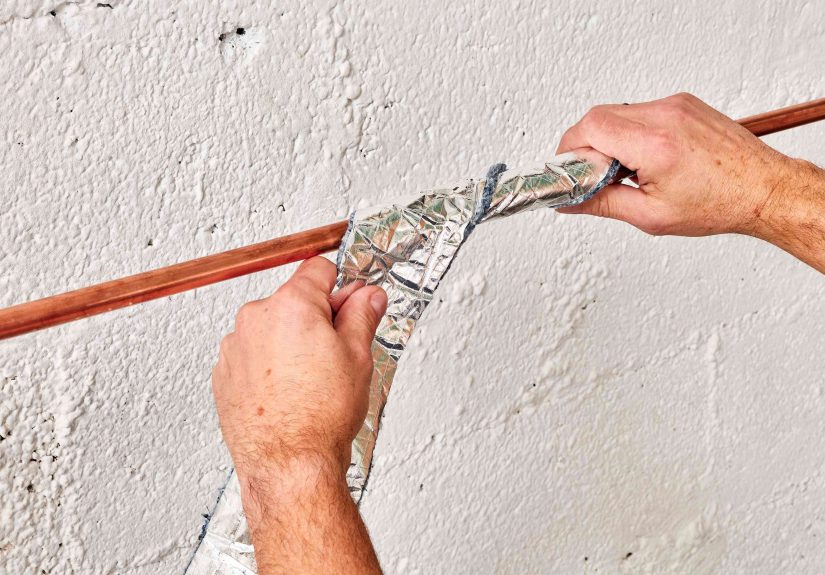
Start outside. Disconnect every garden hose, drain it, and store it somewhere dry. Leaving a hose attached can trap water in the faucet assembly, which increases the odds of a crack. Then look at outdoor faucets and any exposed piping. If they are vulnerable, add insulated faucet covers and pipe insulation.
Inside the house, think about pipes hiding in colder areas. A pipe running through an unheated garage wall might look innocent in October, but by January it can become your least favorite household feature. Insulate accessible pipes now while the weather is still friendly.
What homeowners often forget
Many people focus on wrapping pipes and forget the emergency plan. Find your main water shutoff valve before winter starts, not after a pipe bursts and your socks become flotation devices. Label it if needed and make sure everyone in the household knows where it is.
If you travel during winter, do not set the thermostat too low just to save money. Keeping the home warm enough helps protect pipes from freezing. And during severe cold snaps, opening sink-base cabinets on exterior walls can help warm air circulate around plumbing.
2. Check Your Heating System Before It Has to Prove Itself
Your heating system should not be introduced to winter the same way some people start New Year’s fitness plans: unprepared, overconfident, and making strange noises. Before the first freeze, give your furnace, boiler, or heat pump a proper checkup.
What to do first
Replace or clean the air filter. This is one of the simplest cold-weather maintenance tasks, yet it gets ignored with impressive consistency. A dirty filter can restrict airflow, reduce efficiency, and make the system work harder than necessary.
Next, test the heat before you truly need it. Turn the thermostat on, listen for odd sounds, and pay attention to whether the system cycles normally. If anything smells off, sounds metallic, or takes forever to warm the house, schedule service before the first freeze arrives.
When to call a pro
If your system has not been inspected in a while, bring in an HVAC technician. Annual maintenance can catch worn components, dirty burners, venting problems, or other issues that are much cheaper to fix before a cold snap. Winter is not the ideal season to discover your furnace had a retirement plan you were not told about.
Also check that supply vents are open and unobstructed, and that exterior exhaust vents remain clear of leaves, nests, or debris. Heat that cannot move properly is heat you are still paying for, just with extra disappointment.
3. Check Smoke Alarms, Carbon Monoxide Alarms, and Backup Heating Safety
Winter home safety is not only about keeping the house warm. It is also about keeping it safe while you do it. The first freeze often kicks off the season of fireplaces, space heaters, generators, and “creative” heating choices that should absolutely not be creative.
Alarm basics
Test smoke alarms and carbon monoxide detectors before cold weather settles in. Replace batteries if needed and confirm that units are in the right places, especially near sleeping areas. If your home uses fuel-burning appliances, has a fireplace, or includes an attached garage, carbon monoxide protection is a big deal.
Heat safely, not dramatically
Now is also the time to review backup heat safety. Space heaters need room to breathe, which means keeping them away from curtains, bedding, furniture, and anything else that likes to burn. Generators belong outside, never in a garage or enclosed space. And your kitchen oven is for dinner, not home heating. It is a terrible furnace and an even worse roommate.
If you use a fireplace or wood stove, check that the area is clean, the venting path is clear, and the setup is ready for safe use before temperatures plunge.
4. Check the Roof, Gutters, and Downspouts
Your roof does not need to be perfect before winter, but it does need to be honest. Missing shingles, loose flashing, clogged gutters, and backed-up downspouts can turn freeze-thaw cycles into leaks, rot, and ice trouble.
Why gutters matter so much
Leaves and debris clogging gutters may not seem urgent in fall, but once freezing weather arrives, trapped water can contribute to ice buildup and drainage problems. Clear gutters and downspouts so water can move away from the house instead of pooling where it should not.
What to look for on the roof
Scan for loose or damaged shingles, soft spots, or flashing problems around vents, skylights, and chimneys. If something looks questionable, deal with it before snow, ice, and winter wind decide to make it worse.
It is also worth understanding that ice dams are not only a gutter issue. They often point to heat escaping through the roof. So yes, clean the gutters, but also pay attention to insulation and air leaks inside the house. Winter usually reveals the weak link; the trick is finding it first.
5. Check for Drafts, Air Leaks, and Weak Insulation Spots
If your house feels chilly even when the heat is running, the problem may not be the furnace. It may be your home quietly leaking warm air like a coffee cup with a hairline crack.
Where to look
Inspect doors, windows, attic hatches, basement penetrations, and any place where pipes, wires, or vents pass through walls. These gaps are classic sources of heat loss. Add caulk where the gap is fixed and weatherstripping where the component moves, such as operable windows and exterior doors.
Pay close attention to utility penetrations and unfinished spaces behind cabinets or closets on outside walls. These sneaky spots can create cold pockets that make rooms uncomfortable and pipes more vulnerable.
Why this matters beyond comfort
Air sealing does more than cut drafts. It can improve energy efficiency, reduce heating costs, and help maintain more even indoor temperatures throughout the house. Translation: your home feels less like a medieval stone castle and more like a place designed after central heating was invented.
If you have an attic, basement, crawl space, or bonus room over a garage, those areas are especially worth checking before the first freeze. They are frequent winners in the annual contest called “Where Is All This Cold Air Coming From?”
6. Check Sprinkler Lines, Irrigation, and Other Outdoor Water Systems
A lot of homeowners protect the indoor plumbing and completely forget the irrigation system. Then spring arrives, and the yard starts hissing like an offended cat. If you have sprinkler lines, outdoor kitchens, pool plumbing, fountains, or other exterior water features, winterizing them matters.
What to winterize
Drain or professionally blow out irrigation lines if your system requires it. Water left inside can freeze, expand, and crack pipes, valves, sprinkler heads, and fittings. Shut off water supplies to exterior systems where appropriate, and protect above-ground components from exposure.
Also check detached outdoor sinks, hose reels, exterior showers, and any plumbing in sheds or garages. If it carries water and sits in the cold, it belongs on your freeze-prep checklist.
Do not forget the little stuff
Even small items matter. Remove and drain hoses. Empty watering attachments. Store spray nozzles and splitters. These details are not glamorous, but neither is replacing simple gear because it froze solid while you were busy buying cinnamon-scented candles.
7. Check Trees, Vents, and Exterior Trouble Spots Around the House
The first freeze affects more than pipes and shingles. It also tests the outdoor areas that can damage your home when ice, wind, or snow show up uninvited.
Tree and branch hazards
Walk the perimeter of your property and look up. Dead limbs, weak branches, or anything hanging over the roof, siding, driveway, or utility lines deserves attention. Heavy snow and ice turn “probably fine” into “why is there a branch on the car?” surprisingly fast.
Clear critical exterior zones
Remove debris from around HVAC equipment, gas meters, basement windows, and dryer vents. These areas need space and airflow, and winter is the wrong season for hidden blockages. Make sure walkways, stairs, and entrances are ready for safe use too. Stock ice melt, locate the shovel, and spare yourself the annual scavenger hunt during the first storm.
Finally, check drainage around the foundation. Water that pools near the house before a freeze can become slippery, destructive, and generally rude. Make sure downspouts direct water away from the structure and that low spots are not inviting trouble.
A Smart First-Freeze Checklist Is Cheaper Than a Winter Emergency
Homeowners do not need to fear the first freeze, but they do need to respect it. Cold weather has a talent for finding neglected maintenance issues and magnifying them. The good news is that most winter home problems give you a warning before they become expensive. A hose is still attached. A filter is filthy. A gutter is packed with leaves. A branch is hanging a little too close for comfort.
Take the hint.
If you work through these seven checks before freezing weather hits, you will be in much better shape to protect your home, lower your risk of repairs, and keep winter from turning into a full-contact sport. Think of it as seasonal self-defense for your house. Less panic, fewer surprises, and a much lower chance of apologizing to your plumber at dawn.
Real-Life Freeze Prep: What Homeowners Learn the Hard Way
Ask enough homeowners about the first freeze, and you start hearing the same kind of stories. Not because people are careless, exactly, but because cold weather loves tiny oversights. One person forgets to disconnect a hose. Another assumes the furnace is fine because it worked last winter. Someone else notices a small draft by the back door and decides Future Me can deal with it. Future Me, as it turns out, is usually shivering and annoyed.
A very common experience goes like this: the weather forecast mentions a light freeze, so nobody panics. The temperature drops lower than expected, and the next morning the outdoor faucet will not work. Then, a day later, there is a damp stain on the interior wall. Suddenly, that harmless little hose connection has become a plumbing mystery with drywall involved. Homeowners remember that lesson for life, mostly because repair bills are excellent teachers.
Heating systems create another classic winter moment. Many people do not test the heat until the first truly cold night. That is usually when the furnace responds with a smell, a rattle, or complete emotional withdrawal. The experience is memorable for all the wrong reasons. A ten-minute test in early fall could have revealed the issue when appointment schedules were flexible and no one in the house was wearing three sweaters indoors.
Then there is the roof-and-gutter surprise. Plenty of homeowners think gutter cleaning is just a leaf problem, not a winter problem. But once freezing temperatures and precipitation arrive, clogged gutters can become a messy chain reaction. Water backs up, ice forms, drainage slows, and suddenly people are out in boots staring at icicles like they personally feel betrayed by nature. The lesson is simple: gutters are boring right up until they are expensive.
Drafts teach their own kind of lesson. A small gap around a door or attic hatch may seem minor in October, but after the first freeze it can make an entire room feel uncomfortable. Many homeowners describe that moment when they realize the thermostat is set high, the heat is running, and yet one corner of the house still feels like a walk-in freezer. That is when weatherstripping goes from “eventually” to “today.”
And perhaps the most important experience of all is discovering how reassuring preparation feels. Homeowners who check alarms, know where the water shutoff is, clear debris, and winterize vulnerable spots usually describe the season differently. They are not scrambling every time the forecast changes. They are calmer. More confident. Slightly smug, even. Honestly, they have earned it.
The best freeze-prep experience is not dramatic at all. It is the quiet satisfaction of hearing temperatures dip below freezing and realizing your house is ready. No panic. No midnight hardware-store run. No frantic internet search for “why is my pipe making that noise.” Just a warm home, a working heating system, protected plumbing, and the deeply underrated joy of avoiding preventable problems.