Table of Contents >> Show >> Hide
- 1. Start with a Classic Place Setting That Actually Makes Sense
- 2. Build a Layered Tablescape with Linens, Chargers, and Texture
- 3. Use a Low Centerpiece That Encourages Conversation
- 4. Add Candlelight, but Choose It Wisely
- 5. Personalize Each Place Setting with Small Details
- 6. Choose a Color Palette Before You Choose Decor
- 7. Create a Casual Buffet or Family-Style Table Setting
- Extra Tips for a Dinner Party Table That Feels Effortless
- Real Hosting Experiences: What Actually Works at the Table
- Conclusion
A dinner party table does more than hold plates, forks, and the occasional guest who insists they are “not that hungry” before eating three servings of pasta. It sets the mood before the first appetizer lands. A thoughtful table setting tells guests, “You are welcome here,” while also whispering, “Yes, I did think about napkins for longer than a reasonable adult should.”
The best dinner party table setting ideas are not about being stiff, expensive, or formal for formality’s sake. They are about creating a table that feels intentional, comfortable, and memorable. Whether you are hosting a birthday dinner, a holiday meal, a casual wine night, or a weeknight gathering that accidentally becomes a four-hour conversation, your table can make the evening feel special without turning your dining room into a museum exhibit.
Below are seven practical, stylish, and easy-to-adapt table setting ideas for dinner parties. Each one blends proper place-setting basics with creative tablescape details, so your guests can enjoy the food, the conversation, and the atmosphere without wondering which fork is secretly judging them.
1. Start with a Classic Place Setting That Actually Makes Sense
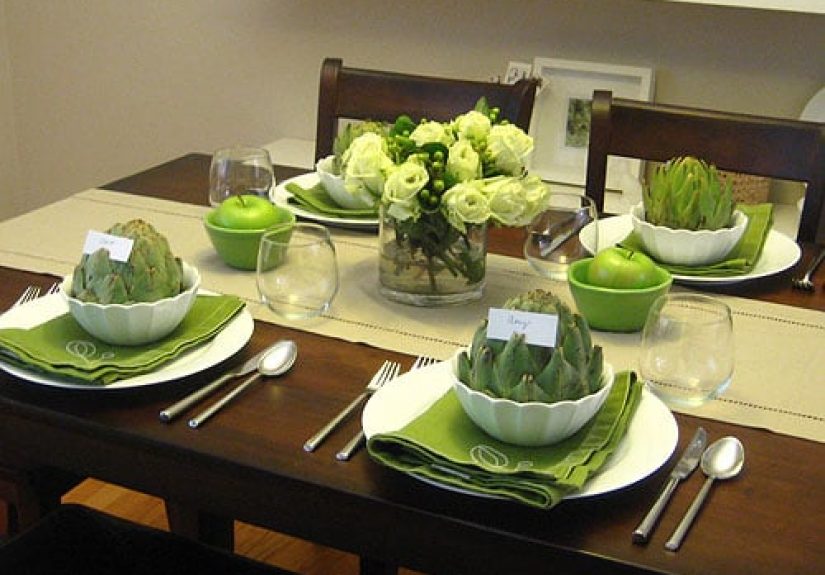
Before the flowers, candles, chargers, and dramatic linen napkins enter the chat, begin with the foundation: a clean, functional place setting. A classic dinner party table setting keeps everything where guests expect it to be. Forks go on the left side of the plate, knives and spoons go on the right, and the knife blade faces inward toward the plate. Glasses sit above the knife, generally on the upper-right side of the setting.
The golden rule is simple: place utensils in the order they will be used, working from the outside in. If salad comes first, the salad fork sits outside the dinner fork. If you are not serving soup, skip the soup spoon. Your table should not look like it is preparing for a silverware marathon.
How to make it dinner-party worthy
Use the basic setting as your layout, then add personality. Place a charger beneath the dinner plate for a layered look. Add a folded cloth napkin either on top of the plate or beneath the forks. If the meal has several courses, stack the salad plate over the dinner plate and place a small bread plate at the upper left. This makes the table look polished while keeping the setup useful.
For a relaxed dinner party, do not worry about creating a royal banquet arrangement. A dinner plate, fork, knife, spoon, water glass, and napkin are enough for most meals. The goal is confidence, not cutlery confusion.
2. Build a Layered Tablescape with Linens, Chargers, and Texture
Layering is one of the easiest ways to make a dinner party table feel designed rather than simply assembled five minutes before the doorbell rings. Think of your table like an outfit. The tablecloth or runner is the base layer, chargers are the structured jacket, plates are the main event, and napkins are the accessory that says, “I have taste and possibly own an iron.”
Start with one strong textile choice. A tablecloth creates softness and coverage, especially if your table has seen things: homework, craft glue, or that one hot pan you said would be fine. A runner gives a more casual look and works beautifully on wood tables. Placemats can define each seat and add texture without covering the entire surface.
Texture combinations that work
Try woven placemats with white dinnerware for a coastal or farmhouse-inspired table. Pair a linen runner with stoneware plates for a modern organic look. Use metallic chargers under simple plates for holiday dinners, anniversaries, or any occasion where you want the table to sparkle without requiring guests to wear sequins.
Texture keeps neutral color schemes from feeling flat. A beige table setting can look elegant when you mix linen, ceramic, wood, glass, and brushed metal. If you prefer color, pull two or three shades from your napkins, flowers, or tablecloth and repeat them across the table. Repetition makes the design feel intentional, even if your original design process was “I found these napkins in the drawer.”
3. Use a Low Centerpiece That Encourages Conversation
A centerpiece should impress guests, not block them from seeing each other. Nobody wants to spend dinner leaning around a giant floral arrangement like they are trying to spot a celebrity in a crowd. For dinner parties, low centerpieces are usually best because they add beauty without interrupting conversation.
Fresh flowers are always lovely, but they are not the only option. Try a row of bud vases, a bowl of seasonal fruit, small potted herbs, decorative branches, floating candles, or a cluster of low ceramic vessels. For fall, use pears, figs, pomegranates, eucalyptus, and amber glass. For summer, try peaches, lemons, herbs, and simple white flowers. For winter, greenery, pinecones, brass candleholders, and deep-colored napkins create warmth.
The centerpiece rule that saves the meal
Keep your centerpiece either low enough to see over or tall enough to see under. A long table often looks best with several small arrangements placed down the center rather than one giant arrangement in the middle. This creates rhythm and leaves room for serving dishes, bread baskets, wine bottles, and the extremely important butter dish.
If you are serving family-style, leave open space for platters. A beautiful table that has nowhere to put the roasted chicken is not a tablescape; it is a logistical prank.
4. Add Candlelight, but Choose It Wisely
Candles can turn an ordinary dinner table into a warm, glowing, “we should do this more often” kind of setting. They soften the room, flatter everyone’s face, and make even takeout noodles look suspiciously romantic. But candlelight needs a little strategy.
Use unscented candles at the dinner table. Scented candles may smell wonderful in the living room, but at dinner they can compete with the food. Your garlic roast chicken does not need to battle “Ocean Linen Vanilla Forest” for dominance.
Candle ideas for different dinner party styles
For an elegant dinner party table setting, use taper candles in slim holders. Place them in pairs or stagger them down the table for height and drama. For a casual gathering, use tea lights in glass votives. For a modern setting, try pillar candles in different heights, grouped on a tray or between low greenery.
Always consider safety. Keep flames away from tall flowers, loose napkins, and enthusiastic hand talkers. If your guest list includes children, pets, or Uncle Rob after his second glass of wine, flameless LED candles can still create atmosphere without turning dessert into an emergency drill.
5. Personalize Each Place Setting with Small Details
Personal touches make guests feel seen. You do not need engraved silver or custom porcelain plates. A handwritten place card, a sprig of rosemary tied to a napkin, a tiny menu card, or a small favor can make each seat feel special.
Place cards are especially useful for larger dinner parties because they remove the awkward “Where should I sit?” shuffle. They also allow you to plan conversation flow. Put your most talkative guests near quieter ones, separate people who debate everything, and keep couples close enough to feel comfortable but not so close they only talk to each other.
Simple personalization ideas
Write names on folded card stock and tuck them into napkin rings. Tie a name tag around a mini bottle of olive oil, a small jar of jam, or a wrapped cookie. For a garden dinner, place a fresh herb bundle at each plate. For a holiday party, use ornaments as place cards. For a birthday dinner, add a short note about why you appreciate each guest.
Personalization does not have to be expensive. In fact, handmade details often feel more charming than store-bought ones. A slightly imperfect handwritten card says, “I made this for you.” A printed label says, “My printer and I survived a minor battle.” Both can work.
6. Choose a Color Palette Before You Choose Decor
A cohesive color palette is the secret behind many beautiful dinner party table settings. It helps you shop smarter, decorate faster, and avoid the “everything cute came home with me” problem. Pick two or three main colors before setting the table. Then repeat those colors through linens, flowers, glassware, candles, and serving pieces.
For a timeless look, try white, cream, natural wood, and greenery. For a moody dinner party, use navy, burgundy, charcoal, or forest green with brass accents. For spring, combine soft blue, blush, ivory, and fresh flowers. For a coastal table, use white plates, blue linens, woven chargers, and clear glassware.
How to use color without overdoing it
If your dinnerware is colorful or patterned, keep the linens simple. If your tablecloth is bold, use neutral plates and clear glassware. Let one piece be the star. A floral tablecloth, colorful goblets, or patterned napkins can carry the whole design when the rest of the table supports it quietly.
Color also helps connect the table to the menu. A Mediterranean dinner might use blue, white, lemon yellow, and olive green. A rustic Italian night could lean into terracotta, cream, basil green, and deep red. A taco night can be bright and playful with woven textiles, colorful napkins, and small bowls of limes and salsa as edible decor.
7. Create a Casual Buffet or Family-Style Table Setting
Not every dinner party needs assigned seating and perfectly aligned forks. Some of the best gatherings are casual, flexible, and full of passing plates. A buffet or family-style table setting can still look beautiful while making the meal feel relaxed.
For buffet service, place plates at the beginning of the food station, followed by napkins and flatware at the end so guests do not have to juggle everything while serving themselves. Bundle utensils in napkins and place them in a basket, glass, or tray. Stack bowls, small plates, and extra napkins nearby for second helpings.
Family-style table setting tips
For family-style dining, keep the table decor slim and practical. Use a runner instead of a full centerpiece, then leave room for serving dishes. Choose low bowls, boards, and platters that look good on the table. A big salad in a beautiful bowl, bread on a wooden board, and roasted vegetables in a ceramic dish can become part of the tablescape.
This style works especially well for pasta nights, Sunday dinners, backyard parties, and holiday meals where seconds are not optional but emotionally necessary. It also encourages sharing, conversation, and the occasional polite battle over the last dinner roll.
Extra Tips for a Dinner Party Table That Feels Effortless
Set the table early. If possible, arrange the table the night before or the morning of the party. This gives you time to notice missing napkins, cloudy glasses, or the fact that you own seven matching forks and are hosting eight people. Early setup also makes the day of the party feel calmer.
Use what you already have. Mix-and-match plates can look stylish when tied together with consistent napkins or chargers. Different glassware can feel charming if the overall table palette is cohesive. A table does not need to be perfect to be beautiful. Sometimes the slightly collected look feels warmer than a table where everything came from the same box.
Think about comfort. Leave enough elbow room between place settings. Avoid centerpieces with strong scents. Make sure chairs are easy to pull out. Keep water within reach. A gorgeous table loses points if guests have to perform acrobatics to butter their bread.
Finally, match the table to the mood of the evening. A formal anniversary dinner can handle polished silverware and printed menus. A casual friends’ night might need colorful napkins, low candles, and a big platter in the center. The right dinner party table setting supports the gathering instead of overpowering it.
Real Hosting Experiences: What Actually Works at the Table
After enough dinner parties, you learn that the table setting is not just about style. It is about flow. One of the most useful experiences many hosts discover is that guests notice comfort before they notice perfection. A beautifully folded napkin is nice, but a table with enough room for elbows, water glasses, and serving dishes is even better. If the centerpiece is too large, people move it. If the candles are too scented, someone politely says, “What is that fragrance?” while quietly wondering why the salad tastes like sandalwood.
A practical host trick is to do a test seat before guests arrive. Sit down at one place setting and look across the table. Can you see the person opposite you? Can you reach your glass without knocking over a vase? Is the fork too close to the edge? This tiny rehearsal can prevent a surprising number of dinner-table annoyances. It may feel silly, but it is less silly than watching a guest accidentally launch a bread plate because the table was packed like a game of Tetris.
Another experience worth remembering is that guests love small personal details. A handwritten place card, even on simple paper, often gets more attention than expensive decor. People enjoy seeing their names. It makes the evening feel planned and generous. One charming idea is to write a tiny conversation prompt on the back of each place card, such as “best meal you ever had” or “most chaotic travel story.” It helps guests settle in, especially when not everyone knows each other.
Lighting also matters more than many hosts expect. Overhead lighting can make a dinner party feel like a meeting in a conference room. Soft lamps, taper candles, votives, or dimmed fixtures instantly make the room warmer. The food looks better, the table looks richer, and everyone appears slightly more rested than they probably are. That is hospitality magic.
One of the best lessons is to avoid trying a complicated table setup for the first time right before guests arrive. Practice fancy napkin folds earlier, not ten minutes before the doorbell rings. If you want to use a new tablecloth, check whether it needs steaming. If you are using borrowed chairs, test their height. A dinner party should not begin with you whispering, “Why is this chair so tiny?”
Finally, the most memorable tables are not always the most expensive. A bowl of lemons, clean white plates, cloth napkins, and a few candles can feel more inviting than a table overloaded with decor. Guests remember warmth, laughter, and whether they felt welcome. Your table setting is simply the opening scene. Make it thoughtful, make it comfortable, and leave enough space for dessert. Dessert always deserves space.
Conclusion
The best dinner party table setting ideas combine beauty, function, and personality. Start with the basics: plates centered, forks on the left, knives and spoons on the right, glasses above the knife, and only the utensils guests actually need. From there, build atmosphere with layered linens, low centerpieces, candlelight, color, and personal details.
A well-set dinner table does not have to be formal or expensive. It simply needs to feel intentional. Whether you choose a classic place setting, a colorful seasonal tablescape, a candlelit centerpiece, or a casual family-style arrangement, the goal is the same: make guests feel comfortable, welcome, and excited to stay for one more story after dinner.