Table of Contents >> Show >> Hide
- Why Backyard Lighting Matters More Than You Think
- 1. Hang String Lights for an Instant Backyard Glow-Up
- 2. Add Path Lights That Guide Guests Without Blinding Them
- 3. Use Uplighting to Show Off Trees, Plants, and Architecture
- 4. Install Deck, Step, and Stair Lights for Safer Evenings
- 5. Bring in Lanterns and Portable Lights for Flexible Ambiance
- 6. Create a “Moonlight” Effect with Downlighting
- 7. Mix Smart, Solar, and Motion-Sensor Lights for Convenience
- How to Make Your Backyard Lighting Look Better, Not Brighter
- Real Backyard Experiences: What These Lighting Ideas Feel Like in Everyday Life
- Conclusion
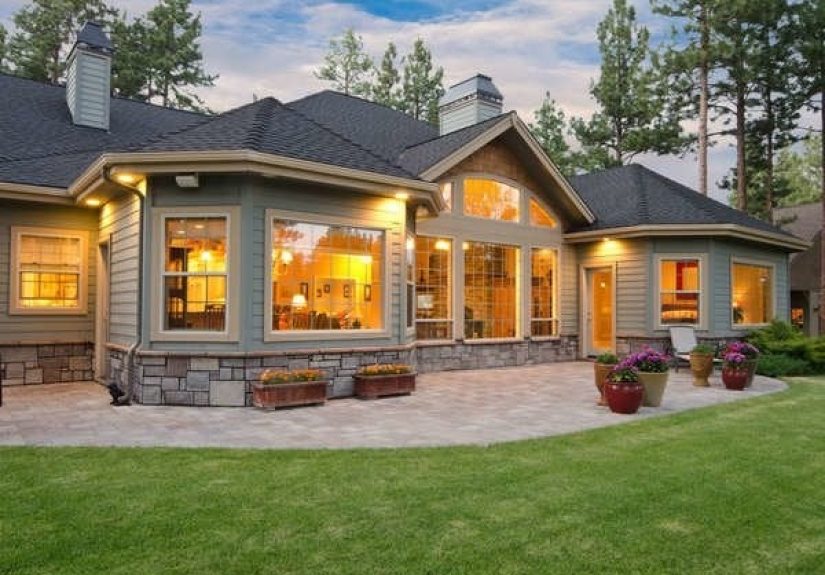
Your backyard should not turn into a black hole the second the sun clocks out. With the right outdoor lighting ideas, it can become an evening hangout, a cozy dinner spot, a safer walkway, and the kind of space that makes guests say, “Wait, why don’t we do this at my house?” Whether you have a tiny patio, a sprawling lawn, or a deck that has seen one too many folding chairs, smart backyard lighting can make it feel bigger, warmer, and more polished.
The trick is not to blast your yard with enough brightness to land airplanes. Great backyard lighting is all about balance. You want enough light for safety and function, enough glow for atmosphere, and enough style to make the space look intentional. The best setups mix practical fixtures with decorative ones, using layers to create depth instead of a flat, overlit scene.
Below are seven awesome outdoor lighting ideas for your backyard, along with tips on how to use each one, where it works best, and how to avoid the usual mistakes. Because yes, there is such a thing as too much string lighting. Shocking, but true.
Why Backyard Lighting Matters More Than You Think
Backyard lighting does more than make a patio look pretty in photos. It changes how you use the space. A dark yard tends to get ignored after sunset, while a well-lit one becomes an extension of your home. Suddenly, dinner drifts outside, conversations last longer, and even a quick trip to water the plants feels a little less like a horror movie opening scene.
Good lighting also improves safety. Illuminated steps, walkways, and changes in elevation help prevent trips and tumbles. Accent lighting can define zones, so a dining area feels separate from a fire pit lounge or garden path. And when your fixtures are chosen thoughtfully, they add curb appeal and value without requiring a total backyard makeover.
The smartest designs usually combine three goals: function, mood, and visual interest. If you keep those in mind, you can create a backyard lighting plan that works on a practical level and still feels warm, stylish, and relaxed.
1. Hang String Lights for an Instant Backyard Glow-Up
If outdoor lighting had a popularity contest, string lights would win by a landslide and then celebrate with iced tea under a pergola. They remain one of the easiest and most effective ways to add charm to a backyard, especially around patios, decks, pergolas, fences, or dining areas.
Why they work
String lights cast a soft overhead glow that makes the whole yard feel more welcoming. They are especially useful for entertaining because they create atmosphere without making people feel like they are sitting under a stadium spotlight. Bistro-style bulbs, globe lights, and warm white LED strands are all popular choices because they deliver ambiance and enough visibility for dining or relaxing.
Best places to use them
Run string lights above an outdoor dining table, between fence posts, across a pergola, or around the perimeter of a deck. In a small backyard, even one strand can define a seating area and make it feel like a destination instead of “those two chairs we put outside.”
Pro tip
Choose outdoor-rated, weather-resistant string lights and support them properly with guide wire, posts, or sturdy anchor points. Sagging lights may look casual, but there is a fine line between “charming” and “the backyard is tired.” Stick with warm bulbs for a cozy effect, and avoid overdoing it across every single surface.
2. Add Path Lights That Guide Guests Without Blinding Them
Path lights are the polite hosts of backyard lighting. They welcome people in, show them where to walk, and do not shout about it. These fixtures are ideal for lining garden paths, sidewalks, stepping-stone routes, and the edges of patios or driveways.
Why they work
Path lighting improves safety while giving the landscape structure after dark. Instead of a backyard becoming one giant shadow, these fixtures define movement and shape. They are especially helpful near uneven paving, raised beds, or transitions between lawn and hardscape.
How to place them
Space path lights evenly, but not like soldiers in a parade. Staggering them slightly can look more natural. The goal is to create pools of light that guide the eye and the feet. Too many fixtures packed too closely together can make a walkway feel busy and overlit.
Best fixture types
Low-voltage path lights are a favorite for reliable performance and a clean, professional look. Solar path lights can work well in sunny locations and are easier to install, especially for DIY projects. Choose designs with shields or diffusers so the light is directed downward instead of straight into people’s eyeballs.
3. Use Uplighting to Show Off Trees, Plants, and Architecture
If your backyard has mature trees, a stone wall, a pergola, or even one very dramatic ornamental grass, uplighting can turn it into a nighttime feature. This technique uses spotlights or well lights positioned near the ground and aimed upward to highlight texture, height, and shape.
Why they work
Uplighting creates depth. During the day, your backyard’s personality comes from plants, structures, and materials. At night, those details disappear unless you deliberately bring them back into view. A spotlight at the base of a tree can emphasize branching patterns, while a subtle beam on a wall or fence adds richness and dimension.
Where it shines
Try uplighting at the base of specimen trees, large shrubs, garden sculptures, retaining walls, or architectural elements near the patio. Even one or two strategically placed fixtures can dramatically upgrade the look of a backyard.
Keep it tasteful
Use restraint. Uplighting should accent, not interrogate. A softer effect usually looks more elegant than a harsh, bright beam. Aim carefully, avoid spillover into neighbors’ windows, and choose warm color temperatures for a more natural nighttime appearance.
4. Install Deck, Step, and Stair Lights for Safer Evenings
Nothing ruins a lovely outdoor dinner faster than someone missing a step while carrying a plate of burgers. Deck lights, stair lights, and step lights add an important layer of safety while also making the whole space look more finished.
Why they work
These fixtures illuminate the places where accidents are most likely to happen: steps, level changes, railings, and deck edges. They provide gentle task lighting exactly where it is needed, which is much more useful than relying on one overhead light to do everything.
How to use them
Recessed deck lights can be built into stair risers, posts, or deck boards. Surface-mounted options are available for simpler retrofits. On patios with steps, small integrated lights can define each tread and make evening traffic smoother and safer.
Style bonus
Step lighting creates a polished, high-end look. It is subtle, architectural, and practical. In other words, it is the grown-up of backyard lighting. Pair it with string lights or lanterns to balance function with warmth.
5. Bring in Lanterns and Portable Lights for Flexible Ambiance
Not every backyard lighting idea needs to involve wiring, transformers, or a weekend of digging trenches. Lanterns, rechargeable table lamps, and portable outdoor lights are perfect for adding glow exactly where you need it, exactly when you need it.
Why they work
Portable lighting adds intimacy. It works especially well on dining tables, side tables near lounge chairs, and corners of the yard that need a little extra charm. These fixtures are also useful for renters, small patios, or anyone who likes the option to rearrange the setup without calling an electrician.
Where to use them
Set lanterns near a fire pit, place portable lamps on an outdoor dining table, or cluster a few battery-operated candles on a coffee table for a layered glow. On nights when you are entertaining, these smaller light sources make the space feel more personal and less like a backyard trying too hard.
Safety note
Flameless candles are often the smarter choice outdoors, especially around kids, pets, or wooden decking. You still get the warm flicker effect without wondering whether your decor is about to become a news story.
6. Create a “Moonlight” Effect with Downlighting
Downlighting, sometimes called moonlighting, is one of the most sophisticated outdoor lighting ideas for a backyard. Instead of placing fixtures low to the ground, you mount them high in a tree, pergola, or structure and direct the light downward. The effect mimics soft natural moonlight filtering through branches.
Why they work
Downlighting feels subtle and elegant. It washes larger areas with a gentle glow, which is perfect for lounge spaces, patios, or garden beds. Unlike harsh floodlighting, it creates atmosphere while still helping people see where they are going.
Where to use them
If you have mature trees near a seating area, a softly aimed downlight can create beautiful dappled shadows on the ground below. Pergolas and overhead beams can also support fixtures that cast light over outdoor dining zones or pathways.
Why designers love it
It feels natural, not forced. Moonlighting adds drama without looking flashy, which is exactly why it is so effective. If your goal is a backyard that feels calm, expensive, and slightly magical, this technique deserves a serious look.
7. Mix Smart, Solar, and Motion-Sensor Lights for Convenience
The best backyard lighting ideas are not just beautiful; they are easy to live with. That is where smart lights, solar fixtures, and motion-sensor lighting come in. These options can save energy, improve convenience, and make the yard more functional without sacrificing style.
Smart outdoor lighting
Smart lighting systems let you control brightness, schedules, and sometimes even color from an app or voice assistant. That means your patio lights can switch on automatically at sunset, or your accent lights can dim once the party moves indoors. It is a small luxury that quickly feels very normal.
Solar lighting
Solar lights are ideal for places where wiring would be a hassle. They work especially well for path lights, small accent lights, and decorative fixtures in sunny locations. The key is choosing better-quality models and placing them where they receive enough sunlight during the day.
Motion-sensor lighting
Motion sensors are useful near gates, side yards, back doors, and darker corners where you want security and convenience. The smartest approach is to use them as part of a layered plan rather than making them the only lighting in the yard. Surprise floodlighting every time the dog sneezes is not exactly relaxing.
How to Make Your Backyard Lighting Look Better, Not Brighter
One of the biggest mistakes homeowners make is assuming more light automatically means better light. It usually does not. A beautifully lit backyard relies on contrast, direction, and purpose. Instead of flooding every inch of the yard, choose key areas to illuminate: where people walk, where they gather, and what you want them to notice.
Warm white bulbs often create a more comfortable outdoor atmosphere than cool blue-toned light. Shielded fixtures help reduce glare and keep light where it belongs. Layering also matters: combine overhead glow, low path lighting, accent lighting, and portable light sources so the yard feels dimensional and inviting.
And please, for the love of good taste, test your lighting at night before calling the job done. What looks subtle at noon on the box may look like a spaceship landing once the sun goes down.
Real Backyard Experiences: What These Lighting Ideas Feel Like in Everyday Life
Here is the part people do not always mention in outdoor design articles: lighting changes behavior. A backyard with no lighting is a place you visit briefly. A backyard with the right lighting is a place you actually use. That difference shows up in everyday moments more than in dramatic before-and-after photos.
Take a simple patio with string lights overhead and a portable lamp on the table. During the day, it is just a patio. At night, it becomes the place where coffee stretches into conversation, where friends linger longer than planned, and where takeout somehow feels more special than it did in the kitchen. The glow softens everything, including the mood. Even a random Tuesday starts to feel a little like a vacation rental you are very pleased with.
Path lights create another kind of experience. They make a yard easier to move through without that awkward nighttime shuffle where everyone suddenly walks like they are crossing an ice rink. Guests know where to go. Kids can spot the edges of the path. You notice the garden beds instead of stumbling past them. In practical terms, that is safety. Emotionally, it also makes the space feel cared for.
Uplighting and downlighting bring in a quieter kind of magic. A tree that disappears after sunset becomes a sculptural focal point. A pergola turns into an outdoor ceiling. A fence no longer fades into darkness but adds texture and depth. These touches are subtle, but they make the yard feel finished in a way people often notice without immediately understanding why.
Deck and step lighting tends to earn appreciation after the first evening someone uses it. You carry a tray outside, walk down a step, and realize you are not guessing where the edge is. It is one of those improvements that feels almost boring until you live with it. Then it becomes completely non-negotiable.
Portable lanterns and battery-powered lights also have a way of surprising people. They are flexible, low-commitment, and oddly effective. One lantern next to a lounge chair can make a forgotten corner feel intentional. A pair of rechargeable table lamps can turn an ordinary outdoor dinner into a setting that feels curated instead of improvised.
And then there is the convenience factor. Smart timers, solar path lights, and motion-sensor fixtures remove friction. You do not have to remember to turn everything on. You do not have to rewire the whole yard to get a useful glow. You just step outside, and the space is ready for you. That ease is often what makes homeowners stick with a lighting setup long term.
In the end, the best outdoor lighting ideas are not just about bulbs and fixtures. They are about making your backyard more livable, more welcoming, and more memorable after dark. Good lighting does not scream for attention. It quietly makes everything else look better, including the people enjoying the space.
Conclusion
The best backyard lighting ideas balance beauty and function. String lights bring instant charm, path lights improve safety, uplighting adds drama, step lights protect high-traffic areas, lanterns offer flexibility, moonlighting creates elegance, and smart or solar fixtures make everything easier to manage. Used together, these layers can transform an underused yard into a comfortable outdoor room that feels just as inviting at night as it does during the day.
You do not need a massive renovation to make a big impact. Start with one zone, one purpose, and one mood. Light the dining area. Define the walkway. Highlight the tree you love. When each light has a job to do, the whole backyard looks more intentional and more enjoyable. And that is really the goal: a yard that works hard, looks great, and lets you stay outside just a little longer.