Table of Contents >> Show >> Hide
- Why dishwasher settings matter more than people think
- 5 dishwasher settings you should be using
- 1. Normal Wash: the everyday hero you keep ignoring
- 2. Auto or Sensor Wash: your best option when the load is mixed
- 3. Heavy or Pots & Pans: save it for the crusty stuff
- 4. Sanitize or Sani Rinse: perfect for the right moments, not every moment
- 5. Delicate, China, or Glass: because not everything should be pressure-washed
- 2 dishwasher settings to stop using as your default
- How to choose the best dishwasher setting for each load
- Small habits that make every dishwasher setting work better
- Final thoughts
- Extra experience and practical lessons from using these dishwasher settings in real life
Dishwashers are supposed to make life easier, yet plenty of us still treat the control panel like it is a slot machine. We tap whatever button looks familiar, hope for shiny plates, and then act surprised when a plastic lid comes out still wet enough to support marine life. The truth is, modern dishwasher settings are not just random labels designed to make your kitchen feel futuristic. They actually matter.
If you have been using the same cycle for every load since approximately the Obama administration, this is your sign to mix things up. Today’s machines are designed to adjust water, heat, and time based on what is inside. That means using the right dishwasher cycle can help you get cleaner dishes, fewer water spots, lower utility bills, and less temptation to stand at the sink muttering, “Fine, I’ll just wash it myself.”
Below are the five dishwasher settings worth using more often, plus two you should stop treating like everyday defaults. A quick note before we begin: cycle names vary by brand. One machine may say Auto, another says Sensor, and another sounds like it was named by a focus group. The idea is the same. Match the setting to the load, and your dishwasher will stop feeling like a moody roommate.
Why dishwasher settings matter more than people think
Most modern dishwashers are smarter than they get credit for. They are built to handle regular food soil, adjust wash times, and use water more efficiently than old-school hand-rinsing habits. That is why experts and manufacturers keep repeating the same message: scrape off large food bits, load properly, and let the machine do its job. In other words, stop auditioning for the role of “human pre-wash cycle.”
The best dishwasher settings are not always the fastest-looking ones. In fact, the cycle that feels boring is often the one that works best. Longer run times do not automatically mean wasted energy, either. Many efficient cycles take longer because they use water and heat more strategically. So yes, the dishwasher may take its sweet time, but it is doing actual work instead of just splashing your plates with lukewarm optimism.
5 dishwasher settings you should be using
1. Normal Wash: the everyday hero you keep ignoring
If your dishwasher has a Normal cycle, congratulations: you already own the setting you should probably be using most. Normal Wash is designed for typical daily loads like plates, bowls, glasses, mugs, and silverware with standard food residue. Think pasta sauce, sandwich crumbs, oatmeal leftovers, and the suspicious smear on a coffee cup that everyone pretends not to see.
A lot of people skip Normal because it sounds too basic. That is a mistake. On many machines, Normal is the cycle used for energy testing and everyday performance. It is built specifically to balance water use, cleaning power, and drying for average household dishwashing. Translation: it is not the backup singer. It is the lead vocalist.
Use it for weeknight dinner loads, family breakfast dishes, lunch containers, and most mixed loads that are not coated in baked-on lasagna cement. If your dishes usually come out clean, Normal is probably your best default setting. Not Quick. Not Heavy. Not the mysterious button you hit because it lights up nicely.
2. Auto or Sensor Wash: your best option when the load is mixed
The Auto or Sensor cycle is ideal when your dishwasher load is a little chaotic. Maybe you have cereal bowls, greasy dinner plates, two coffee mugs, a saucepan, and one child’s cup with the structural integrity of a science experiment. Auto is made for that.
This setting uses sensors to detect how dirty the water is and then adjusts the cycle time, water use, and sometimes temperature. That makes it a great choice when you are not quite sure how grimy the load really is. Some dishes may be lightly soiled, while others are clinging to old cheese like it is a personality trait. Sensor Wash can react to that in a way fixed cycles cannot.
Auto is especially useful after mixed meals, dinner parties, or holiday cooking when the dishwasher becomes a weird little museum of every food group. If you want a “set it and stop thinking about it” option that still feels smart, this is the one.
3. Heavy or Pots & Pans: save it for the crusty stuff
The Heavy, Pots & Pans, or similarly named cycle exists for a reason, and that reason is not Tuesday’s lightly used salad plates. This setting is meant for cookware, casserole dishes, baking pans, and items with dried-on, baked-on, or grease-heavy messes.
When you roast vegetables until they caramelize into a sticky sugar fossil, or bake macaroni and cheese until the corners become crunchy little monuments to dairy, Heavy is the cycle you want. It typically uses higher temperatures, stronger spray action, and longer wash times to break down stubborn residue.
Used correctly, Heavy can save you from unnecessary soaking and scrubbing. Used incorrectly on every load, it just wastes time and resources. Think of it like winter boots: essential during a blizzard, ridiculous for a walk to the mailbox in July.
4. Sanitize or Sani Rinse: perfect for the right moments, not every moment
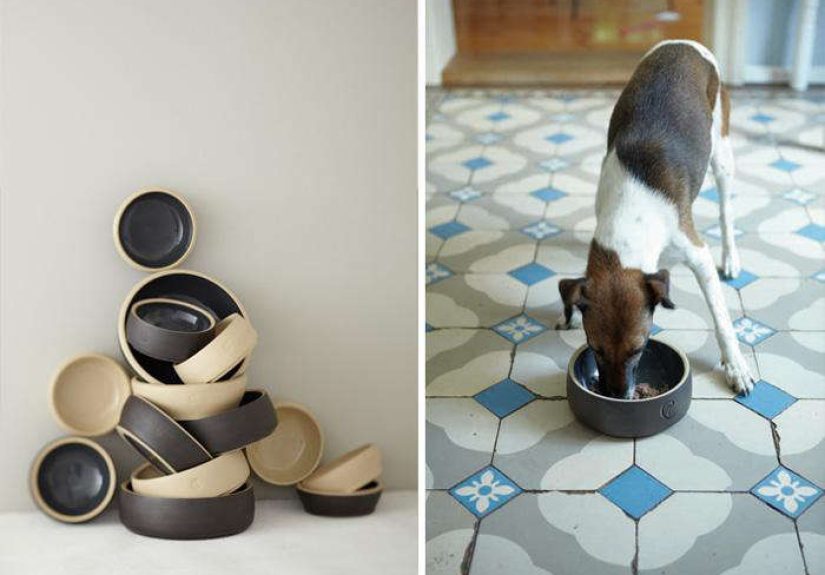
The Sanitize or Sani Rinse setting is one of the best dishwasher options when you need extra reassurance. It is especially helpful for dishwasher-safe baby bottles, cutting boards, pet bowls, and dishes used after someone in the house has been sick. Many sanitize cycles work by raising the final rinse temperature high enough to reduce bacteria significantly.
This setting is not necessary for every single fork you own. Your everyday plates do not require the same treatment as a cutting board that just hosted raw chicken. But when hygiene matters more than speed, Sanitize earns its place on the control panel.
It is also a good reminder that dishwasher settings should match the job. Sometimes you need clean. Sometimes you need extra clean. And sometimes you just need to feel emotionally stable again after cleaning up after a stomach bug. Sanitize is for those times.
5. Delicate, China, or Glass: because not everything should be pressure-washed
If you own wine glasses, fine china, thin ceramic dishes, or anything that makes you instinctively say, “Be careful with that,” the Delicate, China, or Glass cycle deserves more love. This setting usually uses gentler water pressure and lower temperatures to protect fragile items from clouding, chipping, or being knocked around.
Too many people throw delicate glassware into a stronger cycle and then wonder why it starts looking tired and cloudy. Your stemware is not asking for combat training. It is asking for a little finesse.
Use this cycle for entertaining pieces, glass dessert dishes, teacups, and lightly soiled fragile items. It is not built for lasagna pans or greasy skillets, and that is perfectly fine. A good dishwasher routine is not about one magical cycle that does everything. It is about choosing the right tool for the job.
2 dishwasher settings to stop using as your default
1. Stop defaulting to Quick Wash or 1-Hour Wash
Quick Wash, Express, or 1-Hour Wash sounds wonderful because, as a species, we adore the concept of fast results. Unfortunately, this setting is often overused. It is generally meant for lightly soiled dishes, not a full mixed load with dried oatmeal, greasy pans, and a mug with yesterday’s tea ring glued to the interior like a decorative border.
Quick cycles are handy when you need a fast turnaround, such as party glasses, recently used plates, or a half-load that is barely dirty. But when used on normal or heavily soiled dishes, they often leave behind residue or lead people to run items twice. That defeats the whole point.
In some models, quick cycles can also use more water or energy per hour to speed things up. So while the name sounds efficient, it is not always the smartest choice. Use it when the dishes are truly light-duty. Retire it from daily default status.
2. Stop treating Rinse Only or Pre-Rinse like a mandatory first step
The Rinse Only or Pre-Rinse setting has one legitimate job: holding dishes until you are ready to run a full load. That is it. It can be useful if dirty dishes are going to sit overnight and you want to reduce odor or prevent food from hardening into a medieval wall coating.
What it should not be is your everyday opening act before a real wash. Modern dishwashers and modern detergents are designed to handle regular food soil. If you pre-rinse everything, you waste water and may even make some sensor cycles less effective because the machine no longer detects enough mess to adjust properly.
So go ahead and scrape the big stuff into the trash or compost. Just do not give your dishes a full spa treatment before they enter the appliance literally designed to wash them.
How to choose the best dishwasher setting for each load
Here is the easiest rule of thumb. For everyday dishes, use Normal. For mixed or uncertain loads, use Auto or Sensor. For baked-on messes and cookware, use Heavy. For hygiene-sensitive items, use Sanitize. For fragile glasses and fine dishware, use Delicate.
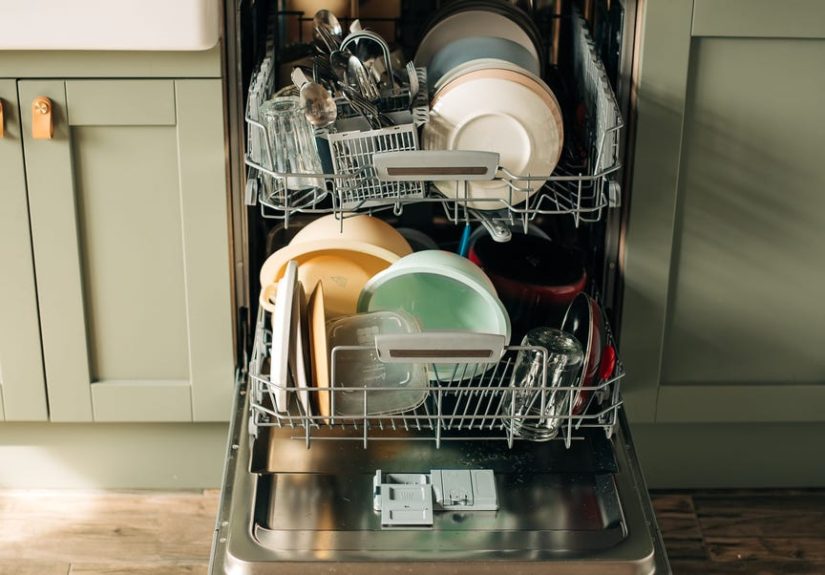
If drying is a constant struggle, check whether your machine also offers an air-dry, heated-dry, or auto-open drying feature, and make sure you are using rinse aid if your model recommends it. And if your dishwasher keeps disappointing you, the problem may not be the cycle at all. Overloading, blocked spray arms, old detergent, hard water, or a dirty filter can sabotage even the best settings.
Small habits that make every dishwasher setting work better
- Scrape food scraps instead of fully rinsing dishes.
- Do not overcrowd the racks. Water needs room to circulate.
- Point the dirtiest surfaces toward the spray.
- Clean the filter regularly if your model has one.
- Use fresh detergent and refill rinse aid when needed.
- Run full loads when possible for better efficiency.
These habits are not glamorous, but neither is rewashing a spoon. Tiny adjustments make a big difference.
Final thoughts
The best dishwasher settings are not necessarily the fanciest or fastest. They are the ones that match what you are actually washing. Use Normal more often. Trust Auto/Sensor when the load is mixed. Save Heavy for real messes, pull out Sanitize when hygiene matters, and remember Delicate exists for a reason. Meanwhile, stop leaning on Quick Wash for everything and stop using Rinse Only like your dishwasher needs a warm-up lap.
Your dishwasher is not lazy. It is just tired of being misunderstood.
Extra experience and practical lessons from using these dishwasher settings in real life
Living with a dishwasher for years teaches you something humbling: most disappointing loads are not the dishwasher’s fault. They are operator error dressed up as righteous frustration. I learned this the hard way after going through a long phase of using Quick Wash for nearly everything because I liked the sound of “done faster.” The results were predictable. Plates looked okay from a distance, but bowls still felt slick, spoons came out with mystery dots, and casserole dishes basically laughed at me. Once I switched to Normal for daily loads, the difference was immediate. The cycle took longer, sure, but the dishes came out genuinely clean instead of merely wet and optimistic.
Auto or Sensor Wash became the household peacekeeper during messy weeks. It worked especially well after nights when dinner was a mash-up of greasy pans, coffee mugs, snack bowls, and random meal-prep containers. Before that, I used to stand in front of the dishwasher like I was taking a standardized test. Is this load Normal dirty or Heavy dirty? Auto removed that drama. When the machine could make the judgment call, I stopped overthinking and started getting better results.
Heavy cycle earned my respect during holidays. The day after a big family meal is when cookware turns hostile. Roasting pans have burned edges, casserole dishes are wearing cheese like body armor, and someone always leaves mashed potatoes to dry into concrete. That is not a Quick Wash situation. Running Heavy on those items meant less soaking in the sink and less aggressive scrubbing with the kind of energy usually reserved for removing wall paint.
Sanitize turned out to be one of those settings you barely use until you really need it. After a household bug went around, suddenly it felt less like a bonus feature and more like a tiny act of emotional support. The same goes for baby items, pet bowls, and cutting boards after raw meat prep. You do not need it constantly, but it is a smart tool to have when the stakes feel higher than ordinary dinner cleanup.
Delicate cycle also saved a few favorite glasses from an early retirement. Fine glassware and thin ceramics do not love being blasted around with the same intensity as a soup pot. Once fragile pieces got their own gentler cycle, the clouding and small chips slowed down. That was a useful reminder that cleaning is not just about force. Sometimes the smartest setting is the one that backs off a little.
The biggest mindset change, though, was quitting the pre-rinse habit. For years it felt responsible, almost virtuous. In reality, it mostly meant doing half the dishwasher’s job by hand and wasting water before the machine even started. Scraping instead of rinsing was enough for almost every normal load. And once that habit disappeared, using Rinse Only became what it should have been all along: a rare holding pattern, not a compulsory opening ceremony.
If there is one practical lesson here, it is this: a dishwasher works best when you stop fighting its design. Choose cycles based on the mess, not your impatience. Use the strong settings strategically. Trust the boring setting more than your instincts. And when in doubt, remember this timeless kitchen truth: the plate does not care whether the cycle felt exciting. It just wants to come out clean.