Table of Contents >> Show >> Hide
- Why 3D-inspired tattoos are blowing up right now
- What actually makes a tattoo look 3D?
- 25 3D-inspired tattoo ideas that make the trend easy to love
- How to tell the difference between great 3D ink and expensive regret
- Aftercare: the least glamorous part of a glamorous tattoo
- Do 3D-inspired tattoos age well?
- Why this trend has staying power
- Experience: what living with a 3D-inspired tattoo actually feels like
- Conclusion
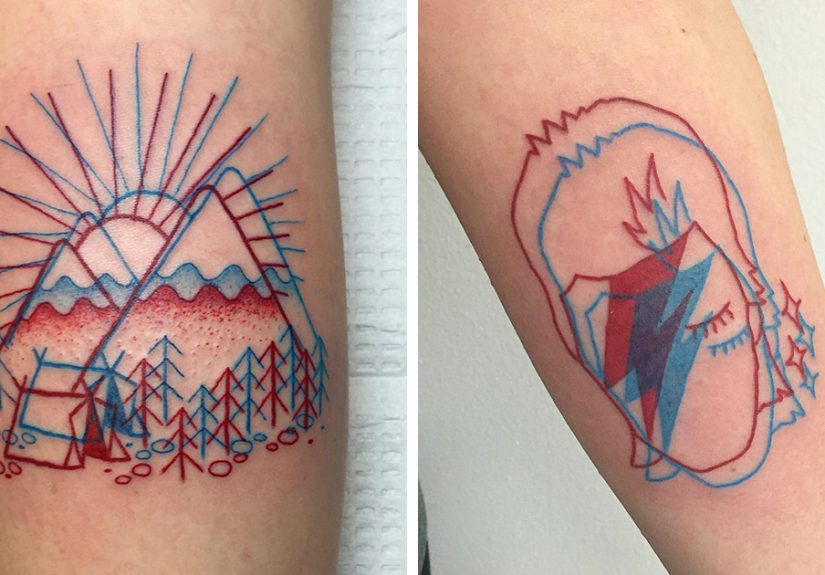
If tattoos have entered their illusion era, 3D-inspired tattoos are the reason. Scroll through any modern tattoo feed and you will quickly notice that flat designs are no longer the only stars of the show. Depth, dimension, shadow, texture, and optical trickery are having a serious moment. Whether it is a butterfly that looks like it just landed on a shoulder, a biomechanical design that seems to tear through skin, or a tiny realistic charm that appears to hover above the arm, 3D-inspired tattoos are turning skin into a stage.
What makes this trend especially fun is that it is not just one style. It lives inside several tattoo movements at once: realism tattoos, micro-realism tattoos, black-and-gray shading, color realism, and optical illusion tattoos. In other words, 3D-inspired ink is less a single trend and more a very clever visual strategy. The goal is simple: make people look twice, lean closer, and say, “Hold on… is that real?” That reaction is basically the tattoo equivalent of a standing ovation.
And no, this is not just social media hype dressed up with dramatic lighting. Artists today are pushing shading techniques, finer detail, body-aware placement, and custom storytelling harder than ever. Clients are also asking for tattoos that feel more personal, more cinematic, and more visually dynamic. Put those together, and you get a wave of tattoo art that feels alive, theatrical, and a little bit mischievous in the best way.
Why 3D-inspired tattoos are blowing up right now
The rise of 3D-inspired tattoos makes perfect sense when you look at where tattoo culture is heading. People are craving highly customized work. They want tattoos that feel less like generic flash and more like wearable art. At the same time, realism and micro-realism have become more visible, more refined, and more widely appreciated. Soft shading, tiny details, body-contouring placement, and emotionally specific designs are all trending, and 3D-inspired tattoos sit right at the intersection of all of them.
Social media also deserves a little blame here, lovingly. Tattoos that create the illusion of depth simply perform well on camera. A realistic scarab, a peeling sticker effect, or a cracked marble illusion pops instantly in a scroll-heavy environment. That does not mean the style is all gimmick and no substance. It means the style is highly visual, which is exactly why talented artists can use it to turn a simple concept into something unforgettable.
There is also a cultural shift happening. Tattoos are more mainstream, more visible, and more fashion-adjacent than they used to be. Clients are increasingly comfortable putting ink in noticeable places and choosing designs that feel bold rather than apologetic. A 3D-inspired tattoo fits that mood perfectly. It is expressive, conversation-starting, and impossible to confuse with boring.
What actually makes a tattoo look 3D?
1. Smart shading does the heavy lifting
The secret sauce is shading. Artists use gradients, contrast, and directional shadow to mimic the way light naturally hits an object. A soft shadow under a ladybug can make it look perched on skin. A dark inner edge around a “rip” in the design can make the tattoo look like it goes beneath the surface. Without great shading, a so-called 3D tattoo is just a regular tattoo with a big ego.
2. Contrast creates the illusion
Good 3D-inspired tattoos rely on contrast the way comedians rely on timing. Highlights next to dark shadow create the sense of form. Negative space helps define edges. Crisp lines in one area and softened transitions in another make the eye believe there is actual depth. The best work looks effortless, but it is carefully engineered.
3. Placement matters more than people think
A tattoo can be technically excellent and still lose some of its magic if it is placed poorly. Areas with natural muscle movement, curves, and bone structure can either enhance the illusion or fight it. A spider placed to “crawl” across the collarbone feels more alive than the same design awkwardly floating on a flat patch of skin. Great 3D tattooing is part drawing, part anatomy, part visual sorcery.
4. Color is optional, not required
Many people assume 3D tattoos must be full color, but black-and-gray work can be just as dimensional. In fact, some of the most convincing illusion tattoos use only grayscale and strategic highlights. Color can add realism, especially in insects, florals, jewels, or biomechanical designs, but it is not the ticket to depth by itself. Technique always wins.
5. Scale can make or break the effect
Tiny tattoos can absolutely look 3D, especially in the micro-realism world, but artists have less room for subtle transitions when the canvas is small. Larger pieces allow for more nuanced shading, more believable textures, and a stronger illusion overall. Translation: if you want your tattoo to look like it is levitating, do not force a masterpiece into the amount of space usually reserved for a postage stamp.
25 3D-inspired tattoo ideas that make the trend easy to love
- Butterfly with a cast shadow. A classic for a reason. Add realistic wing texture and a soft shadow, and it looks like it might fly off mid-conversation.
- Peeling sticker tattoo. Designed to look like a decal lifting off the skin, this one is playful, graphic, and wonderfully weird.
- Biomechanical rip-through effect. The skin looks “opened” to reveal wires, gears, or futuristic parts underneath. Subtle? No. Memorable? Absolutely.
- Floating gemstone. Faceted highlights and shadow work can make a jewel tattoo look like it is sitting on top of the body instead of inside it.
- Realistic scarab beetle. Tiny legs, reflective shell, dramatic shadow. This is the tattoo version of showing off.
- Spider crawling over bone. Equal parts creepy and technically impressive, especially on the hand, shoulder, or collarbone.
- Torn paper illusion. A tattoo that looks like ripped paper revealing another image underneath is clever and endlessly customizable.
- Broken marble fragment. Crack effects, texture, and shadow can make stone-inspired tattoos look tactile and rich.
- Mini portrait in micro-realism style. Pets, grandparents, favorite movie icons, all rendered with enough shading to feel almost photographic.
- Charm tattoo with metallic shine. Think tiny lockets, keys, or lucky trinkets that look like jewelry resting on skin.
- Snake wrapped around a limb. Curving placement adds motion and dimension naturally, which is why snake tattoos remain a visual power move.
- Moth with dusty wing texture. A moody cousin to the butterfly tattoo, ideal for black-and-gray lovers.
- 3D floral bloom. Layered petals and soft gradient shading can make roses, peonies, or lilies feel sculptural instead of flat.
- Holographic-style eye. A surreal tattoo that uses color shifts and reflective highlights to create a futuristic look.
- Dice or playing card illusion. Sharp edges and directional shadow make these gambling-inspired designs pop.
- Cracked porcelain tattoo. Beautifully eerie, especially when paired with blue-and-white ceramic details.
- Floating ribbon or bow. Fabric folds, shine, and shadow can turn a simple accessory into a visual flex.
- Insect wing fragment. Delicate, translucent, and surprisingly elegant when done by a strong realism artist.
- Embroidery-effect tattoo. Some artists make ink look stitched, textured, and raised, like a patch sewn into the skin.
- 3D heart locket. Nostalgic and dramatic, especially with metallic effects and a tiny reflected highlight.
- Glass bottle or potion vial. Transparency effects are difficult, which is exactly why they look so impressive when done well.
- Realistic animal eye. A wolf eye, cat eye, or raven detail can look uncannily alive with proper contrast.
- Skull with recessed shadows. Bone texture and deep shadow pockets make this a forever favorite in illusion-based tattooing.
- Floating feather. Light, soft, and elegant, with enough shadow to suggest it just landed there a second ago.
- Neo-surreal object mashup. Think an eyeball in a cherry, a melting clock, or a rose made of crystal. If it feels impossible, it probably belongs in this trend.
How to tell the difference between great 3D ink and expensive regret
Here is the golden rule: not every tattoo artist should do a 3D-inspired tattoo. This style asks for a specific skill set, and “I can try” is not the energy you want near your skin. Look for an artist whose portfolio shows healed realism work, smooth gradients, clean edges, and consistent shadows. Fresh tattoos can look dramatic right after the appointment, but healed photos tell the truth.
Pay attention to whether the artist understands depth or just copies references. The best 3D-inspired tattoos are designed for the body, not pasted onto it. Shadows should make sense. Placement should feel intentional. Details should be sharp without becoming cluttered. If every piece in the portfolio looks like it is fighting for its life under an Instagram filter, keep scrolling.
It is also smart to discuss longevity before you commit. Tiny details can blur over time if the design is too delicate, the placement gets heavy friction, or the contrast is too soft. A talented artist will tell you when your idea needs to be simplified, enlarged, or reworked. That honesty is a gift, not an insult.
Aftercare: the least glamorous part of a glamorous tattoo
Once your fresh tattoo is done, the real test begins: not messing it up. A 3D-inspired tattoo depends on clean healing because soft shadows, subtle highlights, and tiny details are part of the effect. Neglect the aftercare, and that crisp illusion can heal into something a lot less magical.
Basic tattoo aftercare is not complicated, but it does require discipline. Keep the area clean. Follow your artist’s instructions. Use gentle washing, light moisturizing, and avoid sun exposure while it heals. Do not soak it in pools, baths, or hot tubs right away, and try not to pick at flakes or scabs no matter how tempting your lizard brain finds it. Your tattoo is healing, not auditioning to be exfoliated.
It is also worth knowing what can go wrong. Tattoo inks and broken skin can trigger allergic reactions, irritation, infection, or delayed skin problems in some people. If the tattoo becomes increasingly painful, develops significant swelling, drains pus, or you feel sick, that is not “part of the process.” That is your cue to talk to a medical professional. This is especially important with vivid pigments or if you have a history of sensitive skin, eczema, psoriasis, or allergies.
Sun protection matters too. Fresh tattoos and strong sunlight are a terrible duo, and even healed tattoos can fade faster without protection. If your goal is to keep that shadow effect crisp and the contrast dramatic, treat sunscreen like part of the art budget.
Do 3D-inspired tattoos age well?
They can age beautifully, but they are not magic tricks that stay frozen forever. Over time, all tattoos soften a bit. That is normal. The question is whether the design was built to age gracefully. Larger shapes, clear contrast, and thoughtful spacing tend to hold up better than ultra-fine detail packed too tightly together.
That does not mean you should avoid intricate work. It means you should match your concept to reality. A skilled artist can create a design that looks dimensional now and still reads clearly years later. Sometimes that means making the piece slightly bigger. Sometimes it means simplifying a texture. Sometimes it means saying no to your dream of a fully rendered dragon the size of a postage stamp. Growth is painful, but not as painful as a blurry dragon nugget.
Why this trend has staying power
Some tattoo trends flash across the internet and disappear the minute the algorithm gets bored. 3D-inspired tattoos feel different because they are rooted in fundamentals that have always mattered: great shading, strong design, emotional impact, and technical precision. They may evolve in style, from biomech to micro-realism to surreal sticker effects, but the love of depth and illusion is not going anywhere.
That is the real reason this trend is connecting. It offers drama without requiring chaos, artistry without losing personality, and a wide-open playground for both subtle and bold clients. Whether you want a tiny charm that looks touchable or a full illusion piece that makes strangers do a double take in line for coffee, 3D-inspired tattoos give the body a little theatrical flair. And honestly, your forearm deserves a main-character moment too.
Experience: what living with a 3D-inspired tattoo actually feels like
The experience of getting a 3D-inspired tattoo is usually more emotional than people expect. Before the appointment, most clients are excited about the concept itself. They have saved reference photos, zoomed in on shadows, argued with themselves about placement, and convinced their group chat that yes, a tiny beetle can absolutely be elegant. Then the consultation happens, and the fantasy becomes more technical. Suddenly you are discussing light source, skin tone, healed contrast, and whether the tattoo should “sit on top” of the skin or look like it is emerging from it. It feels part art class, part strategy meeting, part very stylish life decision.
Stencil day tends to be a reality check in the best possible way. Many people realize that 3D-inspired tattoos need more room than expected. The design that seemed tiny on a phone screen may need extra space so the shadows can breathe and the illusion can survive healing. This is often the moment when trust in the artist becomes everything. The clients who end up happiest are usually the ones who let the expert tweak the size, angle, or detail level instead of clinging to a screenshot like it is a sacred text.
During the tattoo session, the experience can be oddly fascinating. With many styles, the wow factor comes all at once at the end. With 3D-inspired tattoos, the illusion often builds in stages. First, it looks like a clean outline. Then shading goes in and the image starts to gain weight. Then the highlights arrive, and suddenly your brain does that funny little double take. People often describe the first mirror look as slightly surreal because the design feels less like decoration and more like an object that has landed on the body. A butterfly seems perched. A jewel seems reflective. A torn-paper edge looks almost touchable.
The healing phase is where patience gets tested. Because this style depends on smooth gradients and tiny visual cues, clients tend to watch it obsessively. Every flake looks dramatic. Every shiny patch feels suspicious. Every normal stage of healing can trigger a miniature panic spiral if you have never had realism work before. But once the surface settles, the tattoo usually softens into itself in a really satisfying way. Instead of looking loud all the time, it starts looking convincing. That is an important difference.
Long term, people with 3D-inspired tattoos often say the best part is the reaction. Not the “wow, cool tattoo” response, but the pause. The lean-in. The “wait, is that real?” moment. That is the magic of this style. It invites curiosity. It starts conversations. It rewards close attention. And for the wearer, it often becomes a reminder that a tattoo does not have to scream to be unforgettable. Sometimes it just has to whisper to the eye in exactly the right way.
Conclusion
3D-inspired tattoos are not just trendy because they look flashy in photos. They are resonating because they combine technical skill, visual drama, and personal storytelling in a way that feels modern and highly customizable. From micro-realism charms to full-scale optical illusion tattoos, the style gives artists more room to create dimension and gives clients more ways to wear something unforgettable. Choose the right artist, respect the aftercare, think about longevity, and this trend can become a piece of art that still looks clever long after internet trends have moved on to their next obsession.