Table of Contents >> Show >> Hide
Note: Original, publication-ready HTML body content in standard American English.
Your couch is not just a place to sit. It is the command center for movie marathons, accidental naps, dramatic snack balancing, and the occasional “I’m just resting my eyes” performance. In other words, the living room couch has a lot to do. The best ones make a room look polished while also surviving real life, which is a polite way of saying kids, pets, coffee, and people who insist on eating salsa near ivory upholstery.
If you are searching for living room couch ideas that feel stylish without turning your home into a museum, you are in the right place. The smartest sofa choices balance proportion, layout, comfort, texture, and durability. Some couches visually open a small room. Others anchor a big one. Some hide wear beautifully, while others act like sculptural statement pieces with cushions. Below are 38 couch ideas we genuinely love for the way they blend form and function without taking themselves too seriously.
How to Choose a Couch That Actually Works
Before you fall in love with a sofa because it looks gorgeous under perfect lighting on the internet, think about how your living room functions on a random Tuesday night. Do you sit upright and read? Do you sprawl like a starfish? Do you host guests often? Is your living room open to the kitchen? A beautiful couch that fights your lifestyle is just a very expensive disagreement.
Start with scale. A sofa should feel right for the room, not like it was dropped in by helicopter. Then think about silhouette. Slim arms and visible legs can make a room feel airier, while low, deep seating creates a more relaxed mood. Fabric matters too. If the couch is going to see heavy daily use, durable upholstery and easy-care finishes are your friends. And finally, remember layout. The couch should support conversation, circulation, and comfort, not block every pathway like a passive-aggressive bouncer.
38 Living Room Couch Ideas We Love
Layout and Space-Smart Couch Ideas
- Float the sofa away from the wall. Pulling a couch a few inches forward can make the room feel more intentional and designer-led. It also creates space for a slim console table, better lamp placement, and the magical illusion that your living room has its life together.
- Use a sectional to define an open floor plan. In open-concept homes, a sectional acts like a soft room divider. It carves out a living area without adding bulkier furniture or visual clutter.
- Try two sofas facing each other. This setup instantly creates a conversation zone and works beautifully in formal or elongated living rooms. It feels balanced, polished, and just a little bit “yes, we do host adults here.”
- Choose a loveseat plus two chairs for flexibility. A full-size sofa is not always the hero. In smaller rooms, a loveseat paired with accent chairs can deliver better traffic flow and more adaptable seating.
- Go L-shaped for family lounging. If your living room is the unofficial headquarters for TV nights and weekend naps, an L-shaped sectional earns its keep. It gives everyone a place to sit without a fight over the good cushion.
- Use a sofa with a chaise in a compact room. A chaise gives you that stretched-out comfort without the footprint of a giant sectional. It is a smart compromise for smaller living rooms that still want lounge energy.
- Pick a narrow-arm couch for tight spaces. Bulky arms waste precious inches. Narrow or track arms keep the profile sleek and maximize actual seating, which is what most people wanted all along.
- Let a curved sofa soften a boxy room. If your space has lots of straight lines, a curved couch breaks up the geometry and adds movement. It feels graceful, modern, and a little more custom than the average rectangular sofa.
- Use a backless daybed-style sofa in an open room. A lower, visually lighter piece can maintain sightlines while still offering seating. It works especially well in multipurpose spaces where you do not want one piece dominating everything.
- Pair the couch with a sofa table for extra function. A console behind the sofa gives you room for lighting, drinks, books, or baskets. It is the kind of practical detail that quietly makes a room work harder.
- Angle the sofa for a relaxed look. In some rooms, a slight diagonal placement creates a more casual and welcoming arrangement. It can also help redirect attention toward a fireplace, artwork, or view.
- Choose a modular sofa for flexibility. Modular seating is ideal if you like to rework your layout or expect your needs to change. It is also great for people who enjoy rearranging furniture as cardio.
- Use an apartment-size sofa without apology. Small-scale couches are not a compromise when chosen well. They can look chic, intentional, and more proportionate than an oversized sofa trying to swallow a tiny living room whole.
Style-Forward Couch Ideas
- Pick a low-profile couch for a modern look. Low silhouettes feel current, calm, and visually uncluttered. They help rooms appear larger and make tall artwork or statement lighting stand out even more.
- Choose a camel leather sofa for timeless warmth. Leather adds character fast. A warm camel or cognac tone works with modern, rustic, transitional, and even coastal spaces without looking like it is trying too hard.
- Go for a white sofa if your room needs brightness. A crisp white couch can make a living room feel fresh and open. The trick is balancing it with wood, texture, and enough practical sense to choose washable or durable upholstery.
- Try a green sofa for grounded color. Olive, sage, and deeper forest tones feel rich without becoming shouty. Green behaves almost like a neutral, but with more personality and less boredom.
- Use a blue couch for classic versatility. Navy, slate, and dusty blue sofas play well with brass, black, wood, cream, and patterned textiles. It is a reliable color choice that still feels elevated.
- Make a statement with rust or terracotta upholstery. Warm earthy shades bring energy to a neutral room and feel especially good with linen curtains, natural wood, and woven textures.
- Choose bouclé for texture-rich softness. If you want the room to feel cozy on sight alone, bouclé gets the job done. It adds dimension even in neutral palettes and makes a sofa feel more sculptural.
- Use velvet when you want quiet drama. Velvet catches light beautifully and adds depth to jewel tones, earth tones, and sophisticated neutrals. It says “grown-up living room” without needing a speech.
- Try a skirted sofa for softness and hidden storage vibes. A skirted couch feels tailored and relaxed at the same time. It also hides the visual mess underneath, which is useful when dust bunnies are feeling ambitious.
- Pick a bench-seat cushion for a cleaner look. One long seat cushion often feels more modern and less fussy than multiple seat cushions. It also prevents the dreaded middle crack that somehow finds everyone.
- Use tufting sparingly for character. Tufted details can add charm and traditional structure, but the key is moderation. A little goes a long way before the sofa starts auditioning for a costume drama.
- Choose exposed wood details for warmth. Wood frames or trim can make a couch feel more crafted and less generic. They work especially well in midcentury, organic modern, or relaxed traditional spaces.
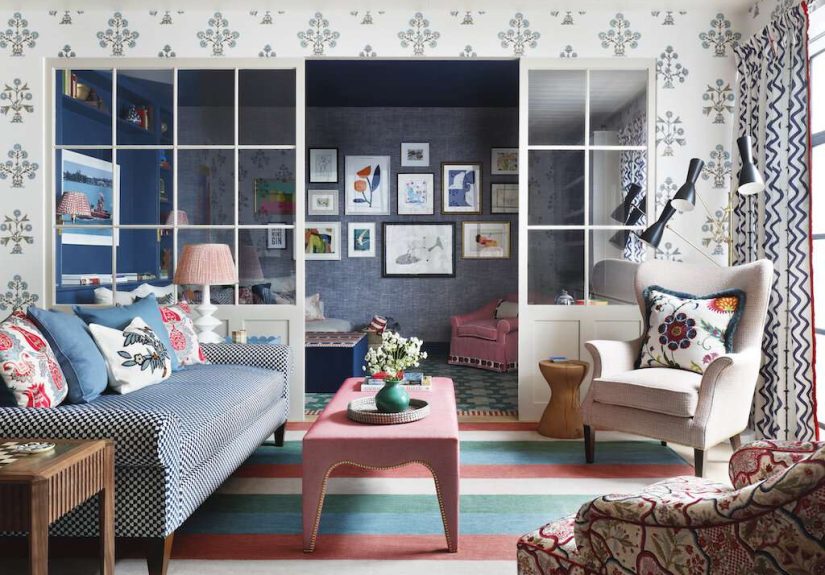
- Try a patterned sofa in a simple room. If the rest of the room is quiet, a subtle stripe, grid, or soft floral sofa can become the star. It adds personality while hiding wear more cleverly than a flat solid.
Function-First Couch Ideas
- Choose performance fabric for busy households. When life includes pets, children, guests, or your own questionable coffee habits, high-performing upholstery makes a huge difference in maintenance and peace of mind.
- Pick a sleeper sofa for guest-ready living rooms. A good sleeper lets one room do double duty without broadcasting “temporary bed situation” to the entire house.
- Use stain-hiding midtones instead of pure beige. Mushroom, taupe, olive, charcoal, and heathered tones are practical heroes. They still look refined while being more forgiving than pale, high-drama upholstery.
- Choose removable cushion covers if possible. Being able to clean or refresh covers makes a couch far easier to live with over time. That is not glamorous advice, but it is excellent advice.
- Look for a sofa with supportive seat depth. Deep seats are great for lounging, but not every household wants to disappear into the cushions. Pick depth based on how you actually sit, not how a showroom makes you feel.
- Use a firmer sofa in multipurpose rooms. If the living room doubles as a reading room, homework zone, or conversation space, a slightly more supportive seat often works better than a sink-right-in cloud.
- Pair the couch with ottomans instead of a huge coffee table. Ottomans offer footrest comfort, extra seating, and softer edges. They are especially smart in family rooms where hard corners are not exactly beloved.
- Add storage nearby instead of over-accessorizing the sofa. A couch looks better when it is not buried under ten pillows and three blankets. Use baskets, side tables, or nearby cabinetry to carry the practical load.
- Choose visible legs to make the room feel lighter. Sofas raised on legs reveal more floor area, which helps compact rooms feel bigger. It is a small visual trick with a surprisingly big payoff.
- Use a recliner sofa only if it is visually streamlined. Comfort matters, but there are sleeker options now that do not look like they belong in a basement sports cave. Function does not have to forfeit style.
- Anchor a large room with an oversized sofa and secondary seating. In expansive living rooms, one undersized couch can look lost. A substantial sofa paired with chairs or poufs creates a fuller, more welcoming arrangement.
- Make the sofa the starting point for the room palette. Instead of treating the couch like a necessary neutral blob, use its fabric, tone, or silhouette as the design anchor. The rest of the room will feel more cohesive and less random.
How to Style Your Couch Without Making It Look Overworked
The best living room couch ideas do not end with buying the right sofa. Styling matters. Start with pillows, but do not treat them like a competitive sport. Two to five pillows is usually enough, depending on the sofa size. Mix texture before you mix loud patterns, and keep at least one color tying the arrangement together.
A throw blanket should look casual, not like it was folded by an anxious hotel manager. Drape it over one corner or layer it in a basket nearby. Add a floor lamp, a side table within reach, and a rug large enough to connect the seating area. Artwork above the sofa should feel proportional, not like a tiny postage stamp floating in emotional distress. And if the room still feels flat, bring in contrast with wood, metal, greenery, or woven accents rather than piling more stuff onto the couch itself.
The Real Secret to a Great Living Room Couch
It is not just about looks. A great couch supports the way your home feels and functions every day. It welcomes people in, helps define the room, and quietly handles everything from work calls to weekend naps. Style matters, of course, but function is what keeps a sofa lovable after the novelty wears off.
If you are choosing between a trendy couch and one that genuinely fits your room and routines, pick the one that works. The best living room couch ideas are the ones you can actually live with. Preferably while holding a blanket, a book, and a snack you probably should not be balancing on the armrest.
Real-Life Experiences With Living Room Couches That Taught Us a Lot
There is a funny thing that happens when people shop for a couch: they imagine their best possible selves. Suddenly everyone thinks they host elegant gatherings, sit perfectly upright, and never spill anything stronger than sparkling water. Then the couch arrives, and reality moves in with pizza, pets, and family members who somehow always choose the lightest seat cushion.
One of the most common lessons from real living rooms is that scale changes everything. A sofa that looked balanced in a showroom can feel enormous once it enters an apartment with standard ceilings, a narrow hallway, and a coffee table that now seems personally offended. On the flip side, a sofa that felt modest in the store can look lost in a bigger room unless it is grounded with chairs, a rug, and enough visual weight around it. That is why people who measure carefully tend to be happier than people who shop with pure optimism and vibes.
Another experience that repeats itself often is the fabric regret story. It usually begins with a beautiful pale sofa, continues with a confident declaration that “we’ll be careful,” and ends with someone frantically blotting a mystery stain while pretending not to panic. This does not mean you cannot have a light couch. It just means practical details matter more than people want to admit. Texture, washability, color variation, and durability are not boring technicalities. They are the difference between a sofa you enjoy and a sofa you guard like museum property.
Comfort is also more personal than shoppers expect. Some people fall in love with deep, sink-in seating until they realize they cannot get up without launching themselves forward like a rocket. Others buy a firm, tailored sofa and later wish it invited more lounging. The happiest outcomes usually happen when people are honest about their habits. If the couch is for reading, conversation, and daily use, support matters. If it is the family movie-night mothership, deeper seating may be worth every inch.
Layout teaches its own lessons too. Many homeowners assume the sofa has to face the television at all costs. But often the better arrangement is the one that improves conversation and movement through the room. Sometimes shifting a couch away from the wall, adding a chair across from it, or placing a console behind it suddenly makes the entire room feel calmer and more finished. It is less about following a formula and more about letting the sofa participate in the room instead of bossing it around.
And finally, the best couch experiences usually come from homes that embrace balance. They do not chase perfection. They choose a sofa that looks good, feels right, and works hard. Then they style it simply, live on it fully, and stop expecting one piece of furniture to solve every design problem in the house. Which, frankly, is unfair pressure for any couch.
Conclusion
The right couch can completely change a living room, but the smartest choices are never about appearance alone. When style, comfort, durability, and layout work together, the room feels effortless. That is the sweet spot: a sofa that looks beautiful in photos and still feels even better after a long, very real day.