Table of Contents >> Show >> Hide
- Why Shark Survival Starts Before the Shark Shows Up
- Way 1: Reduce the Odds Before an Attack Ever Begins
- Way 2: If a Shark Is Near, Stay Calm and Fight Smart
- Way 3: Survive the Aftermath by Treating It as a Bleeding Emergency
- Common Mistakes That Make Shark Encounters Worse
- What Actually Works Best in a Real Emergency?
- Experience-Based Section: What a Shark Emergency Often Feels Like
- Final Thoughts
- SEO Tags
Let’s begin with the most important truth: a shark attack is rare. Very rare. Your odds of needing this article are low, and that is excellent news for both you and your beach plans. Still, rare does not mean impossible, and if you spend time swimming, surfing, snorkeling, or pretending you are in a nature documentary, it helps to know what to do if a shark encounter goes from “wow” to “nope.”
This guide breaks shark attack survival into three practical stages: how to reduce your risk before anything happens, how to react if a shark is close, and how to survive the crucial minutes after a bite. That last part matters more than many people realize. In many serious cases, survival comes down not to superhero uppercuts underwater, but to fast, calm decisions and immediate bleeding control once the person is out of the water.
So yes, we are talking about how to survive a shark attack. But we are also talking about shark safety, ocean awareness, and the kind of no-drama decision-making that saves lives. Think of it as beach wisdom with a pulse.
Why Shark Survival Starts Before the Shark Shows Up
When people imagine a shark attack, they often picture a sudden blur, a dramatic soundtrack, and a heroic battle scene. Real life is less cinematic and more practical. The biggest advantage you can create is lowering the chances of an encounter in the first place. Sharks are wild animals responding to water conditions, prey, movement, scent, visibility, and opportunity. If you make yourself harder to mistake for prey and easier for rescuers to reach, you immediately improve your odds.
That is why the best survival strategy starts long before any dorsal fin appears. It starts with where you swim, when you swim, who you swim with, and whether you are making the ocean look like an all-you-can-eat buffet.
Way 1: Reduce the Odds Before an Attack Ever Begins
Swim smart, not solo
One of the most repeated pieces of shark safety advice is to stay in groups. Solitary swimmers, paddlers, and surfers are simply more exposed. A group is easier for lifeguards and other beachgoers to spot, and it is less likely to resemble an isolated animal moving through the water. Translation: bring friends, not just for sunscreen assistance, but for survival math.
Stay close to shore and near lifeguards
If something goes wrong, distance becomes the enemy. The farther out you are, the longer it takes to get out of the water, get help, and stop bleeding. Staying closer to shore gives you a shorter escape route and makes it easier for rescuers to reach you quickly. A lifeguarded beach is even better because trained help beats panicked guessing every time.
Avoid the ocean’s sketchier conditions
Murky water, low visibility, schools of bait fish, seals, dead animals in the water, and fishing activity all raise the risk of a bad interaction. In those conditions, sharks may be feeding, investigating prey, or simply having a very different day than you are. If the water looks like nature is actively holding a predator meeting, do not RSVP.
Also use extra caution around dawn, dusk, and other low-light periods. That is when visibility drops, contrast increases, and animal behavior may make encounters more likely. Brightly colored or highly reflective gear can also draw unwanted attention, which is one more reason to leave the jewelry on the beach instead of accessorizing like a disco mullet.
Do not enter the water if you are bleeding
This one is simple and not negotiable. If you have an open wound, even a relatively small one, skip the swim. Sharks have highly developed sensory systems, and while movies exaggerate plenty, this is not the moment to test whether “it’s probably fine” is a scientific principle. It is not.
Be extra careful around fishing and spearfishing
Speared fish, bait, struggling prey, and fishing lines all create the kind of signals sharks pay attention to. If people are actively fishing or spearfishing nearby, give that area a wide berth. You do not want to be the confused extra in someone else’s food chain subplot.
Pay attention to warnings and weird animal behavior
Beach flags, shark advisories, lifeguard instructions, and local closures exist for a reason. So do the warning signs nature gives away for free. If fish are darting erratically, birds are diving frantically, seals are clustering, or other swimmers are leaving the water fast without stopping to explain themselves, take the hint. The ocean is rarely subtle when it is trying to ruin your afternoon.
Bottom line: the first way to survive a shark attack is to reduce the chance of needing to survive one at all. It may not sound glamorous, but prevention is undefeated.
Way 2: If a Shark Is Near, Stay Calm and Fight Smart
Do not splash into chaos mode
If you see a shark, the worst move is frantic thrashing. Panic creates erratic movement, and erratic movement can make you look more like distressed prey. Instead, try to keep the shark in view. Face it if you can. Move steadily and calmly toward shore, a boat, a board, or any solid exit. The goal is not to win an underwater duel. The goal is to stop being in the water.
If you are on a surfboard or paddleboard, stay on it if possible. A board makes you look larger, gives you separation from the water, and can serve as a barrier if the shark gets close. In many encounters, anything that helps you stay elevated and controlled is a major advantage.
Do not turn your back if the shark is circling
Sharks sometimes investigate before making contact. If one is circling or approaching, keep your eyes on it and try not to give it an easy angle. This is not because sharks are villains plotting strategy under the waves, but because predators often assess vulnerability. The less vulnerable you appear, the better.
If contact is imminent, get aggressive
This is where the advice gets blunt. If a shark is clearly attacking or trying to bite, defend yourself with everything you have. Do not play dead. Do not curl up and hope for emotional growth from the shark. Fight back.
Target the shark’s most sensitive areas: the eyes and gills. Those are widely considered the best points to strike because they are vulnerable and responsive. The snout can also be a target, but underwater punching is not exactly a power sport. A hard shove, jab, poke, or strike with an object may be more effective than a movie-style haymaker. Use whatever you have: fists, elbows, knees, fins, a camera, a speargun shaft, a board, or plain old stubbornness.
Create distance and get out
Your goal in fighting back is not domination. It is separation. The moment you create enough space, move toward safety as directly as possible. If the shark disengages, do not linger to process your character development arc. Exit the water immediately and alert others.
Make yourself difficult to bite
Use objects between you and the shark if you can. A surfboard, dive gear, or even your feet can act as a buffer. Bigger silhouette, more resistance, less easy target. Sharks do not usually want a complicated meal. Be complicated.
Bottom line: the second way to survive a shark attack is to replace panic with deliberate action: stay calm, keep the shark in sight, back out steadily, and fight hard at the eyes and gills if the encounter turns physical.
Way 3: Survive the Aftermath by Treating It as a Bleeding Emergency
Get out of the water first
If you have been bitten, the immediate priority is getting out of the water as quickly and calmly as possible. Sharks may not continue an encounter, but you cannot assume they are finished. Shore, boat, dock, rescue craft, anything solid and out of the water is step one.
Call for help immediately
Yell for help, signal lifeguards, and have someone call 911 or local emergency services right away. Shark bites are medical emergencies even when they look less severe than expected. Adrenaline can hide how serious the injury is, and ocean conditions do not exactly improve wound care.
Stop the bleeding fast
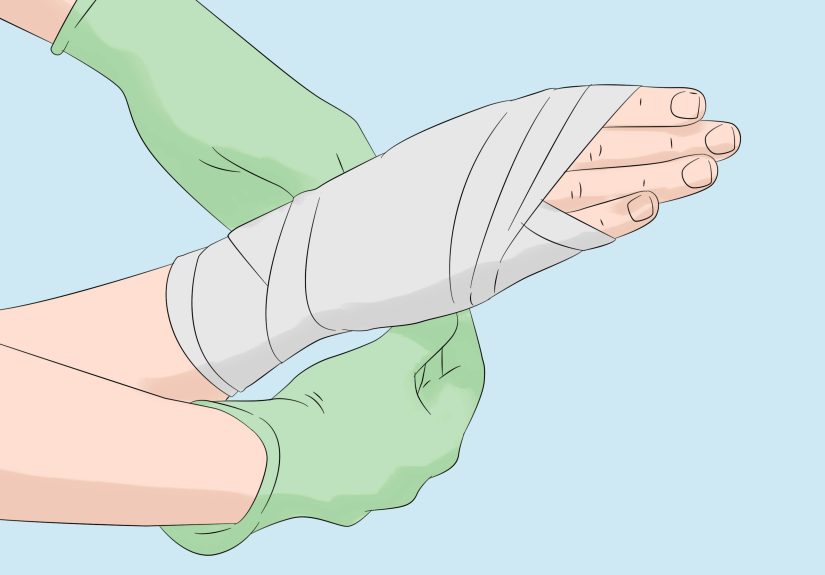
This is the part that saves lives. Apply firm, direct pressure to the wound with a clean cloth, towel, dressing, shirt, or whatever clean fabric is available. Keep pressure steady. Do not keep lifting the material to check dramatically every three seconds. Pressure works because it is continuous, not because it is theatrical.
If the bleeding is severe and coming from an arm or leg, a tourniquet may be necessary. If one is available and someone knows how to use it, apply it correctly above the wound on the limb. If no tourniquet is available, maintain strong direct pressure until trained responders arrive. If you have bleeding-control supplies, use them. If not, use clean fabric and determined hands.
Watch for shock
People who lose blood can become pale, weak, cold, confused, dizzy, or less responsive. Keep the injured person as still as possible, help them stay warm with a towel or blanket, and reassure them continuously. Calm matters. A frightened, injured person who thinks they are dying needs more than compression; they need someone speaking like the situation is urgent but manageable.
Do not underestimate infection or hidden damage
Even when bleeding seems controlled, puncture wounds and bite wounds can be deeper than they appear. Saltwater, debris, bacteria, and tissue damage all raise the stakes. Medical evaluation is essential. A person may need wound cleaning, stitches, imaging, antibiotics, tetanus protection, or surgical care. “Looks okay now” is not a discharge summary.
Know what not to do
Do not waste time with random beach myths. Do not pour mysterious liquids into the wound. Do not try to thoroughly scrub a severe wound at the beach while heavy bleeding continues. Do not remove large embedded objects. Do not give the injured person food or drink if emergency treatment is on the way. Prioritize pressure, warmth, reassurance, and rapid transport.
Bottom line: the third way to survive a shark attack is to survive the medical emergency that follows it. Fast bleeding control, quick rescue, and professional treatment matter enormously.
Common Mistakes That Make Shark Encounters Worse
- Panic-splashing: it wastes energy and can increase confusion.
- Swimming alone: fewer witnesses, less help, slower rescue.
- Ignoring local warnings: beach flags and lifeguards are not decorative.
- Staying in risky water: murky surf, bait fish, seals, and fishing zones are bad bets.
- Playing dead: this is not useful shark survival advice.
- Focusing only on the attack: many lives are saved or lost in the minutes after a bite because of bleeding control.
What Actually Works Best in a Real Emergency?
If you boil all shark attack survival advice down to one practical formula, it looks like this:
- Avoid high-risk conditions.
- Exit calmly if you spot a shark.
- Fight hard and smart if attacked.
- Control bleeding immediately once out of the water.
That is it. No gimmicks. No macho nonsense. No pretending the ocean owes you a warning shot. The best survival responses are calm, fast, and practical.
Experience-Based Section: What a Shark Emergency Often Feels Like
People who go through sudden ocean emergencies often describe the first few seconds as confusing rather than instantly clear. There may be a bump, a flash of movement, a hard hit, or the odd feeling that something is wrong before the brain fully catches up. In real life, the mind does not always announce, “Ah yes, a shark.” Sometimes it says, “What was that?” and then everything speeds up at once.
That is one reason preparation matters. In a high-stress moment, you usually do not rise to the level of your beach confidence. You fall to the level of your habits. A swimmer who already knows to stay calm, face the shark, and move steadily toward shore has a better chance of acting usefully. A surfer who has already thought, “If something happens, I stay on the board,” is less likely to abandon the one object helping them survive.
Rescuers and bystanders often describe another pattern: the injured person may not realize how serious the bite is at first. Adrenaline is a powerful chemical. It can keep someone moving, talking, or insisting they are fine even when they urgently need pressure on a wound and rapid transport. That is why experienced responders act first and debate later. Out of the water. Pressure on. Help coming. Hero speeches can wait.
There is also the emotional side. Ocean emergencies can leave people shaken long after the physical danger passes. Survivors may replay the event, become nervous around water, or feel strangely embarrassed by fear even though fear is a completely normal response to a predator with teeth and zero interest in your comfort. Recovery is not only physical. Sometimes the bravest thing after the hospital visit is getting back to a respectful, realistic relationship with the water.
For families and friends, the experience is intense too. The person on shore who spots the blood, the lifeguard sprinting with equipment, the stranger tearing off a shirt to use as a dressing, the friend trying to sound calm while calling emergency services, those moments become unforgettable. In many emergencies, survival becomes a team effort in seconds. Someone sees. Someone calls. Someone applies pressure. Someone keeps the victim talking. Ordinary people become very useful very fast.
And then there is the lesson many survivors, rescuers, and ocean professionals repeat afterward: respect the ocean, but do not surrender to mythology. Sharks are not movie monsters patrolling for humans. They are wild animals in their habitat. The goal is not panic or hatred. It is awareness. Good decisions. Quick action. Calm control when calm feels impossible. In that sense, surviving a shark attack is not about being fearless. It is about doing the next right thing while fear is sitting on your shoulder yelling unhelpful suggestions.
If there is a silver lining, it is this: the same habits that make shark encounters less likely also make the beach safer in general. Swim with others. Stay alert. Watch conditions. Respect warnings. Learn first aid. Know how to stop severe bleeding. Those are not just shark survival skills. They are smart human skills. Which is good, because humans, unlike sharks, are very often somewhere near the snacks.
Final Thoughts
So, what are the three best ways to survive a shark attack? First, avoid the conditions that make an attack more likely. Second, if a shark is near, stay calm, keep it in sight, and defend yourself aggressively if necessary. Third, once out of the water, treat the injury like the life-threatening bleeding emergency it may be.
That combination is not flashy, but it is grounded in real-world shark safety guidance. And if you remember nothing else, remember this: surviving the attack starts before the attack, and surviving the bite often depends on what happens in the first few minutes afterward.
In other words, beach brains beat beach bravado.