Table of Contents >> Show >> Hide
- First, a quick refresher: what does an allergy skin test actually measure?
- Way #1: Read it like a measuring game (controls + wheal size in millimeters)
- Way #2: Read it like a detective (match the test to your real-life symptoms)
- Way #3: Read it by test type (skin prick vs intradermal vs patchdifferent rules)
- Reading pitfalls that trip people up (even smart people)
- So… what should you do with your results?
- Extra: 3 Real-World Experiences That Make Results “Click” (About )
Allergy skin testing can feel a little like your immune system is taking a pop quiz… on your forearm.
You walk in, get tiny pokes, wait 15 minutes, and then everyone stares at your skin like it’s a
weather map. “Ooo, big bumpstorm warning!”
But here’s the twist: a skin test doesn’t simply stamp you ALLERGIC or NOT ALLERGIC.
It’s more like a well-designed clue. The trick is knowing how to read that clue correctly.
In this guide, you’ll learn three practical ways to interpret allergy skin test resultswhether you’re
looking at a classic skin prick test, an intradermal test, or (for a totally different kind of allergy mystery)
a patch test. You’ll also see specific examples, common “gotchas,” and how allergists translate bumps into a real plan.
First, a quick refresher: what does an allergy skin test actually measure?
Most “allergy skin tests” in an allergy clinic are designed to detect IgE-mediated sensitization
(think: allergic rhinitis, asthma triggers, some food allergies, venom allergy, and certain drug allergies).
When your skin has IgE antibodies that recognize an allergen, immune cells release histamine and other mediators,
creating a raised bump (wheal) and surrounding redness (flare).
These immediate-type tests are typically read quicklyoften within 15–20 minutes.
Patch testing, on the other hand, is used for allergic contact dermatitis (a delayed reaction),
and it’s read over days, not minutes.
With that in mind, let’s get to the “three ways” that make results easier to understand without turning you into
a full-time professional wheal-measurer.
Way #1: Read it like a measuring game (controls + wheal size in millimeters)
If you only learn one thing, learn this: skin test results are interpreted by comparing bumps to controls.
Not every bump is meaningful. Your skin can be dramatic. Controls keep it honest.
The two controls you should always look for
-
Positive control (histamine): This should create a bump. If it doesn’t, the test may be unreliable
(often because of medications like antihistamines). -
Negative control (saline or glycerin-containing diluent): This should create little to no bump.
If it makes a bump, your skin might be reactive in a nonspecific way, which can inflate “positives.”
How “positive” is often defined for a skin prick test
In many clinics, a skin prick test is considered positive when the wheal is about
3 mm larger than the negative control. The key is “larger than the negative control,” not just “any bump.”
The clinic measures the wheal with a ruler (in millimeters), not vibes.
Example: same allergen, different meaning
Imagine your results look like this (numbers are wheal sizes):
- Negative control: 1 mm
- Histamine (positive control): 6 mm
- Cat dander: 4 mm
The cat wheal is 4 mm, but the negative control is 1 mmso the difference is 3 mm. That’s commonly interpreted as
a positive skin prick test to cat. Now change one detail:
- Negative control: 3 mm (your skin is being extra)
- Histamine: 6 mm
- Cat dander: 4 mm
Now the cat wheal is only 1 mm larger than the negative control. That may be considered negative or equivocal,
depending on the clinic’s protocol. Same “4 mm” bumpcompletely different interpretationbecause the controls changed.
What about flare (redness)?
The flare often gets measured too, but wheal size is usually the star of the show because it’s more reproducible.
Redness can be influenced by pressure, skin tone variation, and how much you scratched when you swore you wouldn’t.
Pro tip: bigger wheal ≠ guaranteed “worse allergy”
Many reputable medical sources note that larger wheals often suggest greater sensitivity, but they do not automatically predict
how severe your symptoms will be in real life. Severity depends on your history, exposure dose, and your body’s overall reactivity.
In other words: your immune system is not a simple calculator.
Way #2: Read it like a detective (match the test to your real-life symptoms)
Skin testing is powerful, but it’s not a standalone verdict. The test shows sensitizationyour immune system
recognizes something. Clinical allergy is when that recognition actually translates to symptoms with real exposure.
That gap is where misinterpretations happen.
Ask three detective questions
-
Does the trigger match your timeline?
If you’re itchy and sneezy every April but your strongest positives are for molds that peak in late summer,
the results might be real sensitizationsbut not the main culprit. -
Does it match your environment?
A positive to cockroach allergen matters more if you live in an environment where exposure is plausible.
A positive to “horse” matters less if the closest horse to you is a cartoon sticker on a laptop. -
Do exposures consistently cause symptoms?
If you pet a cat and your eyes swell shut every time, a positive cat test supports the story.
If you’ve eaten shrimp for years with zero symptoms but you have a mild positive shrimp wheal,
that’s a “pause and interpret carefully” momentnot an automatic lifetime ban on shrimp.
Common reasons skin tests can mislead without context
-
False positives: You may be sensitized without clinical symptoms. Cross-reactivity (for example, between certain pollens and foods)
can also create positives that don’t always equal real reactions. -
False negatives: Medications (especially antihistamines) can suppress the histamine response and make the whole test look quieter than it should.
Some conditions and testing technique issues can also reduce responses. - “Positive” does not equal “anaphylaxis risk” by default: Risk evaluation is based heavily on reaction history, not bump size alone.
Example: food allergy testing (where context is everything)
Food allergy evaluation often combines your history with skin testing, blood IgE testing, and sometimes
supervised oral food challenges. A positive skin prick test to a food can mean you’re sensitized, but many
experts emphasize that testing must be interpreted alongside symptoms and exposure history to avoid overdiagnosis.
If you’ve had hives, vomiting, or breathing symptoms soon after eating a specific food, a positive test supports an IgE-mediated food allergy.
If you have no history of symptoms, a positive test might be incidental sensitizationor something that needs careful follow-up.
Way #3: Read it by test type (skin prick vs intradermal vs patchdifferent rules)
“Allergy skin test” is an umbrella term. Under it are different test types with different strengths,
different cutoffs, and different ways of being read.
1) Skin prick (or puncture/scratch) test: the classic 15-minute read
This is the most common test for environmental allergens (pollens, dust mites, pet dander, molds) and sometimes foods.
A tiny amount of allergen is introduced into the superficial skin layer. Reactions are typically assessed around
15–20 minutes after application. Wheal size is measured in millimeters and compared to controls.
How to read it: controls first, then wheal difference from negative control, then pattern with your symptom story.
2) Intradermal test: deeper placement, different thresholds, more sensitivity (and sometimes more false positives)
Intradermal testing places allergen slightly deeper (into the dermis). It’s often used when skin prick testing is negative
but clinical suspicion remains, or in specialized situations (such as certain venom or drug allergy evaluations).
Because it’s more sensitive, it can also be more prone to nonspecific positivesso interpretation is careful and protocol-driven.
How to read it: the clinic uses a defined “positive” threshold based on wheal diameter and comparison with controls,
but those numbers may differ from prick testing. Don’t copy-paste the “3 mm rule” to every intradermal scenario without context.
3) Patch test: the delayed-reaction cousin (read in days, graded by appearance)
Patch testing is not for sneezing or immediate hives. It’s for allergic contact dermatitisthe “my skin hates that shampoo/metal/fragrance”
situation. Allergens are applied under patches for about 48 hours, then the skin is checked after removal and again later
(often around 72–96 hours, sometimes even later) to catch delayed reactions.
How to read it: the clinician grades the reaction on a standardized scale (often variants of “doubtful,” “+,” “++,” “+++”)
depending on findings such as erythema, infiltration, papules, vesicles, or more intense blistering/spreading reactions.
This is why patch test photos can look like tiny square-shaped rashes rather than mosquito-bite bumps.
Reading pitfalls that trip people up (even smart people)
1) Medications can “mute” your results
Many clinics ask patients to stop certain antihistamines before testing because they can suppress the wheal-and-flare response.
Always follow your clinician’s instructionsespecially if you’re on medications you shouldn’t stop suddenly.
2) Skin conditions can interfere
Severe eczema, dermatographism (skin that welts easily from pressure), or recent sunburn can make results harder to interpret.
This is one reason allergists lean heavily on controls and, when needed, use alternate testing methods.
3) Technique matters more than people think
The device used, spacing of allergens, and timing of reading can affect wheal size.
That’s why allergy clinics use standardized approaches and don’t ask you to “just eyeball it in the mirror.”
So… what should you do with your results?
After your test, your allergist will usually combine:
- Your symptom pattern (what happens, when, and after what exposures)
- The size and pattern of skin test responses (with controls)
- Sometimes blood IgE testing (especially when skin testing is limited)
- Occasionally a supervised challenge test (for foods, when appropriate)
The outcome is ideally a real-world plan: targeted avoidance strategies, medication optimization,
andif you’re a good candidateallergen immunotherapy (allergy shots or related options) for certain triggers.
Important: If you have a history of severe reactions (trouble breathing, fainting, throat tightness, repetitive vomiting soon after exposure),
don’t treat this like a DIY science fair. Use your results as a discussion tool with a qualified clinician.
Extra: 3 Real-World Experiences That Make Results “Click” (About )
Sometimes the best way to understand skin test results is to see how they play out in normal lifewhere allergens don’t come labeled
and your nose doesn’t send polite calendar invites before it starts sneezing.
Experience #1: “My test was positive, but I feel fineam I doomed?”
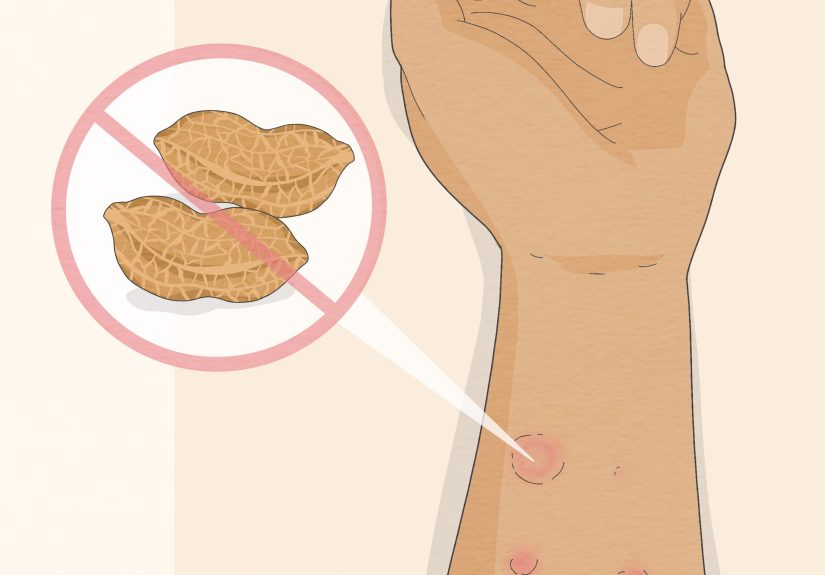
A college student gets tested because of constant springtime congestion. The skin prick test shows a big reaction to birch pollen and a smaller,
surprising reaction to peanut. Panic begins. The student immediately assumes peanut allergy and starts reading ingredient labels like they’re
studying for the bar exam.
Then the allergist asks the detective questions: “Have you eaten peanuts recently?” Yesweekly. “Any symptoms?” No. “Any itching in the mouth
when you eat certain raw fruits?” Actually… yes, with apples in spring.
The take-home lesson: a positive food test can reflect sensitization (sometimes cross-reactivity in pollen-food allergy syndrome) without matching
the student’s real-life reactions. The plan becomes: focus on the pollen triggers for the nasal symptoms, and don’t ban foods without clinical proof.
The skin test was still usefulit just needed context to prevent an unnecessary peanut exile.
Experience #2: “My negative control wasn’t negative”
A parent brings in a child with year-round itchy eyes. The test results show several mild positives. But the allergist notices the negative control
has a noticeable bump too. That’s the allergy-testing version of “your scale isn’t on zero.” If the baseline is artificially high, small allergen bumps
can look meaningful when they may not be.
The allergist repeats testing later under better conditions, reviews medication timing, and uses symptom history to prioritize likely culprits.
The final plan is narrower and more accurateless “avoid everything with oxygen,” more “let’s target dust mite control and confirm the big triggers.”
Experience #3: Patch testing solves the “mystery rash” that prick testing couldn’t
An adult has a persistent rash under a smartwatch band and around the neck after wearing certain jewelry. Skin prick testing for environmental allergens
is unremarkable, which is frustrating until someone asks the right question: “Does this happen hours to days after contact?”
Patch testing reveals a strong reaction to a metal allergen (like nickel) and a fragrance ingredient found in a favorite lotion. The patient finally has a
clear explanation that fits the timing and the location of the rash. The treatment becomes practical: swap the band material, avoid specific product ingredients,
and reduce flare-ups without guessing.
The common thread in all three experiences is the same: reading allergy skin test results works best when you combine measurements, controls,
test type, and lived reality. The bumps provide data. Your history provides meaning. Together, they produce a plan that actually improves your life
not just your knowledge of millimeters.