Table of Contents >> Show >> Hide
- Why You Should Pit Dates Before Using Them
- Before You Start: Pick the Right Dates
- Method 1: The Hand-Split Method
- Method 2: The Chopstick or Straw Push Method
- Method 3: The Date Pitter or Cherry Pitter Method
- Which Pitting Method Is Best?
- How to Pit Dates for Specific Recipes
- Common Mistakes When Pitting Dates
- How to Store Pitted Dates
- Recipe Ideas After You Pit Dates
- My Extra Experience: What Pitting Dates Teaches You in the Kitchen
- Conclusion
Dates are tiny caramel-flavored treasures wrapped in wrinkly little jackets, and they have one small catch: the pit. If you have ever bitten into a whole date without checking first, you already know that the pit is not a cute surprise. It is hard, sneaky, and absolutely not invited to the smoothie party.
Learning how to pit dates is one of those simple kitchen skills that makes a surprising difference. Once the pits are gone, dates can become stuffed appetizers, chopped baking mix-ins, sticky date paste, homemade energy bites, smoothies, sauces, salads, and desserts that taste like someone whispered “brown sugar” into a fruit. The good news? You do not need fancy chef skills. You need a clean surface, a little patience, and the right method for the job.
This guide covers three practical ways to remove pits from dates: the hand-split method, the chopstick or straw method, and the pitter method. Each works best in different situations, depending on whether your dates are soft Medjool dates, firmer Deglet Noor dates, or a whole container of fruit waiting to become snacks.
Why You Should Pit Dates Before Using Them
Date pits are long, firm seeds found in the center of whole dates. They are not edible in the normal snack-and-recipe sense, and they can damage blender blades, food processors, or your teeth if you forget they are there. In recipes, leaving the pit inside also creates uneven texture. Nobody wants to discover a hidden seed in a brownie, unless the goal is dental drama. Spoiler: it is not.
Pitting dates also helps you prepare them more evenly. A split date can be stuffed with goat cheese, peanut butter, almonds, walnuts, cream cheese, or chocolate. Chopped pitted dates can melt into quick breads, oatmeal bars, sauces, and date caramel. Blended pitted dates can sweeten smoothies, homemade nut milk, dressings, and no-bake desserts.
Before You Start: Pick the Right Dates
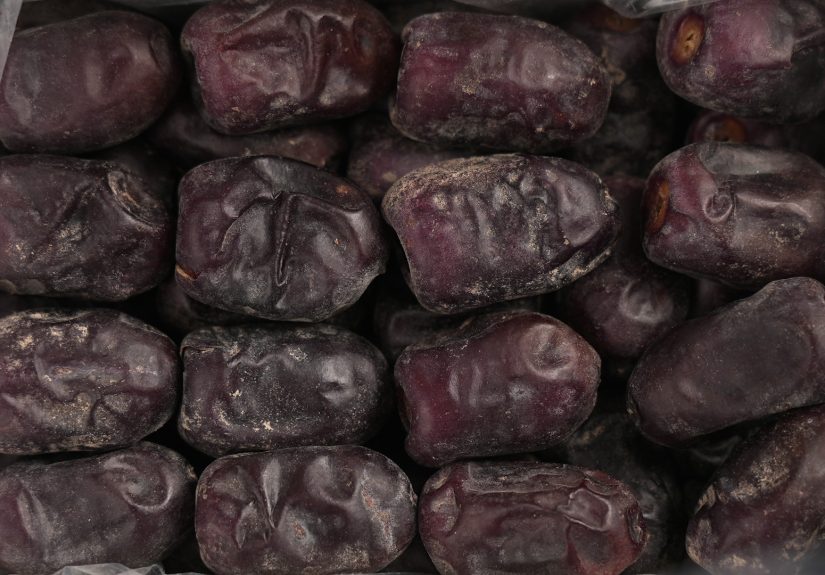
Most American grocery stores carry two common types of dates: Medjool and Deglet Noor. Medjool dates are usually larger, softer, and more caramel-like, which makes them excellent for stuffing, snacking, and blending. Deglet Noor dates are smaller, firmer, and less sticky, so they work nicely in baked goods, chopped fillings, and recipes where you want the pieces to hold their shape.
Whole dates often taste juicier than pre-pitted dates because the fruit stays more intact. Pre-pitted dates are convenient, of course, and convenience deserves applause, especially on a Tuesday. But if you want plump stuffed dates for appetizers or extra-moist fruit for date paste, whole dates are often worth the extra minute of prep.
Quick Prep Checklist
- Wash your hands before handling dates.
- Check each date for dryness, crystallized sugar, or spoilage before using it.
- Use a clean cutting board or plate.
- Keep a small bowl nearby for pits.
- For any cutting method, younger cooks should ask an adult for help.
Method 1: The Hand-Split Method
The hand-split method is the easiest way to pit soft dates, especially Medjool dates. It requires no special tool and keeps the date mostly whole, which is perfect if you plan to stuff it later.
Best For
Use this method when your dates are soft, plump, and easy to press open. It is ideal for stuffed dates, snack plates, lunchbox treats, and quick cooking prep.
How to Do It
- Hold one date between your fingers and gently press along the natural seam.
- Open the date like a tiny book. Yes, a sticky little fruit book.
- Pull out the long pit from the center.
- Press the date closed again if you want it to stay whole, or leave it open for stuffing.
This method is gentle, fast, and tidy. It also gives you a chance to inspect the inside of the date before eating or cooking with it. If the fruit looks unusually dry, smells off, or has anything suspicious inside, skip it. Dates are delicious, but they are not worth negotiating with mystery food.
Pro Tips for Better Results
If the date feels too sticky, lightly dampen your fingers with water. If it feels too dry, place the dates in a bowl and cover them with warm water for 5 to 10 minutes, then drain and pat dry. This softens the fruit and makes the pit easier to remove.
The hand-split method is also great when making stuffed dates. Once the pit is out, fill the center with almond butter and a sprinkle of sea salt, goat cheese and pistachios, peanut butter and dark chocolate, or a whole almond for crunch. The date becomes its own edible serving dish, which is very considerate of it.
Method 2: The Chopstick or Straw Push Method
The chopstick or straw method is a clean way to remove the pit while keeping the date’s shape. Instead of opening the fruit fully, you push the pit out from one end. This works well when presentation matters and you want the date to look neat.
Best For
Use this method for dates you want to keep nearly whole, such as dates for elegant appetizers, chocolate-dipped treats, party platters, or recipes where a clean center cavity is useful.
How to Do It
- Find the small opening or stem end of the date.
- Place the end of a clean chopstick, sturdy straw, or narrow reusable straw against that opening.
- Push gently but firmly through the center of the fruit.
- Let the pit slide out the opposite end.
- Check the date to make sure no pit fragments remain.
The trick is to push slowly. Dates are soft, but they are also sticky, and sticky foods enjoy pretending they are in charge. If you push too hard, the date may split or squash. If that happens, do not panic. A slightly smashed date still tastes wonderful in oatmeal, smoothies, date caramel, or snack bites.
Choosing the Right Tool
A chopstick is usually the easiest household tool because it is firm and narrow. A reusable metal straw can also work well, especially for larger Medjool dates. Avoid flimsy plastic straws because they may bend before the pit moves. The pit is stubborn; the straw needs self-confidence.
This method is especially helpful when you are making stuffed dates and want a clean tunnel for fillings. After the pit comes out, pipe or spoon in cream cheese, nut butter, whipped feta, or chocolate ganache. You can also slide in an almond or walnut half for a simple snack with texture.
Method 3: The Date Pitter or Cherry Pitter Method
If you pit dates often, a date pitter or cherry pitter can save time. This tool is designed to push the pit out with a quick press, making it useful when you need to prepare a large batch.
Best For
This method is best for meal prep, baking days, catering-style appetizers, holiday cooking, and anyone who regularly makes date paste, energy balls, stuffed dates, or date-sweetened desserts.
How to Do It
- Place one date in the pitter according to the tool’s design.
- Line up the plunger with the center of the date.
- Press the handles together so the plunger pushes the pit out.
- Remove the pitted date and place the pit in a discard bowl.
- Check the fruit before adding it to your recipe.
The biggest advantage of a pitter is speed. Once you get into a rhythm, you can move through a container of dates quickly. The downside is that not every date is the same size, and some very soft dates may flatten under pressure. For large Medjool dates, choose a sturdy pitter with enough room for the fruit. For smaller Deglet Noor dates, work slowly so the tool lines up properly.
When a Pitter Is Worth Buying
A pitter is worth it if dates are part of your regular kitchen life. If you make date shakes, date bars, homemade granola, stuffed appetizers, or natural sweetener blends every week, the tool can earn its drawer space. If you pit dates only once a year, the hand-split method is probably enough. Kitchen drawers are already crowded enough without collecting gadgets that retire after one dramatic performance.
Which Pitting Method Is Best?
The best way to pit dates depends on your recipe. For everyday snacking and stuffed dates, the hand-split method is the fastest and most flexible. For pretty whole dates, the chopstick or straw method gives a cleaner look. For large batches, a pitter is the most efficient choice.
| Method | Best Use | Main Advantage |
|---|---|---|
| Hand-split method | Soft dates, stuffed dates, snacks | No tool needed |
| Chopstick or straw method | Neat whole dates, party appetizers | Keeps shape nicely |
| Date or cherry pitter | Large batches, meal prep, baking | Fast and consistent |
How to Pit Dates for Specific Recipes
For Stuffed Dates
Use the hand-split method. Open the date along one side, remove the pit, and fill the center. Do not cut the date into two separate halves unless your recipe calls for it. A hinged date holds fillings better and looks nicer on a platter.
For Smoothies
Any method works, but always double-check that the pit is gone before blending. For extra-smooth results, soak pitted dates in warm water before adding them to the blender. This is especially useful for firmer dates, which can otherwise leave sticky bits behind.
For Baking
Pit the dates first, then chop them. If they stick to the knife or cutting board, lightly dust them with flour from the recipe or chill them briefly before chopping. For quick breads, muffins, cakes, and bars, evenly chopped dates distribute sweetness better than large chunks.
For Date Paste
Remove every pit, then soak the dates in hot water until softened. Drain them, save a little soaking water, and blend until smooth. Add the reserved water a spoonful at a time until the paste becomes thick, glossy, and spreadable.
Common Mistakes When Pitting Dates
Forgetting to Check Pre-Pitted Dates
Even when a package says “pitted,” check before blending or baking. Occasionally, a pit or pit fragment can remain. A quick squeeze or visual check can save your blender, your recipe, and possibly your afternoon mood.
Using Dates That Are Too Dry
Dry dates are harder to pit and harder to blend. Soften them with warm water before using. After soaking, drain them well so they do not add extra liquid to recipes where texture matters.
Pitting Too Fast
Speed is nice, but crushed dates are not always the goal. If you need attractive stuffed dates, work gently. If you are making date paste, however, looks do not matter. Those dates are heading to the blender, where beauty standards are refreshingly low.
How to Store Pitted Dates
Once dates are pitted, store them in an airtight container. For short-term use, the pantry may be fine if the dates are dry and packaged for shelf storage. For longer freshness, keep them in the refrigerator. If you buy in bulk, freezing pitted dates can help preserve them for future recipes.
Label the container with the date you pitted them, especially if you are the kind of person who opens the freezer and finds mysterious brown bags from another era. Future you deserves clarity.
Recipe Ideas After You Pit Dates
Once your dates are pitted, the fun begins. Try stuffing them with peanut butter and dipping them in melted chocolate for a candy-style treat. Chop them into oatmeal with walnuts and cinnamon. Blend them into smoothies with banana and almond milk. Add them to roasted carrots, grain bowls, salads, or sauces for a sweet contrast. Puree them into date caramel and spoon it over yogurt, pancakes, or apple slices.
Dates also work beautifully in savory dishes. Their deep sweetness pairs well with salty cheese, toasted nuts, citrus, warm spices, roasted vegetables, and even spicy sauces. That is the magic of dates: they behave like dessert but get along with dinner.
My Extra Experience: What Pitting Dates Teaches You in the Kitchen
Pitting dates sounds like a tiny task, but it quietly teaches several useful kitchen lessons. The first lesson is that texture matters. A soft Medjool date opens easily with your fingers and practically offers up its pit like it knows the plan. A firmer Deglet Noor date may need more patience. Neither is “better” in every situation; they simply behave differently. Once you notice that, you start choosing dates based on the recipe instead of grabbing the first container on the shelf.
The second lesson is that small prep steps can change the final result. A smoothie made with unsoaked dry dates may taste good but feel gritty or chunky. Soak those same dates first, and suddenly the drink becomes smoother and more balanced. A stuffed date that has been torn open carelessly still tastes fine, but a neatly split date looks party-ready. The fruit did not change; the handling did.
Another experience worth mentioning is the “hidden pit panic.” Most people who cook with dates regularly have had at least one moment where they tossed “pitted” dates into a blender and heard a suspicious clack. That sound is the kitchen equivalent of a jump scare. Since then, many home cooks learn to check every date, even the pre-pitted ones. It takes seconds and prevents equipment trouble.
Dates also remind you that natural sweetness is powerful. One or two pitted dates can sweeten a smoothie, balance a spicy sauce, or make a bowl of oatmeal taste more dessert-like without adding refined sugar. But because dates are dense and sweet, a little goes a long way. They are not background singers; they grab the microphone.
For families, pitting dates can even become an easy prep activity. One person opens the dates, another removes pits, and someone else fills them with nut butter or cheese. In a few minutes, you have a tray of snacks that looks far fancier than the effort involved. It is the rare kitchen task that feels both simple and rewarding.
The most practical tip from experience is to set up a mini assembly line. Place whole dates on the left, a small bowl for pits in the middle, and pitted dates on the right. This prevents the classic “Did I already pit this one?” confusion. When working with sticky fruit, organization is not dramatic; it is survival.
Finally, pitting dates teaches you not to underestimate basic skills. You do not need a culinary degree to make better snacks, smoother sauces, or prettier appetizers. Sometimes the difference between “nice” and “wow, you made this?” is simply removing a pit cleanly and adding a good filling. Dates may be small, but once you know how to handle them, they become one of the most useful ingredients in the kitchen.
Conclusion
Learning how to pit dates is quick, practical, and surprisingly satisfying. Whether you use your fingers, a chopstick, a straw, or a pitter, the goal is simple: remove the hard center while keeping as much of the sweet fruit intact as possible. For soft dates, the hand-split method is the easiest. For neat presentation, the push method works beautifully. For big batches, a pitter saves time.
Once pitted, dates can become snacks, desserts, sauces, smoothies, baking ingredients, and elegant appetizers. They are naturally sweet, chewy, versatile, and just a little dramatic when they stick to everything. But with the right method, that sticky sweetness becomes a kitchen superpower.