Table of Contents >> Show >> Hide
- Why Scalp Health Matters More Than You Think
- Way 1: Cleanse Your Scalp the Smart Way
- Way 2: Protect the Scalp Barrier and Prevent Irritation
- Way 3: Treat Flakes, Itch, and Scalp Problems Early
- Common Healthy Scalp Mistakes to Avoid
- Experience Notes: What Getting a Healthy Scalp Feels Like in Real Life
- Conclusion
A healthy scalp is like good Wi-Fi: you do not think about it much until it starts acting up. One day your hair looks shiny and cooperative. The next day, your scalp is itchy, flaky, oily, dry, or staging a tiny snowstorm on your black shirt. The good news is that most scalp problems are not mysterious curses from the hair-care universe. They often come down to three big habits: cleansing correctly, protecting the scalp barrier, and treating irritation before it becomes a full-blown drama.
Your scalp is skin. It has oil glands, hair follicles, sweat glands, microbes, and a protective barrier that can be irritated by overwashing, underwashing, harsh products, heat styling, buildup, scratching, stress, and certain skin conditions. When the scalp is balanced, hair usually looks better at the roots, flakes are minimal, and itch is not part of your daily personality. When the scalp is neglected, even expensive conditioner may feel like putting designer curtains on a house with a leaky roof.
This guide explains three practical ways to get a healthy scalp using simple, realistic steps. You do not need a 19-product routine, a magnifying mirror, or a bathroom shelf that looks like a beauty store had a minor earthquake. You need the right scalp care routine for your hair type, a gentle approach to moisture and protection, and a smart plan for dandruff, itching, or inflammation.
Note: This article is for general education. If you have painful sores, bleeding, sudden hair loss, thick scaling, infection-like bumps, or symptoms that do not improve with basic care, it is best to see a board-certified dermatologist.
Why Scalp Health Matters More Than You Think
A healthy scalp supports comfortable hair growth and helps your hair look fresher between washes. The scalp naturally produces sebum, an oily substance that protects the skin and hair. Too much sebum can trap dirt, sweat, styling products, and dead skin cells. Too little moisture can leave the scalp tight, itchy, and flaky. The trick is not to make your scalp “squeaky clean,” which often means stripped and irritated. The goal is balanced: clean enough to remove buildup, calm enough to avoid inflammation, and moisturized enough to keep the skin barrier happy.
Common scalp issues include dandruff, dry scalp, seborrheic dermatitis, contact dermatitis, folliculitis, psoriasis, and irritation from hair dyes or chemical treatments. Some conditions look similar, which is why guessing can be tricky. White flakes may come from dryness, but greasy yellowish flakes may point more toward dandruff or seborrheic dermatitis. Small bumps may be folliculitis. Thick plaques may suggest psoriasis. The scalp is not trying to be dramatic; it is simply sending messages. Your job is to stop ignoring the inbox.
Way 1: Cleanse Your Scalp the Smart Way
The first way to get a healthy scalp is to wash it according to your scalp type, hair texture, and lifestyle. Shampoo is mainly for the scalp, not the entire length of your hair. Your ends usually do not need aggressive scrubbing. In fact, rubbing shampoo through the lengths can leave hair dry, rough, and frizzy. Focus your fingertips on the scalp, massage gently, and let the lather rinse through the rest of the hair.
Choose a Washing Schedule That Matches Your Scalp
There is no universal rule that everyone must wash hair every day, every three days, or only when Mercury is in retrograde. Fine, straight, or oily hair may need more frequent washing because oil travels down the hair shaft quickly. Curly, coily, coarse, or dry hair may need less frequent shampooing because natural oils move more slowly through textured hair. People who exercise often, sweat heavily, wear helmets, use styling products, or live in humid climates may need to wash more frequently than someone with a low-sweat desk routine.
A good starting point is to notice how your scalp feels. If your roots become greasy, itchy, or coated after one day, more frequent washing may help. If your scalp feels tight and your hair becomes straw-like after every wash, you may be washing too often or using a cleanser that is too harsh. Healthy scalp care is not about following someone else’s schedule. It is about responding to your own scalp without turning every wash day into a courtroom debate.
Use the Right Shampoo for the Job
A gentle shampoo works well for many people with a normal or dry scalp. If you use lots of styling products, a clarifying shampoo can remove buildup, but it should not be used too aggressively. Clarifying too often can strip the scalp and leave hair feeling crispy, which is rarely the goal unless you are auditioning to be a broom.
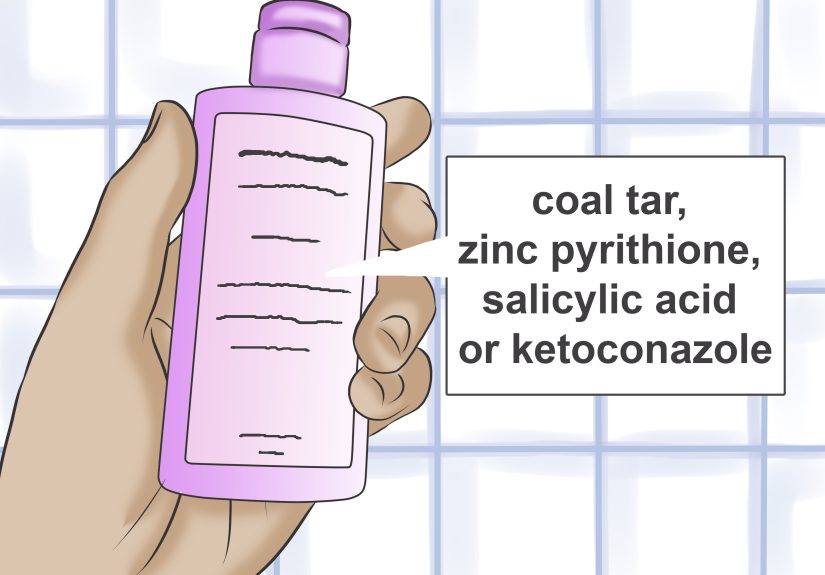
If dandruff is a concern, look for anti-dandruff shampoos with active ingredients such as zinc pyrithione, selenium sulfide, ketoconazole, salicylic acid, or coal tar. These ingredients work in different ways. Some target yeast associated with dandruff, some help reduce scaling, and others help calm buildup. Always follow the directions on the bottle. Many medicated shampoos need to sit on the scalp for several minutes before rinsing. Rinsing immediately may turn a treatment shampoo into a very expensive scented splash.
Massage, Do Not Scratch
Use the pads of your fingers to massage shampoo into the scalp. Avoid using your nails, especially if your scalp is already itchy. Scratching can create tiny breaks in the skin, increase irritation, and raise the risk of infection. If you love the feeling of a scalp scrubber, choose a soft silicone brush and use light pressure. The goal is to loosen buildup, not sand the deck of a pirate ship.
Rinse thoroughly. Shampoo residue can leave the scalp itchy or coated. If you have dense hair, sectioning your hair in the shower can help water reach the scalp. After shampooing, apply conditioner mainly to the mid-lengths and ends unless your hair type benefits from more all-over conditioning. For fine or oily hair, conditioner on the roots may make the scalp feel greasy faster. For curly, coily, or very dry hair, conditioning more generously may help reduce breakage and improve manageability.
Way 2: Protect the Scalp Barrier and Prevent Irritation
The second way to get a healthy scalp is to protect the skin barrier. Your scalp barrier helps hold moisture in and keep irritants out. When that barrier is disrupted, the scalp may feel itchy, dry, burning, flaky, or sensitive. Many people accidentally irritate their scalp while trying to “fix” it. They scrub harder, wash more often, pile on oils, or rotate five treatments in one week. The scalp then responds like a tired customer service employee: not well.
Be Gentle With Products and Styling
Fragrance-heavy products, strong cleansers, alcohol-based sprays, tight hairstyles, frequent bleaching, relaxers, dyes, and high-heat tools can all irritate the scalp in some people. You do not have to avoid every styling product forever. Instead, watch for patterns. If your scalp burns after a certain spray, itches after a new shampoo, or flakes after a styling gel, pause that product and see whether symptoms improve.
Hair dye deserves special attention. Before using hair dye, follow label directions and do a patch test every time, even if you have used similar products before. Avoid applying dye, bleach, or relaxer to an irritated, sunburned, scratched, or damaged scalp. Do not leave chemical products on longer than directed. More time does not mean more beautiful results; it can mean more irritation and a very emotional shower rinse.
Moisturize Without Smothering Your Scalp
Dry scalp can improve when you switch to a gentle, non-medicated shampoo and reduce harsh cleansing. Some people benefit from lightweight scalp serums or oils, especially if their scalp is dry and their hair texture can tolerate them. However, heavy oils are not magic for everyone. On an oily or dandruff-prone scalp, thick oils may trap debris or worsen greasiness. If you try an oil, use a small amount and wash it out properly. Your scalp should feel soothed, not like it is wearing a winter coat in July.
Hydration also comes from the inside. A balanced diet supports hair and scalp health. Low intake of protein, iron, zinc, or biotin can contribute to noticeable hair shedding in some people. That does not mean everyone should sprint to buy supplements. More is not always better, and overdoing certain nutrients can be harmful. Food-first habits are usually the safest foundation: lean proteins, eggs, beans, nuts, seeds, whole grains, fruits, vegetables, and enough water. If you suspect a deficiency, ask a healthcare professional about testing before self-prescribing a supplement mountain.
Protect Your Scalp From Sun and Heat
The scalp can burn, especially along the part line, at the crown, or in areas of thinning hair. If you spend time outdoors, wear a hat, use shade, or consider a sunscreen product designed for the scalp. Sunburn can make the scalp tender, flaky, and more vulnerable to irritation from hair products. Heat styling can also create problems when hot tools touch the scalp or when blow-dryers are used too close for too long. Keep the dryer moving, use a comfortable heat setting, and give your scalp breathing room.
Tight hairstyles can stress the scalp and hair follicles. Ponytails, braids, buns, extensions, and protective styles should not feel painful. A style that gives you an instant eyebrow lift may look sleek today but can contribute to traction-related hair problems over time. Healthy scalp care includes comfort. If a hairstyle hurts, your scalp has already filed a complaint.
Way 3: Treat Flakes, Itch, and Scalp Problems Early
The third way to get a healthy scalp is to respond early when something feels off. Mild flakes or occasional itch may improve with better washing habits, but persistent symptoms may need targeted treatment. Scalp problems are easier to manage when you act before the situation becomes a flaky soap opera.
Know the Difference Between Dry Scalp and Dandruff
Dry scalp often feels tight and may produce small, dry flakes. It can happen after harsh shampooing, cold weather, low humidity, or irritating products. Dandruff is often linked to oil, yeast, and inflammation. It may cause larger flakes, itch, and a greasy feel. Seborrheic dermatitis is a more inflamed version that can cause redness, stubborn flaking, and scaly patches on the scalp and other oily areas such as the eyebrows, sides of the nose, ears, or chest.
If you are dealing with dryness, try a gentle shampoo, reduce overwashing, rinse thoroughly, and avoid irritating products. If you are dealing with dandruff, use an anti-dandruff shampoo consistently. Give it time. Many scalp treatments require several weeks of regular use before you know whether they are working. If one active ingredient does not help, another may. For example, someone who does not respond well to zinc pyrithione may do better with ketoconazole or selenium sulfide. Follow product directions and avoid mixing too many medicated products at once.
Watch for Scalp Conditions That Need Professional Care
Some scalp issues deserve a dermatologist’s help. Scalp psoriasis can cause thick, scaly plaques that may extend beyond the hairline. Folliculitis can look like small acne-like bumps around hair follicles and may be itchy, tender, or inflamed. Contact dermatitis can cause burning, rash, or itching after exposure to a product. Ringworm of the scalp, more common in children but possible in adults, can cause scaling and patchy hair loss and needs medical treatment.
Seek care if you have severe itching, pain, swelling, pus, bleeding, spreading redness, sudden shedding, bald patches, or flakes that do not improve with over-the-counter care. Also get help if your scalp symptoms affect your sleep or confidence. You do not win a prize for suffering through scalp irritation. The prize is usually more scratching.
Build a Simple Healthy Scalp Routine
A simple routine is easier to follow than a complicated one. Start with a shampoo that fits your scalp type. Cleanse the scalp directly. Condition the hair in a way that matches your texture. Use medicated shampoo only as directed if flakes or dandruff are present. Avoid scratching. Limit harsh chemical treatments when your scalp is irritated. Protect your part from sun exposure. Eat balanced meals. Sleep enough when possible. Manage stress realistically, even if that means taking five quiet minutes before answering another email that begins with “just circling back.”
Here is a practical routine example for an oily, dandruff-prone scalp: wash regularly, use an anti-dandruff shampoo two or three times weekly according to label directions, let it sit before rinsing, and use a lightweight conditioner on the ends. For a dry, sensitive scalp: wash less frequently, choose a gentle fragrance-free or low-fragrance shampoo, avoid hot water, condition well, and pause products that sting or burn. For curly or coily hair with flakes: apply dandruff shampoo mainly to the scalp, protect the lengths with conditioner, and avoid drying the hair shaft unnecessarily.
Common Healthy Scalp Mistakes to Avoid
Mistake 1: Treating Every Flake Like Dryness
Not all flakes mean your scalp needs oil. If flakes are caused by dandruff or seborrheic dermatitis, heavy oils may not solve the problem and can sometimes make the scalp feel greasier. Choose treatment based on the pattern: dry and tight is different from oily, itchy, and inflamed.
Mistake 2: Washing Only the Hair, Not the Scalp
Shampoo should reach the scalp. Washing only the outer layer of hair can leave sweat, oil, and product buildup at the roots. This is especially common with thick or dense hair. Sectioning hair before washing can make cleansing more effective.
Mistake 3: Quitting Medicated Shampoo Too Soon
Anti-dandruff shampoos are not instant confetti cannons of success. They often need consistent use. Read the label, use them regularly, and give your scalp time to respond. Once symptoms improve, some people still need occasional maintenance use.
Mistake 4: Ignoring Pain or Hair Loss
Itch is common. Pain, pus, bleeding, bald patches, or sudden shedding are not routine beauty inconveniences. These symptoms may need medical evaluation. Early care can prevent complications and reduce stress.
Experience Notes: What Getting a Healthy Scalp Feels Like in Real Life
In real life, improving scalp health is rarely a glamorous makeover montage. It is more like becoming a calm detective with better shower habits. You start noticing small clues: your scalp feels tight after hot showers, your roots get greasy after heavy styling cream, or your flakes get worse when you skip wash day after a sweaty workout. These clues matter. The scalp often responds better to consistency than to dramatic product experiments.
One common experience is the “I thought I had dry scalp, but it was dandruff” moment. Someone may keep adding oils because flakes look dry. For a day, the scalp feels smoother. Then the itch returns, the roots look flat, and the flakes seem even more determined. When that person switches to a proper anti-dandruff shampoo and gives it enough contact time, the scalp may gradually feel cleaner and less itchy. The lesson is not that oils are bad. The lesson is that the right solution depends on the cause.
Another real-world lesson is that gentle technique matters. Many people scrub hard because they want a fresh feeling. Unfortunately, an irritated scalp does not appreciate being attacked like a dirty frying pan. Switching from nail-scratching to fingertip massage can make wash day more comfortable. Rinsing longer can also help. Product residue is sneaky, especially around the crown, nape, and behind the ears. A few extra seconds of rinsing can make the scalp feel lighter.
People with thick, curly, or coily hair often discover that scalp access is the missing step. The shampoo may sit on top of the hair instead of reaching the roots. Sectioning the hair before washing, using an applicator nozzle, or gently parting the hair in the shower can help. Conditioner can protect the lengths while the scalp gets properly cleansed. This approach respects both goals: a clean scalp and moisturized hair.
There is also the lifestyle side. Stress, poor sleep, tight hairstyles, frequent chemical processing, and nutrition gaps can all show up in the hair-and-scalp conversation. No shampoo can fully compensate for a scalp that is constantly irritated, pulled, burned, or ignored. That does not mean you need a perfect lifestyle. It means small repeatable choices matter. Loosen the ponytail. Patch test dye. Wear a hat in strong sun. Eat protein at meals. Stop using products that burn. Wash after heavy sweat when your scalp asks for it.
The most satisfying part of scalp care is subtle: fewer flakes on your shirt, less itching during the day, roots that feel fresh without feeling stripped, and hair that behaves better because the foundation is calmer. A healthy scalp does not need to feel “minty,” tingly, or squeaky. In fact, constant tingling may be irritation wearing a fake mustache. The best scalp routine is boring in the best possible way: it works, it is repeatable, and it does not require you to schedule your life around your shampoo bottle.
Conclusion
Getting a healthy scalp comes down to three core habits: cleanse wisely, protect the scalp barrier, and treat flakes or irritation early. Focus shampoo on the scalp, choose products that match your hair type and symptoms, and avoid harsh routines that leave your skin angry. A healthy scalp is not about perfection. It is about balance. When your scalp is clean, calm, and comfortable, your hair has a much better place to grow from.
If your scalp symptoms are mild, small changes may make a big difference. If they are persistent, painful, or linked with hair loss, professional care is the smarter path. Your scalp is skin, and it deserves the same respect you give your face. Maybe more, actually. Your face does not have to hold up thousands of tiny hair employees every day.