Table of Contents >> Show >> Hide
- Why Tongue Cleaning Matters (and Why Your Breath Doesn’t Care That You Flossed Once)
- Way #1: Use a Tongue Scraper (The “Squeegee for Your Mouth” Method)
- Way #2: Brush Your Tongue with a Toothbrush (The “Use What You Have” Method)
- Way #3: Rinse and Gargle Strategically (The “Finish the Job” Method)
- How Often Should You Clean Your Tongue?
- Tongue Coating vs. Tongue Problems: When to Call a Professional
- Putting It All Together: A Simple Tongue-Cleaning Routine
- Real-World Experiences: What People Notice When They Start Cleaning Their Tongue (500+ Words)
- 1) “Why didn’t anyone tell me this changes my whole mouth-feel?”
- 2) The gag reflex learning curve (a.k.a. “My tongue said NO”)
- 3) “I tried scraping once and thought I did it wrong because… ew.”
- 4) Tool preferences get surprisingly personal
- 5) Morning routines are where tongue cleaning shines
- 6) The “I cleaned my tongue… why is my breath still bad?” moment
- 7) Small habit, big confidence boost
- Conclusion
Let’s talk about the most ignored part of oral hygiene: your tongue. It’s basically a shag carpet that lives in a warm,
moist environment and catches everythingcoffee residue, garlic memories, post-nap “why is my mouth like this?” vibes,
and a whole party of bacteria. If you’ve ever brushed your teeth and still felt like your breath was telling on you,
your tongue may be the plot twist.
The good news: cleaning your tongue is quick, cheap, and (once you get used to it) oddly satisfying. The better news:
you don’t need to buy a suitcase of gadgets. You just need the right technique and a gentle approachbecause the tongue
is a muscle, not a kitchen countertop.
Why Tongue Cleaning Matters (and Why Your Breath Doesn’t Care That You Flossed Once)
The top surface of your tongue has tiny bumps and grooves that trap debris, dead cells, and bacteria. This buildup is
often called “tongue coating.” Some of those bacteria produce smelly compounds when they break down proteinsespecially
the sulfur-y ones that make “morning breath” feel like a personal betrayal.
Cleaning your tongue can help reduce that coating, which may improve how your mouth feels and can support fresher breath.
But it’s not a magic wand. If bad breath is coming from gum disease, dry mouth, sinus issues, tonsil stones, smoking, or
certain medical conditions, tongue cleaning helpsbut it won’t fix the root cause all by itself.
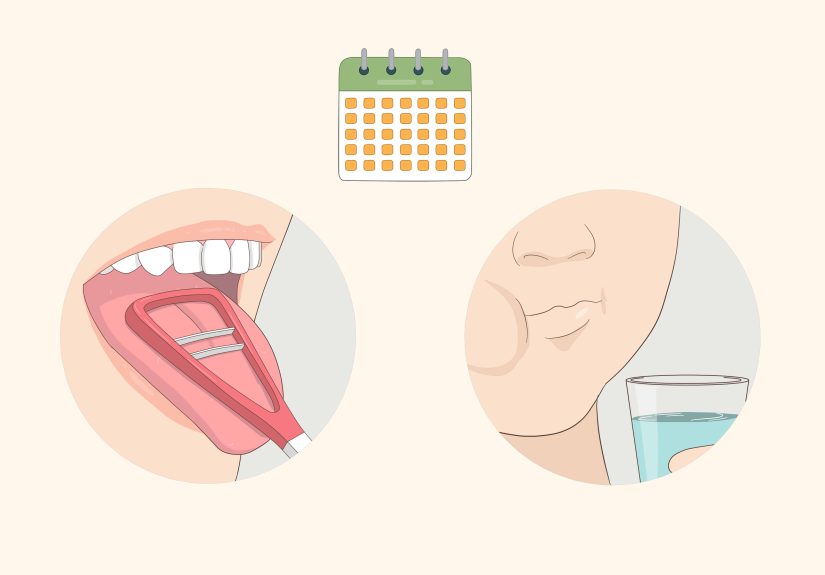
Way #1: Use a Tongue Scraper (The “Squeegee for Your Mouth” Method)
A tongue scraper is a simple tool designed to pull tongue coating forward and off the tongue’s surface. Many people
find it more effective than brushing alone because it physically lifts and removes the film instead of mostly moving it
around.
How to do it properly (step-by-step)
- Wash the scraper first. A quick rinse is good; soap and warm water is even better.
- Stick out your tongue. The goal is access, not tongue acrobatics.
- Place the scraper toward the back of your tonguecomfortably. No need to test your gag reflex like it’s a sport.
- Pull forward gently. Use light pressure and glide from back to front in one smooth motion.
- Rinse the scraper. Remove what you collected (congrats?) and repeat 2–5 passes.
- Rinse your mouth. Water works great; mouthwash is optional (more on that later).
- Wash the scraper again and let it dry. A clean tool is a happy tool.
Pro tips for scraping without drama
- Go gentle. Your tongue isn’t supposed to sting afterward. If it does, you’re pressing too hard.
- Angle matters. Keep the scraper flat against the tongue surface; scraping the sides aggressively can irritate tissue.
- Timing is flexible. Many people like scraping in the morning when coating tends to be thicker, but it’s fine whenever you brush.
- Pick the tool you’ll actually use. Plastic, stainless steel, or copperwhat matters most is comfort and easy cleaning.
Common mistakes to avoid
- Scraping like you’re sanding a table. Over-scraping can irritate your tongue and cause tiny cuts.
- Using a dirty scraper. Rinse it well and clean it regularlydon’t store it wet in a closed container.
- Assuming scraping replaces brushing/flossing. It’s a helpful add-on, not a substitute.
Way #2: Brush Your Tongue with a Toothbrush (The “Use What You Have” Method)
If you don’t have a scraperor you tried one and your gag reflex filed a complainttongue brushing is a solid option.
Many dental professionals suggest gently brushing the tongue as part of a normal routine. It’s easy, accessible, and
you’re already holding the toothbrush anyway.
How to brush your tongue the right way
- Use a soft-bristled toothbrush. Soft is your friend. Stiff bristles can feel like a punishment.
- Add a small amount of toothpaste (optional). Toothpaste can help with freshness, but water alone is fine for mechanical cleaning.
- Start mid-tongue and work backward gradually. If you go straight to the back on day one, your gag reflex may stage a protest.
- Brush gently from back to front. Think “sweeping,” not “scrubbing.”
- Brush 5–10 strokes total. Focus on the top surface where coating collects most.
- Rinse well. Rinse your mouth and the brush head thoroughly.
Make tongue brushing easier (especially if you gag)
- Breathe through your nose. Slow nasal breathing helps calm the gag reflex.
- Do it early in the routine. Some people prefer tongue cleaning before toothpaste foam enters the chat.
- Try a smaller brush head. It can feel less overwhelming in the back of the mouth.
- Stay relaxed. Shoulders down. Tongue out. No need to clench like you’re lifting weights.
Who might prefer brushing over scraping?
If you have a very sensitive tongue, a strong gag reflex, or you tend to press too hard with tools, brushing can feel
safer and more comfortable. The best tongue-cleaning method is the one you’ll do consistently without pain.
Way #3: Rinse and Gargle Strategically (The “Finish the Job” Method)
A rinse won’t replace mechanical cleaning (scraping or brushing), but it can help wash away loosened debris and support
fresher breathespecially if dry mouth or strong-smelling foods are part of your routine. Think of this as the “cleanup
crew” after you’ve already moved the furniture.
How to do it properly
- Clean your tongue first. Scrape or brush before you rinse so the rinse can remove what you dislodged.
- Use water or an alcohol-free mouthwash. Alcohol-free options can be gentler for people prone to dryness.
- Swish for 20–30 seconds. Move liquid around the mouth, including across the tongue.
- Gargle for 5–10 seconds (optional). This can help if odor seems to come from the back of the tongue or throat area.
- Spitdon’t swallow the rinse. Especially for mouthwash labeled “do not swallow.”
Rinse tips that actually help
- Hydration is underrated. If your mouth is dry, odor can worsen because saliva helps naturally cleanse tissues.
- Don’t use mouthwash to “cover up” problems. If breath issues persist, check for gum disease, cavities, dry mouth triggers, or medical causes.
- If mouthwash makes you feel drier, switch it up. Dry mouth can make breath worse over time for some people.
How Often Should You Clean Your Tongue?
For most people, once a day is a great baselineoften in the morning. If you’re actively battling bad
breath or heavy tongue coating, you might do it twice a day. The key is consistency and gentleness,
not intensity.
Signs you’re overdoing it
- Stinging, soreness, or burning after cleaning
- Bleeding (other than a one-time “oops”)
- Visible irritation or raw patches
- Pain when eating spicy or acidic foods
If any of those happen, pause for a day or two and restart with lighter pressureor switch methods.
Tongue Coating vs. Tongue Problems: When to Call a Professional
A light coating can be normal. But certain changes deserve attentionespecially if they don’t improve with gentle
cleaning and good oral hygiene.
Talk to a dentist or healthcare professional if you notice:
- Persistent white patches that don’t wipe away
- Red, painful areas or sores that last more than 1–2 weeks
- Thick coating with pain or cracking
- “Hairy” looking tongue or dark discoloration that keeps returning
- Bad breath that persists despite consistent brushing, flossing, and tongue cleaning
Some conditions (like oral thrush or “black hairy tongue”) may require specific guidance. And sometimes bad breath is
less about the tongue and more about gums, dry mouth, sinus issues, reflux, or tonsils.
Putting It All Together: A Simple Tongue-Cleaning Routine
If you want an easy, no-fuss plan that doesn’t take over your life:
- Clean your tongue (scraper or toothbrush) for 10–20 seconds.
- Brush teeth for 2 minutes with fluoride toothpaste.
- Clean between teeth (floss or interdental cleaners) once daily.
- Rinse with water or an alcohol-free mouthwash if you like.
- Hydrate and address dry mouth triggers if breath issues keep returning.
That’s it. No incense, no chants, no dramatic lifestyle overhaul. (Unless you want one. I’m not your boss.)
Real-World Experiences: What People Notice When They Start Cleaning Their Tongue (500+ Words)
Tongue cleaning sounds simpleand it isbut the experience of starting a new habit can be unexpectedly… eventful.
Here are common, very human experiences people often report when they begin cleaning their tongue properly, along with
practical takeaways so you can skip the awkward phase faster.
1) “Why didn’t anyone tell me this changes my whole mouth-feel?”
One of the first things people notice isn’t even breathit’s texture. Your mouth can feel smoother and “cleaner” in a
way that regular brushing alone didn’t deliver. Some people describe it as the difference between washing your face and
also washing your hair. Both matter, but together it just feels complete. If you’ve ever brushed your teeth and still
felt vaguely “fuzzy,” tongue cleaning can be the missing piece.
2) The gag reflex learning curve (a.k.a. “My tongue said NO”)
The most common early obstacle is gagging. This is normalyour body is protecting your airway, not personally rejecting
your new self-improvement era. People often find that starting at the middle of the tongue and gradually working farther
back over a week helps. Breathing slowly through the nose can make a big difference, too. Another trick people like:
cleaning the tongue before toothpaste foam builds up. If you’re brushing and suddenly everything feels like minty
whipped cream in a tiny bathroom, your gag reflex may get extra dramatic.
3) “I tried scraping once and thought I did it wrong because… ew.”
Let’s normalize this: the first time you scrape, you may remove a visible film. That’s not failurethat’s success.
People are often surprised because they assumed brushing teeth “covers everything.” But tongues are textured, and coating
can cling like a stubborn sticker. If you see a whitish residue on the scraper, it’s usually a mix of debris and dead
cells. The key is not to chase perfection. A few gentle passes are enough. If you keep scraping until your tongue is
angry, you’re turning oral hygiene into a contact sport.
4) Tool preferences get surprisingly personal
Some people love stainless steel scrapers because they feel sturdy and easy to clean. Others prefer plastic because it
feels softer and less intense. Some people switch to a tongue brush because bristles feel familiar. The pattern is
consistent: comfort drives consistency. If a tool feels “too much,” it’ll end up living in a drawer next to the bread
maker and that mystery cord no one claims. Picking the method that fits your comfort level is not “settling”it’s smart.
5) Morning routines are where tongue cleaning shines
A lot of people say morning is when tongue cleaning feels most rewarding. Coating can be thicker after sleep, and dry
mouth overnight can make breath worse. Cleaning your tongue in the morning can feel like clearing a foggy windshield:
suddenly everything seems fresher. Some people also notice their morning coffee tastes betterpartly because strong
odors aren’t competing with a coated tongue.
6) The “I cleaned my tongue… why is my breath still bad?” moment
This experience is common and important. Tongue cleaning helps, but persistent bad breath may involve other causes:
gum inflammation, food stuck between teeth, tonsil stones, dry mouth from medications, smoking, certain diets, or even
medical issues. People who get the best results often combine tongue cleaning with daily cleaning between teeth and a
focus on hydration. In other words: tongue cleaning is a powerful team player, but it’s rarely the whole team.
7) Small habit, big confidence boost
Many people report a subtle but real confidence boost once tongue cleaning becomes routineless second-guessing after
lunch, fewer “Do I need a mint?” panic spirals, and a general feeling of being more put-together. It’s not glamorous,
but neither is taking out the trashand yet, life goes better when it’s done.
If you’re new to tongue cleaning, give yourself a week to adjust. Start gentle, aim for consistency, and don’t treat
your tongue like it owes you money. Your breath (and your future social life) will thank you.
Conclusion
Cleaning your tongue properly doesn’t have to be complicated: scrape if you like tools, brush if you prefer simplicity,
and rinse strategically to finish strong. Keep it gentle, keep it consistent, and remember that lasting fresh breath is
usually the result of a full oral hygiene routinenot one heroic scrub.