Table of Contents >> Show >> Hide
- Before You Start: Understand How Window Tint Laws Work
- Method 1: Fix the Tint and Ask for Leniency
- Method 2: Contest the Ticket in Court Using Evidence
- Method 3: Use Medical Exemptions and Professional Legal Help
- Extra: Real-World Experiences and Practical Tips
- Conclusion: Beat the Ticket by Being Smart, Not Sneaky
Getting pulled over for a window tint ticket feels a little like being told off for wearing sunglasses that are “too cool.”
Unfortunately, traffic court is not impressed by your sense of style. The good news: there are several legal, practical ways
to fight, reduce, or fix a window tint ticket so it hurts your wallet (and your driving record) as little as possible.
In the United States, each state sets its own rules for how dark and how reflective your car’s window tint can be, and those
rules can be surprisingly strict. Many tint tickets are treated as minor “equipment” violations or fix-it tickets, which means
you may be able to correct the issue and avoid long-term consequences. Others can turn into repeat-fine nightmares if you
ignore them or keep rolling with illegal tint. This guide walks through three main strategies:
- Bringing your car into compliance and asking for leniency
- Contesting the ticket in court with solid evidence
- Using exemptions and professional legal help when your situation is more complicated
None of this is about tricking the system. It’s about using lawful options you already have, understanding how window tint
laws work, and making smart decisions to protect both your wallet and your driving record.
Before You Start: Understand How Window Tint Laws Work
Window tint laws vary widely by state. Some states allow fairly dark tint on rear windows but keep front side windows light.
Others have strict rules across the board. Most laws talk about
visible light transmission (VLT)that’s the percentage of light allowed through the glass and tint combined.
For example, a state might require at least 32% or 35% VLT on front side windows. If a tint meter reading comes in lower than
that, you can be cited.
A few key things that often matter in tint cases:
- How dark your tint is compared to the legal limit. The further below the legal VLT limit you are, the less sympathetic a court tends to be.
- Whether this is your first offense. Many courts treat a first tint ticket more gently, especially if you fix the problem quickly.
- Whether your state offers “fix-it” or compliance options. Some places will dismiss or reduce the ticket if you correct the tint and show proof.
- Whether you qualify for a medical exemption. Certain health conditions (like light sensitivity or skin conditions) can justify darker tint if you follow the official process.
Always check your own state’s current law and procedures or talk with a local traffic attorney if you’re unsure.
This guide is general information, not personal legal advice.
Method 1: Fix the Tint and Ask for Leniency
The simplest way to “beat” a window tint ticket is to make the violation disappear by fixing itthen show the court that
you took care of the problem. You’re not denying anything; you’re essentially saying, “You’re right, and I already fixed it.”
Courts tend to like that.
Step 1: Remove or Replace the Illegal Tint
As soon as you receive the ticket, schedule an appointment with a reputable tint shop or, if you’re handy, carefully remove
the illegal film yourself. Many drivers choose to:
- Completely remove the tint from the windows listed on the ticket, or
- Replace it with a legal tint that meets your state’s VLT requirements.
Professional shops can check the tint with a meter so you know you’re within the legal limit going forward. This matters if
you’ve already had tickets or warningsrepeat violations can become much more expensive.
Step 2: Document Your Fix
Courts generally like proof, not promises. After correcting your tint:
- Take clear, well-lit photos of the corrected windows from several angles.
- Ask the tint shop for a receipt showing the date and work performed.
- If possible, get a written notation of the new tint level (e.g., “35% VLT on front side windows”).
Some jurisdictions even encourage you to submit proof of correction via mail or online for certain “equipment” or fix-it
tickets. Others may require you to bring your car to a law enforcement office for inspection so an officer can sign off that
you are now in compliance.
Step 3: Bring Your Evidence to Court or Follow the Instructions on the Ticket
Follow the instructions printed on your citation. That might mean:
- Option A: Mailing in proof of compliance (photos, inspection forms, receipts) with your citation number.
- Option B: Appearing in court on your scheduled date with your documents and neatly organized photos.
- Option C: Visiting the prosecutor’s or traffic clerk’s office before the court date, if that’s allowed locally, to show compliance.
In many places, a first-time window tint violation that has been fully corrected may be dismissed, reduced to a smaller fine,
or converted into a non-moving violation with no points. This isn’t guaranteed, but showing you’ve already solved the safety
issue gives you your best shot at a soft landing.
Method 2: Contest the Ticket in Court Using Evidence
If you believe the officer made a mistake, your tint is actually legal, or the ticket contains serious errors, you can
contest the citation. This method takes more work, but in some situations it’s reasonable to fight rather than simply pay.
Step 1: Check the Ticket Carefully
Start by reading every line on your citation:
- Is your name, license plate number, and vehicle description correct?
- Is the violation code clearly listed as a tint offense?
- Are the location and date accurate?
- Did the officer write down any tint meter reading?
Small clerical mistakes (like a wrong color) usually won’t kill a ticket by themselves. However, serious errorslike the
completely wrong make and model of carmay help your case when combined with other evidence, especially if they cast doubt
on how carefully the stop was handled.
Step 2: Measure Your Own Tint and Gather Documentation
If you suspect your tint is legal, gather proof:
- Ask a professional tint shop to measure your tint with a calibrated meter and give you a written result.
- Locate your original tint installation paperwork, which may list the film type and VLT percentage.
- If your state requires tint stickers or certificates, make sure you still have them and they match what’s on your windows.
Keep in mind that factory glass itself might be slightly tinted, and the combination of glass and film is what counts.
Even if you purchased “35% film,” the actual measured VLT on your car might be lower depending on the glass. That’s why
a fresh measurement helps you see where you really stand.
Step 3: Question the Measurement or Procedure (If Appropriate)
In some states, officers use handheld tint meters to measure VLT. If your case hinges on that reading, an attorney might
explore issues like:
- Whether the meter was properly calibrated and used correctly
- Whether the officer measured the correct window
- Whether your tint is close to the legal threshold, making measurement technique more important
These arguments are technical and typically work best when handled by a lawyer familiar with traffic cases in your area.
For a straightforward, clearly illegal, very dark tint, this strategy is less likely to succeed.
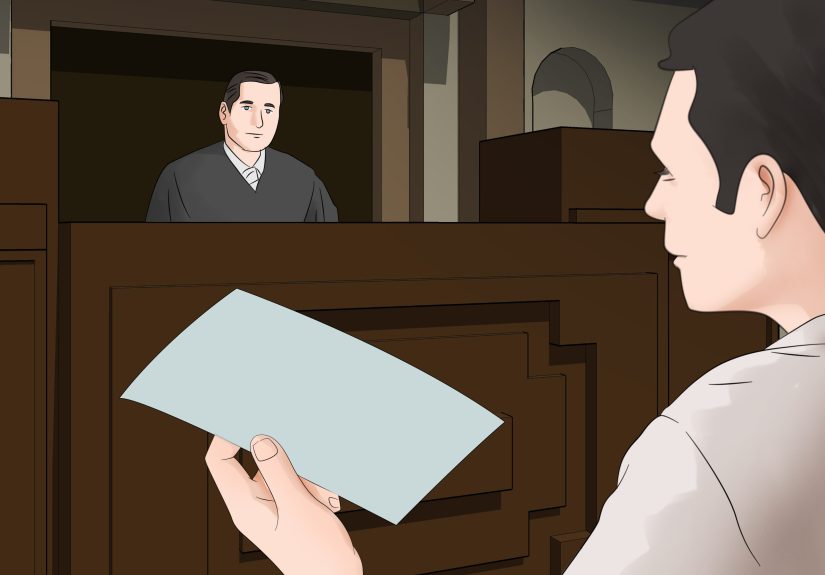
Step 4: Appear in Court Prepared and Honest
On your court date:
- Dress respectfully and arrive early.
- Bring all documentation: photos, tint shop measurements, receipts, original tint paperwork, and any relevant state law printouts.
- Be calm and respectful when speaking to the judge and prosecutor.
Many drivers are able to negotiate a reduced fine, ask for dismissal if the tint is proven legal, or request a conversion to
a non-moving equipment violation. Some will simply choose to plead guilty or no contest to avoid spending more time and money.
The key is that you understand your options and present your case honestlynever falsify photos, documents, or measurements.
If your ticket involves other charges (like speeding plus tint), sometimes prosecutors will negotiate: you might plead to one
violation and have the other dismissed. The specifics depend heavily on your jurisdiction and driving record.
Method 3: Use Medical Exemptions and Professional Legal Help
In some situations, your tint isn’t just a cosmetic choiceit’s a medical necessity. Or your case is complicated by
out-of-state laws, prior violations, or potential insurance or license consequences. That’s when exemptions and professional
legal help matter.
Step 1: Explore Medical Exemption Rules in Your State
Many states allow darker window tint for people with certain medical conditionssuch as severe photosensitivity, certain
eye disorders, or skin conditions that require limiting UV exposure. However, these exemptions are usually tightly controlled.
You may need:
- A letter or form completed by a licensed physician or specialist
- Approval from the DMV or a similar state agency
- A certificate or sticker you keep in your car or display on the window
If you already had a valid exemption at the time of the stop, bring all related paperwork to court. If you qualify for one
but didn’t complete the process before, talk with an attorney. In some cases, demonstrating that you’ve now properly obtained
an exemption may help reduce or resolve the ticket, though that’s not guaranteed.
Step 2: Consider Hiring a Traffic Ticket Attorney
If the ticket could add points to your license, raise your insurance, or create a pattern of violations, hiring a local
traffic lawyer can be a smart investment. A lawyer can:
- Explain exactly how your state handles tint offenses
- Review the officer’s notes, tint readings, and any procedural issues
- Negotiate with prosecutors for a reduction, dismissal, or alternative outcome
- Appear in court on your behalf in some jurisdictions, saving you a trip
For a small, first-time fix-it style tint ticket, hiring an attorney may not be cost-effective. But if you’re dealing
with multiple citations, high fines, or a complex situation involving interstate travel and different state tint laws,
professional advice can help you avoid bigger problems later.
Step 3: Stay Compliant After the Ticket
However you resolve your window tint ticketthrough fixing the tint, winning in court, or using an exemptiontreat the
experience as a reset button. Repeated tint violations can get expensive and may draw more attention from law enforcement.
To avoid future tickets:
- Confirm your current tint is legal in your home state.
- If you travel often, understand that other states can still ticket you for violating their laws, even if your tint is legal back home.
- Keep copies of exemption documents and tint paperwork in your vehicle.
- Drive calmly and avoid drawing unnecessary attentionspeeding plus very dark tint is a ticket magnet.
Extra: Real-World Experiences and Practical Tips
To make all of this a bit more real, let’s walk through some common experiences drivers share when dealing with tint tickets,
along with practical takeaways you can use.
Story 1: “I Fixed the Tint and the Judge Let It Go”
A lot of drivers report a similar pattern: they get their first tint ticket, grumble about it, then head straight to a tint
shop to remove or replace the film. When their court date arrives, they show photos, receipts, and sometimes even a short
note from an officer confirming the car now passes. In many jurisdictions, judges are willing to dismiss the charge or reduce
it to a small administrative fee because the safety concern has been resolved.
The lesson? If your tint is clearly illegal, you usually get more out of fixing the problem quickly than trying to argue
about it. Courts appreciate effort and responsibility, especially on a first offense.
Story 2: “My Tint Was Legal, but I Still Got Ticketed”
Some drivers run into the opposite problem: they intentionally keep their tint within legal limits and still get cited.
Maybe an officer eyeballed it and decided it looked too dark. Maybe the tint meter reading was off. Maybe they were in a
state with stricter rules than the one where their vehicle is registered.
These drivers often succeed in court by doing exactly what we discussed earliergetting independent tint measurements from a
reputable shop, bringing their original installation paperwork, and showing that their VLT is at or above the legal limit.
In cases where they were close to the threshold, some courts will at least reduce the fine, especially when the driver can
show they acted in good faith.
The takeaway: if you genuinely believe you’re in the right, evidence is your best friend. “It looked fine to me” isn’t nearly
as persuasive as a calibrated reading on paper.
Story 3: “I Needed Darker Tint for Medical Reasons”
Another recurring story involves drivers with real medical issuesmigraines triggered by bright light, eye conditions that
make glare painful, or skin disorders where UV exposure is risky. These drivers sometimes start with darker tint on their own,
then find out the hard way during a traffic stop that the law requires a formal exemption.
The resolution usually involves two parts:
- Talking with a doctor and getting proper medical documentation.
- Filing official exemption paperwork with the DMV or equivalent agency and making sure the vehicle carries proof of that exemption.
When they return to court with the new, legally recognized exemption and a doctor’s note, some drivers find that judges are
willing to reduce or dismiss the ticket, especially if the condition is clearly legitimate and the driver is now following
the correct procedure. It’s not guaranteed, but it’s far stronger than simply saying, “I need it for my health” with no
documentation to back that up.
Story 4: “I Just Paid It… and Then Got Another One”
Finally, there are drivers who treat tint tickets like a subscription fee for dark windows. They pay a ticket here and there
and never change anything. This can work for a whileuntil it doesn’t. Some states increase fines for repeat violations, and
insurance companies don’t love a long line of traffic infractions. In some areas, chronic noncompliance can even affect your
ability to renew registration if outstanding tickets pile up.
This is where the “short-term pain, long-term gain” mindset pays off. Removing or lightening tint once may cost you some
money and aesthetic satisfaction now, but it can spare you repeated tickets, higher fines, hassle, and potentially higher
insurance premiums later on.
Ultimately, “beating” a window tint ticket doesn’t always mean “winning a dramatic courtroom showdown.” Often it means
choosing the smartest path: fix what’s wrong, document everything, understand your legal options, and keep your future self
out of trouble.
Conclusion: Beat the Ticket by Being Smart, Not Sneaky
Window tint tickets are a hassle, but they don’t have to be a disaster. You have three main paths:
- Fix the tint and seek leniencythe quickest and often most effective option, especially for a first offense.
- Contest the ticket with real evidence if you believe your tint is legal or the stop was flawed.
- Use exemptions and legal help if medical conditions, multi-state travel, or prior violations make your case more complex.
Whatever route you choose, the keys are honesty, preparation, and a clear understanding of your state’s laws. Dress the part,
show respect in court, and think long-term. Your car can still look good and stay on the right side of the lawno drama required.