Table of Contents >> Show >> Hide
- 1. Wash your face like you’re cleansing a peach, not sanding a deck
- 2. Moisturize on slightly damp skin
- 3. Wear sunscreen daily (yes, even when you’re “just running errands”)
- 4. Add vitamin C in the morning for a brighter look
- 5. Exfoliate gently (the goal is glow, not regret)
- 6. Use a retinoid at night (or don’tyour skin gets a vote)
- 7. De-puff your face with coldstrategically
- 8. Fix the #1 “fresh face” factor: sleep
- 9. Hydrate like a person who wants their skin to stop acting thirsty
- 10. Cut back on salty, ultra-processed foods (especially the night before)
- 11. Move your bodycirculation is a glow booster
- 12. Tidy up the little things: brows, lips, and under-eye area
- 13. Clean your “face-touching” stuff (phone, pillowcase, makeup tools)
- 14. Don’t smoke or vape (your skin can tell)
- 15. Use makeup like a freshness enhancer, not a full disguise
- A super simple “Fresh Face” routine (AM + PM)
- When “not fresh” is actually a skin issue
- Experiences: What People Notice When They Stick With These Habits (About )
- Conclusion
A “fresh-looking face” isn’t code for “wake up at 4 a.m., drink moonlight, and never experience stress.” It’s usually the result of small, boring habits done consistently… plus a few clever tricks that make you look like you have your life together even when your group chat knows the truth.
Below are 15 realistic, dermatologist-style basics mixed with smart lifestyle moves and “instant refresh” hacks. Pick a handful that fit your skin type and schedule, and you’ll start seeing that rested, brighter, smoother vibe that people describe as “glowy” (which is basically the adult version of getting a gold star).
1. Wash your face like you’re cleansing a peach, not sanding a deck
Fresh-looking skin starts with a clean canvas. Use a gentle cleanser, your fingertips (not a loofah that looks like it survived a war), and lukewarm water. Scrubbing aggressively can irritate your skin barrier, which is a fast track to redness and “Why does my face feel tight?” energy.
Fresh-face example
If you’re oily by lunchtime, try a gentle cleanse in the morning and at night. If you’re dry or sensitive, a water rinse in the morning and a gentle cleanse at night may be enough. After workouts, wash soon after you sweat so oil + sweat + friction doesn’t throw a breakout party.
2. Moisturize on slightly damp skin
If moisturizer is going on “desert-dry” skin, it has to work overtime. Pat your face so it’s not dripping, then apply moisturizer while your skin is still a bit damp. This helps trap hydration and makes skin look smoother and more “plump,” which reads as fresh on everyone.
Quick tip
If you’re acne-prone, look for “non-comedogenic” on the label. If you’re dry, a richer cream at night can make you look more rested by morning.
3. Wear sunscreen daily (yes, even when you’re “just running errands”)
If there’s one step that pays off immediately and long-term, it’s sunscreen. Daily broad-spectrum SPF 30+ helps prevent uneven tone, dullness, and that tired-looking “shadowy” effect sun damage can create over time. Bonus: it’s one of the simplest ways to protect your skin’s natural glow.
Fresh-face example
Put sunscreen where people forget: around the hairline, ears, neck, and the “my shirt collar will cover it” zone (it won’t).
4. Add vitamin C in the morning for a brighter look
Vitamin C is an antioxidant that can help brighten the look of skin and support a more even tone. Translation: it can make your face look more awake, even if you are emotionally still in bed.
How to use it without drama
Use a few drops/pea-size amount after cleansing and before moisturizer and sunscreen. If your skin is sensitive, start a few times per week.
5. Exfoliate gently (the goal is glow, not regret)
A fresh-looking face often comes from smoother texturebecause light reflects more evenly. Exfoliation helps remove dead surface cells, but overdoing it can cause irritation and flaking (aka “I tried to glow and now I’m peeling”).
Pick your lane
- Physical exfoliation: a soft washcloth used gently 1–2x/week can be enough for many people.
- Chemical exfoliation: mild AHAs/BHAs can help, but start low and slow (especially if you’re new).
6. Use a retinoid at night (or don’tyour skin gets a vote)
Retinoids (including retinol) are popular for improving the look of texture, breakouts, and early fine lines. They can be a great option, but they can also be irritating if you rush it.
Fresh-face rules for retinoids
- Start 2–3 nights per week, then increase if your skin tolerates it.
- Use a pea-size amount for the whole face.
- Moisturize after (or “sandwich” it between layers of moisturizer if you’re sensitive).
- Avoid stacking it the same night with strong acids if that makes you irritated.
If you’re dealing with significant acne, eczema, or persistent irritation, it’s smart to ask a dermatologist what’s right for your age and skin.
7. De-puff your face with coldstrategically
Morning puffiness happens. Cooling can help temporarily reduce swelling, especially around the eyes. Think “cool and calm,” not “freeze my face off.”
Try this 2-minute de-puff routine
- Press a cool, clean washcloth over closed eyes for a couple minutes.
- If your cheeks look puffy, gently press (don’t rub) a cool cloth along the cheekbones and jawline.
- If you’re prone to irritation, avoid direct ice on skincool is enough.
8. Fix the #1 “fresh face” factor: sleep
Nothing makes skin look more awake than… being awake in a healthy way. When you’re short on sleep, your face often looks duller and puffier, and under-eye shadows show up like they pay rent.
Fresh-face sleep move
Keep your wake-up time consistent most days, and protect the last 30 minutes before bed from bright screens when you can. If you’re a teen, your body typically needs more sleep than adultsso “8 hours” isn’t lazy; it’s biology.
9. Hydrate like a person who wants their skin to stop acting thirsty
Hydration isn’t a magical face filter, but it does support skin’s overall lookespecially if you’re often dry or you wake up looking a little “creased.” Pair water intake with moisturizer for the best visible payoff.
Easy example
Keep a water bottle where you do your daily stuff (desk, backpack, or next to your bed). If you only hydrate when you’re parched, you’re always late to the meeting.
10. Cut back on salty, ultra-processed foods (especially the night before)
Salt can contribute to temporary puffiness for some people, especially around the eyes. You don’t need to fear seasoningjust notice patterns. If you always wake up puffy after certain snacks, you’ve found a clue.
Fresh-face example
If you want to look extra refreshed for a morning event, keep dinner simpler the night before and drink water. Your face may thank you quietly (because it’s a face).
11. Move your bodycirculation is a glow booster
Exercise supports circulation and can give you a natural, healthy flush. You don’t need a hardcore routine. A brisk walk, a dance break, or a short workout can help your skin look more lively.
Fresh-face example
Ten minutes of movement before a shower can make your post-shower skin look noticeably brighterespecially paired with moisturizer.
12. Tidy up the little things: brows, lips, and under-eye area
A fresh-looking face isn’t only skin; it’s overall “polish.” Two minutes on brows and lips can make you look awake even on low-sleep days.
- Brows: Brush them up with a spoolie or clear gel for instant structure.
- Lips: Use a simple balm; hydrated lips read youthful and healthy.
- Under-eyes: If you use concealer, go lighttoo much can look dry and tired.
13. Clean your “face-touching” stuff (phone, pillowcase, makeup tools)
Fresh-looking skin is often clearer-looking skin. Your phone, pillowcase, and makeup brushes can collect oil and bacteria. Keeping them clean can help reduce the kind of irritation that makes skin look rough or inflamed.
Simple schedule
- Wipe your phone screen regularly.
- Swap pillowcases 1–2x/week if you’re breakout-prone.
- Wash makeup brushes/sponges at least weekly if you use them often.
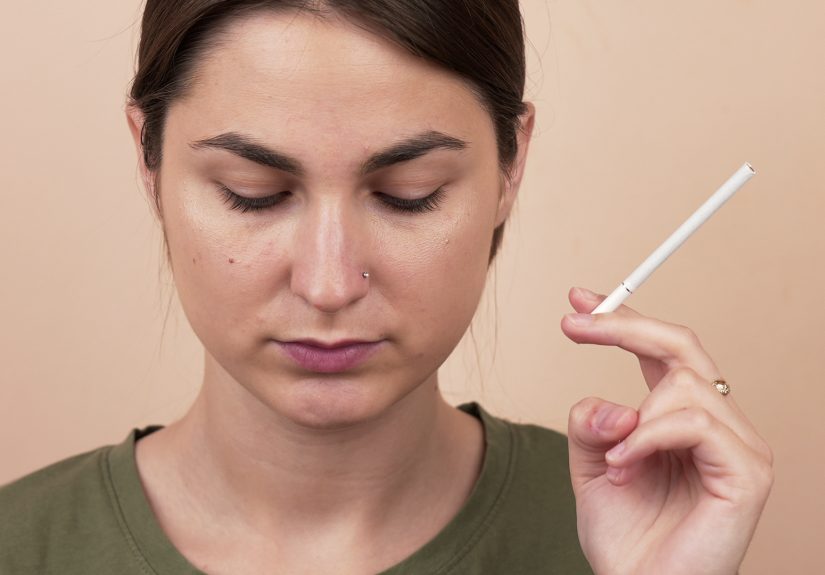
14. Don’t smoke or vape (your skin can tell)
Smoke exposure is linked with earlier wrinkling and a more “tired” skin appearance over time. If you want a fresher-looking face now and later, this is one of the biggest “choose your future” moves you can make.
If you’re already around smoke, small changes like avoiding secondhand exposure when possible can still matter.
15. Use makeup like a freshness enhancer, not a full disguise
Makeup can absolutely help you look freshbut the best “awake” makeup usually looks like skin, just improved.
Fresh-face makeup mini-kit
- Skin tint or light foundation only where needed (center of face).
- Cream blush on the high points of cheeks for a natural “I slept” flush.
- A touch of concealer at inner corners of eyes or around the nose.
- Mascara or curled lashes to open the eyes.
- Optional: a tiny dab of highlighter on cheekbones (tiny, not “disco ball at noon”).
A super simple “Fresh Face” routine (AM + PM)
Morning (3–6 minutes)
- Gentle cleanse (or rinse if you’re dry/sensitive)
- Vitamin C (optional)
- Moisturizer
- Sunscreen SPF 30+
- Cold compress on eyes (1–2 minutes if puffy)
Night (4–8 minutes)
- Cleanse (remove makeup first if you wear it)
- Moisturizer
- Retinoid or gentle exfoliation (only on the nights you use it, not everything all at once)
- Lip balm
When “not fresh” is actually a skin issue
If you have persistent redness, painful acne, frequent swelling around the eyes, rashes, or irritation that doesn’t improve, it’s worth checking in with a dermatologist or clinician. The “fresh face” goal should never require you to power through burning, stinging, or peeling as a lifestyle.
Experiences: What People Notice When They Stick With These Habits (About )
People usually expect a fresh-looking face transformation to be dramaticlike changing one product and waking up with a glow so bright it could guide ships into harbor. In real life, it’s more like a series of small wins that quietly stack up.
For example, someone who starts wearing daily sunscreen often notices the first “freshness” change within a couple of weeks: their skin tone looks more even, and makeup (if they wear it) sits smoother. It’s not because sunscreen is a magical brightening serumit’s because less daily irritation and UV exposure can mean fewer random flare-ups and less visible unevenness. Over time, they also report fewer “Why does my face look tired in photos?” moments.
The most common “I didn’t expect that” experience is what happens when moisturizing becomes non-negotiable. People who apply moisturizer on damp skin tend to describe a more comfortable faceless tightness, less flaking, and fewer dry patches that catch the light. That comfort changes behavior, too: when skin feels calm, people touch their face less, pick less, and don’t feel like they need to keep adding products to fix the problem that their routine created.
Then there’s sleep. When someone finally protects a consistent bedtime for a week, the shift is often visible before it’s “measurable.” Friends say they look more rested. Under-eye puffiness looks less intense. Their face seems less puffy in the morning, especially if they also cut down on salty late-night snacks. A lot of people describe it as looking “less inflamed” rather than simply “prettier,” which is a surprisingly accurate way to put it.
The quickest “event day” experience usually comes from cold de-puffing. People with morning under-eye bags often report that a cool washcloth for a couple of minutes makes them look more awake immediatelylike their eyes are more open and their face looks less swollen. It’s temporary, but it’s a reliable trick when you need to look refreshed fast.
Finally, the most sustainable glow tends to come from the boring combo: gentle cleansing, sunscreen, moisturizer, and one targeted active (like vitamin C in the morning or a retinoid at night). People who keep it simple long enough often describe a “baseline upgrade,” where their face looks fresher even on no-makeup days, and they stop feeling like they need to chase every new trend to look awake. That’s the real flex: not perfect skinjust skin that looks calm, cared for, and naturally brighter.
Conclusion
A fresh-looking face isn’t about perfectionit’s about cues: even tone, calmer texture, hydrated skin, and eyes that look less puffy and more awake. The fastest wins usually come from gentle cleansing, moisturizing correctly, daily sunscreen, and a simple de-puff + grooming routine. The long-term glow comes from sleep, smart lifestyle choices, and not attacking your skin like it owes you money.
Choose a few tips you can actually repeat. Your future face will appreciate the consistency. Your current face will appreciate the moisturizer.