Table of Contents >> Show >> Hide
- Why Smart Organizing Works Better Than “Just Cleaning Up”
- 14 Genius Organizing Tips That Changed the Way We Tidy Up
- 1. Start With a “Clutter Exit” Before Buying Storage
- 2. Use the One-Surface Rule
- 3. Create a Drop Zone Near the Door
- 4. Give Every Item a “Home Address”
- 5. Organize by Category, Not by Random Location
- 6. Use Clear Containers Where Visibility Matters
- 7. Leave 20 Percent of Storage Space Empty
- 8. Use Vertical Space Like a Secret Weapon
- 9. Build a Permanent Donation Box
- 10. Try the 10-Minute Reset
- 11. Make Paper Clutter a Weekly Appointment
- 12. Stop Using Chairs as Closets
- 13. Create Zones in Every Busy Space
- 14. Make Maintenance Easier Than the Mess
- Room-by-Room Examples for Faster Tidying
- Common Organizing Mistakes to Avoid
- Experience Notes: What Really Changed the Way We Tidy Up
- Conclusion
Getting organized sounds so peaceful in theory. You imagine labeled baskets, color-coded drawers, and a pantry so beautiful it makes cereal feel luxurious. Then real life walks in wearing muddy shoes, drops the mail on the counter, leaves a hoodie on a chair, and somehow creates a “temporary pile” that celebrates its third birthday.
The good news? A tidy home does not require a personality transplant, a full weekend sacrifice, or a museum-level obsession with matching containers. The best organizing tips are practical, repeatable, and designed for actual humansthe kind who occasionally eat dinner over the sink and forget what is in the mystery bin under the bed.
These 14 genius organizing tips focus on systems that make tidying easier, faster, and less emotionally exhausting. They help reduce clutter, create smarter storage, and make your home feel calmer without turning it into a showroom where nobody is allowed to sit down.
Why Smart Organizing Works Better Than “Just Cleaning Up”
Cleaning handles dirt. Organizing handles decisions. That is why a freshly wiped kitchen can still feel chaotic if every counter is covered with mail, reusable bags, charging cords, and one lonely screwdriver that has apparently joined the family.
Real home organization creates a simple answer for every item: where it belongs, when it leaves, and how easy it is to put back. When the system is simple, tidying stops feeling like punishment and starts becoming a low-effort reset.
14 Genius Organizing Tips That Changed the Way We Tidy Up
1. Start With a “Clutter Exit” Before Buying Storage
Buying bins before decluttering is like buying more parking spaces for cars you do not drive. Before you invest in baskets, drawer dividers, shelves, or closet systems, remove what no longer belongs.
Walk through one room with three categories: keep, donate, and discard. Toss broken items, expired products, duplicate tools, dried-out pens, stretched-out socks, and anything you keep moving around because you do not actually use it. Once the excess is gone, you can see what storage you truly need.
Example: If your bathroom cabinet is packed, do not start by buying another organizer. First remove expired sunscreen, empty bottles, old razors, and products you tried once and silently judged forever. Then organize what remains.
2. Use the One-Surface Rule
The one-surface rule is beautifully simple: choose one surface in each room that must stay clear or nearly clear. It might be the kitchen island, the dining table, the nightstand, or the entryway bench.
This tip works because visual clutter spreads fast. When one surface stays clean, the whole room looks more intentional. It also gives you a quick win when the rest of the house is having a dramatic week.
For busy spaces, allow only two or three useful items on the surface. A lamp, a tray, and a small plant? Lovely. Mail, sunglasses, coins, snacks, receipts, craft glue, and a sock? That is not decor; that is a group project gone wrong.
3. Create a Drop Zone Near the Door
Entryway clutter usually happens because the house has no landing strip. Keys, bags, shoes, mail, umbrellas, and sunglasses need an obvious place to go the moment you walk in.
A smart drop zone does not have to be fancy. Use hooks for bags and jackets, a tray for keys, a small basket for mail, and a shoe rack or mat for daily footwear. The goal is to catch clutter before it migrates to the kitchen counter, sofa, or bedroom floor.
Pro tip: Keep the drop zone small. If it becomes too large, it turns into a clutter airport with delayed flights and missing luggage.
4. Give Every Item a “Home Address”
One of the biggest reasons homes get messy is that too many items are technically homeless. They live “wherever,” which usually means on the nearest flat surface.
Assigning a home address means every commonly used item has a specific place. Batteries go in one labeled drawer. Pet supplies go in one bin. Cleaning cloths go in one basket. School papers, chargers, tools, gift wrap, and reusable bags all need assigned zones.
The best item homes are close to where you use the item. Coffee filters belong near the coffee maker, not three rooms away in a cabinet you need a treasure map to locate.
5. Organize by Category, Not by Random Location
Most clutter hides because similar items are scattered around the home. You may think you have one roll of tape until you discover six rolls in four rooms, including one living mysteriously with the batteries.
Organizing by category means gathering like items together before deciding what to keep. Try this with office supplies, beauty products, pantry snacks, cables, medicines, craft items, seasonal decor, and cleaning products.
Once everything is in one place, duplicates become obvious. You can keep the best, donate extras when appropriate, and stop rebuying things you already own.
6. Use Clear Containers Where Visibility Matters
Clear bins are perfect for pantries, fridge shelves, bathroom cabinets, craft supplies, and linen closets because they reduce the “out of sight, out of mind” problem. When you can see what you have, you are less likely to buy a third jar of peanut butter or wonder where the backup toothpaste went.
Clear storage works especially well for categories that change often: snacks, toiletries, first-aid supplies, kids’ art materials, and cleaning refills. Add simple labels so everyone in the home understands the system without needing a staff training session.
7. Leave 20 Percent of Storage Space Empty
A drawer packed to 100 percent capacity is not organized; it is a tiny furniture hostage situation. The moment you remove one item, everything shifts, jams, or falls out.
Try leaving about 20 percent of each drawer, shelf, or bin empty. This breathing room makes it easier to put things away and gives future items a place to land without destroying the system.
This is especially helpful in closets, kitchen cabinets, bookshelves, and toy storage. Empty space is not wasted space. It is what keeps organization from collapsing after Tuesday.
8. Use Vertical Space Like a Secret Weapon
When drawers and counters are full, look up. Walls, doors, cabinet sides, and tall shelves are often underused storage goldmines.
Install hooks behind doors, add slim shelves in narrow spots, use over-the-door organizers for accessories or cleaning supplies, and add stackable bins in closets. In kitchens, vertical risers can double cabinet space for plates, mugs, or pantry goods.
Example: A small laundry area can become much more functional with wall hooks for bags, a narrow shelf for detergent, and a basket for dryer sheets or cleaning cloths.
9. Build a Permanent Donation Box
Decluttering becomes easier when unwanted items have an immediate exit path. Keep a donation box or bag in a closet, laundry room, garage, or mudroom. Whenever you find a shirt that does not fit, a book you will not reread, or a gadget you never use, place it directly in the box.
When the box is full, schedule a drop-off. Do not let the donation box become a retirement community for things you meant to remove. The magic only works when the items actually leave your home.
10. Try the 10-Minute Reset
Not every organizing session needs to be a dramatic before-and-after event. A 10-minute reset can rescue a room before clutter becomes overwhelming.
Set a timer and focus on one small area: a junk drawer, nightstand, bathroom shelf, fridge door, entry table, or laundry pile. Toss trash, return misplaced items, group similar things, and stop when the timer ends.
This method works because starting is often harder than organizing. Ten minutes feels manageable, and small wins build momentum. Sometimes you will stop after one reset. Sometimes you will keep going because the drawer no longer looks like it is hiding evidence.
11. Make Paper Clutter a Weekly Appointment
Paper clutter is sneaky. One envelope becomes three catalogs, two receipts, a school notice, an insurance document, and a pizza coupon that somehow feels legally important.
Create one weekly paper appointment. During that time, recycle junk mail, file important documents, scan or photograph records you need digitally, and handle bills or forms. Use a simple inbox tray for papers that need attention, but do not let it become a paper swamp.
For families, try separate folders for school forms, medical papers, home documents, warranties, and tax-related items. The goal is not perfection. The goal is finding the permission slip before the bus arrives.
12. Stop Using Chairs as Closets
The “clothes chair” is famous for a reason. It begins with one sweatshirt and ends as a fabric mountain range. To break the habit, make the right choice easier than the messy one.
Add hooks where clothes usually land. Place a hamper nearby. Keep a small basket for items that can be reworn. If clothing needs to be hung, make sure there is enough open space in the closet so putting it away does not require wrestling hangers like an Olympic sport.
A chair should be for sitting, reading, or dramatically tossing yourself into after a long daynot for hosting laundry conferences.
13. Create Zones in Every Busy Space
Zones turn chaos into order by grouping items according to purpose. This works in pantries, closets, garages, bathrooms, playrooms, home offices, and kitchens.
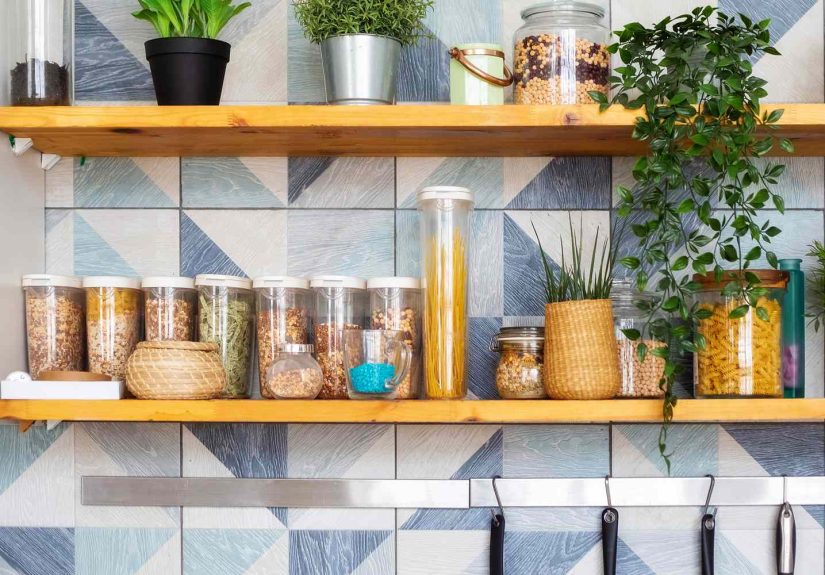
In a pantry, create zones for breakfast foods, baking supplies, snacks, canned goods, grains, and lunchbox items. In a closet, create zones for work clothes, casual clothes, shoes, accessories, and seasonal items. In a home office, create zones for supplies, active paperwork, technology, and reference materials.
Zones make cleanup faster because you are not deciding from scratch every time. You are simply returning items to their neighborhoods.
14. Make Maintenance Easier Than the Mess
The best organizing system is the one you can maintain on a tired Thursday night. If your system requires perfect folding, complicated labels, or opening three containers to put away one item, it will probably fail.
Choose easy-return storage. Use open bins for kids’ toys, hooks instead of hangers for daily jackets, broad categories for busy drawers, and labels that make sense to everyone. Store frequently used items at eye level or within easy reach.
Organization should reduce effort, not create a second job with worse benefits.
Room-by-Room Examples for Faster Tidying
Kitchen
Keep counters mostly clear, store tools near where you use them, and group pantry items by meal type. Put breakfast foods together, baking items together, and snacks in one bin so nobody has to conduct a full cabinet excavation for granola bars.
Bedroom
Use drawer dividers for socks, underwear, and accessories. Keep only current-season clothing within easy reach. Add a small tray to the nightstand so lip balm, glasses, and chargers do not spread like tiny household weeds.
Bathroom
Sort products by category: daily skin care, hair care, dental care, first aid, and backups. Remove expired products and keep extras in labeled bins. Daily-use items deserve the easiest access; the special-occasion face mask can wait its turn.
Living Room
Use baskets for blankets, remotes, games, and kids’ items. If the living room is a shared space, create a five-minute evening reset so cups, toys, books, and random socks return to their actual homes.
Home Office
Keep only active paperwork on the desk. Store office supplies in one drawer or caddy. Use cable clips or ties to prevent cords from forming a dramatic electronic jungle behind your monitor.
Common Organizing Mistakes to Avoid
Buying Too Many Containers
Containers are helpful, but they are not magic. Too many bins can hide clutter instead of solving it. Declutter first, measure your space, and buy only what fits the items you actually use.
Making Categories Too Specific
Labels like “blue pens used only on Mondays” may look impressive, but overly detailed systems are hard to maintain. Broad, logical categories work better for daily life.
Ignoring Habits
If everyone drops shoes by the door, create shoe storage by the door. Do not build a system based on imaginary future behavior. Organizing works best when it respects how people already move through the home.
Trying to Organize the Whole House at Once
Whole-house organizing sounds productive until you are surrounded by piles from six rooms and questioning every life choice. Start small. Finish one drawer, one shelf, one cabinet, or one category before moving on.
Experience Notes: What Really Changed the Way We Tidy Up
The biggest organizing breakthrough is realizing that tidiness is not about being naturally neat. It is about reducing friction. When a home is messy, the problem is often not laziness. The problem is that putting things away takes too many steps, too much thinking, or too much emotional energy.
One of the most useful experiences is starting with the area that annoys you every single day. For many people, that is the kitchen counter. You walk past it constantly, so every pile feels louder than it should. Clearing that surface and creating a nearby mail tray, recycling spot, and key bowl can make the entire home feel calmer almost immediately.
Another lesson is that small containers can be surprisingly powerful. A drawer without dividers becomes a junk drawer because everything slides into one confusing layer. Add a few small boxes, and suddenly batteries, tape, scissors, pens, and sticky notes have borders. The drawer did not need a makeover. It needed traffic lanes.
The donation box is another game changer because it removes the drama from decluttering. Instead of scheduling a giant cleanout, you make tiny decisions as they appear. A sweater feels itchy? Donation box. A mug never gets used? Donation box. A book has been “next on the list” since 2018? Thank it for its patience and let it move on.
It also helps to organize for your real life, not your fantasy life. If you cook simple meals, your kitchen should support simple meals. If you wear the same five outfits most weeks, your closet should make those outfits easy to reach. If your family dumps bags near the door, your entryway needs hooks and bins, not a lecture.
The most surprising experience is how much emotional relief comes from empty space. A shelf that is not completely full feels peaceful. A drawer that closes easily feels like victory. A closet with breathing room makes getting dressed less irritating. Empty space gives your home flexibility, and flexibility is what keeps organizing systems alive.
Finally, maintenance matters more than the first big tidy-up. A beautiful closet can fall apart in two weeks if it is too complicated. A simple system can last for years if it is easy to use. The best organizing tips are not the ones that impress guests for five minutes. They are the ones that quietly save you time every day.
Conclusion
Organizing your home is not about chasing perfection. It is about creating a space that works with your habits, supports your routines, and gives your brain fewer tiny decisions to juggle. Start by removing what you do not need, then build simple systems around what remains.
Whether you begin with a 10-minute reset, a clear kitchen counter, a donation box, or a better entryway drop zone, every small improvement matters. The goal is not a flawless home. The goal is a home where you can find your keys, open your drawers, enjoy your rooms, and stop apologizing to guests for “the mess” when the mess is mostly just life happening indoors.